menu

TPO vs EPDM Roofing Guide for Orlando – Expert Material Comparison for Florida's Flat Roof Climate

Understanding the difference between TPO and EPDM helps Orlando commercial property owners choose the right single-ply membrane for heat reflection, storm resistance, and long-term performance in Central Florida's UV-intense environment.

Slider Image 1
Slider Image 2
Slider Image 3
Slider Image 4
Slider Image 5
Slider Image 7
Slider Image 8
Slider Image 9
Slider Image 10
Slider Image 11

Why Orlando's Climate Demands the Right Single-Ply Membrane Choice

Orlando's combination of intense UV radiation, severe thunderstorms, and extreme heat creates unique challenges for flat and low-slope commercial roofing systems. The difference between TPO and EPDM becomes critical when your roof faces 250-plus days of direct sunlight, afternoon temperatures exceeding 95 degrees, and wind-driven rain from summer squalls.

Thermoplastic polyolefin membranes reflect solar heat through white or light-colored surfaces, reducing cooling loads for warehouses, retail centers, and office buildings across the Orlando metro. Rubber roofing materials absorb more heat through their typically black surface, though newer formulations offer tan options. This TPO vs EPDM performance gap matters when your HVAC system already struggles against Florida's humidity.

The EPDM vs TPO cost comparison shifts when you factor in Orlando's building codes and insurance requirements. Both systems qualify as Class A fire-rated materials, but installation methods differ. EPDM relies on adhesive or ballasted attachment, while TPO uses heat-welded seams that resist hurricane-force winds better than mechanically fastened systems.

Understanding TPO or EPDM for flat roof applications requires knowing your building's specific conditions. EPDM performs well on roofs with minimal foot traffic and simple layouts. TPO handles ponding water better, which matters in Orlando where afternoon thunderstorms dump two inches of rain in 30 minutes. The TPO vs EPDM pros and cons balance differently for a restaurant in Dr. Phillips versus a distribution center near Orlando International Airport.

Your membrane choice affects energy costs, maintenance intervals, and replacement timelines for the next 15 to 25 years. Getting it right the first time prevents expensive tear-offs and business disruption.

Why Orlando's Climate Demands the Right Single-Ply Membrane Choice
Material Science: How TPO and EPDM Perform Under Florida Conditions

Material Science: How TPO and EPDM Perform Under Florida Conditions

TPO consists of ethylene-propylene rubber combined with polypropylene polymers, creating a single-ply membrane that welds together under heat to form watertight seams. The white or tan surface reflects up to 87 percent of solar radiation, reducing surface temperatures by 30 to 50 degrees compared to dark membranes. This reflectivity cuts cooling costs for buildings in Lake Nona, Millenia, and throughout Orange County.

EPDM uses synthetic rubber made from ethylene and propylene monomers, forming a flexible membrane that resists ozone, UV degradation, and thermal cycling. The material stretches without cracking when temperatures swing from 40-degree winter mornings to 95-degree afternoons. EPDM's flexibility accommodates building movement better than rigid systems, which matters for steel-framed structures that expand and contract.

The thermoplastic polyolefin vs rubber roofing debate centers on seam integrity. TPO's heat-welded seams create bonds stronger than the membrane itself, eliminating the weak points where leaks typically develop. EPDM uses tape or liquid adhesive for seams, which can fail if installers don't properly clean and prepare surfaces. Florida's humidity interferes with adhesive curing, creating vulnerabilities during installation.

Chemical resistance varies between materials. EPDM withstands grease, animal fats, and oils better than TPO, making it the better choice for restaurant roofs or buildings near airport fuel operations. TPO resists algae growth and biological contamination more effectively in Orlando's humid environment where organic matter accumulates on roof surfaces.

Puncture resistance favors TPO in higher-traffic applications. The material's polymer composition resists tears from HVAC maintenance, satellite dish installations, and rooftop equipment servicing. EPDM's softer composition tears more easily under sharp impacts but offers superior hail resistance through energy absorption rather than deflection.

What to Evaluate When Choosing Between TPO and EPDM

TPO vs EPDM Roofing Guide for Orlando – Expert Material Comparison for Florida's Flat Roof Climate
01

Building Assessment

Evaluating your roof starts with measuring slope, drainage patterns, and existing substrate conditions. Orlando's flat commercial roofs often have slopes under one inch per foot, creating ponding areas where water sits for 48 hours after storms. We inspect decking integrity, insulation condition, and existing flashing details to determine which membrane system integrates best with your building's structure and drainage design.
02

Energy Analysis

Calculating potential energy savings requires analyzing your building's cooling loads, insulation values, and current utility costs. White TPO membranes earn Energy Star certification and qualify for Florida power company rebates through their solar reflectance index ratings. We measure your roof's square footage, assess shading from adjacent structures, and project cooling cost reductions based on membrane reflectivity to build an accurate cost comparison.
03

Installation Planning

Matching installation methods to your operational requirements prevents business disruption. Fully adhered TPO systems require propane torches or hot-air welders, creating odors and limiting work near active HVAC intakes. Mechanically fastened EPDM installs faster with less weather sensitivity, allowing work during Orlando's unpredictable afternoon thunderstorm season. We schedule installations around your business hours and loading dock operations.

Why Orlando Commercial Properties Trust Local Membrane Expertise

Selecting between TPO and EPDM requires understanding how Orlando's microclimate affects long-term performance. Buildings near Lake Eola face different conditions than warehouses in the Airport North industrial corridor. Proximity to Interstate 4 exposes roofs to diesel particulates that degrade certain membrane formulations faster. Our experience with over 200 commercial installations across Orange and Seminole counties reveals performance patterns you won't find in manufacturer literature.

Florida Building Code wind load requirements change based on your building's height, exposure category, and distance from the coast. A two-story office building in Winter Park faces different attachment requirements than a warehouse in east Orlando. We calculate design pressures specific to your address, then specify fastener patterns and plate sizes that meet or exceed code minimums. This prevents insurance claim denials and ensures your roof survives the next hurricane.

Local knowledge extends to supplier relationships and material availability. We maintain relationships with regional distributors who stock membrane rolls sized for Central Florida's commercial building dimensions. This eliminates extended lead times and reduces seam counts on larger projects. When afternoon thunderstorms disrupt installation schedules, we reschedule crews efficiently because we understand Orlando's weather patterns and can predict dry windows.

Understanding the difference between TPO and EPDM manufacturers matters as much as understanding the materials themselves. Some TPO formulations failed prematurely in Florida's heat, leading to class-action lawsuits and mass replacements. We specify only proven formulations with 15-plus years of successful Florida installations. Our material selections come from manufacturers with local technical representatives who respond to warranty claims promptly.

The decision affects your operating costs, tenant comfort, and property value for decades. Choosing the wrong system based on initial cost alone creates expensive problems when premature failure forces replacement before you've recovered your investment.

What Orlando Property Owners Should Expect from Professional Membrane Selection

Evaluation Timeline

Comprehensive roof assessment takes two to four hours depending on building size and complexity. We inspect from above and below, checking ceiling spaces for hidden moisture damage and testing core samples when existing conditions remain unclear. Detailed proposals arrive within 48 hours, including material specifications, installation timelines, and itemized costs for both TPO and EPDM options. Rush evaluations accommodate urgent situations, though thorough analysis prevents costly mistakes that quick decisions often create.

Technical Consultation

Our consultation process explains membrane thickness options, attachment methods, and insulation upgrades in clear terms. You'll understand why 60-mil TPO costs more than 45-mil but lasts longer under heavy foot traffic. We review energy calculations showing projected savings, then discuss warranty coverage from material manufacturers versus installation workmanship. Technical discussions cover flashing details at parapets, penetrations, and roof drains where most leaks originate regardless of membrane type.

Installation Quality

Proper installation determines whether your membrane reaches its expected service life or fails prematurely. TPO seam welding requires specific temperatures and overlap widths that we verify with destructive testing during installation. EPDM adhesive applications follow strict surface preparation protocols and cure time requirements. We document installation with photos showing critical details, providing you with records that support warranty claims and satisfy insurance inspectors after storm events.

Maintenance Planning

Both TPO and EPDM require semi-annual inspections to identify small problems before they become expensive failures. We check seams, flashings, and penetrations for separation or damage, then clean drains and scuppers to prevent ponding water. Maintenance plans include priority scheduling during storm season and discounted emergency response when unexpected damage occurs. Documented maintenance history extends warranty coverage and provides valuable records for property sales or refinancing.

Frequently Asked Questions

You Have Questions,
We Have Answers

Why choose TPO over EPDM? +

TPO offers superior heat reflection, which matters in Orlando's intense summer sun. The white surface reflects UV rays and reduces cooling costs. TPO seams heat-weld together, creating a stronger bond than EPDM's glued or taped seams. This heat-welded connection resists wind uplift during hurricane season better. TPO also resists punctures and tears more effectively, which helps during summer thunderstorms when debris flies. If energy efficiency and storm resistance rank high on your list, TPO delivers better performance for Orlando's climate challenges.

What are the disadvantages of TPO roofing? +

TPO membranes shrink over time, especially under constant UV exposure. This shrinkage stresses seams and flashing, which can lead to leaks if not installed correctly. Quality varies widely between manufacturers, so cheaper TPO formulations break down faster. Installation requires skilled technicians who understand proper heat-welding techniques. Poor welds fail quickly. TPO also shows dirt and algae stains more visibly on its white surface. While the material costs less upfront, improper installation or low-grade product selection leads to premature failure and costly repairs.

What is the life expectancy of TPO vs EPDM? +

EPDM typically lasts 20 to 25 years in Orlando when maintained properly. TPO averages 15 to 20 years, though newer formulations show improved durability. Orlando's UV intensity and high humidity accelerate membrane degradation for both materials. EPDM handles weathering consistently but its seams remain vulnerable. TPO's lifespan depends heavily on manufacturer quality and installation precision. Heat-welded seams last longer than the membrane itself when done right. Regular inspections and prompt repairs extend both systems. Expect to replace either membrane within two decades under Florida's harsh conditions.

Which is cheaper, EPDM or TPO? +

EPDM costs less upfront, typically running 15 to 25 percent cheaper than TPO for materials and installation. EPDM installs faster because it requires less specialized equipment. TPO demands heat-welding tools and trained technicians, which increases labor costs. However, TPO's energy efficiency reduces cooling bills over time, which offsets the initial price difference. EPDM's lower reflectivity means higher air conditioning costs in Orlando's heat. When you factor in long-term energy savings and potential insurance discounts for reflective roofing, TPO often delivers better value despite higher upfront investment.

How Orlando's Intense UV Exposure Affects TPO vs EPDM Durability

Orlando receives over 230 days of intense sunshine annually, with UV index readings reaching extreme levels from April through September. This constant bombardment degrades roofing membranes through photochemical reactions that break polymer chains and cause chalking, cracking, and brittleness. TPO formulations include UV stabilizers and heat reflectors that minimize surface degradation, while EPDM's carbon black pigmentation protects underlying rubber compounds through UV absorption. Buildings in downtown Orlando's urban heat island experience surface temperatures 15 to 20 degrees hotter than suburban locations, accelerating membrane aging regardless of material choice.

Our familiarity with Orange County's commercial building stock gives us perspective on real-world membrane performance across different applications and environments. We've replaced failed systems and maintained successful installations, learning which manufacturers deliver on their promises and which fall short under Florida's demanding conditions. This experience informs our recommendations, steering you toward proven solutions rather than experimental formulations. Local expertise means understanding that a membrane performing well in Atlanta or Dallas may fail in Orlando's harsher climate.
Roofing Services in The Orlando Area

Our service area spans across the Orlando region and beyond, bringing our expert roofing solutions to homes and businesses throughout the community. We are proud to serve our neighbors and are dedicated to providing fast, reliable service right where you are. View our location and our extensive service area on the map below, and feel free to reach out to us directly to see if we can bring our professional roofing services to your neighborhood.

Address:
All Pro Roofing Orlando, 618 E South St, Orlando, FL, 32801

Additional Services We Offer

Our news updates

Latest Articles & News from The Blogs

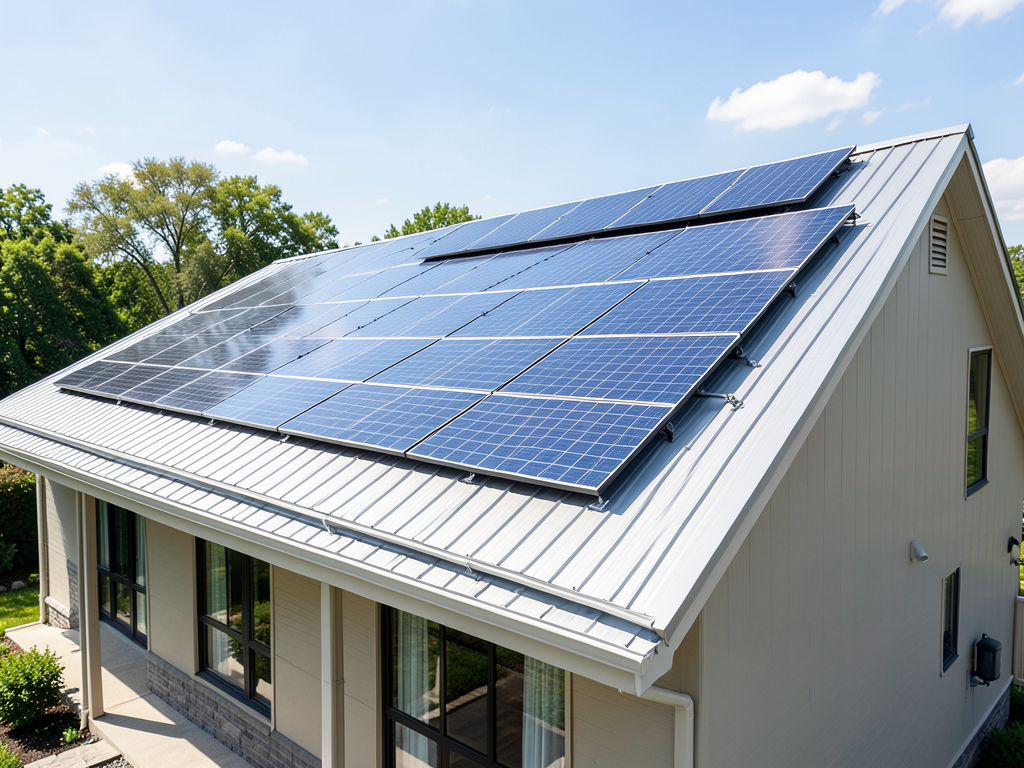
Energy independent roofing in Wedgefield: What works and what doesn't When you live in Wedgefield zip codes 32833 and 32820…

The best roofing setups for energy independent living in the Wedgefield area

Energy independent roofing in Wedgefield: What works and what doesn't When you live in Wedgefield zip codes 32833 and 32820…

Why replacing your skylights during a full roof job in Bay Hill saves thousands later

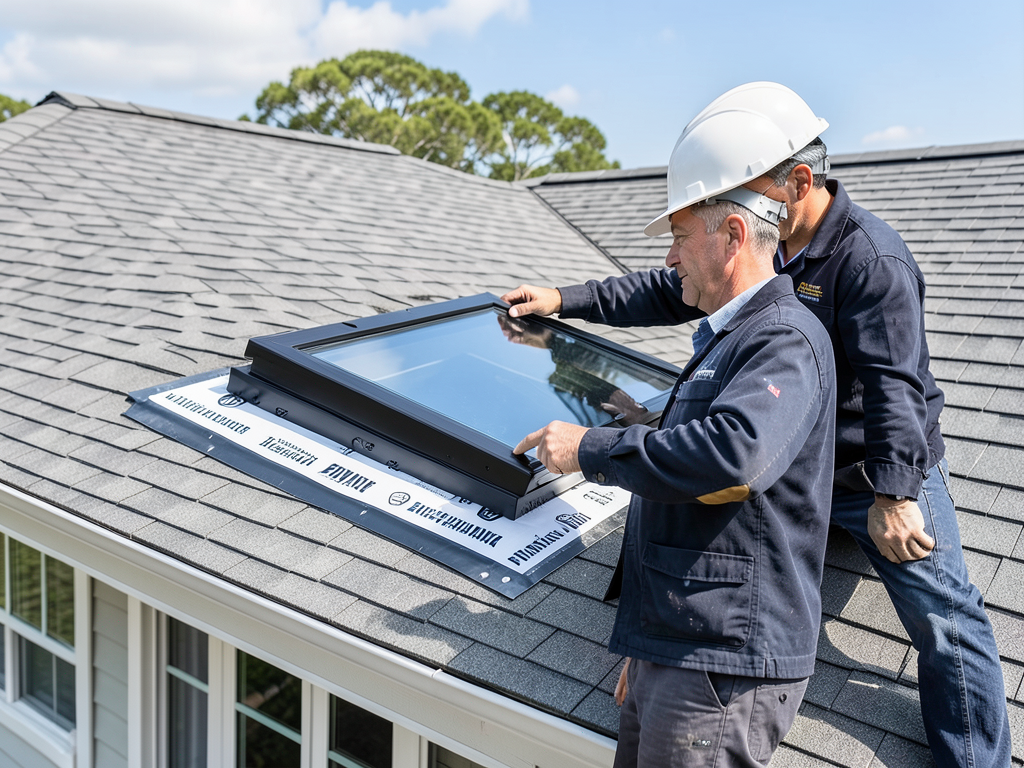
Why replacing your skylights during a full roof job in Bay Hill saves thousands later Bay Hill homeowners with aging…

Choosing between concrete and clay tiles for your Windermere estate

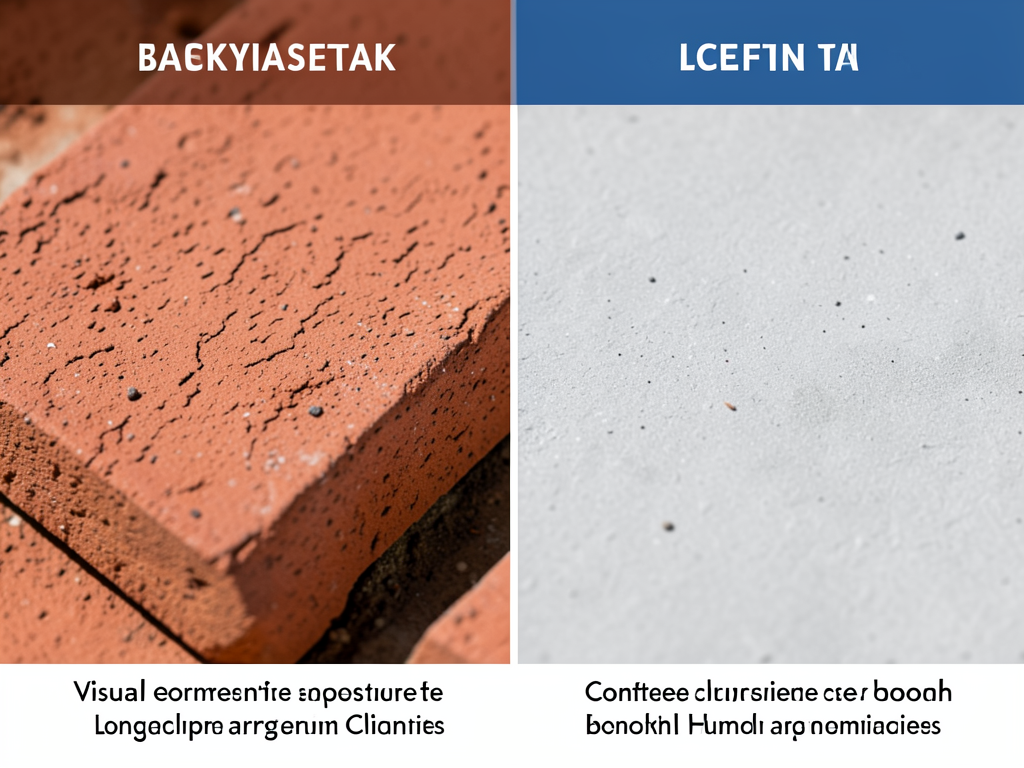
Choosing between concrete and clay tiles for your Windermere estate Tile roofing dominates Central Florida's luxury market, and for good…

Contact Us

Stop guessing about TPO versus EPDM. Get a professional assessment of your building's specific needs and conditions. Call (689) 268-2855 now for a detailed evaluation and material recommendation based on your roof's unique challenges and your business requirements.