
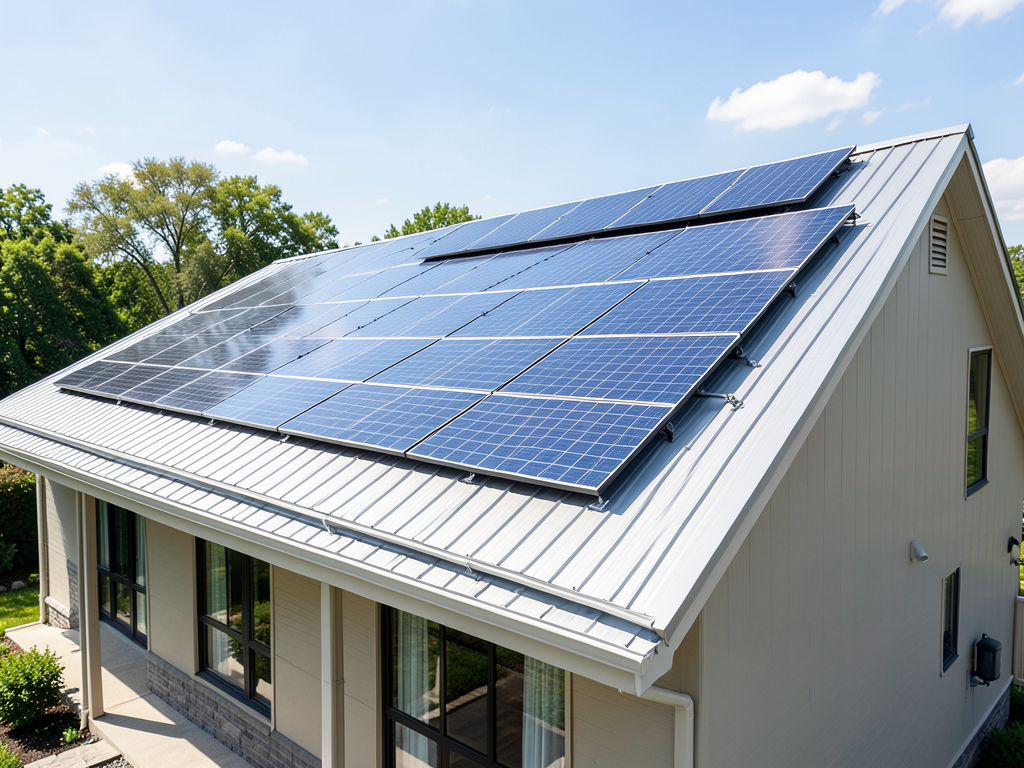
Energy independent roofing in Wedgefield: What works and what doesn’t
When you live in Wedgefield zip codes 32833 and 32820 you need roofing that can handle Central Florida’s intense sun and occasional storms while supporting energy independence. The right setup combines durable materials with solar integration and battery storage. Energy Department solar guide.
Why Wedgefield needs special roofing considerations
Wedgefield sits in a unique microclimate where afternoon thunderstorms roll in from the east and temperatures regularly hit 95°F in summer. The soil here contains sandy loam that drains well but can shift under heavy rain. This means your roof needs to withstand both thermal expansion and moisture fluctuations.
The area’s proximity to the Econlockhatchee River means higher humidity levels than downtown Orlando. This creates perfect conditions for algae growth on traditional asphalt shingles. Many Wedgefield homeowners have switched to algae-resistant materials just to keep their roofs looking clean. Best Roofing Materials for Older Bungalows in Thornton Park.
Best roofing materials for energy independence
Metal roofing leads the pack for energy independent homes in Wedgefield. Standing seam metal reflects up to 70% of solar radiation and lasts 40-70 years. The smooth surface prevents debris buildup and integrates perfectly with solar panel mounting systems. Is Solar Roofing Actually Worth the Investment for Orlando Residents?.
Concrete and clay tiles work well too. They provide natural insulation and can support heavy solar arrays without additional reinforcement. The thermal mass helps regulate indoor temperatures reducing cooling costs by 20-30%.
For those wanting a more traditional look asphalt shingles have evolved. Modern architectural shingles with cool roof technology reflect more heat than standard versions. Look for ENERGY STAR rated products with an initial solar reflectance of at least 0.25.
Solar integration options for Wedgefield homes
Solar panels perform best when mounted on south-facing slopes at a 25-30 degree angle. Most Wedgefield homes have roof pitches between 4:12 and 6:12 which works well for solar installation. The key is ensuring your roof structure can handle the additional 3-4 pounds per square foot. Choosing Between Shingle and Tile Roofs for Your Central Florida Home.
Battery storage systems like Tesla Powerwall or Enphase Ensemble allow you to store excess solar energy for nighttime use. A typical Wedgefield home needs 2-3 batteries to achieve true energy independence depending on household size and energy usage patterns.
Microinverters offer advantages over string inverters in our area. They allow each panel to operate independently so shading from afternoon clouds doesn’t reduce the entire system’s output. This matters in Wedgefield where summer thunderstorms can be spotty and unpredictable.
Roof ventilation for energy efficiency
Proper ventilation prevents heat buildup in your attic which can reach 150°F on summer days. Ridge vents combined with soffit vents create natural airflow. The goal is achieving 1 square foot of net free ventilation area per 300 square feet of attic space.
Solar-powered attic fans provide active ventilation without drawing from your home’s electrical system. They kick on automatically when temperatures exceed 95°F which happens almost daily from June through September in Wedgefield.
Storm resilience for energy systems
Wedgefield experiences occasional tropical storm winds up to 70 mph. Your solar mounting system needs to withstand uplift forces of at least 30 pounds per square foot. Look for systems with both mechanical and adhesive attachments not just clamps.
Battery enclosures should be rated for outdoor use with IP65 or better protection. Place them on north-facing walls under roof overhangs to minimize heat exposure. Most quality batteries operate safely between 32°F and 104°F but prefer temperatures below 85°F for optimal lifespan.
Cost considerations for energy independent roofing
A complete energy independent roofing system costs $40,000-$80,000 depending on home size and energy needs. Metal roofing alone runs $12,000-$25,000 for an average Wedgefield home. Solar panels add $15,000-$25,000 and battery storage another $10,000-$20,000. TPO vs EPDM Roofing Guide.
Federal tax credits cover 30% of solar and battery costs through 2032. Florida offers additional property tax exemptions for renewable energy improvements. Many Wedgefield homeowners see payback periods of 7-10 years through energy savings and increased home value. Florida Solar Energy Center research.
Maintenance requirements
Energy independent roofing systems need semi-annual inspections. Check solar panels for debris buildup especially after the fall when oak and pine trees shed leaves. Clean panels with deionized water to prevent mineral deposits that can reduce efficiency by 15-20%. Reliable Roof Inspection Services for Home Buyers in Winter Garden.
Inspect roof penetrations quarterly where solar mounting hardware attaches to the roof deck. Look for signs of water infiltration around flashing. The sandy soil in Wedgefield can cause minor settling that might loosen attachments over time.
Local building codes and permits
Orange County requires building permits for both roofing replacement and solar installation. The solar permit process includes structural engineering review to verify your roof can support the additional weight. Plan for 2-3 weeks for permit approval.
Wind mitigation inspections can lower your insurance premiums by documenting your roof’s storm resistance features. Many Wedgefield homes qualify for discounts when using Class 4 impact-resistant materials and proper fastening techniques.
Ready to upgrade your Wedgefield roof for energy independence?
The combination of intense sun high humidity and occasional storms makes Wedgefield unique. Your energy independent roofing system needs to handle all three challenges while providing reliable power year-round.
Call (689) 268-2855 today for a free assessment of your current roof’s energy efficiency and solar potential. We’ll show you exactly how much you could save and what system would work best for your specific home and energy needs.
Don’t wait until summer heat drives your AC bills through the roof. The sooner you upgrade the sooner you start saving on energy costs and gaining independence from the grid.
{
“@context”: “https://schema.org”,
“@type”: “BlogPosting”,
“headline”: “The best roofing setups for energy independent living in the Wedgefield area”,
“description”: “Discover the best roofing setups for energy independent living in Wedgefield. Learn about solar integration, battery storage, and resilient roofing systems.”,
“wordCount”: 950,
“datePublished”: “2026-06-12T12:26:00.000Z”,
“dateModified”: “2026-06-12T12:26:00.000Z”,
“inLanguage”: “en-US”,
“mainEntityOfPage”: {
“@type”: “WebPage”,
“@id”: “https://allproroofingorlando.com”
},
“publisher”: {
“@type”: “LocalBusiness”,
“name”: “All Pro Roofing Orlando”,
“url”: “https://allproroofingorlando.com”
},
“author”: {
“@type”: “Organization”,
“name”: “All Pro Roofing Orlando”,
“url”: “https://allproroofingorlando.com”
},
“image”: {
“@type”: “ImageObject”,
“url”: “https://allproroofingorlando.com/wp-content/uploads/2026/03/the-best-roofing-setups-for-energy-independent-liv-1.png”
}
}
{
“@context”: “https://schema.org”,
“@type”: “RoofingContractor”,
“name”: “All Pro Roofing Orlando”,
“url”: “https://allproroofingorlando.com”,
“address”: {
“@type”: “PostalAddress”,
“addressLocality”: “Orlando”
},
“areaServed”: {
“@type”: “City”,
“name”: “Orlando”
}
}
{
“@context”: “https://schema.org”,
“@type”: “FAQPage”,
“mainEntity”: [
{
“@type”: “Question”,
“name”: “Ready to upgrade your Wedgefield roof for energy independence?”,
“acceptedAnswer”: {
“@type”: “Answer”,
“text”: “The combination of intense sun high humidity and occasional storms makes Wedgefield unique. Your energy independent roofing system needs to handle all three challenges while providing reliable power year-round.”
}
}
]
}
{
“@context”: “https://schema.org”,
“@type”: “BreadcrumbList”,
“itemListElement”: [
{
“@type”: “ListItem”,
“position”: 1,
“name”: “Home”,
“item”: “https://allproroofingorlando.com”
},
{
“@type”: “ListItem”,
“position”: 2,
“name”: “Blog”,
“item”: “https://allproroofingorlando.com/blog”
},
{
“@type”: “ListItem”,
“position”: 3,
“name”: “The best roofing setups for energy independent living in the Wedgefield area”
}
]
}
{
“@context”: “https://schema.org”,
“@type”: “Service”,
“serviceType”: “Roofing”,
“provider”: {
“@type”: “LocalBusiness”,
“name”: “All Pro Roofing Orlando”,
“url”: “https://allproroofingorlando.com”
},
“areaServed”: {
“@type”: “City”,
“name”: “Orlando”
},
“description”: “Discover the best roofing setups for energy independent living in Wedgefield. Learn about solar integration, battery storage, and resilient roofing systems.”
}