menu

Critter & Pest Damage in Orlando – Fast Roof Inspections Before Small Problems Turn Into Structural Nightmares

Our expert technicians identify hidden animal intrusion damage in crawl spaces, attics, and roof assemblies before rodents compromise your decking, insulation, and electrical systems across the Orlando metro.

Slider Image 1
Slider Image 2
Slider Image 3
Slider Image 4
Slider Image 5
Slider Image 7
Slider Image 8
Slider Image 9
Slider Image 10
Slider Image 11

Why Orlando's Year-Round Wildlife Activity Makes Your Roof a Target

You hear scratching sounds at night. You notice brown stains on your ceiling. You find shingle granules scattered on your driveway and assume it's just age. Then you climb into your attic and realize raccoons have shredded your insulation and chewed through wiring.

Orlando's subtropical climate creates perfect conditions for roof wildlife damage. There is no seasonal die-off. Rats, squirrels, raccoons, opossums, and even bats stay active all year, constantly searching for shelter, nesting sites, and food. Your roof offers all three.

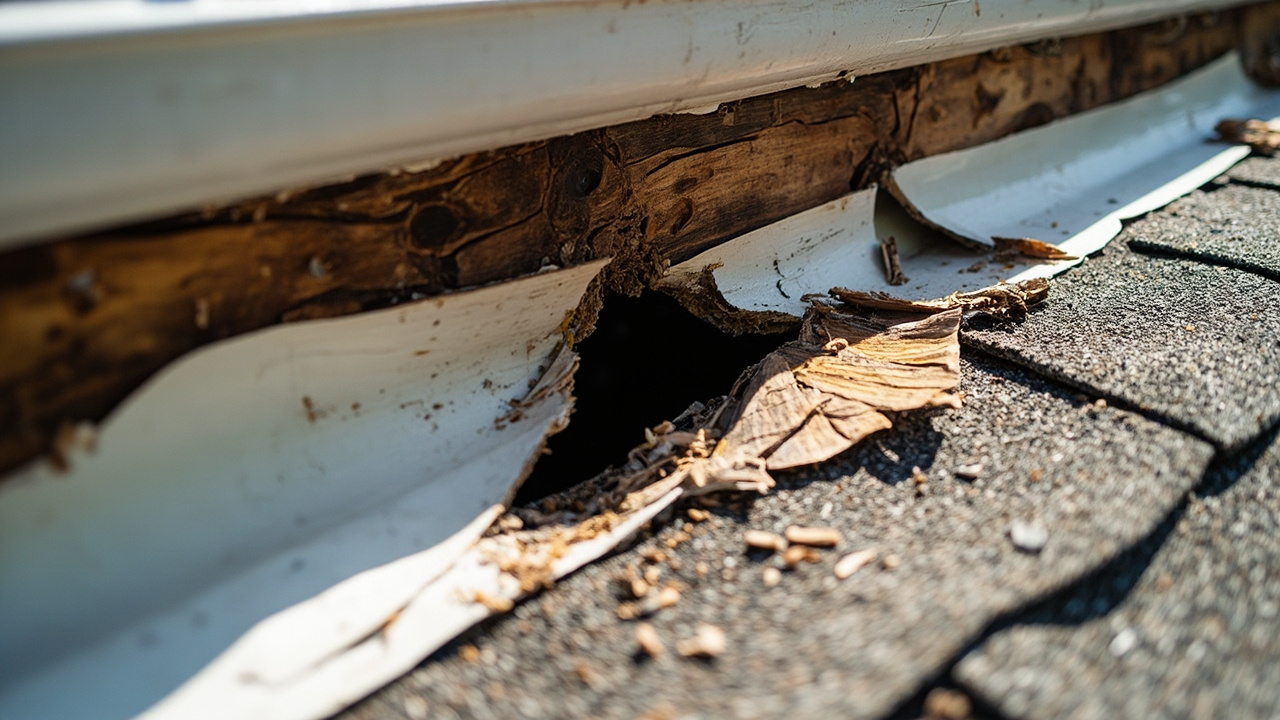
Animal intrusion roofing problems start small. A rat squeezes through a gap in your soffit. A squirrel chews through rotted fascia. Raccoons pry up loose shingles near a vent pipe. Once inside, vermin reproduce fast and expand their territory. They tear through insulation, gnaw electrical wires, and saturate wood decking with urine and feces. The biological load alone can weaken structural members.

Orlando's older neighborhoods near Lake Eola and College Park feature mature oak canopies that hang directly over rooflines. Wildlife uses these branches as highways into your attic. Combine that with Florida's frequent rain, and you have moisture intrusion from both pest damage shingles and the entry points animals create.

Rodent roof damage is not cosmetic. Chewed wiring causes house fires. Urine-soaked insulation breeds mold. Compromised flashing leads to water penetration and rot. If you ignore the scratching sounds, you will face a repair bill that climbs into the thousands once decking replacement becomes necessary.

The warning signs are subtle until they are catastrophic. You need a trained eye to assess the full scope of animal intrusion before structural integrity fails.

Why Orlando's Year-Round Wildlife Activity Makes Your Roof a Target
How We Stop the Damage and Restore Structural Integrity

How We Stop the Damage and Restore Structural Integrity

We do not just patch holes and hope the problem goes away. Our approach addresses both the immediate damage and the root cause of animal access.

First, we conduct a full perimeter and attic inspection. We look for chew marks on fascia boards, displaced shingles, gaps in soffit panels, damaged ridge vents, and compromised flashing around chimneys and plumbing stacks. We check for nesting materials, droppings, urine stains, and gnawed wiring. This diagnostic phase maps every entry point and every zone of damage.

Next, we coordinate with licensed wildlife removal specialists if animals are still present. Roofing work cannot begin until the attic is clear and exclusion measures are in place. Once animals are removed, we assess the structural damage. Saturated insulation gets removed and replaced. Urine-soaked decking gets cut out and replaced with new OSB or plywood. Chewed wiring gets flagged for an electrician.

Then we rebuild the roof envelope. We replace damaged shingles, re-secure flashing, rebuild soffit panels, and install heavy-gauge wire mesh over vulnerable areas like gable vents and ridge vents. We use galvanized steel flashing at transition points where rodents typically chew through aluminum.

We also evaluate whether your roof design invites intrusion. Low-hanging branches need trimming. Poorly sealed penetrations need upgraded boots. Rotted fascia needs replacement, not just cosmetic paint. If your roof has multiple planes and valleys, we inspect every seam where animals exploit weak points.

Our goal is to restore your roof to a fully sealed, weather-tight, pest-resistant system. That means no future access, no moisture intrusion, and no repeat invasions.

What Happens When You Call Us for Critter Damage

Critter & Pest Damage in Orlando – Fast Roof Inspections Before Small Problems Turn Into Structural Nightmares
01

Full Roof and Attic Inspection

We examine your entire roof perimeter, attic space, and crawl areas to identify every entry point, nesting zone, and area of structural damage. You receive a detailed damage map with photos showing compromised decking, chewed wiring, torn insulation, and breached flashing. This diagnostic phase determines the full scope of repairs before work begins.
02

Structural Repair and Reinforcement

After wildlife removal, we replace damaged decking, rebuild compromised fascia and soffit sections, and install new flashing where animals breached the envelope. We remove contaminated insulation and treat affected areas for odor and bacteria. Gaps in sheathing get sealed, and vulnerable penetrations get upgraded with pest-resistant materials like galvanized steel mesh and reinforced vent covers.
03

Long-Term Exclusion Measures

We install heavy-duty exclusion barriers at high-risk zones, including ridge vents, gable vents, soffit edges, and chimney flashing. We trim back overhanging branches that create access routes and seal every roof penetration with rodent-proof materials. You receive a final walkthrough with maintenance recommendations to prevent future intrusion, including seasonal inspection points and vegetation management around your roofline.

Why Orlando Homeowners Choose All Pro Roofing Orlando for Animal Damage Repairs

Most roofing companies patch the visible damage and leave. They replace shingles but ignore the chewed soffit. They miss the urine-soaked decking hidden under insulation. They do not understand how wildlife behaves or where animals will re-enter once the obvious holes are sealed.

We specialize in animal intrusion roofing repairs because we know how pests exploit roof vulnerabilities in Central Florida. We understand that raccoons target weak fascia near downspouts, that rats chew through plastic vent covers, and that squirrels prefer gaps at roof-to-wall transitions. We have repaired hundreds of Orlando roofs compromised by wildlife, from the historic homes in Thornton Park to the ranch-style properties in Conway.

Our team works directly with licensed wildlife trappers and pest control operators to ensure animals are humanely removed before we start repairs. We coordinate with electricians when wiring is compromised and with mold remediation specialists when biological contamination exceeds safe levels. This integrated approach prevents delays and ensures every hazard is addressed.

We also understand Orlando's building codes and the specific requirements for roof repairs in older neighborhoods with historic designations. If your home is in a preservation district, we match original materials and work within the guidelines set by the Historic Preservation Board.

You get a team that knows the difference between cosmetic patching and structural restoration. We rebuild your roof to prevent re-entry, not just to hide the damage. We document every phase with photos and provide a written scope of work that details materials, exclusion methods, and structural repairs. You know exactly what you are paying for and why each step matters.

Critter damage is not a surface problem. It requires expertise in both roofing systems and animal behavior. We bring both.

What to Expect When We Restore Your Roof After Pest Damage

Rapid Response and Scheduling

We schedule inspections within 48 hours of your call. If you have active leaks or exposed decking from animal damage, we prioritize emergency tarping to prevent further water intrusion. Once animals are removed, we provide a detailed timeline for repairs. Most critter damage restorations take three to five days, depending on the extent of structural work. We coordinate closely with wildlife removal specialists to avoid delays and keep the project moving.

Comprehensive Damage Assessment

Our inspection covers every square foot of your attic, roof deck, fascia, soffit, and ventilation system. We use thermal imaging to detect hidden moisture from urine saturation. We photograph every damaged area and provide a written report with recommended repairs. You receive a line-item estimate that separates wildlife exclusion work, structural repairs, and roofing restoration. There are no surprise charges once work begins.

Quality Materials and Workmanship

We use contractor-grade shingles, galvanized steel flashing, and marine-grade sealants designed for Florida's humidity and UV exposure. Damaged decking gets replaced with CDX plywood or OSB rated for roof applications. Soffit and fascia repairs use pressure-treated or PVC materials that resist future chewing. Vent covers are upgraded to heavy-gauge steel mesh that rodents cannot breach. Every repair is built to outlast the original materials.

Post-Repair Maintenance Guidance

After repairs are complete, we provide a maintenance checklist tailored to your roof design and surrounding vegetation. You receive recommendations for annual inspections, branch trimming schedules, and early warning signs of re-entry attempts. We also offer follow-up inspections six months after completion to verify exclusion measures are holding and no new access points have developed. Proactive monitoring prevents costly repeat repairs.

Frequently Asked Questions

You Have Questions,
We Have Answers

Does critter control cost money? +

Yes, critter control costs money. Pricing depends on the type of animal, severity of the infestation, and repair scope. Inspection fees typically run $75 to $150 in Orlando. Removal and exclusion work varies widely. A single raccoon removal might cost $300 to $500, while full attic remediation after a bat colony can reach several thousand dollars. Orlando homeowners face unique challenges with roof rats, squirrels, and raccoons due to our humid subtropical climate and dense tree canopy. The cost of ignoring critter damage is always higher. Chewed wiring causes house fires. Contaminated insulation harbors disease. Address it early.

What is the hardest pest to get rid of? +

Bed bugs rank as the hardest pest to eliminate. They hide in microscopic cracks, survive months without feeding, and resist many over-the-counter treatments. German cockroaches come close due to rapid reproduction and pesticide resistance. In Orlando, subterranean termites prove difficult because colonies live underground, out of sight, with millions of members. You treat the visible swarmers, but the queen keeps producing. Roof rats in attics present challenges too. They squeeze through quarter-sized gaps and breed year-round in our warm climate. Professional treatment with follow-up inspections is non-negotiable for these pests. DIY efforts waste time and money.

What are the types of damage by pests? +

Pests cause structural damage, health hazards, and contamination. Termites and carpenter ants destroy wood framing, floor joists, and roof decking. Rodents chew electrical wiring, creating fire risks, and gnaw through plumbing. Their urine and feces contaminate insulation and trigger respiratory issues. Raccoons tear through shingles and fascia to access attics. Squirrels shred ductwork for nesting material. In Orlando, moisture from pest entry points accelerates mold growth in our humid climate. Droppings attract secondary pests like flies and roaches. Damage compounds quickly. A small roof gap becomes a $5,000 repair after months of wildlife traffic and waste accumulation.

What pest is most damaging to a house? +

Termites cause the most structural damage to homes. Subterranean termites thrive in Orlando due to our sandy soil, high moisture, and warm temperatures year-round. A mature colony consumes about one pound of wood per day. They attack floor joists, wall studs, and roof trusses silently. You notice damage only after years of feeding. Formosan termites, an aggressive species in Florida, build massive colonies with millions of workers. They destroy homes faster than native species. Annual termite damage in the United States exceeds $5 billion. Orlando homeowners need annual inspections. Catch infestations early before structural integrity fails.

Does insurance cover rodent removal? +

Most homeowners insurance policies exclude rodent removal and damage repairs. Insurers classify rodent problems as preventable maintenance issues, not sudden accidents. If rodents chew wiring and cause a fire, the fire damage may be covered, but not the rodent removal itself. Some policies cover wildlife damage if the animal entry was sudden and accidental, like a raccoon tearing through your roof during a storm. Read your policy exclusions carefully. In Orlando, where roof rats and squirrels are common, prevention saves thousands. Seal entry points, trim tree branches away from rooflines, and schedule inspections annually.

Is Critter Control a good company? +

Critter Control operates as a national franchise with varying quality between locations. Reputation depends on the local franchise owner, technician training, and follow-through. Some Orlando residents report positive experiences, others cite high prices or incomplete exclusion work. When choosing any wildlife company in Orlando, verify state licensing, ask for references, and get multiple estimates. Check reviews specific to the local branch. Look for companies that offer written warranties on exclusion work, not just removal. A good company inspects thoroughly, explains entry points clearly, and provides repair documentation. Do not assume a national brand guarantees local excellence.

What is considered a severe pest infestation? +

A severe pest infestation shows visible activity in multiple areas, structural damage, and health risks. You see droppings daily, hear scratching or scurrying at night, and smell strong odors from urine or decay. Rodents run across counters in daylight, indicating overpopulation. Termite mud tubes cover foundation walls. Roach nymphs appear in kitchens during the day. In Orlando attics, severe infestations mean compressed insulation, staining from urine, and chewed wiring. Severe means the problem threatens structural integrity or health. It requires immediate professional intervention, not DIY traps. Delays worsen damage and increase costs exponentially.

What is the most annoying pest in the world? +

Mosquitoes top the list as the most annoying pest globally. They disrupt outdoor activities, spread diseases like Zika and West Nile virus, and breed rapidly in standing water. Orlando residents know this intimacy. Our humid climate and afternoon thunderstorms create perfect breeding conditions year-round. Fire ants rank second for Orlando homeowners. Their painful stings and aggressive mounds ruin lawns and outdoor spaces. Fruit flies annoy indoors, especially during summer when produce ripens fast in the heat. Annoyance is subjective, but mosquitoes cause the most widespread frustration. Eliminate standing water in gutters, flowerpots, and yard debris to reduce populations.

How to permanently get rid of pests? +

Permanent pest elimination requires exclusion, sanitation, and monitoring. Seal every entry point. Rodents squeeze through dime-sized gaps. Use steel wool, hardware cloth, and concrete. Caulk cracks around pipes and vents. Eliminate food sources. Store trash in sealed bins, fix leaky faucets, and clean up pet food. Remove harborage. Trim vegetation away from your foundation, clear debris piles, and fix moisture issues that attract pests. In Orlando, humidity control is critical. Use dehumidifiers in crawlspaces and attics. Schedule annual inspections to catch new activity early. No single treatment guarantees permanence. You maintain a pest-free home through vigilance.

What is the most harmful pest? +

Mosquitoes are the most harmful pest to humans worldwide. They transmit malaria, dengue fever, Zika virus, and West Nile virus, killing over 700,000 people annually. In Orlando, mosquitoes pose year-round health risks due to our subtropical climate. Termites rank as the most harmful to property, causing billions in structural damage. Rats spread leptospirosis, hantavirus, and salmonella through droppings and urine. Venomous spiders like the brown recluse cause painful bites, though deaths are rare. Harmful depends on context. Mosquitoes threaten human health. Termites threaten financial stability. Both require proactive control in Orlando. Do not wait for symptoms.

How Orlando's Urban Canopy and Wet Season Create Perfect Conditions for Roof Wildlife Intrusion

Orlando's mature oak, magnolia, and pine trees create dense canopies that overhang rooflines throughout neighborhoods like Baldwin Park, Audubon Park, and Winter Park. Wildlife uses these branches as direct access routes to soffits, ridge vents, and gable ends. During Central Florida's summer wet season, animals seek dry shelter in attics to escape flooding and afternoon storms. Roof penetrations that seem secure during dry months become entry points when animals are desperate for refuge. The combination of tree cover and high rainfall makes animal intrusion roofing repairs a year-round necessity in the Orlando metro.

Orlando building codes require proper ventilation in attic spaces to manage heat and humidity. Standard plastic or aluminum vent covers meet code but offer little resistance to determined rodents and raccoons. Local contractors who understand pest pressure in Central Florida upgrade these vulnerable points with reinforced materials during repairs. Choosing a roofing team with experience in vermin roof destruction ensures your repairs address both code compliance and real-world animal behavior, preventing repeat intrusions that generic patching cannot stop.
Roofing Services in The Orlando Area

Our service area spans across the Orlando region and beyond, bringing our expert roofing solutions to homes and businesses throughout the community. We are proud to serve our neighbors and are dedicated to providing fast, reliable service right where you are. View our location and our extensive service area on the map below, and feel free to reach out to us directly to see if we can bring our professional roofing services to your neighborhood.

Address:
All Pro Roofing Orlando, 618 E South St, Orlando, FL, 32801

Additional Services We Offer

Our news updates

Latest Articles & News from The Blogs

Energy independent roofing in Wedgefield: What works and what doesn't When you live in Wedgefield zip codes 32833 and 32820…

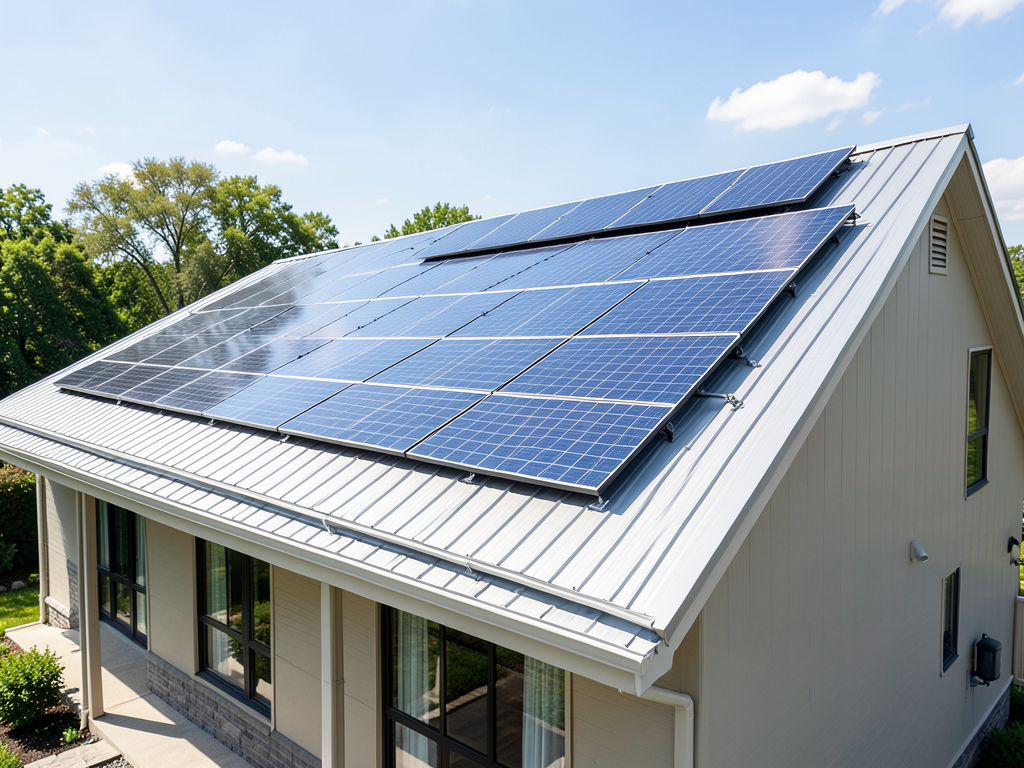
The best roofing setups for energy independent living in the Wedgefield area

Energy independent roofing in Wedgefield: What works and what doesn't When you live in Wedgefield zip codes 32833 and 32820…

Why replacing your skylights during a full roof job in Bay Hill saves thousands later

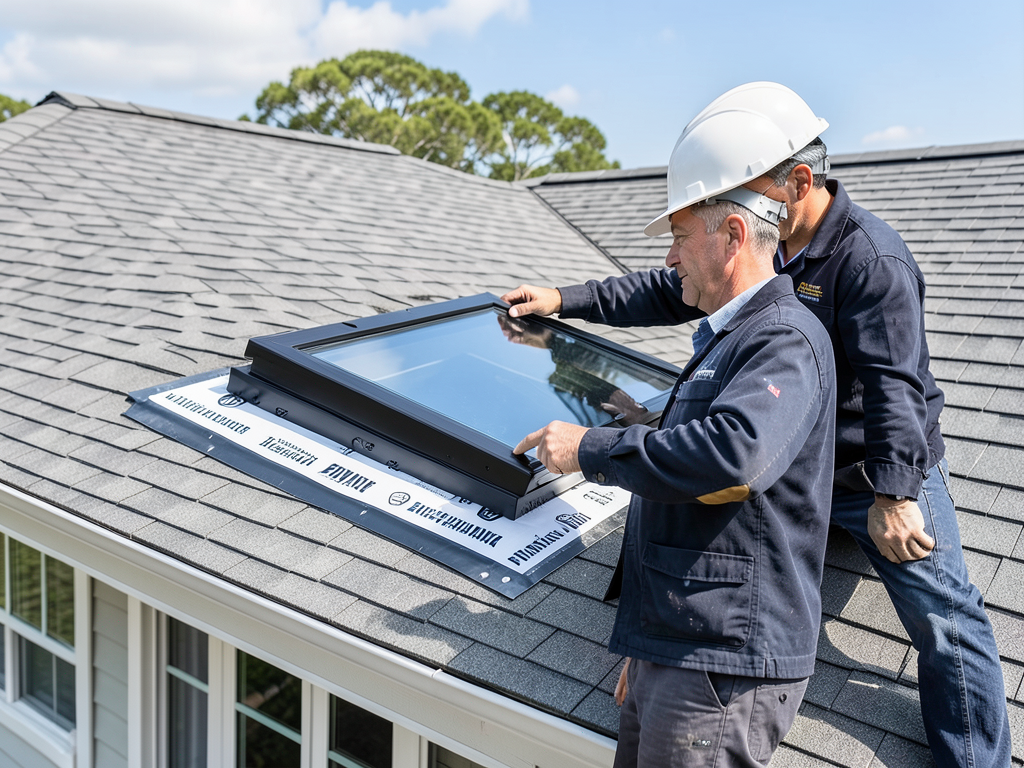
Why replacing your skylights during a full roof job in Bay Hill saves thousands later Bay Hill homeowners with aging…

Choosing between concrete and clay tiles for your Windermere estate

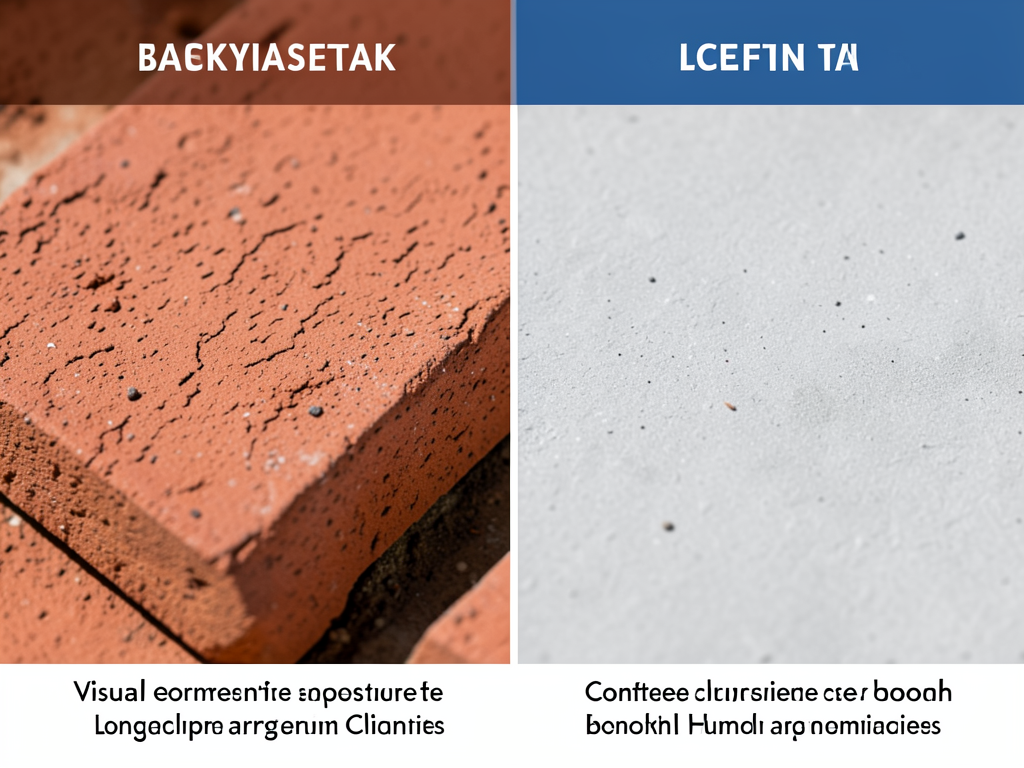
Choosing between concrete and clay tiles for your Windermere estate Tile roofing dominates Central Florida's luxury market, and for good…

Contact Us

Do not wait until chewed wiring causes a fire or saturated decking collapses. Call All Pro Roofing Orlando at (689) 268-2855 to schedule your no-cost inspection. We will assess the damage, provide a detailed repair plan, and restore your roof to a sealed, pest-proof system.