menu

New Roof Construction in Orlando – Expert Installation Built for Florida's Climate

New roof construction services engineered to withstand Orlando's high winds, driving rain, and intense UV exposure. All Pro Roofing Orlando delivers structurally sound, code-compliant installations for new builds and complete tear-offs across Central Florida.

Slider Image 1
Slider Image 2
Slider Image 3
Slider Image 4
Slider Image 5
Slider Image 7
Slider Image 8
Slider Image 9
Slider Image 10
Slider Image 11

Why New Roof Construction in Orlando Demands Climate-Specific Engineering

Orlando sits in the humid subtropical zone where summer storms dump torrential rain, hurricanes threaten from June through November, and year-round UV radiation degrades standard roofing materials faster than in northern climates. Installing a new roof here is not the same as building a new roof in cooler, drier regions. Your roof must handle wind uplift loads exceeding 140 mph in certain zones, resist algae and mold growth from constant moisture, and shed water rapidly during afternoon thunderstorms that drop two inches in an hour.

New construction roofing in Orlando also means navigating the Florida Building Code, which mandates specific wind ratings, impact resistance in designated High Velocity Hurricane Zones, and proper ventilation to combat attic heat that regularly exceeds 150 degrees. Subdivisions east of Lake Nona and neighborhoods near Winter Park often sit on sandy soil with high water tables, requiring careful attention to drainage integration during roof installation services. Miss these details and you risk premature shingle failure, deck rot, or catastrophic blow-offs when the next tropical system rolls through.

New roof installation is not a commodity service. The difference between a roof that lasts 15 years and one that fails in seven comes down to substrate preparation, fastener schedules, and flashing details designed for Florida's unique combination of heat, humidity, and wind stress. If you are constructing a new home or replacing a failing roof down to the decking, the engineering decisions made during installation determine whether you stay dry or file an insurance claim three years from now.

Why New Roof Construction in Orlando Demands Climate-Specific Engineering
How All Pro Roofing Orlando Executes New Roof Construction

How All Pro Roofing Orlando Executes New Roof Construction

New roof construction starts with structural assessment of the roof deck. We inspect sheathing for proper span ratings, check for adequate truss spacing, and verify that the substrate can handle the dead load and wind uplift forces your new roofing system will impose. For new builds, we coordinate with framers to confirm that code-compliant blocking, edge nailing, and hurricane straps are in place before we install the first underlayment roll.

Underlayment selection matters in Orlando. We use high-temperature synthetic underlayments rated for Florida's heat, not organic felt that degrades under UV exposure. For low-slope sections and valleys, we install self-adhering ice and water shield even though ice damming is not a concern here. The reason is simple: these membranes create a watertight secondary barrier against wind-driven rain that can penetrate nail holes during severe storms.

Fastener schedules and shingle placement follow the International Building Code and the shingle manufacturer's Florida-specific installation instructions. That means six nails per shingle in high-wind zones, not four. It means proper starter strip placement at eaves and rakes to prevent edge blow-offs. It means flashing every penetration, every sidewall, and every valley with corrosion-resistant materials that will not fail when exposed to Orlando's humidity and afternoon thunderstorms.

We integrate ridge ventilation and soffit intake to create continuous airflow through the attic space, reducing cooling loads and preventing moisture accumulation that rots decking from the inside out. New roof installation is a system, not a stack of shingles. Every component must work together to shed water, resist wind, and manage heat in Central Florida's demanding climate.

What Happens During Your New Roof Construction Project

New Roof Construction in Orlando – Expert Installation Built for Florida's Climate
01

Site Assessment and Planning

We measure roof planes, document slope and complexity, and identify penetrations like plumbing vents, HVAC supports, and chimney chases. You receive a detailed scope that specifies decking repairs, underlayment type, shingle profile, ventilation components, and flashing materials. We pull permits and schedule inspections with Orange or Seminole County building departments to ensure every phase meets Florida code requirements for your wind zone.
02

Material Delivery and Installation

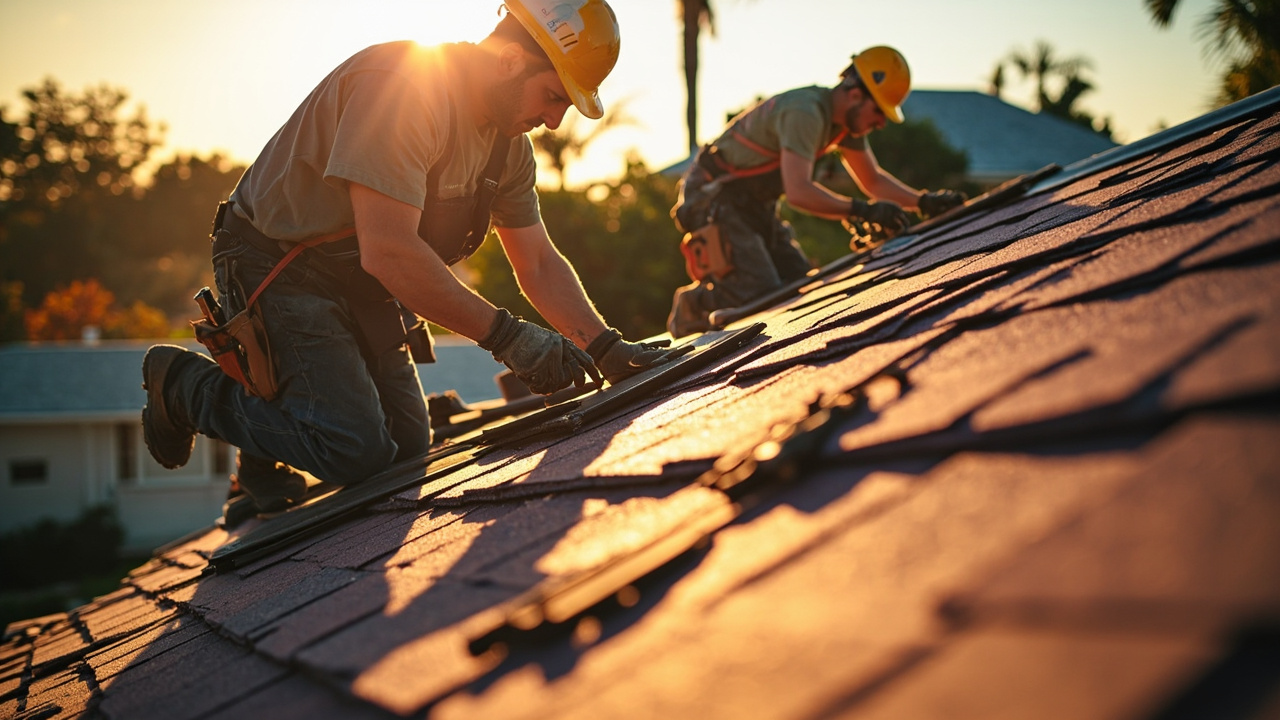
Shingles, underlayment, and flashing arrive on-site staged for efficient installation. We protect landscaping and driveways with plywood runways. Crews strip existing materials if applicable, inspect and repair decking, then install drip edge, underlayment, and valley metal before the first shingle goes down. Fastener guns are calibrated to drive nails flush without overdriving, and every course is checked for proper exposure and alignment to prevent pattern distortion.
03

Final Inspection and Cleanup

After shingle installation, we install ridge cap, seal all exposed fasteners, and complete flashing details around chimneys and sidewalls. A magnetic sweep removes stray nails from driveways and lawns. We walk the roof with you to explain ventilation strategy and maintenance recommendations. You receive documentation of materials used, warranty information, and photos of completed flashing details. County inspectors sign off and you have a roof engineered for decades of Florida weather.

Why Orlando Property Owners Choose All Pro Roofing Orlando for New Construction

We install roofs in Orlando's climate, not a textbook climate. That means understanding how afternoon thunderstorms test flashing details, how UV degradation accelerates shingle aging, and how wind uplift forces require fastener schedules that exceed the minimums used in calmer regions. Roofing installation services are not standardized. A crew trained in Michigan will miss the nuances of Florida's building code and the material choices that determine long-term performance in high heat and humidity.

All Pro Roofing Orlando works daily with Orange County and Seminole County building inspectors. We know the permit process, the required inspections, and the specific code sections that govern roof construction in each jurisdiction. We coordinate with framers on new builds to verify that hurricane straps and truss bracing meet uplift requirements before we install decking. On tear-offs, we identify structural deficiencies and provide engineered solutions rather than covering problems with new shingles.

Local suppliers stock materials rated for Florida's wind zones and heat exposure. We source impact-resistant shingles when required, synthetic underlayments that will not blister on hot decks, and corrosion-resistant flashing that survives Orlando's humidity. National chains often ship commodity-grade materials that fail prematurely because they were specified for different climates. We choose products engineered for Central Florida because we see the results of poor material choices every time a homeowner calls about premature granule loss or wind damage after a minor storm.

You get a roof designed for the climate you live in, installed by crews who understand the engineering behind wind resistance and water management. That is the difference between new roof construction done right and a roof that becomes a problem three years after installation.

What to Expect from All Pro Roofing Orlando's New Roof Construction Service

Project Timeline and Scheduling

A typical residential new roof installation takes three to five days depending on complexity, weather, and required inspections. We schedule work to avoid rainy periods when possible, but Florida's afternoon storms sometimes delay progress. Commercial new construction roofing projects run longer based on square footage and coordination with other trades. You receive a start date after permits are approved and materials are staged. We update you daily on progress and any discoveries that require adjustments to scope or timeline. Final inspection and closeout happen within 48 hours of completing the last ridge cap installation.

Pre-Installation Inspection and Documentation

Before any material goes on your roof, we document existing conditions with photos and notes. For new construction, we verify that decking meets span tables and that framers installed required blocking and hurricane ties. For tear-offs, we identify rot, inadequate ventilation, or structural deficiencies that need repair before we install the new system. You receive a written report detailing findings and any change orders required to bring the substrate up to code. This inspection protects you from hidden problems that surface mid-project and prevents disputes about pre-existing damage versus installation errors.

Quality of Completed Installation

Your finished roof will pass county inspection on the first attempt because we build to code, not to minimum standards. Shingles align in straight courses with no pattern distortion. Flashing is continuous, lapped correctly, and sealed at every termination. Ridge vents run the full length of the peak to maximize airflow. Drip edge extends beyond fascia to direct water away from the structure. You will not see exposed fasteners, wrinkled underlayment, or shortcuts that create leak points. The roof looks clean, performs under stress, and protects your investment for decades because every detail was executed correctly.

Post-Installation Support and Maintenance

After installation, we provide documentation of all materials used, including shingle manufacturer warranty information and care instructions. You receive photos of flashing details and ventilation components for your records. We explain how to inspect your roof annually for debris accumulation, damaged shingles, or clogged valleys that can trap water. If you experience any installation-related issues, we return to assess and resolve them. Routine maintenance like replacing damaged shingles or resealing flashing extends roof life and preserves manufacturer coverage. We offer annual inspection services to catch small problems before they escalate into expensive repairs.

Frequently Asked Questions

You Have Questions,
We Have Answers

What is the newest type of roofing? +

Solar reflective shingles and cool roof coatings dominate new roofing technology. These products reflect UV rays and reduce attic heat, which matters in Orlando's intense summer sun. Metal roofing with energy-efficient coatings also gains traction. Synthetic slate and composite shingles offer durability without the weight of traditional materials. In Florida, hurricane-rated products with high wind resistance ratings are the newest priority. Impact-resistant shingles and advanced underlayment systems protect against storm damage. Green roofs and living roof systems exist, but they remain rare in residential applications due to cost and structural requirements.

How much should a 2000 sq ft roof cost? +

Roof replacement on a 2000 square foot home in Orlando depends on material choice and complexity. Asphalt shingle roofs typically run lower in cost, while metal or tile systems increase the budget significantly. Orlando's building codes require hurricane-rated materials and proper flashing around penetrations. Roof pitch, number of stories, and existing decking condition affect final pricing. Homes near the coast or in Historic Districts may face stricter code requirements. Get multiple written estimates from licensed contractors. Expect material costs, labor, permits, and disposal fees in your total. The high humidity and storm exposure in Central Florida demand quality installation.

How much does it cost to have a new roof installed? +

New roof installation costs vary widely based on material selection, home size, and roof complexity. Asphalt shingles cost less than metal, tile, or slate systems. Orlando requires permits and inspections, which add to your total. Roof pitch, number of chimneys, skylights, and valleys increase labor time and material waste. Removal of old roofing, decking repairs, and underlayment upgrades factor into pricing. Hurricane-rated materials and proper ventilation are non-negotiable in Florida. Request itemized written estimates from multiple licensed contractors. Verify they carry workers' compensation and liability coverage. Avoid unusually low bids that suggest corner-cutting or unlicensed work.

What is the most expensive part of a new roof? +

Labor represents the most expensive component of a new roof. Skilled roofing crews command high wages, particularly in Orlando's competitive market. Material costs follow closely, especially for premium shingles, metal panels, or concrete tile. In Florida, hurricane-rated underlayment and impact-resistant products increase material expenses. Structural decking replacement adds significant cost if water damage or rot exists. Proper ventilation systems, including ridge vents and soffit vents, prevent moisture buildup in Orlando's humid climate. Flashing around chimneys, skylights, and valleys requires precision work. Permit fees and waste disposal contribute to the total but remain smaller line items.

What is the new roof technology 2025? +

Advanced solar shingles integrate photovoltaic cells directly into roofing materials. Cool roof technology uses reflective coatings to deflect heat, reducing cooling costs in Orlando's climate. Smart roof sensors monitor moisture levels and detect leaks before visible damage occurs. Self-healing shingles contain polymers that seal minor punctures from hail or debris. Improved synthetic underlayment offers superior water resistance and longer warranties. In hurricane-prone areas like Central Florida, wind-rated systems with reinforced fastening patterns provide better storm protection. Drone inspection technology allows contractors to assess roof conditions without climbing. These innovations focus on durability, energy efficiency, and storm resilience.

What is the cheapest option for a new roof? +

Asphalt three-tab shingles remain the most affordable roofing option. They meet Florida building codes and provide adequate protection for 15 to 20 years. These basic shingles come in limited colors and lack the dimensional look of architectural shingles. In Orlando, you must balance upfront savings against long-term value. Cheap roofs installed by unlicensed contractors often fail prematurely and void manufacturer warranties. Consider dimensional asphalt shingles as a middle ground. They cost slightly more but offer better wind resistance and curb appeal. Metal roofing costs more initially but lasts 40 to 50 years, making it cost-effective over time.

Will roofing prices go down in 2025? +

Roofing material costs remain elevated due to supply chain issues and inflation. Labor shortages in the construction industry keep installation costs high across Central Florida. Insurance claim volume from recent hurricanes creates demand surges that drive prices up. Material manufacturers have not signaled major price reductions for 2025. Energy costs, transportation expenses, and raw material prices remain volatile. Orlando's building boom keeps contractors busy, which sustains current pricing levels. If you need a roof replacement, waiting for price drops is risky. Delaying repairs allows water infiltration and structural damage, which increases total costs. Get estimates now and plan accordingly.

How much is a roof on a 1400 square-foot house? +

A 1400 square foot roof replacement in Orlando depends on material choice and roof complexity. Basic asphalt shingle installations cost less than metal or tile systems. Roof pitch, number of penetrations, and existing damage affect final pricing. Orlando requires hurricane-rated materials and proper ventilation to handle heat and humidity. Two-story homes increase labor costs due to safety requirements and slower work pace. Expect to pay for permits, inspections, and old roof removal. Get written estimates from three licensed contractors. Verify they include underlayment, drip edge, flashing, and ridge vents. Homes in established neighborhoods may need decking repairs.

How long does it take to roof a 2000 sq ft house? +

A complete tear-off and replacement on a 2000 square foot roof typically takes two to four days. Asphalt shingle installations move faster than metal or tile systems. Weather delays are common in Orlando due to afternoon thunderstorms during summer months. Complex roof designs with multiple valleys, chimneys, or skylights extend installation time. Two-story homes require additional safety setup and slower material handling. Experienced crews work more efficiently than inexperienced teams. Permit inspections may pause work temporarily. Most contractors complete tear-off in one day and install new roofing over the next two days. Cleanup and final inspection add time to the project.

Is roof replacement tax deductible? +

Roof replacement on your primary residence is not tax deductible for most homeowners. The IRS classifies it as a home improvement that increases property value. You can add the cost to your home's cost basis, which reduces capital gains tax when you sell. Rental property owners can deduct roof replacement as a repair expense or depreciate it over time. If you install solar panels or energy-efficient roofing, you may qualify for federal tax credits. Consult a tax professional to understand your specific situation. Keep all receipts, contracts, and permits for documentation. Storm damage covered by insurance does not qualify for deductions.

How Orlando's Hurricane Risk and Building Codes Shape New Roof Construction Standards

Orlando lies in Wind Zone 2 under the Florida Building Code, requiring roofs to withstand sustained winds of 130 mph and gusts exceeding 160 mph. New roof construction must meet strict fastener schedules, edge securement details, and shingle ratings that exceed standards in non-coastal regions. The High Velocity Hurricane Zone extends into parts of Orange County, mandating impact-resistant materials and enhanced attachment methods. Summer afternoon thunderstorms generate microbursts and straight-line winds that test every penetration and flashing detail, making proper installation critical to preventing blow-offs and water intrusion.

All Pro Roofing Orlando maintains active relationships with local building departments and stays current on code amendments that affect roofing installation services. We know which neighborhoods require additional wind mitigation features and how to document compliance for insurance discounts. Our crews train on Florida-specific installation techniques that account for heat expansion, UV exposure, and the constant humidity that accelerates material degradation. Choosing a contractor with deep local knowledge prevents costly code violations, failed inspections, and premature roof failure in Central Florida's demanding climate.
Roofing Services in The Orlando Area

Our service area spans across the Orlando region and beyond, bringing our expert roofing solutions to homes and businesses throughout the community. We are proud to serve our neighbors and are dedicated to providing fast, reliable service right where you are. View our location and our extensive service area on the map below, and feel free to reach out to us directly to see if we can bring our professional roofing services to your neighborhood.

Address:
All Pro Roofing Orlando, 618 E South St, Orlando, FL, 32801

Additional Services We Offer

Our news updates

Latest Articles & News from The Blogs

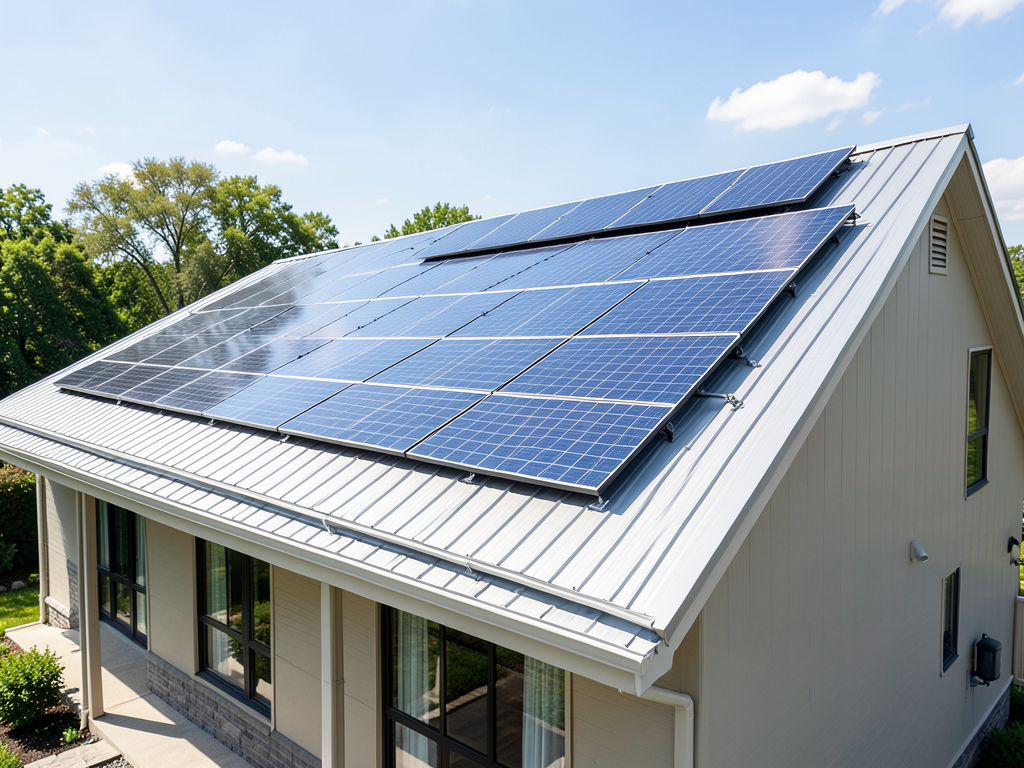
Energy independent roofing in Wedgefield: What works and what doesn't When you live in Wedgefield zip codes 32833 and 32820…

The best roofing setups for energy independent living in the Wedgefield area

Energy independent roofing in Wedgefield: What works and what doesn't When you live in Wedgefield zip codes 32833 and 32820…

Why replacing your skylights during a full roof job in Bay Hill saves thousands later

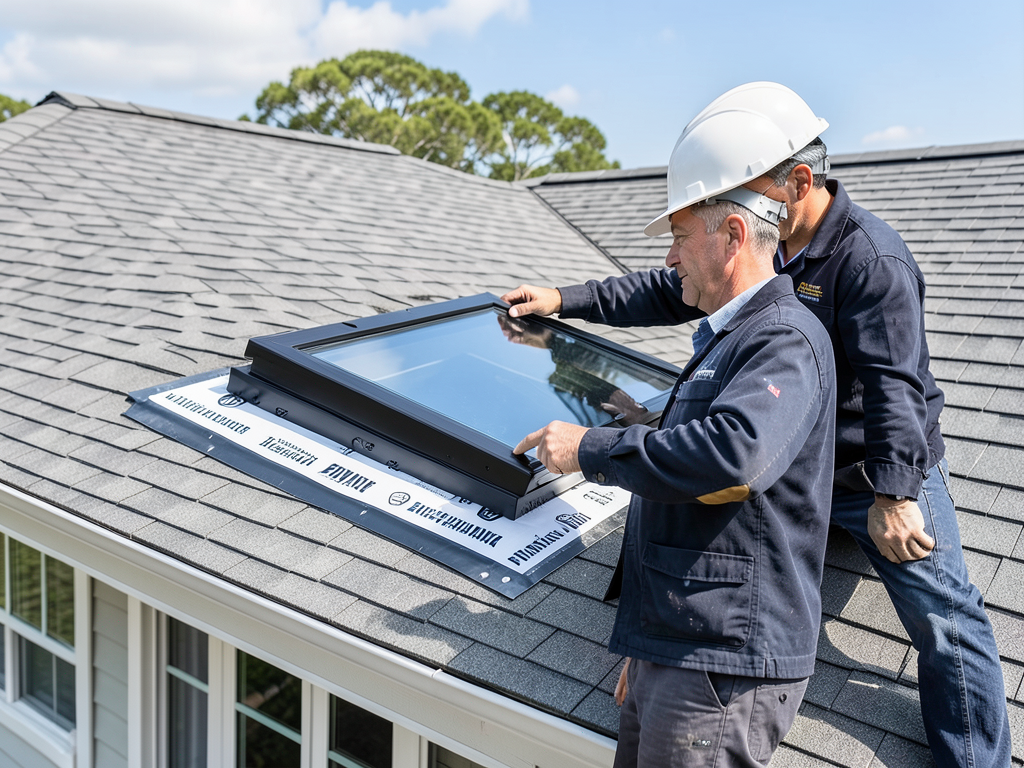
Why replacing your skylights during a full roof job in Bay Hill saves thousands later Bay Hill homeowners with aging…

Choosing between concrete and clay tiles for your Windermere estate

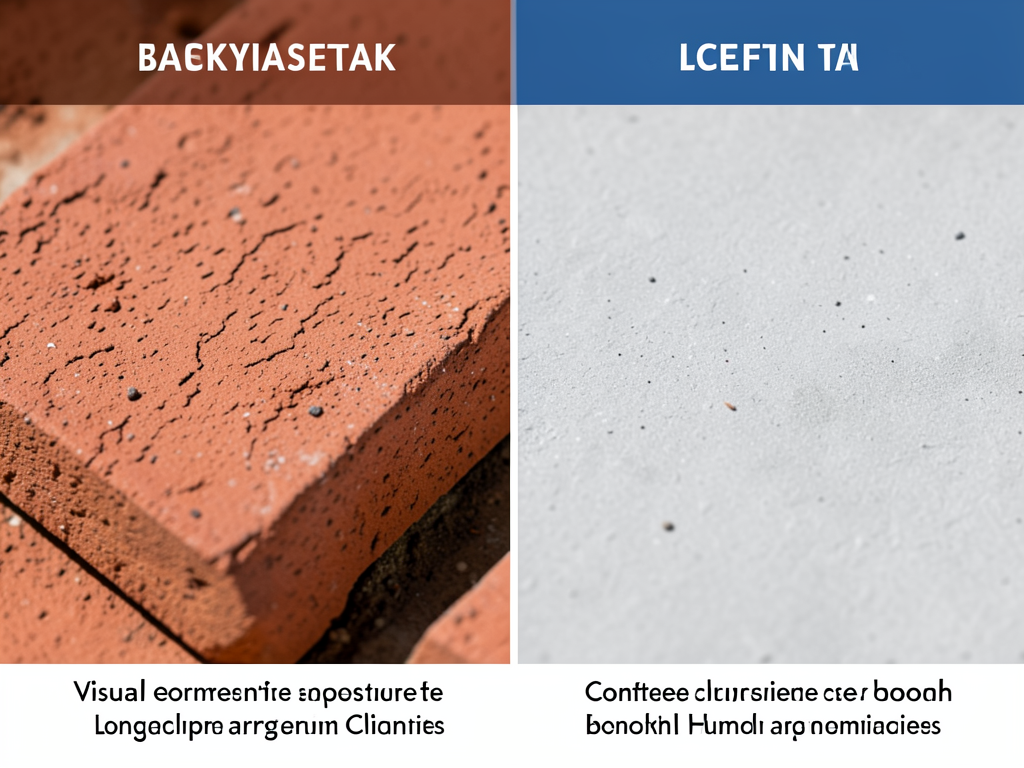
Choosing between concrete and clay tiles for your Windermere estate Tile roofing dominates Central Florida's luxury market, and for good…

Contact Us

Stop worrying about whether your new roof will survive the next storm season. Call All Pro Roofing Orlando at (689) 268-2855 for a detailed assessment and transparent estimate. We build roofs engineered for Orlando's climate, not generic installations that fail when you need them most.