menu

TPO Roofing Installation in Orlando – Minimize Downtime with Industrial-Grade Single-Ply Membrane Systems

Fast-track your commercial TPO roof systems with heat-welded seams and Florida Building Code-compliant installation that keeps your facility operational while we work.

Slider Image 1
Slider Image 2
Slider Image 3
Slider Image 4
Slider Image 5
Slider Image 7
Slider Image 8
Slider Image 9
Slider Image 10
Slider Image 11

Why Orlando Commercial Properties Need TPO Membrane Roofing

Orlando's combination of intense UV radiation, high humidity, and thermal cycling creates a hostile environment for commercial flat roofs. Traditional built-up systems fail prematurely under these conditions, leading to costly business interruptions and inventory damage.

Thermoplastic Polyolefin installation solves this problem through chemistry. TPO membrane roofing uses heat-welded seams that create monolithic barriers against water infiltration. The white reflective surface reduces cooling loads by 20 to 30 percent in Central Florida's subtropical climate, cutting your operating costs while extending roof life.

The real advantage of commercial TPO roof systems lies in installation speed and membrane durability. Single-ply TPO roofing goes down faster than multi-layer alternatives, reducing labor costs and minimizing disruption to your operations. The seams bond at a molecular level when properly heat-welded, eliminating the weak points that plague mechanical attachment systems.

Orlando's afternoon thunderstorms and hurricane season demand a roofing solution that handles standing water without degradation. TPO flat roof installation delivers that capability through reinforced scrim layers that resist punctures from debris while maintaining flexibility through temperature swings.

Your facility cannot afford extended closures for roof replacement. TPO systems allow phased installation that keeps portions of your building operational throughout the project. This matters when you have inventory, equipment, or tenants that depend on continuous protection from the elements.

The membrane's resistance to biological growth prevents the algae and mold issues that plague other roofing materials in humid climates. This maintains your roof's reflective properties and prevents premature degradation from organic acids.

Why Orlando Commercial Properties Need TPO Membrane Roofing
How Professional TPO Installation Protects Your Investment

How Professional TPO Installation Protects Your Investment

Proper TPO roofing installation starts with substrate evaluation. We assess your existing deck for moisture content, structural integrity, and fastener pull-through resistance. This determines whether we can overlay existing materials or need complete tear-off to bare deck.

Deck preparation dictates long-term performance. We address any soft spots, replace compromised plywood or concrete, and ensure proper slope for drainage. Orlando's building codes require specific wind uplift ratings based on your location and building height. We engineer fastening patterns to meet or exceed these requirements.

Insulation selection impacts both energy efficiency and code compliance. We specify polyisocyanurate boards that meet Florida's R-value requirements while providing a stable platform for membrane attachment. The boards get mechanically fastened in calculated patterns that resist hurricane-force winds.

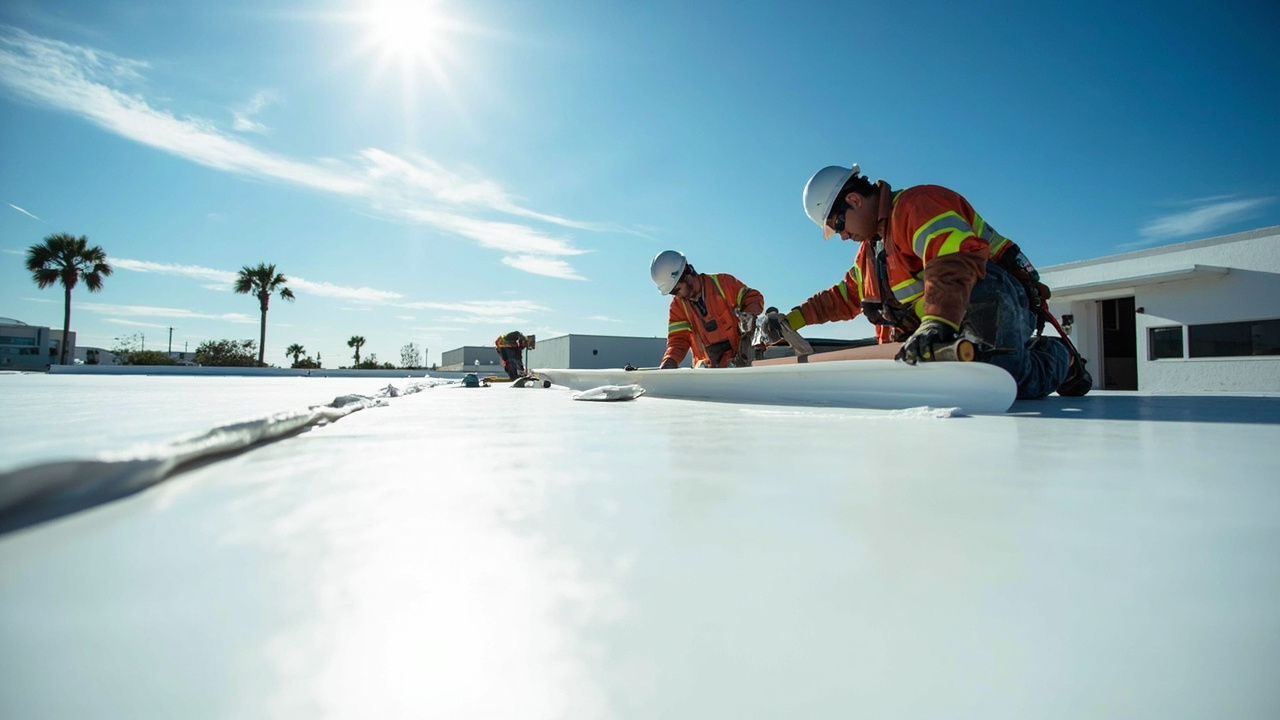
TPO membrane installation requires precision. We unroll sheets in planned layouts that minimize seams and avoid water flow paths. Hot air welding creates seams by melting the membrane layers together at 900 to 1000 degrees Fahrenheit. Proper temperature control and overlap width determine seam strength.

We test every seam with probe and pull tests to verify complete fusion. This quality control step catches defects before they become leaks. Flashing details at penetrations, walls, and edges require hand-welding techniques that match field seam strength.

The final inspection includes flood testing around drains and scuppers to confirm water flows freely without ponding. We document all installation steps and test results to satisfy your insurance requirements and building department inspections.

All Pro Roofing Orlando maintains the specialized hot air welding equipment and trained technicians necessary for proper TPO installation. Incorrect welding temperatures or speeds create weak seams that fail within months.

What Happens During Your Commercial TPO Roof Installation

TPO Roofing Installation in Orlando – Minimize Downtime with Industrial-Grade Single-Ply Membrane Systems
01

Site Assessment and Planning

We perform infrared moisture scanning to identify wet insulation that compromises new membrane performance. Core samples reveal your existing roof assembly layers and help us calculate structural load capacity for new materials. We develop phased installation schedules that maintain building operations and coordinate with your business cycles to minimize impact on tenants or production schedules.
02

Membrane Installation and Welding

Our crews install insulation boards in staggered patterns that eliminate thermal bridging and achieve required R-values. We roll out TPO sheets in calculated orientations that account for thermal movement and minimize waste. Hot air welding creates permanent seams that we verify with destructive pull tests at regular intervals. All penetrations receive custom-fabricated flashing boots that integrate seamlessly with the membrane field.
03

Quality Verification and Closeout

We conduct comprehensive leak detection using electronic field vector mapping on roofs over 20,000 square feet. Flood testing around all drains confirms proper drainage without ponding. You receive complete installation documentation including seam test results, material certifications, and as-built drawings. We coordinate final inspections with building officials and provide your property management team with maintenance protocols specific to TPO systems.

Why Orlando Facility Managers Choose Local TPO Specialists

Orlando operates under the Florida Building Code, which incorporates wind load requirements specific to our hurricane exposure category. Generic roofing contractors from outside the region misapply these standards, leading to failed inspections and insurance complications.

We maintain relationships with Orange County building officials and understand their interpretation of code requirements for commercial TPO roof systems. This knowledge streamlines permitting and prevents costly mid-project corrections when inspectors identify non-compliant details.

Central Florida's weather patterns demand flexible scheduling. Afternoon thunderstorms interrupt roofing work from June through September. We staff projects appropriately to maximize productive morning hours and maintain progress despite weather delays. Our local presence means we respond immediately when unexpected storms damage partially completed installations.

The industrial areas around Orlando International Airport, the Florida Mall corridor, and the I-4 technology sector have unique access requirements and security protocols. We navigate these constraints efficiently because we work in these areas regularly.

TPO membrane manufacturers require certified installers to validate material warranties. All Pro Roofing Orlando maintains current certifications with major TPO producers, ensuring your roof qualifies for full manufacturer coverage. We understand which membrane brands perform best in Florida's climate and which create problems.

Your facility needs a roofing partner who responds when problems arise. Local companies answer calls and dispatch technicians quickly. National chains route you through call centers and schedule service weeks out.

We source materials from regional distributors, ensuring consistent supply even during hurricane season when demand spikes. This prevents project delays from material shortages that plague contractors dependent on long supply chains.

What to Expect from Your TPO Roofing Project

Project Timeline and Scheduling

Most commercial TPO installations complete within two to four weeks, depending on roof size and complexity. We phase work to maintain building access and minimize disruption to your operations. Weather delays are common during summer months, but we schedule crews to maximize productivity during clear morning hours. You receive weekly progress updates and 48-hour advance notice before critical phases like crane deliveries or utility shutdowns. Emergency repairs take priority, with crews dispatched within hours when leaks threaten inventory or equipment.

Pre-Installation Roof Assessment

We start with comprehensive roof inspections using infrared thermography to locate hidden moisture in existing insulation. Core samples reveal your current roof assembly and identify any structural deficiencies that need correction before new membrane installation. You receive detailed reports showing moisture maps, structural concerns, and recommended solutions. We calculate precise material quantities to eliminate waste and control costs. The assessment includes coordination with your insurance carrier if you plan to file claims for existing damage.

Installation Quality and Performance

Every TPO seam receives probe testing and pull testing to verify complete fusion. We document all test results and provide you with comprehensive quality control records. The finished roof meets Florida Building Code wind uplift requirements specific to your building height and location. You can expect immediate improvements in cooling costs from the reflective white membrane surface. Proper installation means your roof handles ponding water, resists punctures from foot traffic, and maintains flexibility through temperature changes without cracking or splitting.

Warranty Coverage and Maintenance

TPO manufacturers provide material warranties ranging from 10 to 30 years when installed by certified contractors. We provide installation warranties that cover workmanship defects. Your warranty package includes both manufacturer and contractor coverage for complete protection. We develop custom maintenance plans that include biannual inspections, drain cleaning, and minor repairs to prevent small issues from becoming major problems. Regular maintenance preserves warranty coverage and extends roof life beyond the rated service period.

Frequently Asked Questions

You Have Questions,
We Have Answers

What are the disadvantages of TPO roofing? +

TPO roofing can shrink over time, especially in Orlando's intense UV exposure and heat cycles. This shrinkage stresses seams and fasteners, increasing leak risk. TPO membranes vary in quality across manufacturers, and lower-grade products deteriorate faster under Florida's sun. Seam integrity depends heavily on proper heat-welding during installation. Poor workmanship leads to seam failure. TPO also offers less puncture resistance than PVC or modified bitumen, making it vulnerable during hurricane debris impacts. For commercial properties in Orlando, these disadvantages require selecting premium-grade TPO and experienced installers who understand Florida's climate demands and wind load requirements.

What goes under a TPO roof? +

A TPO roof system requires a layered assembly starting with the roof deck. Over the deck, you install insulation boards, typically polyisocyanurate or expanded polystyrene, to meet energy code requirements. A cover board goes over the insulation to protect it from punctures and provide a stable substrate. The TPO membrane is installed over this cover board. Orlando's high humidity and thunderstorm frequency make proper drainage critical, so tapered insulation systems are common to prevent ponding water. The substrate must be dry, clean, and structurally sound before membrane installation to ensure long-term performance and code compliance.

Should TPO roofing be glued down? +

Glued-down TPO systems offer superior wind uplift resistance, which is critical in Orlando's hurricane zone. Adhesive systems eliminate punctures from mechanical fasteners, reducing potential leak points. Fully adhered TPO performs better during high-wind events because the entire membrane bonds to the substrate, distributing wind forces evenly. However, adhesive costs more than mechanically attached systems. The substrate must be perfectly clean and dry for proper adhesion. In Orlando's humid climate, morning dew can interfere with bonding, requiring careful timing during installation. For buildings in high-wind zones or near the coast, glued-down systems provide measurably better storm protection.

Can you put TPO directly over plywood? +

You should not put TPO directly over plywood without proper underlayment and cover board. Plywood expands and contracts with Orlando's humidity fluctuations, and direct membrane contact accelerates wear. Code-compliant installations require a separation layer to prevent chemical incompatibility between TPO and wood resins. Most commercial applications use a cover board over insulation, not direct plywood contact. If plywood is your deck substrate, install rigid insulation and cover board first. This assembly improves energy efficiency, protects the membrane from substrate movement, and meets Florida Building Code requirements for commercial roof systems and fire ratings.

How Orlando's Hurricane Wind Loads Affect TPO Installation Requirements

Orlando sits in Wind Zone 1 under the Florida Building Code, requiring commercial roof systems to withstand sustained winds of 140 miles per hour. This mandates specific fastening densities and edge detail reinforcements for TPO flat roof installation. The combination of high wind exposure and Orlando's sandy soil conditions means your building experiences significant uplift forces during hurricanes. Single-ply TPO roofing must integrate with parapet walls and roof edges through mechanically attached termination bars that resist these forces. Standard attachment patterns used in northern climates fail catastrophically here.

Orange County building officials scrutinize commercial roofing permits carefully because of our region's history with hurricane damage. They require detailed wind uplift calculations and fastening schedules before approving TPO membrane roofing projects. Local contractors understand these requirements and maintain relationships with plan reviewers that streamline approvals. We also understand Orlando's commercial construction timelines and coordinate installations around tenant improvement schedules in multi-tenant facilities. This local knowledge prevents delays and budget overruns that plague projects managed by contractors unfamiliar with Central Florida's regulatory environment.
Roofing Services in The Orlando Area

Our service area spans across the Orlando region and beyond, bringing our expert roofing solutions to homes and businesses throughout the community. We are proud to serve our neighbors and are dedicated to providing fast, reliable service right where you are. View our location and our extensive service area on the map below, and feel free to reach out to us directly to see if we can bring our professional roofing services to your neighborhood.

Address:
All Pro Roofing Orlando, 618 E South St, Orlando, FL, 32801

Additional Services We Offer

Our news updates

Latest Articles & News from The Blogs

Energy independent roofing in Wedgefield: What works and what doesn't When you live in Wedgefield zip codes 32833 and 32820…

The best roofing setups for energy independent living in the Wedgefield area

Energy independent roofing in Wedgefield: What works and what doesn't When you live in Wedgefield zip codes 32833 and 32820…

Why replacing your skylights during a full roof job in Bay Hill saves thousands later

Why replacing your skylights during a full roof job in Bay Hill saves thousands later Bay Hill homeowners with aging…

Choosing between concrete and clay tiles for your Windermere estate

Choosing between concrete and clay tiles for your Windermere estate Tile roofing dominates Central Florida's luxury market, and for good…

Contact Us

Call (689) 268-2855 now to schedule your roof assessment. We provide detailed proposals with material specifications, installation timelines, and warranty options within 48 hours. Your facility deserves a roof that performs.