menu

Commercial Roof Replacement in Orlando | Minimize Downtime and Protect Your Business Assets

Industrial-grade commercial building roof replacement engineered for Central Florida's hurricane corridor. We deliver rapid deployment, code-compliant installations, and project schedules that keep your operations running without interruption.

Slider Image 1
Slider Image 2
Slider Image 3
Slider Image 4
Slider Image 5
Slider Image 7
Slider Image 8
Slider Image 9
Slider Image 10
Slider Image 11

Why Central Florida's Climate Demands Specialized Commercial Reroofing

Orlando sits in the Interstate 4 corridor where commercial facilities face relentless ultraviolet exposure, thermal cycling that exceeds 40-degree daily swings during transitional months, and hurricane wind loads that meet or exceed 140 mph design thresholds under Florida Building Code. Your commercial roof serves as the primary defense barrier for inventory, equipment, and uninterrupted operations.

Flat and low-slope commercial roofing systems common to warehouses, office complexes, and retail centers in Metro Orlando absorb radiant heat differently than residential structures. The combination of standing water from afternoon thunderstorms and intense UV degradation accelerates membrane brittleness, leading to catastrophic failures during peak business cycles. When a 50,000-square-foot distribution center experiences roof failure, you face inventory loss, liability exposure, and operational shutdowns that cascade into six-figure financial impacts within 72 hours.

Industrial roof replacement in Orlando requires understanding the relationship between substrate preparation and long-term membrane performance. Many commercial building roof replacements fail prematurely because contractors skip thermal scanning to identify trapped moisture in insulation layers or fail to account for thermal movement in metal deck substrates. The Orange County area's soil conditions also contribute to structural settling that affects parapet walls and roof penetrations, creating vulnerable points where water intrusion begins.

Commercial flat roof replacement decisions must account for Central Florida's specific load requirements, drainage patterns that handle 7-inch rainfall events, and material selections that withstand both hurricane uplift forces and daily thermal stress. Your facility cannot afford a learning curve when roof failure threatens business continuity.

Why Central Florida's Climate Demands Specialized Commercial Reroofing
Engineered Commercial Roof Installation That Meets Florida's Performance Standards

Engineered Commercial Roof Installation That Meets Florida's Performance Standards

Commercial reroofing demands forensic-level assessment before a single material reaches your facility. We deploy infrared thermography across the existing roof assembly to map moisture intrusion within insulation layers, a critical step that prevents trapping saturated materials under new membrane systems. This diagnostic phase identifies whether you need a complete tear-off to the structural deck or can proceed with a recover system that maintains your building's load capacity within engineered limits.

Material selection for industrial roof replacement in Orlando hinges on specific performance metrics. TPO, EPDM, and modified bitumen systems each respond differently to Florida's thermal environment and wind uplift zones. We calculate fastener density based on your building's wind exposure category, parapet height, and corner zone classifications defined in ASCE 7-16. A warehouse in the Dr. Phillips industrial corridor faces different uplift calculations than a retail center near Orlando International Airport due to exposure variables and building geometry.

The substrate preparation phase determines long-term performance. We verify that metal decking maintains structural integrity, replace compromised insulation boards, and ensure that all penetrations including HVAC curbs, plumbing vents, and electrical conduits receive proper flashing details. Edge metal and coping cap installations must account for thermal expansion while maintaining watertight integrity during wind-driven rain events that approach horizontal trajectory during tropical systems.

Our commercial building roof replacement methodology includes third-party inspection protocols at critical milestones. Membrane seam testing, fastener pull tests, and drainage verification occur before we sign off on substantial completion. You receive documentation that satisfies your insurance carrier's requirements and provides the engineering data your facility managers need for long-term asset planning.

How We Execute Your Commercial Roof Replacement

Commercial Roof Replacement in Orlando | Minimize Downtime and Protect Your Business Assets
01

Facility Assessment and Planning

We conduct a comprehensive roof survey using thermal imaging, core sampling, and structural load analysis. This phase maps existing conditions, identifies code compliance gaps, and establishes a phased work schedule that isolates active sections of your facility. You receive detailed specifications, material certifications, and a construction timeline that accounts for weather windows and your operational constraints before we mobilize equipment.
02

Controlled Demolition and Installation

Our crews section the roof into manageable zones, maintaining weather-tight protection over occupied spaces throughout the tear-off phase. We coordinate material deliveries to minimize staging footprint and execute membrane installation during optimal temperature windows. All penetrations receive custom flashing, drainage components are tested for flow capacity, and fastening patterns meet the specific uplift requirements for your wind exposure zone and building height.
03

Quality Verification and Turnover

Independent inspectors verify seam integrity, conduct fastener pull tests, and document drainage performance before final acceptance. You receive as-built drawings showing all penetration locations, a maintenance protocol specific to your membrane system, and manufacturer certifications that activate your material warranty. We walk your facilities team through the completed installation and establish a scheduled inspection program to protect your investment over its expected service life.

Why Orlando Commercial Properties Trust All Pro Roofing Orlando

Commercial flat roof replacement in Central Florida requires more than general contracting capability. You need a team that understands the relationship between Florida Building Code Chapter 15 requirements and the specific wind load calculations that apply to your building's location within Orange County's wind speed contours. We maintain active relationships with local building departments in Orlando, Winter Park, and Maitland, which streamlines permit acquisition and ensures that your project meets all code compliance checkpoints without delays that extend your construction window.

Our project management approach prioritizes business continuity. We schedule work phases around your operational needs, whether that means restricting noisy demolition to weekends for medical offices or executing rapid installations during retail slow periods. This coordination minimizes tenant disruption and prevents the revenue loss that occurs when contractors treat commercial roof installation as a purely technical exercise without considering the business environment below.

All Pro Roofing Orlando maintains the bonding capacity and insurance coverage that property managers and commercial real estate investors require. Our crews hold OSHA 30-hour certifications, and we implement fall protection systems that exceed baseline safety requirements. When you have multiple tenants or high-value equipment, these protocols protect you from liability exposure and project delays caused by safety incidents.

The Orlando commercial roofing market includes contractors who submit low bids by cutting corners on substrate preparation or using substandard fastening patterns. These shortcuts create roof failures within the first wind event, leaving you with insurance claims, business interruption, and the cost of doing the work correctly after absorbing an initial loss. We provide engineering documentation, material certifications, and third-party verification because your facility represents a capital asset that demands measurable performance standards, not hope that the roof holds during the next tropical system.

What Your Commercial Roof Replacement Includes

Project Timeline and Deployment

Commercial reroofing schedules depend on roof area, existing conditions, and weather windows. A typical 30,000-square-foot single-ply membrane installation requires 10 to 15 working days from mobilization to final inspection. We provide a critical path schedule that identifies weather-dependent activities and establishes contingency protocols for tropical weather disruptions. Larger industrial roof replacement projects receive phased schedules that maintain weather protection over occupied spaces throughout the construction period. You receive weekly progress updates and 48-hour advance notice before crews access specific roof zones, allowing you to coordinate with tenants and protect sensitive operations.

Initial Roof Survey Process

The diagnostic phase begins with infrared thermography conducted during temperature differential periods to identify moisture trapped in insulation layers. We extract core samples at representative locations to verify deck condition, measure existing insulation R-values, and test for asbestos in facilities constructed before 1980. This assessment includes structural load calculations to determine whether your building can support additional roof layers or requires complete tear-off to the metal deck. You receive a written report with thermal images, core sample analysis, and code compliance gaps that must be addressed during the commercial building roof replacement. This documentation satisfies due diligence requirements for property transactions and provides the engineering basis for scope development.

Performance Standards and Specifications

Your commercial roof installation includes manufacturer-certified materials selected for Central Florida's climate zone. We install membrane systems according to FM Global or UL 580 wind uplift ratings appropriate for your building height and exposure category. All penetration flashings receive custom fabrication, drainage components are sized for 7-inch rainfall intensity, and edge metal installations include thermal expansion joints at specified intervals. The completed roof assembly meets Florida Building Code wind uplift requirements, achieves specified R-values for energy code compliance, and includes a 20-year material warranty backed by manufacturer inspection. You receive as-built drawings, material certifications, and third-party test results that document system performance.

Post-Installation Support Protocol

All Pro Roofing Orlando provides a maintenance inspection program that protects your commercial flat roof replacement investment. We conduct semi-annual roof surveys to clear drains, inspect flashing conditions, and identify minor issues before they compromise the membrane system. These scheduled inspections satisfy manufacturer warranty requirements and provide documentation for your facility maintenance records. Our service team responds to leak calls within four hours and maintains an inventory of emergency patching materials specific to your roof system. You receive a dedicated contact for your facility and priority scheduling that prevents small maintenance items from escalating into emergency repairs that disrupt operations.

Frequently Asked Questions

You Have Questions,
We Have Answers

How much should a 2000 sq ft roof cost? +

For a 2000 square foot commercial roof in Orlando, costs vary based on material choice, structural condition, and code compliance. TPO or EPDM systems typically range lower, while modified bitumen or metal roofing systems cost more. Orlando's hurricane wind load requirements and frequent heavy rainfall affect material selection and installation complexity. Tear-off costs, decking repairs, and flashing upgrades add to the total. Factor in business interruption mitigation and permit fees. Request a detailed breakdown from contractors familiar with Orange County building codes to understand specific cost drivers for your facility.

How to replace a commercial roof? +

Commercial roof replacement starts with a structural assessment and material selection based on building use and budget. The contractor removes existing roofing down to the decking, inspects for damage, and replaces compromised sections. New insulation goes down, followed by the membrane or surface system. Flashing, penetrations, and drainage components get installed per Florida Building Code. In Orlando, work schedules around afternoon thunderstorms to prevent water intrusion. Final inspections verify wind uplift ratings meet hurricane zone requirements. The process minimizes downtime through phased installation when needed.

What is the most common type of commercial roofing? +

TPO (thermoplastic polyolefin) dominates commercial roofing in Orlando due to heat reflectivity and cost efficiency. This single-ply membrane resists UV degradation and handles Florida's intense sun exposure. Modified bitumen remains popular for smaller facilities. EPDM offers durability but absorbs more heat. Metal roofing gains traction for warehouses and manufacturing plants. The flat or low-slope design common to commercial buildings in Orlando favors membrane systems over traditional shingles. Material choice depends on building height, occupancy type, and cooling cost considerations in Central Florida's climate.

Does commercial insurance cover roof replacement? +

Commercial property insurance typically covers roof replacement only when damage results from covered perils like hurricanes, hail, or fire. Normal wear, poor maintenance, or age-related deterioration gets excluded. Orlando businesses face strict documentation requirements. Insurers may depreciate claim payouts based on roof age. Policies often require regular inspections and maintenance records. Review your coverage limits and deductibles before filing. Wind damage from tropical storms qualifies, but gradual leaks from deferred maintenance do not. Understand your policy's actual cash value versus replacement cost provisions.

What is the most expensive part of replacing a roof? +

Labor drives the highest cost in commercial roof replacement, particularly for complex installations requiring specialized crews. Material expenses follow closely, especially for premium systems like standing seam metal or multi-layer modified bitumen. Tear-off and disposal add significant costs when multiple layers exist. In Orlando, structural repairs from water intrusion or wood rot increase expenses substantially. Hurricane-rated fastening systems and reinforced flashing cost more but meet code requirements. Crane rentals for material hoisting on taller buildings and engineering reports for structural capacity add to the budget.

How to estimate roof replacement cost? +

Estimating commercial roof replacement costs requires measuring total square footage, identifying current roofing layers, and assessing structural condition. Calculate material costs per square (100 sq ft) based on your selected system. Add tear-off expenses, typically per square. Include waste factor, permits, and engineering if needed. In Orlando, factor in hurricane-rated fasteners and enhanced drainage for heavy rainfall. Account for business interruption costs and phased installation premiums. Request multiple bids from contractors experienced with Florida Building Code. Professional assessments identify hidden issues like decking damage before final budgeting.

How often should a commercial roof be replaced? +

Commercial roofs in Orlando require replacement every 15 to 30 years depending on material type and maintenance quality. TPO and EPDM membranes last 20 to 25 years with proper care. Modified bitumen systems reach 15 to 20 years. Metal roofing extends to 30 years or more. Florida's UV exposure, hurricane potential, and thermal cycling accelerate deterioration. Deferred maintenance shortens lifespan significantly. Schedule biannual inspections to catch issues early. Ponding water, membrane shrinkage, and fastener pull-through indicate replacement needs before complete failure causes interior damage.

Is commercial roofing worth it? +

Commercial roofing investment protects your facility, inventory, and business operations from costly water damage and downtime. In Orlando, a properly installed system prevents mold growth in humid conditions and withstands hurricane-force winds. Energy-efficient materials reduce cooling costs in Florida's climate. Delaying replacement risks structural damage, increased insurance premiums, and liability exposure. The ROI comes through avoided emergency repairs, lower utility bills, and extended building lifespan. Quality installation meeting current wind uplift codes also supports property value and lease rates for multi-tenant facilities.

Is it better to use plywood or OSB on a roof? +

Plywood outperforms OSB for commercial roof decking in Orlando's humid climate. Plywood resists moisture absorption better, reducing delamination risk during afternoon thunderstorms or installation delays. It holds fasteners more reliably under hurricane wind uplift forces. OSB costs less but swells when wet and takes longer to dry. For commercial applications where roof integrity affects business continuity, plywood provides superior dimensional stability. Florida Building Code allows both materials when properly rated, but plywood's moisture resistance makes it the preferred choice for critical facilities and multi-story buildings.

What is the best commercial roof? +

The best commercial roof depends on your building type, budget, and operational needs. TPO offers excellent cost-to-performance for most Orlando facilities, reflecting heat and resisting UV damage. Metal roofing suits warehouses and manufacturing plants needing durability and fire resistance. Modified bitumen works for smaller buildings requiring puncture resistance. EPDM provides reliable performance at moderate cost. Consider drainage requirements, roof access needs, and cooling load impacts. In Orlando's hurricane zone, wind uplift ratings matter more than material type. Match the system to your specific building use and maintenance capacity.

Hurricane Wind Loads and Building Code Requirements for Orlando Commercial Roofing

Orlando's location in Florida's wind-borne debris region imposes specific commercial roof replacement standards that exceed baseline International Building Code requirements. The Florida Building Code mandates that commercial roofing systems in Orange County resist design wind speeds of 140 to 150 mph depending on exposure category and building height. Commercial reroofing projects must meet enhanced uplift resistance calculated using ASCE 7 methodology, which accounts for roof geometry, parapet conditions, and corner zone pressure coefficients. Industrial roof replacement in Metro Orlando also faces strict requirements for impact-resistant materials in areas within one mile of the coast or where wind-borne debris presents risk to membrane integrity during tropical cyclones.

Central Florida's commercial property market demands contractors who maintain established relationships with local building officials and understand Orange County's permit processes. All Pro Roofing Orlando has completed commercial building roof replacement projects throughout the I-4 corridor, from industrial facilities near Orlando International Airport to retail centers in Dr. Phillips and office complexes in Maitland. This local presence means we understand the inspection protocols specific to Orange County Building Division, maintain quick-response capabilities when post-storm damage requires emergency repairs, and provide the documentation that satisfies insurance carriers familiar with Florida's commercial property risks. Choosing a contractor who operates within Orlando daily eliminates the communication delays and code interpretation errors that occur when out-of-market firms attempt commercial flat roof replacement in Florida's unique regulatory environment.
Roofing Services in The Orlando Area

Our service area spans across the Orlando region and beyond, bringing our expert roofing solutions to homes and businesses throughout the community. We are proud to serve our neighbors and are dedicated to providing fast, reliable service right where you are. View our location and our extensive service area on the map below, and feel free to reach out to us directly to see if we can bring our professional roofing services to your neighborhood.

Address:
All Pro Roofing Orlando, 618 E South St, Orlando, FL, 32801

Additional Services We Offer

Our news updates

Latest Articles & News from The Blogs

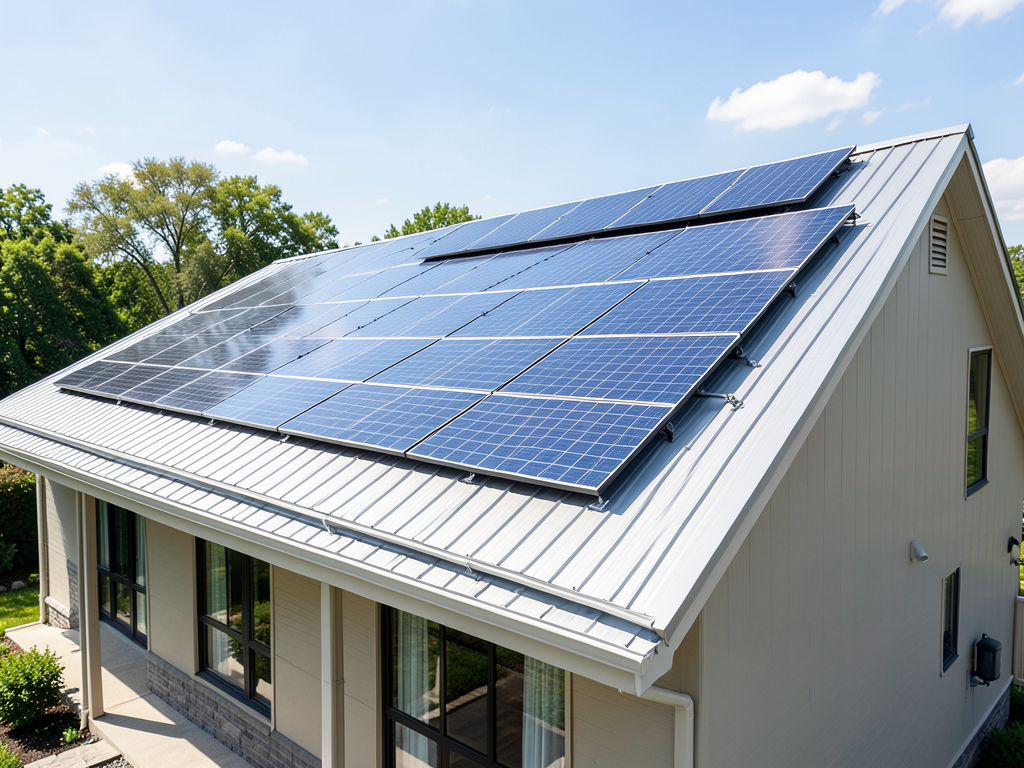
Energy independent roofing in Wedgefield: What works and what doesn't When you live in Wedgefield zip codes 32833 and 32820…

The best roofing setups for energy independent living in the Wedgefield area

Energy independent roofing in Wedgefield: What works and what doesn't When you live in Wedgefield zip codes 32833 and 32820…

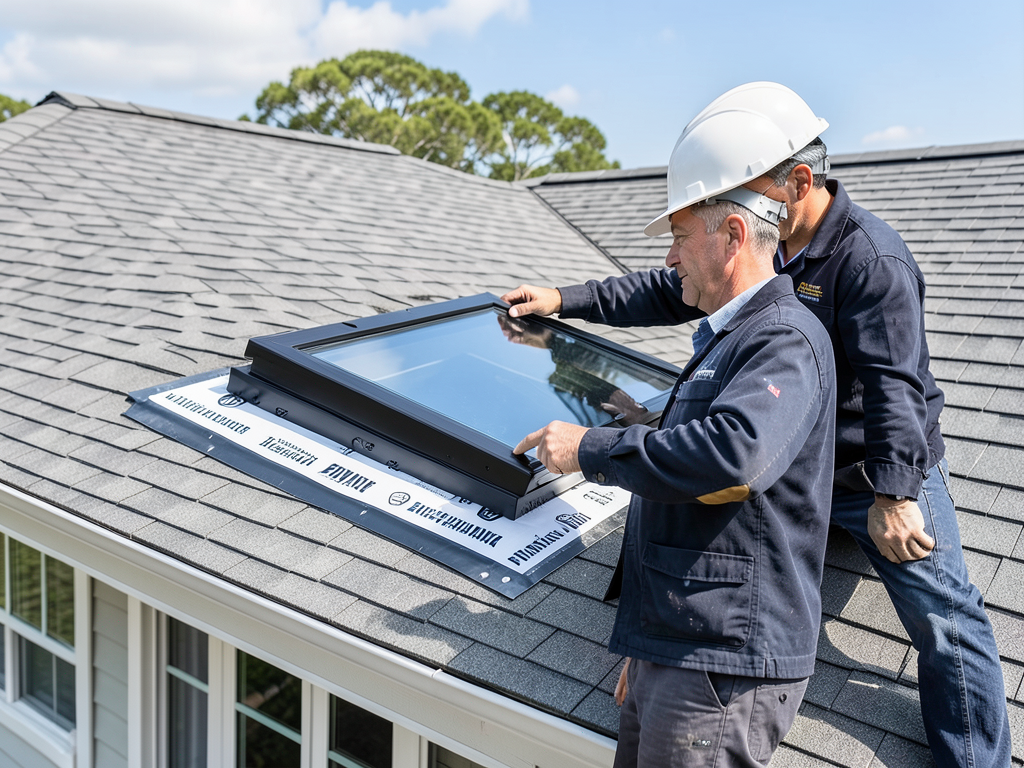
Why replacing your skylights during a full roof job in Bay Hill saves thousands later

Why replacing your skylights during a full roof job in Bay Hill saves thousands later Bay Hill homeowners with aging…

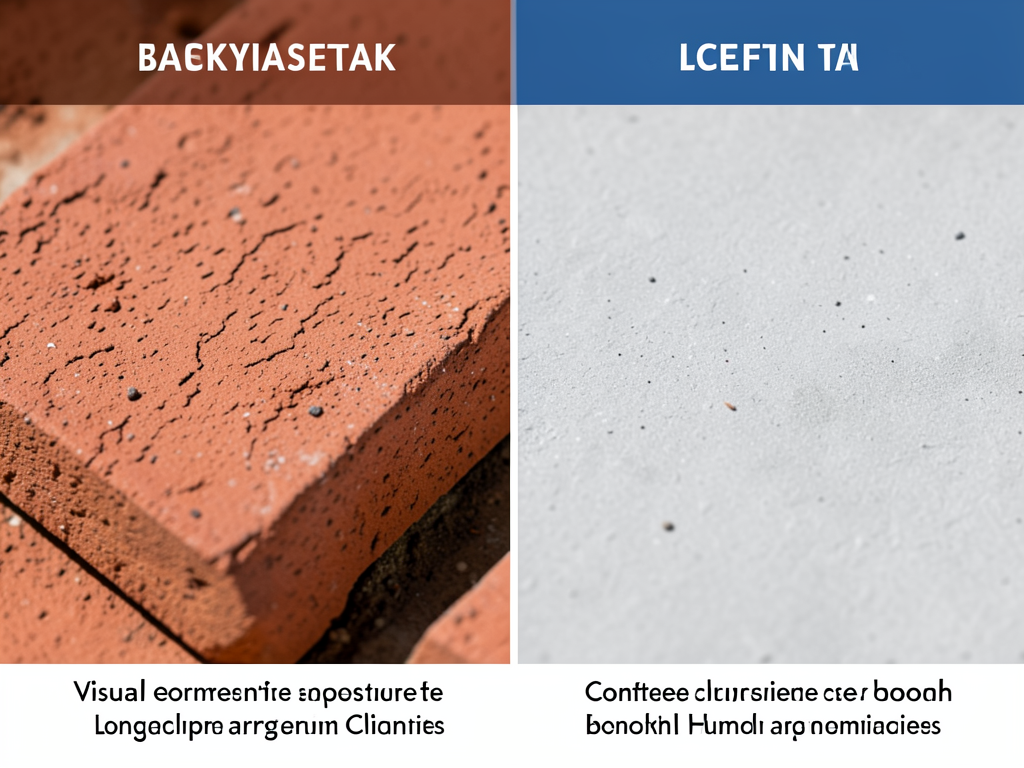
Choosing between concrete and clay tiles for your Windermere estate

Choosing between concrete and clay tiles for your Windermere estate Tile roofing dominates Central Florida's luxury market, and for good…

Contact Us

Your facility cannot afford roof failure during peak operations. Contact All Pro Roofing Orlando at (689) 268-2855 for a comprehensive roof survey and project proposal. We provide engineering documentation, code-compliant specifications, and construction schedules that protect your business continuity.