menu

Granules in Gutter Orlando – Expert Roof Diagnosis Before Small Problems Become Big Leaks

Finding shingle grit in gutters is your roof telling you something important. All Pro Roofing Orlando gives you a clear diagnosis and honest answers about what's normal wear and what signals urgent repair needs.

Slider Image 1
Slider Image 2
Slider Image 3
Slider Image 4
Slider Image 5
Slider Image 7
Slider Image 8
Slider Image 9
Slider Image 10
Slider Image 11

Why You Keep Finding Roof Sand in Your Orlando Gutters

You cleaned your gutters last month. Now they are full of dark, sandy sediment again. You are not imagining it.

Those asphalt shingle particles washing into your downspouts are not dirt. They are the protective granules from your roof surface. Every asphalt shingle uses embedded ceramic-coated granules to deflect UV rays and prevent the petroleum-based mat underneath from degrading. When those granules wash away, your shingles lose their first line of defense.

Orlando's intense subtropical sun accelerates this process. We receive more than 230 days of sunshine annually. Combined with afternoon thunderstorms that dump heavy rain in short bursts, your roof experiences a constant cycle of thermal expansion and water scouring. That combination loosens granules faster than in northern climates.

Some granule loss is normal. New roofs shed excess manufacturing granules during the first year. Roofs nearing the end of their 20 to 25 year lifespan naturally lose adhesion as the asphalt binder oxidizes.

The problem is knowing the difference. A handful of shingle sediment after a storm is expected. Cupfuls of loose granules in downspouts every few weeks signals advanced deterioration. When granules disappear, the asphalt layer underneath becomes exposed to direct sunlight. That layer cracks. Those cracks let water penetrate the decking. That is when you go from a maintenance issue to an emergency repair.

You need someone who can tell you which category you are in without upselling you on a roof you do not need yet.

Why You Keep Finding Roof Sand in Your Orlando Gutters
How We Diagnose Granule Loss and What Comes Next

How We Diagnose Granule Loss and What Comes Next

Most roofers will climb up, glance around, and either tell you everything is fine or that you need a full replacement. Neither answer helps you plan.

All Pro Roofing Orlando uses a systematic inspection protocol. We photograph every slope from multiple angles using high-resolution imaging. We document granule loss patterns, not just total coverage. Granules washing off ridge caps and valleys suggest localized flashing failure. Uniform thinning across all slopes indicates age-related wear. Bare spots in specific zones point to manufacturing defects or installation errors.

We check the decking integrity from the attic side. Granule loss alone does not mandate replacement. Water intrusion does. We look for brown staining on roof sheathing, compressed insulation, and moisture readings above 17 percent. If the decking is dry and structurally sound, you have time to plan.

We measure remaining shingle thickness with a gauge. Asphalt shingles start around 3mm thick. Once they wear below 2mm, they are in the failure zone. We compare your measurements against the expected lifespan for your specific shingle brand and installation date.

We explain what caused the granule loss. Orlando roofs face four common culprits. UV degradation from sun exposure. Thermal cycling from daily temperature swings between 55 and 95 degrees. Wind-driven rain that mechanically scours shingle surfaces. Biological growth like algae that holds moisture against the granule bond.

You get a written report with photos, measurements, and a timeline. If you need repairs, we scope them specifically. If you need replacement, we explain why waiting risks interior damage.

What Happens During Your Roof Assessment

Granules in Gutter Orlando – Expert Roof Diagnosis Before Small Problems Become Big Leaks
01

Initial Visual Inspection

We start from the ground using binoculars to identify obvious problem areas without unnecessary roof traffic. We examine gutter contents to classify the granule type and volume. We check downspout discharge for shingle grit concentration. This gives us a preliminary severity assessment before we ever set foot on your roof, which prevents additional granule displacement from foot traffic on already fragile shingles.
02

Detailed Roof Surface Analysis

We walk every section of your roof using soft-sole boots to avoid further damage. We document bare spots where the asphalt mat shows through. We test shingle flexibility by lifting tab edges to check for brittleness. We inspect flashing penetrations and valleys for rust or separation. We measure the remaining granule density using a adhesion test that shows how much surface protection remains across different roof zones.
03

Findings and Recommendation Report

You receive a detailed report within 24 hours showing exactly where your roof stands. We include annotated photos marking problem areas, granule loss severity maps, and a frank assessment of remaining service life. We explain whether you need targeted repairs, proactive replacement planning, or if your roof still has years left. No pressure tactics. Just clear information so you can make the right financial decision for your timeline.

Why Orlando Homeowners Trust Our Roof Assessments

You have probably already had three roofers knock on your door after the last storm. They all gave you different answers. One said your roof is fine. One said you need total replacement immediately. One handed you a financing brochure before they even climbed the ladder.

All Pro Roofing Orlando does not work that way. We built our reputation on diagnostic accuracy, not high-pressure sales. When we tell you that you need a new roof, you need a new roof. When we tell you that you have five more years, you have five more years.

We understand Orlando's specific roofing challenges because we work here every day. We know that homes near Lake Eola experience higher moisture levels that accelerate algae growth. We know that properties in Baldwin Park with mature oak canopies deal with constant debris abrasion. We know that neighborhoods built during the 2005 construction boom are hitting the 20-year mark where granule loss spikes.

We know how Orange County building officials interpret the Florida Building Code requirements for roof replacement versus repair. We know which shingle manufacturers honor claims for premature granule loss and which ones fight every submission. We know how to document your claim so your insurance adjuster sees exactly what we see.

We also know what granule loss looks like at different failure stages. We have inspected thousands of roofs across Central Florida. We can tell you if your shingle sediment is normal aging or accelerated failure. That experience matters when you are deciding whether to spend money now or wait.

You are not our only customer. You are our neighbor. We stay in business because we give honest assessments that prove accurate two years later.

What to Expect When You Call Us About Granules in Your Gutters

Fast Scheduling and Response

We schedule most inspections within 48 hours of your call. You choose a two-hour arrival window that fits your schedule. We call 30 minutes before arrival so you are not waiting around all day. The inspection itself takes 45 to 90 minutes depending on roof size and complexity. We do not rush. We do not leave until you understand what we found. If you need emergency tarping due to active leaks discovered during inspection, we handle that same day. You get answers quickly because granule loss that exposes underlayment does not wait for convenient scheduling.

Thorough Documentation Process

Every inspection includes time-stamped photographs from multiple angles showing granule loss patterns. We measure and document shingle thickness, decking condition, and flashing integrity. We collect gutter samples showing the granule concentration and type. We provide a written report you can share with insurance adjusters or use for future reference. This documentation proves invaluable if you file a claim or sell your home. You are not relying on memory or vague statements. You have concrete evidence of your roof condition on a specific date with professional observations attached.

Honest Diagnosis and Clear Options

We explain what we found in plain language. You learn whether the granule loss is normal aging, accelerated wear, or manufacturing defect. We outline your options clearly. If repairs will extend your roof life cost-effectively, we recommend repairs. If you are past the repair threshold, we explain why replacement makes financial sense. We provide pricing for both scenarios when applicable. You never feel cornered into immediate decisions. We answer every question until you feel confident about the next step. Our goal is your informed choice, not our quick sale.

Follow-Up and Maintenance Guidance

After your inspection, we provide a customized maintenance schedule based on your roof's current condition. If your shingles still have serviceable life, we tell you what to monitor and when to call us back for re-evaluation. We explain which granule loss patterns signal urgent attention versus normal progression. We offer annual inspection services to track deterioration rates over time. This proactive approach helps you budget for eventual replacement instead of facing surprise emergency costs. We also provide guidance on gutter maintenance frequency to prevent granule buildup that causes overflow and fascia damage.

Frequently Asked Questions

You Have Questions,
We Have Answers

Is it normal to have shingle granules in the gutter? +

Yes, some granule loss is normal, especially on newer roofs. Manufacturing processes leave loose granules that wash off during the first few rain events. You will see a small amount in your gutters after installation. However, Orlando's heavy summer rains and intense UV exposure accelerate wear over time. If you see consistent granule accumulation after the first year, or large bare patches on shingles, the roof may be aging faster than expected. Check for even distribution across all shingles. Concentrated granule loss signals a problem.

How much granule loss is too much? +

If you see bare spots on shingles where the asphalt layer shows through, you have excessive granule loss. A handful of granules in the gutter after storms is normal. However, if you can fill a coffee cup with granules after one rain, or notice multiple shingles with visible black asphalt showing, the roof is failing. Orlando's subtropical climate and afternoon thunderstorms speed up deterioration. Shingles losing more than 30 percent of their granule coating cannot protect your home. Get a professional inspection immediately to assess remaining roof life.

Why is there gravel in my gutters? +

That gravel is actually granules from your asphalt shingles. These ceramic-coated particles protect the asphalt layer from UV damage and weathering. As shingles age, granules detach and wash into gutters during rain. Orlando's intense sun and humidity accelerate this process. New roofs shed some granules initially, but older roofs lose them due to deterioration. Wind-driven rain and thermal cycling from hot days and cooler nights break down the adhesive bond. If you see significant accumulation, your shingles are wearing out and losing their protective coating.

Does granular loss mean I need a new roof? +

Not always, but often. Minor granule loss on roofs under 10 years old may be normal wear. However, significant loss exposing the asphalt layer means the shingles cannot protect your home much longer. Orlando's extreme weather, including hurricane-force winds and UV radiation, shortens roof lifespan. If multiple shingles show bare spots, curling edges, or cracking, replacement is necessary. A professional inspection determines if localized repairs work or if full replacement prevents water damage. Do not wait until leaks start. Exposed asphalt deteriorates rapidly in Florida's climate.

Is granular loss covered by insurance? +

It depends on the cause. Insurance covers granule loss from sudden, covered events like hurricane damage or hail impact. Gradual wear from aging or normal weathering is not covered. Orlando homeowners often file claims after tropical storms or severe weather events. Insurers send adjusters to determine if damage is storm-related or age-related. Document the timeline and take photos immediately after storms. If your roof is older, insurers may depreciate the claim value. Review your policy for actual cash value versus replacement cost coverage before filing.

How to tell if a roofer is lying? +

Be wary of roofers who create urgency without evidence, like claiming your roof will fail immediately without proof. Honest contractors provide detailed inspection reports with photos showing specific damage. Red flags include refusing to provide local references, demanding full payment upfront, or showing up unsolicited after storms. Check contractor licenses through Florida's Department of Business and Professional Regulation. Ask for insurance certificates. If they push unnecessary full replacements when repairs would work, walk away. Get multiple opinions before committing to expensive work, especially in Orlando's competitive roofing market.

How do you fix granule loss on shingles? +

You cannot repair granule loss. Once granules detach from asphalt shingles, they are gone permanently. Shingles rely on their granule coating for UV protection and waterproofing. If loss is localized to a few shingles, replace only those affected sections. However, if granule loss spreads across large areas, full roof replacement is necessary. Some homeowners apply roof coatings to extend life temporarily, but this is a short-term solution. Orlando's harsh climate makes band-aid fixes ineffective. Address granule loss promptly to prevent water infiltration and structural damage to your home.

How old may a roof be before insurance claims it's too old? +

Most Florida insurance companies impose restrictions on roofs over 15 years old. Some insurers refuse coverage entirely on roofs older than 20 years, while others require a professional inspection proving the roof is in good condition. After Hurricane Ian, many insurers tightened policies for older roofs in Orlando and surrounding areas. If your roof passes inspection, you may still face higher premiums or receive only actual cash value coverage instead of replacement cost. Check your policy anniversary date and plan for replacement before hitting the age threshold to maintain full coverage.

What does granular loss look like? +

Granule loss appears as dark or discolored patches on shingles where the black asphalt layer shows through the protective coating. Healthy shingles have uniform color and texture. Look for bald spots, especially on south-facing slopes that receive maximum sun exposure in Orlando. Check gutters and downspouts for granule accumulation that looks like coarse sand or small pebbles. You may also notice shiny areas where UV exposure has degraded the asphalt. From the ground, damaged shingles appear noticeably darker than surrounding areas. Use binoculars to inspect without climbing.

Is gutter damage covered by insurance? +

Gutter damage is covered if caused by a sudden, insured event like wind, falling tree limbs, or hurricane debris. Clogged gutters from granule buildup or normal wear are maintenance issues that insurance does not cover. Orlando homeowners should document storm damage immediately with photos and timestamps. If hurricane winds tear gutters from fascia boards, that qualifies for coverage. However, sagging gutters from years of debris accumulation or rust damage from age are your responsibility. Review your policy's windstorm and hurricane deductibles, which are often higher in Florida.

How Orlando's Climate Accelerates Shingle Granule Loss

Orlando sits in a unique climate zone where subtropical heat meets daily summer thunderstorms. Your roof surface reaches 160 degrees on July afternoons, then drops 40 degrees in minutes when storms roll through. This constant thermal cycling expands and contracts the asphalt binder holding granules in place. After thousands of cycles, that bond weakens. Add in our 50 inches of annual rainfall and you have the perfect conditions for accelerated granule scouring. Central Florida roofs lose granules 30 percent faster than the same shingles installed in Atlanta or Charlotte. That is why finding shingle grit in gutters deserves immediate professional evaluation here, not casual dismissal.

Orange County building codes require specific wind ratings and installation standards that affect long-term granule retention. Roofers unfamiliar with local requirements sometimes skip critical fastening patterns or use inadequate starter strips. These shortcuts create lift points where wind gets under shingles and tears granules loose prematurely. All Pro Roofing Orlando knows exactly how local officials interpret Florida Building Code Chapter 15 for roof inspections. We also understand how to document granule loss for insurance claims with Citizens Property Insurance and other carriers common in this market. That local knowledge protects you from denied claims and failed inspections.
Roofing Services in The Orlando Area

Our service area spans across the Orlando region and beyond, bringing our expert roofing solutions to homes and businesses throughout the community. We are proud to serve our neighbors and are dedicated to providing fast, reliable service right where you are. View our location and our extensive service area on the map below, and feel free to reach out to us directly to see if we can bring our professional roofing services to your neighborhood.

Address:
All Pro Roofing Orlando, 618 E South St, Orlando, FL, 32801

Additional Services We Offer

Our news updates

Latest Articles & News from The Blogs

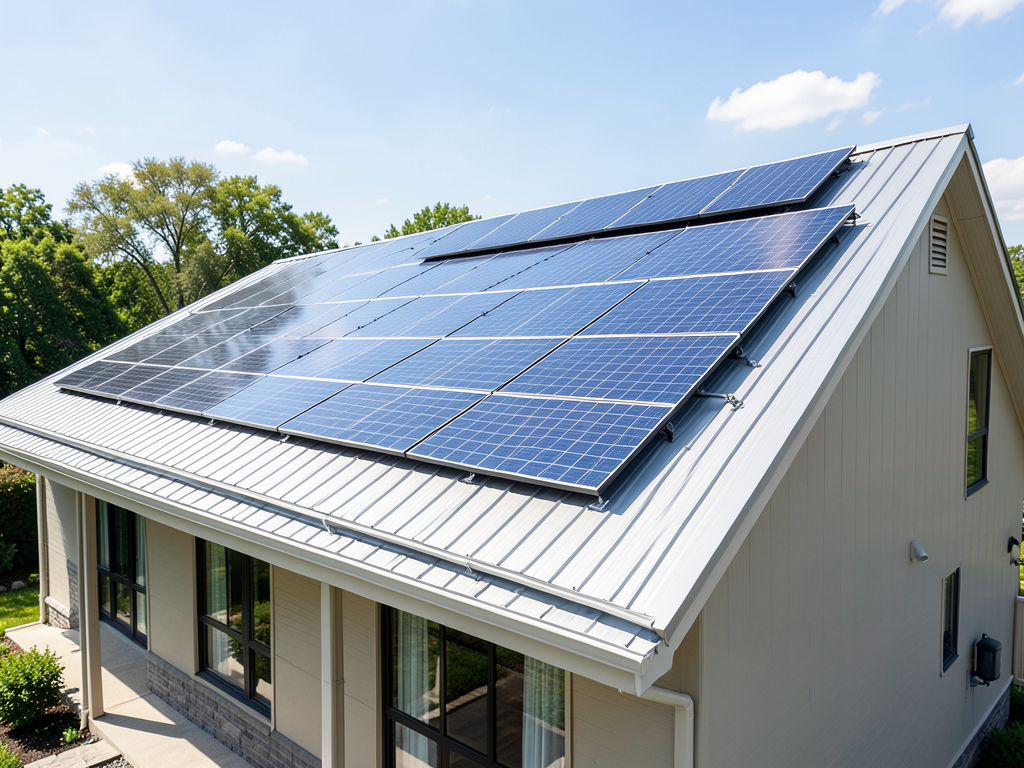
Energy independent roofing in Wedgefield: What works and what doesn't When you live in Wedgefield zip codes 32833 and 32820…

The best roofing setups for energy independent living in the Wedgefield area

Energy independent roofing in Wedgefield: What works and what doesn't When you live in Wedgefield zip codes 32833 and 32820…

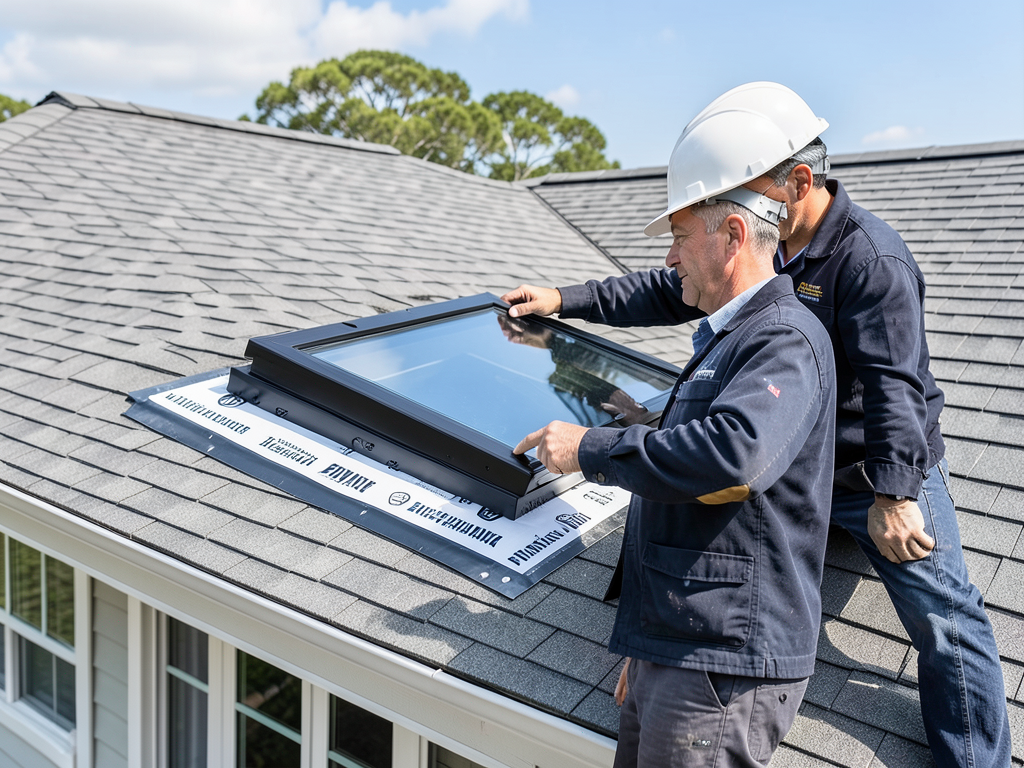
Why replacing your skylights during a full roof job in Bay Hill saves thousands later

Why replacing your skylights during a full roof job in Bay Hill saves thousands later Bay Hill homeowners with aging…

Choosing between concrete and clay tiles for your Windermere estate

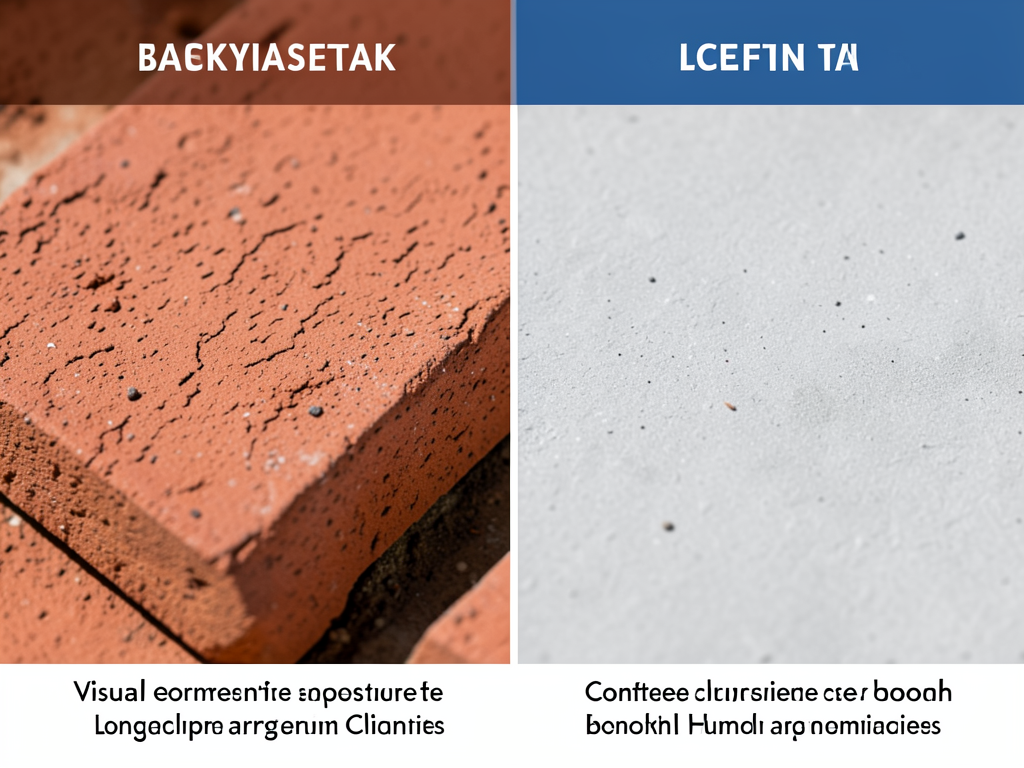
Choosing between concrete and clay tiles for your Windermere estate Tile roofing dominates Central Florida's luxury market, and for good…

Contact Us

Stop wondering if those granules in your gutters mean trouble. Call All Pro Roofing Orlando at (689) 268-2855 today. We will give you a straight answer about your roof condition with no sales pressure. You deserve to know exactly where you stand.