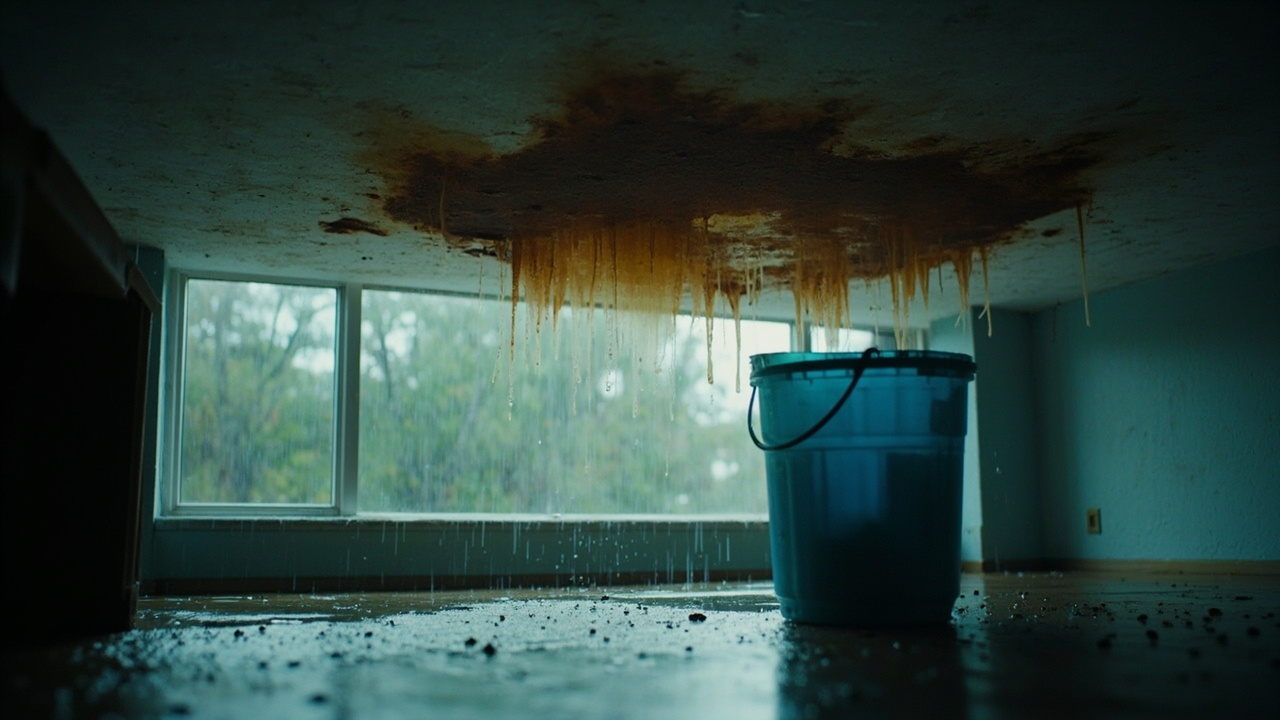

Orlando receives concentrated rainfall during summer months when afternoon convective storms develop rapidly from Gulf moisture. These systems often dump two to four inches in under 90 minutes, overwhelming drainage systems and exposing weaknesses in aging roof assemblies. Homes built before 2000 often lack modern self-adhering underlayment and rely on felt paper that degrades in Florida's heat and humidity. When a sudden downpour hits, water finds every gap in deteriorated shingles, cracked flashing, and brittle valley linings. This explains why ceiling leaks appear suddenly during storms even if your roof looked fine the day before.
Orlando building codes require specific wind and water resistance standards following decades of hurricane exposure, but many older roofs predate these requirements. Working with a local roofing contractor who understands Orange County permitting, Florida Building Code Chapter 15 requirements, and the unique vulnerabilities of Central Florida roof systems ensures that emergency repairs meet code and that permanent solutions are engineered for long-term storm resilience. Local knowledge also means familiarity with the common architectural styles in neighborhoods like Winter Park, Maitland, and Conway, where historic homes require sensitive repair approaches that preserve character while improving weather resistance.