menu

Commercial Roof Coatings in Orlando – Minimize Downtime with Industrial-Grade Restoration Systems

Protect your facility with liquid applied roofing and elastomeric roof coatings engineered to withstand Central Florida's extreme UV exposure, torrential rainfall, and hurricane-force winds while extending your roof's service life and reducing capital expenditure.

Slider Image 1
Slider Image 2
Slider Image 3
Slider Image 4
Slider Image 5
Slider Image 7
Slider Image 8
Slider Image 9
Slider Image 10
Slider Image 11

Why Orlando's Climate Demands Industrial Roof Coatings

Your commercial flat roof absorbs relentless UV radiation 365 days per year in Orlando. The combination of intense sunlight, afternoon thunderstorms dumping inches of rain in minutes, and humidity levels consistently above 70 percent creates a punishing environment for conventional roofing membranes. Every thermal cycle expands and contracts your substrate. Every storm tests your drainage systems. Every delay in maintenance compounds the deterioration.

Most facility managers discover the damage after ponding water appears or interior leaks disrupt operations. By that point, membrane degradation has accelerated. What started as minor surface erosion becomes structural vulnerability. Traditional tear-off and replacement shuts down operations for weeks and generates disposal costs that strain budgets.

Commercial roof restoration systems offer a different approach. Elastomeric roof coatings create a monolithic barrier that flexes with thermal movement, reflects solar heat to reduce cooling loads, and seals vulnerable penetrations without removing the existing substrate. Industrial roof coatings restore watertight integrity while your building remains operational. For warehouses along the 528 corridor or manufacturing facilities near Orlando International Airport, this means zero production interruption.

The question is not whether your roof needs protection. Central Florida's subtropical climate guarantees membrane stress. The question is whether you address it strategically with liquid applied roofing before emergency repairs force reactive spending and operational chaos.

Why Orlando's Climate Demands Industrial Roof Coatings
How Commercial Roof Restoration Systems Extend Asset Life

How Commercial Roof Restoration Systems Extend Asset Life

We perform substrate analysis before recommending any coating system. A moisture survey using infrared thermography identifies saturated insulation. Core samples determine membrane compatibility. Adhesion testing confirms the existing substrate can support the coating weight and bond strength required for wind uplift resistance in Orlando's hurricane zone.

Once we verify structural integrity, surface preparation begins. We power wash to remove biological growth, dirt, and chalking. All seams, fasteners, and penetrations receive reinforcing fabric embedded in base coat. This step is critical. Most coating failures originate at detail transitions where movement concentrates stress. We treat these areas as independent waterproofing zones.

The base coat application rate varies by substrate porosity. Single-ply membranes require different coverage than modified bitumen or metal panels. We apply material at manufacturer-specified wet mil thickness, verified with wet film gauges at multiple locations. This precision prevents thin spots that compromise performance.

Top coat application occurs after the base coat cures. Elastomeric roof coatings in the finish layer provide UV stability and reflectivity. Light colors with solar reflectance index values above 100 reduce membrane surface temperature by 50 degrees compared to dark substrates. This thermal reduction lowers cooling costs and slows oxidative aging.

The result is a fully adhered, seamless membrane with elongation properties that accommodate building movement. For facilities with rooftop HVAC units, ductwork, or solar arrays, liquid applied roofing integrates these penetrations into the waterproofing system without creating future leak points.

What Happens During Your Coating Application

Commercial Roof Coatings in Orlando – Minimize Downtime with Industrial-Grade Restoration Systems
01

Comprehensive Roof Assessment

We inspect your entire roof system to identify moisture infiltration, structural defects, and coating compatibility issues. Our team documents existing conditions with photos and thermal imaging, then provides a detailed report outlining substrate preparation requirements, estimated coverage rates, and application scheduling that aligns with your operational calendar to prevent business disruption.
02

Surface Preparation and Priming

Proper adhesion requires clean, dry substrates. We pressure wash to remove contaminants, repair damaged areas, and install reinforcing fabric at all transitions. Primer application rates are calculated based on substrate porosity. We schedule this phase during dry weather windows, monitoring humidity and temperature to ensure optimal curing conditions before top coat installation begins.
03

Final Coating and Inspection

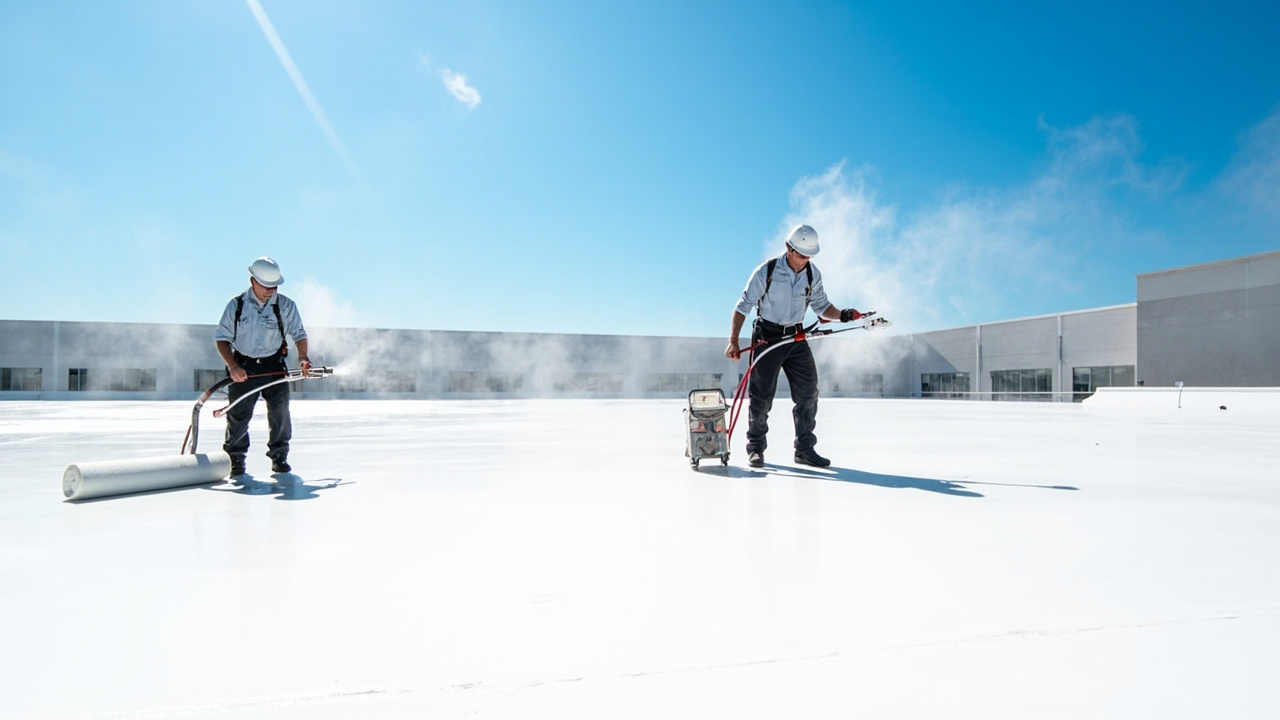
We apply elastomeric roof coatings at specified thickness using airless spray equipment calibrated for consistent coverage. Each section receives quality control checks with wet film gauges. After curing, we perform a final walkthrough to verify uniform coverage, proper detailing at penetrations, and complete edge termination. You receive documentation of material quantities and coverage rates for warranty activation.

Why Orlando Facility Managers Choose All Pro Roofing Orlando

Central Florida's building codes reflect the region's exposure to high-velocity hurricane zones. Commercial roof coatings must meet Miami-Dade NOA specifications for wind uplift and pass ASTM testing for tensile strength, elongation, and water resistance. We specify only systems with Florida Building Code approval and provide the documentation you need for permitting and insurance compliance.

Our experience with Orlando's commercial building stock matters. We understand the challenges of coating metal roofs on pre-engineered buildings common in the Research Park area. We know how to detail parapet walls on tilt-up concrete warehouses in the Airport North district. We have coated TPO membranes on medical office buildings near Lake Nona and restored modified bitumen on retail centers along International Drive.

This local knowledge translates to accurate project timelines. We account for afternoon thunderstorms that suspend application between June and September. We schedule around your peak business periods. For cold storage facilities, we coordinate with your refrigeration schedules to prevent condensation issues during coating.

You also gain access to infrared drone surveys that identify problem areas invisible from ground level. Thermal imaging reveals wet insulation, air leaks, and membrane separations before they cause interior damage. This diagnostic capability prevents costly surprises during substrate preparation.

All Pro Roofing Orlando maintains relationships with commercial coating manufacturers, which means access to technical support, product warranties, and material availability when you need it. For multi-location portfolio managers, we provide consistent quality across your Central Florida properties with standardized processes and reporting.

What Your Commercial Roof Coating Project Includes

Project Timeline and Scheduling

Most commercial roof restoration systems require 3 to 7 days depending on roof area, substrate condition, and required repairs. We break the project into phases that allow partial roof access if needed for equipment service or deliveries. Application schedules account for manufacturer-specified recoat windows and weather limitations. You receive a detailed timeline before work begins, with daily updates on progress. For facilities requiring night or weekend work to avoid operational disruption, we adjust crew schedules accordingly.

Pre-Application Roof Analysis

Our evaluation identifies moisture trapped in insulation, failed seams, and structural deficiencies that compromise coating performance. We perform core samples to verify substrate layers and adhesion testing to confirm compatibility. Infrared thermography maps wet areas requiring repair or replacement before coating. This diagnostic phase prevents premature coating failure and ensures you invest in a roof system that delivers the projected service life. You receive a written assessment with repair recommendations and material specifications.

Installed System Performance

Properly installed industrial roof coatings create a seamless, flexible membrane that bridges substrate joints and accommodates thermal movement. Reflective top coats reduce surface temperature, lowering cooling loads and extending membrane life. The monolithic barrier eliminates leak paths at seams and fasteners common in mechanically attached systems. You gain a waterproof assembly with improved energy efficiency and resistance to ponding water, biological growth, and UV degradation. Material certifications and installation documentation support warranty activation.

Post-Installation Support and Maintenance

Commercial roof coatings require periodic inspection to maintain performance and warranty coverage. We provide maintenance protocols that include semi-annual inspections, debris removal, and drain clearance. Our team documents roof condition with photos and identifies minor repairs before they escalate. For facilities with warranty requirements, we supply the inspection records and maintenance logs needed for compliance. Recoat recommendations are based on actual wear patterns, not arbitrary timelines, helping you budget for long-term asset management.

Frequently Asked Questions

You Have Questions,
We Have Answers

How much does commercial roof coating cost? +

Commercial roof coating costs depend on roof size, substrate condition, coating type, and accessibility. Pricing varies by square footage, with larger roofs reducing per-unit costs. In Orlando, tropical humidity and UV exposure influence material selection, which impacts pricing. Acrylic systems differ from silicone or urethane options. Labor, surface preparation, repairs, and multiple coat applications add to total investment. Most commercial projects require professional assessment to identify substrate damage, ponding water issues, and coating compatibility. Request detailed proposals that break down material versus labor costs. ROI comes from energy savings, extended roof life, and reduced HVAC load in Florida's heat.

What type of roof coating is best? +

The best commercial roof coating depends on your substrate, climate exposure, and business priorities. Silicone excels in Orlando's wet climate, resisting ponding water and UV degradation without chalking. Acrylic offers lower cost and reflectivity but requires dry conditions during application. Urethane provides superior impact resistance and works well under foot traffic. For flat roofs with drainage issues common in Central Florida, silicone performs reliably. Metal roofs benefit from elastomeric systems that accommodate thermal expansion. Evaluate your roof's material, slope, and maintenance access. Professional assessment determines which coating maximizes service life and minimizes business disruption.

What is seal best roof coating? +

Seal Best is a brand of elastomeric roof coatings designed for waterproofing and weatherproofing applications. These acrylic-based products create flexible, protective membranes over existing roof surfaces. In Orlando's subtropical environment, elastomeric coatings must handle thermal cycling, afternoon thunderstorms, and intense UV radiation. Seal Best formulations offer reflectivity to reduce cooling costs, a critical factor for commercial buildings facing Florida's prolonged cooling season. Application requires proper surface preparation, clean substrates, and favorable weather conditions. Consult with coating specialists familiar with Orlando building codes and hurricane wind load requirements before selecting any specific product line for your commercial property.

What is the best commercial roofing material? +

The best commercial roofing material balances lifespan, maintenance requirements, and upfront investment. TPO and EPDM single-ply membranes dominate Orlando's commercial market due to heat reflectivity and proven performance in humid climates. Modified bitumen offers durability for low-slope applications. Metal roofing handles wind uplift during hurricane season and lasts decades with minimal maintenance. Built-up roofing provides redundancy through multiple layers. For warehouses and industrial facilities, spray polyurethane foam offers insulation and seamless waterproofing. Orlando's code requirements, roof slope, building use, and HVAC efficiency goals determine optimal material selection. Professional evaluation considers wind zone ratings and Florida-specific performance standards.

How many years does roof coating last? +

Commercial roof coatings last 10 to 20 years depending on product type, application quality, and maintenance. Silicone systems often reach 15 to 20 years in Orlando's climate because they resist UV breakdown and ponding water. Acrylic coatings may require recoating every 10 to 12 years, particularly on roofs with poor drainage. Urethane coatings fall in the middle range. Service life depends on proper surface preparation, correct mil thickness, and addressing underlying substrate issues before application. Regular inspections and minor touch-ups extend performance. Orlando's intense sun and frequent rain accelerate coating degradation compared to drier climates, making maintenance critical.

Can roofers make 100k a year? +

Experienced commercial roofers in Orlando can earn over 100k annually through specialized skills, project management roles, or business ownership. Foremen, estimators, and certified applicators for spray foam or coating systems command higher wages. Commercial roofing demands expertise in safety protocols, code compliance, and material specifications beyond residential work. Orlando's construction activity, driven by tourism infrastructure and commercial development, supports steady demand. Hurricane season creates emergency service opportunities. Earning potential increases with manufacturer certifications, OSHA training, and experience with complex flat roof systems. Independent contractors managing crews and securing commercial contracts reach six-figure income through volume and efficiency.

Which is better, silicone or elastomeric roof coating? +

Silicone roof coating outperforms elastomeric acrylic in Orlando's wet climate due to superior water resistance and UV stability. Silicone maintains elasticity without chalking, handles ponding water without degradation, and requires no recoating to sustain performance. Elastomeric acrylic costs less upfront and offers higher reflectivity but absorbs moisture and needs dry conditions during application. For commercial roofs with drainage issues or flat sections common in Central Florida, silicone provides longer service life. Elastomeric works well on properly draining roofs where budget constraints exist. Evaluate your roof's water management, budget timeline, and maintenance capacity when choosing between these coating technologies.

How much does Rhino RV roof coating cost? +

Rhino RV roof coating is a recreational vehicle product not typically used for commercial building applications. This question falls outside commercial roofing scope. Commercial facilities require ASTM-tested systems engineered for structural loads, fire ratings, and wind uplift resistance per Florida Building Code. RV coatings address vehicle-specific flexing, weight constraints, and mobile conditions. If you manage a fleet or RV storage facility in Orlando, consult specialized contractors familiar with mobile equipment coatings. For your commercial building envelope, focus on architectural-grade silicone, acrylic, or urethane systems designed for stationary structures and verified through commercial warranty programs.

What is better, TPO or EPDM? +

TPO and EPDM both perform well in Orlando's commercial market but serve different priorities. TPO offers heat-welded seams, higher reflectivity, and better energy efficiency for buildings focused on cooling cost reduction. EPDM provides proven longevity, easier repairs, and lower material cost but absorbs more heat. For facilities prioritizing HVAC savings in Florida's extended cooling season, TPO reduces thermal load. EPDM suits warehouses or covered storage where interior climate control matters less. Both handle Orlando's humidity and resist mold growth. Wind uplift ratings, roof slope, and attachment method influence performance during hurricane season. Professional assessment determines which membrane aligns with operational needs.

Is urethane or silicone roof coating better? +

Urethane and silicone coatings serve different commercial roofing needs in Orlando. Silicone excels in moisture resistance, UV stability, and ponding water tolerance, making it ideal for flat roofs with drainage challenges. Urethane offers superior impact resistance, abrasion tolerance, and adhesion, suited for roofs with foot traffic or mechanical equipment. Urethane requires a topcoat for UV protection, adding application complexity. Silicone applies as a single system. For Central Florida's frequent afternoon storms and standing water issues, silicone provides long-term reliability. For rooftop equipment maintenance access or high-traffic areas, urethane's durability justifies the additional coating layer. Assess your roof's usage patterns and water management.

How Orlando's Hurricane Risk Impacts Commercial Roof Coating Specifications

Orlando sits in the central Florida peninsula where converging weather patterns create the highest lightning density in North America and hurricane tracks threaten from both coasts. Commercial roof restoration systems must meet wind uplift requirements based on building height, roof slope, and distance from the coast. Liquid applied roofing achieves superior wind resistance compared to mechanically fastened systems because the coating bonds directly to the substrate across the entire surface area. This continuous adhesion prevents membrane billowing and edge lifting during wind events. Facilities near the I-4 corridor face exposure category C wind loads, requiring coating systems tested to ASTM D6083 standards for hurricane zones.

Orange County building officials require sealed engineering calculations for commercial roof coatings on buildings over 10,000 square feet. We work with Florida-licensed engineers who specify systems meeting Florida Building Code Chapter 15 requirements for recovering existing roofs. This ensures your coating project passes inspection and maintains your building's certificate of occupancy. Local expertise matters when navigating permit requirements, understanding allowable roof loading for equipment, and coordinating with your property insurance carrier about system upgrades that may reduce premiums or satisfy underwriting requirements after claims.
Roofing Services in The Orlando Area

Our service area spans across the Orlando region and beyond, bringing our expert roofing solutions to homes and businesses throughout the community. We are proud to serve our neighbors and are dedicated to providing fast, reliable service right where you are. View our location and our extensive service area on the map below, and feel free to reach out to us directly to see if we can bring our professional roofing services to your neighborhood.

Address:
All Pro Roofing Orlando, 618 E South St, Orlando, FL, 32801

Additional Services We Offer

Our news updates

Latest Articles & News from The Blogs

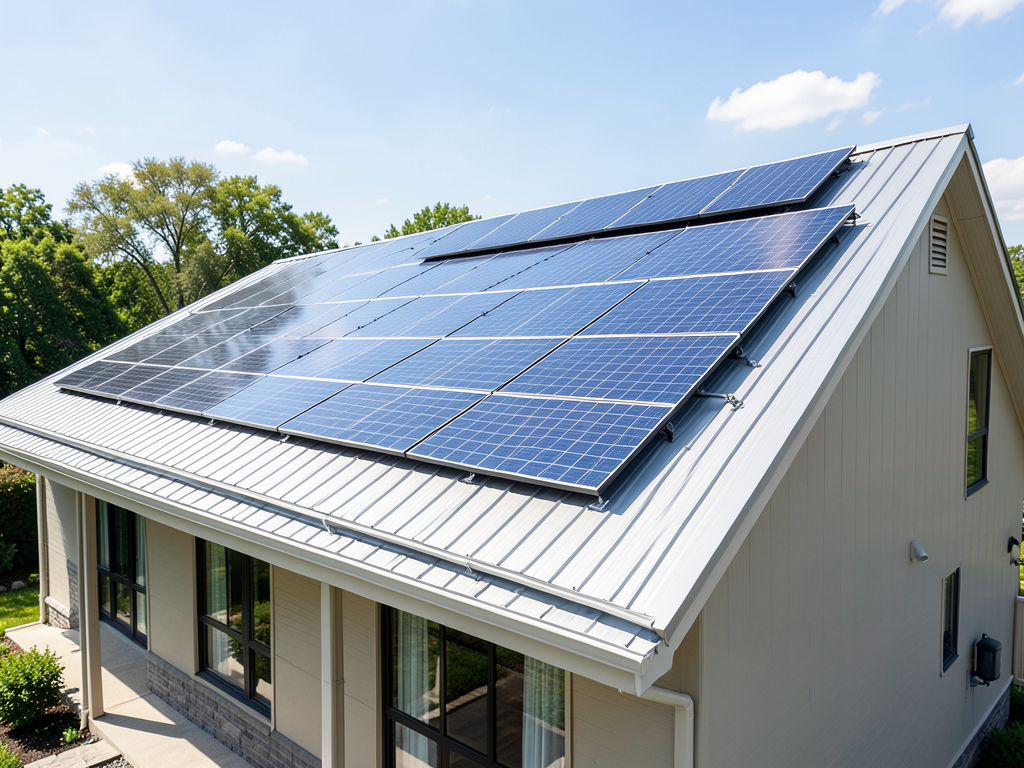
Energy independent roofing in Wedgefield: What works and what doesn't When you live in Wedgefield zip codes 32833 and 32820…

The best roofing setups for energy independent living in the Wedgefield area

Energy independent roofing in Wedgefield: What works and what doesn't When you live in Wedgefield zip codes 32833 and 32820…

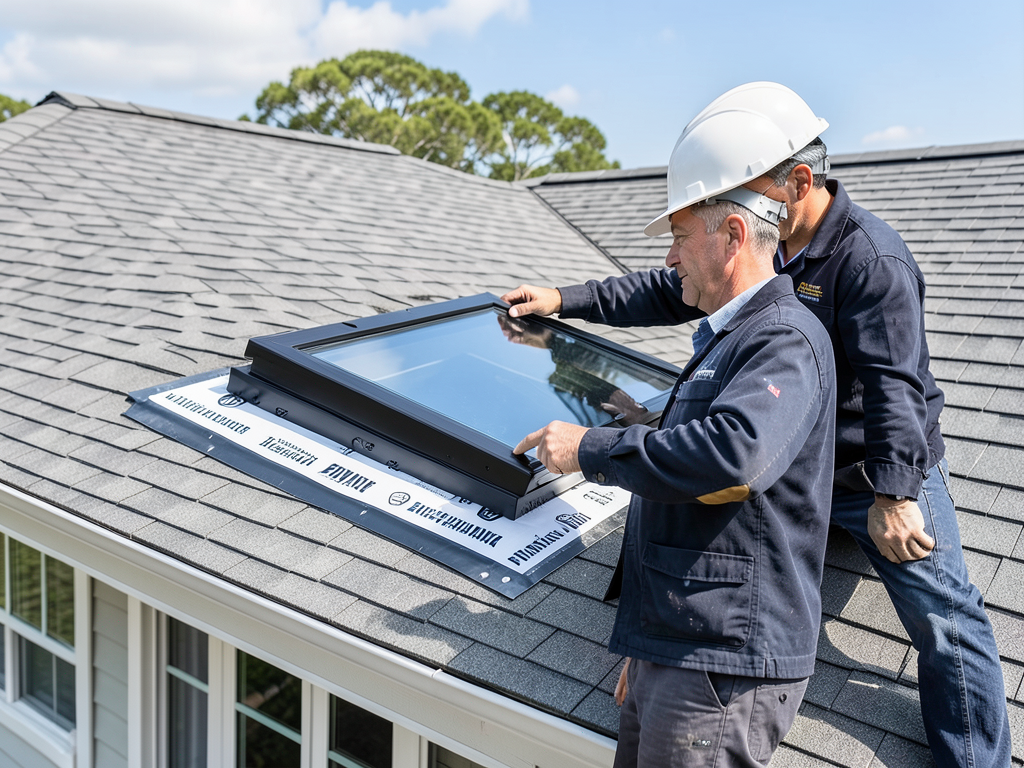
Why replacing your skylights during a full roof job in Bay Hill saves thousands later

Why replacing your skylights during a full roof job in Bay Hill saves thousands later Bay Hill homeowners with aging…

Choosing between concrete and clay tiles for your Windermere estate

Choosing between concrete and clay tiles for your Windermere estate Tile roofing dominates Central Florida's luxury market, and for good…

Contact Us

Contact All Pro Roofing Orlando at (689) 268-2855 for a roof assessment and coating system recommendation. We provide detailed proposals with material specifications, installation timelines, and budget-friendly options that extend your roof's service life while maintaining business continuity.