
Choosing between concrete and clay tiles for your Windermere estate
Tile roofing dominates Central Florida’s luxury market, and for good reason. The subtropical climate demands materials that can withstand intense UV radiation, hurricane-force winds, and rapid temperature fluctuations. For Windermere homeowners considering a tile roof replacement, the choice often comes down to two premium options: concrete or clay. Both offer distinctive aesthetics and proven durability, but understanding their performance differences in Orlando’s specific conditions will help you make the right investment for your estate. Florida Building Code requirements.
Concrete vs clay roof tiles: At-a-glance comparison
| Feature | Concrete Tiles | Clay Tiles |
|---|---|---|
| Lifespan | 30-50 years | 50-100+ years |
| Weight per square | 900-1200 lbs | 800-1000 lbs |
| Orlando installed cost | $8,000-$12,000 | $12,000-$18,000 |
| Color retention | Good with sealant | Excellent (fired-in) |
| Wind resistance | Up to 150 mph | Up to 180 mph |
| Algae resistance | Sealed surface | Porous surface |
The heritage option: Clay tile roofing
Clay tiles have adorned Mediterranean and Spanish-style architecture for centuries. In Windermere’s upscale neighborhoods, they remain the preferred choice for homeowners seeking authentic Old World charm. These tiles are created by firing natural clay at temperatures exceeding 2,000°F, which vitrifies the material and creates the characteristic earthy tones that range from terracotta red to subtle earth browns.
The manufacturing process for clay tiles involves pressing wet clay into molds, then firing them in kilns. This creates a dense, non-combustible material that naturally resists fire and insects. The color in clay tiles is not a surface coating but rather the result of mineral content in the clay itself, which means the color penetrates throughout the tile thickness.
In Orlando’s climate, clay tiles demonstrate exceptional performance. Their natural thermal mass helps regulate attic temperatures by absorbing heat during the day and releasing it slowly at night. This characteristic can reduce cooling costs by 5-10% compared to asphalt shingles. The curved or barrel shape of traditional clay tiles also creates air channels that promote ventilation under the tiles, further enhancing cooling efficiency.
However, clay tiles come with specific considerations. They are more brittle than concrete and can crack if walked on improperly. In Florida’s high-humidity environment, the porous nature of clay makes them susceptible to algae and moss growth if not properly maintained. Most manufacturers now apply water-repellent sealers to combat this issue, but these require periodic reapplication every 5-7 years.
The weight of clay tiles presents another factor. At approximately 900-1000 pounds per square (100 square feet), they require a structurally sound roof deck. Homes built before 2000 may need reinforcement to support this load, especially in Windermere where many estates feature expansive roof areas.
The modern alternative: Concrete tile roofing
Concrete tiles emerged in the mid-20th century as a more affordable alternative to clay while maintaining similar aesthetic appeal. Made from a mixture of cement, sand, and water, these tiles are molded under high pressure and often finished with a slurry coating that can mimic the appearance of clay or create entirely new color options.
The manufacturing process for concrete tiles allows for greater design flexibility. Manufacturers can produce flat tiles that resemble slate, interlocking patterns that create clean lines, or traditional barrel shapes that echo clay tiles. The slurry coating can be formulated with UV-resistant pigments that maintain color for 15-20 years before requiring maintenance.
In Central Florida’s harsh climate, concrete tiles offer several advantages. They are more impact-resistant than clay, making them better suited to withstand hail and wind-borne debris during hurricane season. The denser composition also provides superior sound insulation, reducing noise from afternoon thunderstorms that are common in Windermere.
Concrete tiles typically cost 20-30% less than comparable clay tiles, making them attractive for homeowners who want the tile look without the premium price tag. The installation process is also more forgiving since concrete tiles can be walked on during installation without the same risk of breakage as clay.
However, concrete tiles have shorter lifespans than clay, typically lasting 30-50 years with proper maintenance. They are also more susceptible to efflorescence, a white powdery substance that can appear on the surface due to mineral migration. This is particularly noticeable in Florida’s humid climate and may require cleaning every few years.
The Florida factor: How Orlando’s climate affects your tile choice
Windermere’s location in Central Florida creates specific challenges for roofing materials. The combination of high humidity, intense UV exposure, and hurricane threats means your tile selection must perform under extreme conditions that other regions simply don’t experience. Is Solar Roofing Actually Worth the Investment for Orlando Residents?.
UV radiation in Florida is among the highest in the continental United States. Clay tiles, with their fired-in color, maintain their appearance better under this intense sun. Concrete tiles, while treated with UV-resistant coatings, may show fading after 10-15 years, particularly in darker colors that absorb more heat.
Humidity presents another critical factor. Orlando’s average relative humidity exceeds 70% for much of the year, creating perfect conditions for algae growth. Clay tiles, being more porous, can develop black streaks from Gloeocapsa magma algae within 3-5 years if not treated. Concrete tiles, with their sealed surfaces, resist algae growth longer but may develop efflorescence that requires cleaning.
Hurricane resistance is perhaps the most crucial consideration for Windermere homeowners. The Florida Building Code requires specific wind ratings for roofing materials, with many Orlando areas falling under High-Velocity Hurricane Zone (HVHZ) requirements. Both concrete and clay tiles can meet these standards when properly installed, but clay tiles typically achieve higher wind ratings due to their weight and interlocking design. Best Roofing Materials for Older Bungalows in Thornton Park.
Temperature fluctuations in Central Florida create thermal stress on roofing materials. Afternoon thunderstorms can drop temperatures by 20°F in minutes, causing expansion and contraction. Concrete tiles handle this thermal cycling better than clay due to their higher flexibility, though both materials perform adequately when installed with proper expansion joints. TPO vs EPDM Roofing Guide.
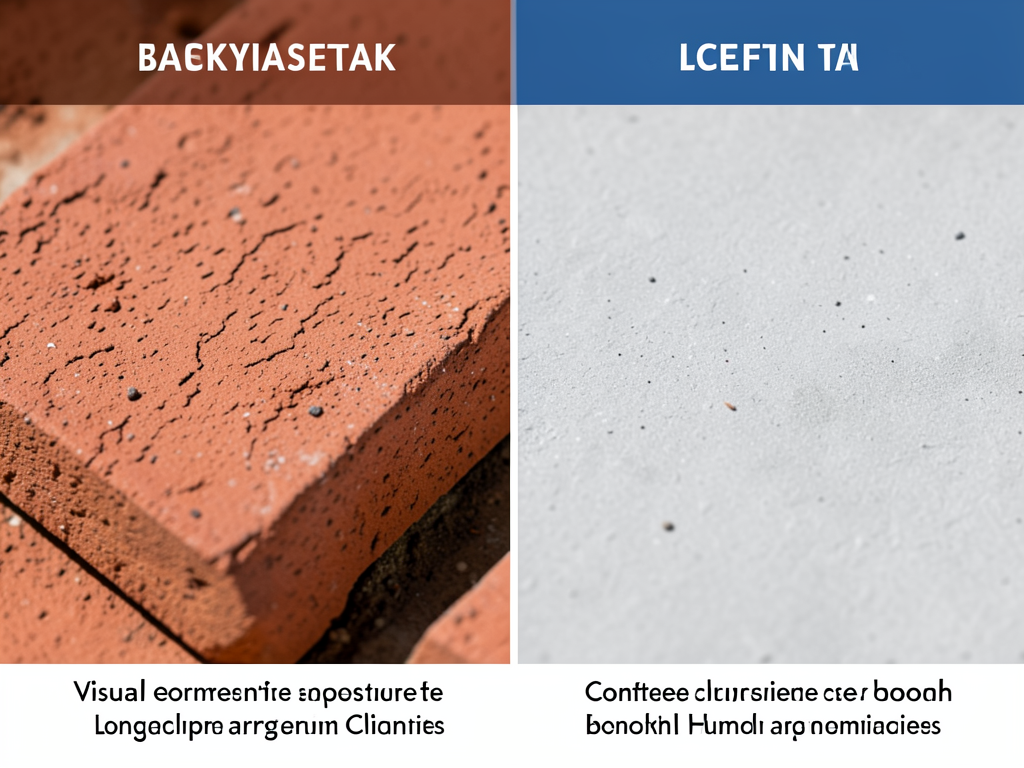
Image description: Close-up comparison showing clay tile’s fired surface texture versus concrete tile’s smooth slurry coating, highlighting the visual differences that affect long-term appearance in humid climates.
Investment analysis: Long-term costs in the Orlando market
The initial price difference between concrete and clay tiles is significant, but the total cost of ownership extends far beyond the installation invoice. Understanding the full financial picture helps Windermere homeowners make informed decisions about their roofing investment. Choosing Between Shingle and Tile Roofs for Your Central Florida Home.
Installation costs for tile roofing in Orlando typically range from $8,000 to $18,000 per square, depending on material choice, roof complexity, and contractor expertise. Clay tiles command premium pricing due to their weight, which requires additional labor for handling and specialized installation techniques. Concrete tiles install more quickly and with less specialized labor, reducing overall project costs.
Structural considerations add another layer of cost analysis. Homes built before 2010 may require roof deck reinforcement to support tile weight. This reinforcement can add $3,000 to $8,000 to the project cost. A structural engineer must evaluate your home’s framing system, particularly if you’re replacing an existing lightweight roof with tile.
Maintenance costs vary significantly between the two materials. Clay tiles require periodic cleaning to remove algae and debris, typically every 2-3 years at a cost of $300-$500 per cleaning. The sealer applied to most modern clay tiles needs reapplication every 5-7 years at approximately $1,500 per application. Concrete tiles require less frequent cleaning but may need efflorescence removal every 3-4 years.
Insurance considerations also affect long-term costs. Many Florida insurance companies offer premium discounts for tile roofing due to its superior wind and fire resistance. These discounts can offset 10-15% of annual premiums, potentially saving $200-$400 per year on a typical Windermere home.
Energy efficiency provides another financial benefit. Both tile types create an air gap between the tile and roof deck, reducing heat transfer into the attic. This can lower cooling costs by 5-8% annually. In Orlando’s climate, where air conditioning runs nearly year-round, this translates to $150-$300 in annual savings.
Maintenance requirements: Keeping your tile roof in peak condition
Tile roofing requires different maintenance approaches than traditional asphalt shingles. Understanding these requirements helps Windermere homeowners protect their investment and extend roof life.
Annual inspections are crucial for tile roofs. A professional should examine the underlayment, flashing, and tile condition each spring before hurricane season. Look for cracked tiles, loose mortar, or damaged underlayment. Early detection of these issues prevents costly water damage inside your home. Reliable Roof Inspection Services for Home Buyers in Winter Garden.
Cleaning schedules depend on your material choice. Clay tiles in shaded areas may develop algae within 18-24 months. Professional cleaning using low-pressure washing and EPA-approved biocides removes algae without damaging the tiles. This process costs $0.25-$0.35 per square foot and should be performed every 2-3 years. EPA guidelines for roofing materials.
Concrete tiles require different maintenance. Efflorescence cleaning removes the white mineral deposits that form on the surface. This process uses specialized cleaners that dissolve the mineral buildup without etching the concrete. Most concrete tile roofs need this treatment every 3-4 years at a cost of $0.20-$0.30 per square foot.
Gutter maintenance becomes more critical with tile roofing. The weight of tiles makes them more susceptible to damage from overflowing gutters. Clean gutters quarterly and ensure downspouts direct water at least 5 feet from your foundation. This prevents both roof damage and potential foundation issues common in Windermere’s sandy soil.
Tree maintenance also affects tile roof longevity. Overhanging branches drop debris that traps moisture against tiles, accelerating deterioration. Keep branches trimmed at least 10 feet from your roof surface. This also reduces the risk of branches falling during storms and damaging tiles.
Professional maintenance should include underlayment inspection. Tile roofs rely on the underlayment for waterproofing, as tiles primarily provide impact protection. The underlayment typically needs replacement every 20-25 years, even if tiles remain in good condition. This process, called a “lift and reroof,” costs approximately $3,000-$5,000 for a typical Windermere estate.
Making your final decision: Factors specific to Windermere estates
Windermere’s unique characteristics as an upscale community influence tile roofing decisions. The architectural guidelines in many gated communities favor traditional materials, with clay tiles often specified for Mediterranean and Spanish Colonial homes. However, concrete tiles that closely mimic clay have gained acceptance in recent years.
Property values in Windermere often exceed $1 million, making roofing decisions part of long-term investment strategy. Clay tiles, with their superior longevity and authentic appearance, typically provide better return on investment for high-end properties. The 50-100 year lifespan means your roof may outlast multiple ownership changes.
Energy efficiency considerations carry particular weight in Florida’s climate. Both tile types offer superior insulation compared to asphalt shingles, but clay’s natural thermal mass provides slightly better performance. This can translate to $200-$400 in annual cooling savings, which compounds over the roof’s lifetime.
Insurance requirements in hurricane-prone areas favor tile roofing. Many insurers require specific installation methods and wind ratings for coverage. Both concrete and clay can meet these requirements, but the installation quality becomes critical. Choose a contractor experienced with Florida’s wind mitigation requirements and familiar with Windermere’s specific building department standards.
Resale considerations also matter. Potential buyers in Windermere often research roofing materials before making offers. A well-maintained tile roof, particularly clay in traditional colors, can differentiate your property in a competitive market. The premium appearance and documented longevity appeal to buyers seeking quality construction.
Environmental considerations increasingly influence homeowner decisions. Both tile types are made from natural materials and are fully recyclable at end of life. Clay tiles have a slight edge in sustainability due to their longer lifespan and the fact that they require no chemical sealers or treatments during manufacturing or use.
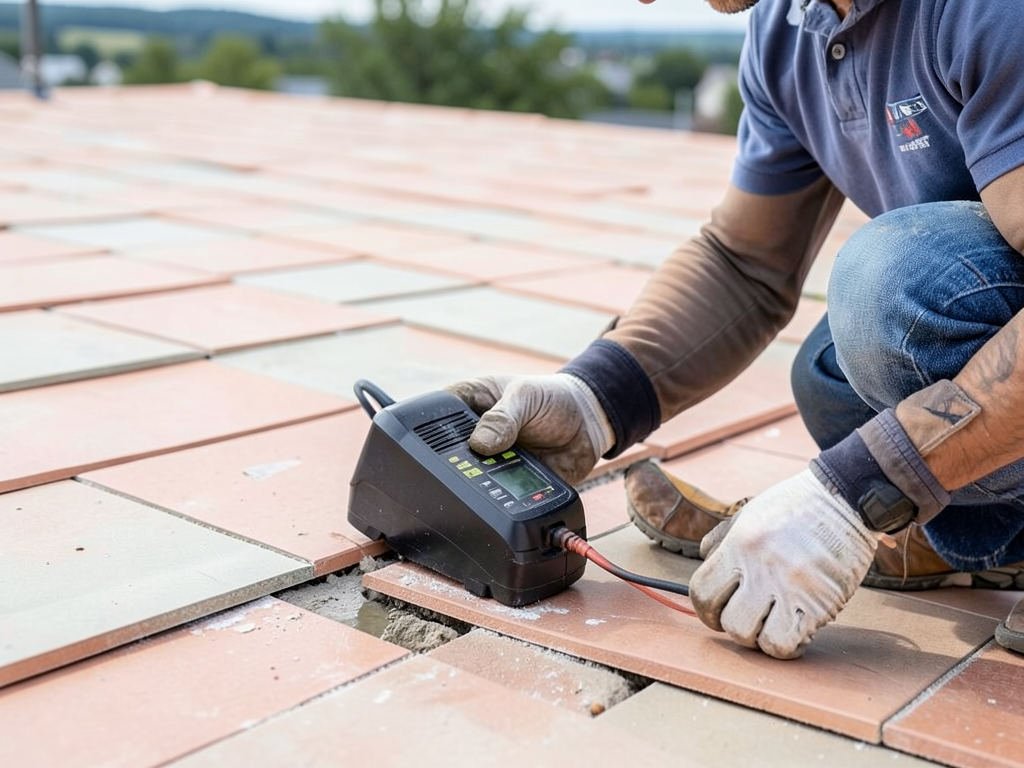
Image description: Technician performing moisture meter testing on tile underlayment to diagnose potential water intrusion points, demonstrating the diagnostic approach needed for tile roof maintenance.
Installation considerations: Finding the right contractor
Tile roofing installation requires specialized skills that differ significantly from asphalt shingle work. The weight of materials, specific fastening requirements, and need for proper underlayment make contractor selection critical for long-term performance.
Florida requires roofing contractors to hold specific licenses and insurance. Verify your contractor carries both general liability and workers’ compensation insurance. Ask for proof of Florida roofing license and check their standing with the Florida Department of Business and Professional Regulation.
Experience with tile roofing specifically matters more than general roofing experience. Ask potential contractors for examples of completed tile projects in the Orlando area, particularly in Windermere or similar upscale communities. Request references from homeowners who have owned their tile roofs for at least five years to gauge long-term performance.
Wind mitigation expertise is essential in Florida. Your contractor should understand High-Velocity Hurricane Zone requirements and be able to provide documentation for insurance purposes. Ask about their familiarity with Florida Building Code Section 1507, which covers roof assemblies in high-wind areas.
Underlayment selection significantly impacts roof performance. Modern synthetic underlayments offer superior moisture protection compared to traditional felt paper. Your contractor should recommend specific underlayment products and explain their advantages for your particular roof configuration and local climate conditions.
Warranty considerations vary by manufacturer and installer. Most tile manufacturers offer 50-year warranties on clay tiles and 30-year warranties on concrete tiles. However, these warranties often require specific installation methods and regular maintenance. Ensure your contractor provides written warranty information and explains the requirements for maintaining coverage.
Cost considerations should include both material and installation quality. The cheapest bid often indicates inexperienced labor or substandard materials. Request detailed quotes that break down material costs, labor, underlayment, flashing, and any necessary structural modifications. Compare these line items rather than just total prices.
Frequently Asked Questions
How long does a tile roof last in Orlando’s climate?
Clay tiles typically last 50-100+ years in Central Florida, while concrete tiles generally last 30-50 years. Both lifespans assume proper installation and regular maintenance. The intense UV exposure and humidity in Orlando can affect longevity, but high-quality tiles installed by experienced contractors often exceed these estimates.
Can my existing home support tile roofing weight?
Homes built before 2000 may require structural evaluation before installing tile roofing. The additional weight of 800-1200 pounds per square often necessitates roof deck reinforcement. A structural engineer should assess your home’s framing system to determine if modifications are needed for safe tile installation.
What maintenance do tile roofs require in Florida?
Tile roofs need annual professional inspections, gutter cleaning quarterly, and debris removal as needed. Clay tiles may require algae cleaning every 2-3 years and sealer reapplication every 5-7 years. Concrete tiles need efflorescence cleaning every 3-4 years. Both benefit from prompt repair of any cracked or broken tiles.
Are tile roofs more expensive to insure?
Tile roofs often qualify for insurance premium discounts due to superior wind and fire resistance. Many Florida insurers offer 10-15% discounts for tile roofing. However, some companies may charge slightly higher premiums for the increased replacement cost if extensive damage occurs. Overall, tile roofing typically provides insurance savings.
Can I walk on my tile roof for maintenance?
Walking on tile roofs requires extreme caution. Clay tiles are particularly fragile and can crack under foot traffic. If you must access your roof, use roof jacks or walk boards to distribute weight. Professional roofers use specialized techniques and equipment to navigate tile roofs without causing damage.
Ready to upgrade your Windermere estate?
Choosing between concrete and clay tiles represents a significant investment in your home’s future. Both materials offer superior performance compared to traditional roofing options, but the right choice depends on your specific needs, budget, and aesthetic preferences. Windermere’s upscale character and challenging climate make this decision particularly important.
The expertise required for proper tile roof installation cannot be overstated. From structural evaluation to precise fastening techniques, every step affects long-term performance. Don’t trust this critical investment to inexperienced contractors or cut-rate installers who may compromise quality to reduce costs.
Call (689) 268-2855 today to schedule your free tile roofing consultation. Our experienced team will evaluate your home’s structure, discuss your options, and provide a detailed quote with no obligation. We’ve installed hundreds of tile roofs throughout Orlando’s upscale communities and understand the specific requirements for Windermere estates.
Don’t wait until hurricane season to discover your roof can’t withstand Florida’s storms. Pick up the phone and call (689) 268-2855 before the next storm hits. Your home deserves the protection and beauty that only professional tile roofing installation can provide.
Image description: Aerial view of completed tile roof installation on a Mediterranean-style home in Windermere, showing proper tile alignment and the architectural enhancement that quality tile roofing provides to upscale properties.
{
“@context”: “https://schema.org”,
“@type”: “BlogPosting”,
“headline”: “Choosing between concrete and clay tiles for your Windermere estate”,
“description”: “Compare concrete vs clay roof tiles for Windermere homes. Learn about durability, cost, and hurricane resistance in Orlando’s climate. Call (689) 268-2855 for expert advice.”,
“wordCount”: 2756,
“datePublished”: “2026-06-10T10:17:00.000Z”,
“dateModified”: “2026-06-10T10:17:00.000Z”,
“inLanguage”: “en-US”,
“mainEntityOfPage”: {
“@type”: “WebPage”,
“@id”: “https://allproroofingorlando.com”
},
“publisher”: {
“@type”: “LocalBusiness”,
“name”: “All Pro Roofing Orlando”,
“url”: “https://allproroofingorlando.com”
},
“author”: {
“@type”: “Organization”,
“name”: “All Pro Roofing Orlando”,
“url”: “https://allproroofingorlando.com”
},
“image”: {
“@type”: “ImageObject”,
“url”: “https://allproroofingorlando.com/wp-content/uploads/2026/03/choosing-between-concrete-and-clay-tiles-for-your-1.png”
}
}
{
“@context”: “https://schema.org”,
“@type”: “RoofingContractor”,
“name”: “All Pro Roofing Orlando”,
“url”: “https://allproroofingorlando.com”,
“address”: {
“@type”: “PostalAddress”,
“addressLocality”: “Orlando”
},
“areaServed”: {
“@type”: “City”,
“name”: “Orlando”
}
}
{
“@context”: “https://schema.org”,
“@type”: “FAQPage”,
“mainEntity”: [
{
“@type”: “Question”,
“name”: “How long does a tile roof last in Orlando’s climate?”,
“acceptedAnswer”: {
“@type”: “Answer”,
“text”: “Clay tiles typically last 50-100+ years in Central Florida, while concrete tiles generally last 30-50 years. Both lifespans assume proper installation and regular maintenance. The intense UV exposure and humidity in Orlando can affect longevity, but high-quality tiles installed by experienced contractors often exceed these estimates.”
}
},
{
“@type”: “Question”,
“name”: “Can my existing home support tile roofing weight?”,
“acceptedAnswer”: {
“@type”: “Answer”,
“text”: “Homes built before 2000 may require structural evaluation before installing tile roofing. The additional weight of 800-1200 pounds per square often necessitates roof deck reinforcement. A structural engineer should assess your home’s framing system to determine if modifications are needed for safe tile installation.”
}
},
{
“@type”: “Question”,
“name”: “What maintenance do tile roofs require in Florida?”,
“acceptedAnswer”: {
“@type”: “Answer”,
“text”: “Tile roofs need annual professional inspections, gutter cleaning quarterly, and debris removal as needed. Clay tiles may require algae cleaning every 2-3 years and sealer reapplication every 5-7 years. Concrete tiles need efflorescence cleaning every 3-4 years. Both benefit from prompt repair of any cracked or broken tiles.”
}
},
{
“@type”: “Question”,
“name”: “Are tile roofs more expensive to insure?”,
“acceptedAnswer”: {
“@type”: “Answer”,
“text”: “Tile roofs often qualify for insurance premium discounts due to superior wind and fire resistance. Many Florida insurers offer 10-15% discounts for tile roofing. However, some companies may charge slightly higher premiums for the increased replacement cost if extensive damage occurs. Overall, tile roofing typically provides insurance savings.”
}
},
{
“@type”: “Question”,
“name”: “Can I walk on my tile roof for maintenance?”,
“acceptedAnswer”: {
“@type”: “Answer”,
“text”: “Walking on tile roofs requires extreme caution. Clay tiles are particularly fragile and can crack under foot traffic. If you must access your roof, use roof jacks or walk boards to distribute weight. Professional roofers use specialized techniques and equipment to navigate tile roofs without causing damage.”
}
},
{
“@type”: “Question”,
“name”: “Ready to upgrade your Windermere estate?”,
“acceptedAnswer”: {
“@type”: “Answer”,
“text”: “Choosing between concrete and clay tiles represents a significant investment in your home’s future. Both materials offer superior performance compared to traditional roofing options, but the right choice depends on your specific needs, budget, and aesthetic preferences. Windermere’s upscale character and challenging climate make this decision particularly important.”
}
}
]
}
{
“@context”: “https://schema.org”,
“@type”: “BreadcrumbList”,
“itemListElement”: [
{
“@type”: “ListItem”,
“position”: 1,
“name”: “Home”,
“item”: “https://allproroofingorlando.com”
},
{
“@type”: “ListItem”,
“position”: 2,
“name”: “Blog”,
“item”: “https://allproroofingorlando.com/blog”
},
{
“@type”: “ListItem”,
“position”: 3,
“name”: “Choosing between concrete and clay tiles for your Windermere estate”
}
]
}
{
“@context”: “https://schema.org”,
“@type”: “Service”,
“serviceType”: “Roofing”,
“provider”: {
“@type”: “LocalBusiness”,
“name”: “All Pro Roofing Orlando”,
“url”: “https://allproroofingorlando.com”
},
“areaServed”: {
“@type”: “City”,
“name”: “Orlando”
},
“description”: “Compare concrete vs clay roof tiles for Windermere homes. Learn about durability, cost, and hurricane resistance in Orlando’s climate. Call (689) 268-2855 for expert advice.”
}