menu

Condensation & Moisture Issues in Orlando – Expert Diagnosis Stops the Hidden Damage

Persistent condensation and moisture issues destroy your roof from the inside out. Our diagnostic approach identifies the real source of attic moisture buildup, roof sweating, and trapped moisture before the damage spreads to your structure and insulation.

Slider Image 1
Slider Image 2
Slider Image 3
Slider Image 4
Slider Image 5
Slider Image 7
Slider Image 8
Slider Image 9
Slider Image 10
Slider Image 11

Why Orlando Roofs Sweat and Where the Real Damage Hides

You see water stains on your ceiling. Your attic feels damp. The insulation looks matted. You might assume it's a leak, but in Orlando, the culprit is often condensation and moisture issues caused by humid air colliding with cooler surfaces inside your roof space.

Orlando's subtropical climate creates a perfect storm for roof sweating and attic moisture buildup. When outdoor humidity hovers between 70 and 90 percent for most of the year, warm, moisture-laden air seeps into your attic through vents, gaps, and leaks. Once inside, that humid air contacts cooler roof decking, especially during air-conditioned summer months when your living space stays cold. The temperature difference triggers roof space condensation. Water droplets form. They pool. They soak into wood sheathing and insulation.

Trapped moisture in roof assemblies does not evaporate quickly in Florida. The damage compounds. You get mold growth, wood rot, and compromised structural integrity. The tricky part is this problem mimics a roof leak. Homeowners replace shingles when the real issue is inadequate ventilation, missing vapor barriers, or improperly sealed penetrations.

Roof dampness also accelerates in homes with poor attic ventilation. Many Orlando homes built in the 1980s and 1990s have insufficient ridge vents or soffit intake. Air stagnates. Humidity climbs. Condensation forms on nail tips, rafters, and the underside of roof decking. You see rust stains, black mold, and sagging insulation. By the time you notice the problem, the damage has been happening for months.

Understanding the difference between a leak and condensation saves you thousands. The fix is different. The urgency is the same.

Why Orlando Roofs Sweat and Where the Real Damage Hides
How We Diagnose and Fix Condensation Problems the Right Way

How We Diagnose and Fix Condensation Problems the Right Way

We start by ruling out what it is not. Our team inspects the roof surface for damaged shingles, cracked flashing, and compromised pipe boots. If the roof membrane is intact, we move to the attic. This is where the real detective work begins.

We measure attic temperature and relative humidity using hygrometers and thermal imaging cameras. High moisture readings combined with visible condensation on the underside of roof decking confirm the problem. We check for inadequate ventilation by calculating the net free ventilation area and comparing it to current Florida Building Code requirements. Most homes need one square foot of ventilation for every 150 square feet of attic space.

Next, we inspect insulation for compression, moisture damage, and vapor barrier integrity. Damaged or missing vapor barriers allow warm, humid air from your living space to migrate into the attic. We check HVAC ducts for leaks. A single disconnected duct joint can pump gallons of moisture into your attic every day.

Once we identify the source, we address it systematically. Solutions vary, but they often include adding ridge vents, installing baffles to maintain airflow from soffit to ridge, sealing attic bypasses around recessed lights and plumbing stacks, and replacing wet insulation. In severe cases, we install radiant barriers to reduce heat gain or dehumidification systems to control moisture levels.

We do not guess. We do not apply generic fixes. Condensation problems in Orlando roofs require a tailored approach based on your home's design, ventilation configuration, and HVAC setup. The goal is to eliminate the conditions that allow moisture to condense in the first place.

What Happens During a Moisture Inspection and Repair

Condensation & Moisture Issues in Orlando – Expert Diagnosis Stops the Hidden Damage
01

Comprehensive Attic Assessment

We enter your attic and document moisture levels, ventilation pathways, and insulation condition. Using thermal imaging and moisture meters, we pinpoint where condensation forms and why. We photograph damaged areas and map the ventilation system to identify deficiencies. This diagnostic phase separates guesswork from precision. You get a clear explanation of what is causing the roof dampness and what needs to change.
02

Ventilation and Barrier Repair

We correct airflow imbalances by installing additional ridge vents, soffit vents, or gable vents as needed. We seal attic bypasses where conditioned air escapes into the roof space. If your vapor barrier is damaged or missing, we install a new one. We repair or replace wet insulation to restore its thermal performance. Each intervention targets the specific failure point we identified during the assessment. Nothing is left to chance.
03

Verification and Monitoring

After repairs, we re-measure attic humidity and airflow to confirm the problem is resolved. We document the before and after conditions so you see the improvement. We provide maintenance guidance to prevent future condensation. In some cases, we recommend follow-up inspections during peak humidity months to ensure the system performs as designed. You get peace of mind knowing the trapped moisture issue is gone for good.

Why Orlando Homeowners Trust All Pro Roofing Orlando for Moisture Problems

Condensation issues require expertise. Many roofers see water damage and immediately propose a roof replacement. That approach wastes your money if the real problem is ventilation or a vapor barrier failure. All Pro Roofing Orlando specializes in diagnosing the root cause before recommending a solution.

We understand how Orlando's climate interacts with roof systems. We know that older homes in neighborhoods like College Park and Colonialtown often lack modern ventilation standards. We know that newer homes in Lake Nona and Avalon Park sometimes have HVAC systems that were improperly vented. We know that metal roofs in Baldwin Park can develop severe condensation if the underlayment lacks a thermal break. This local knowledge matters.

Our team stays current with Florida Building Code updates and best practices for moisture control in hot, humid climates. We do not apply Northern ventilation strategies to Florida homes. The physics are different. The solutions are different. We use breathable underlayments, proper vent ratios, and vapor barriers designed for our climate zone.

We also work closely with HVAC contractors when necessary. Condensation problems sometimes stem from oversized air conditioning units that short-cycle and fail to dehumidify the home properly. When we identify HVAC-related moisture issues, we coordinate with the right professionals to fix the whole system, not just the attic.

You get transparent communication throughout the process. We explain what we find, why it matters, and what each repair accomplishes. We provide written documentation and photos so you understand the scope of work. We do not upsell unnecessary services. If your roof does not need replacement, we tell you. If ventilation upgrades solve the problem, that is what we recommend.

Trust is earned through accuracy and honesty. We have built our reputation in Orlando by solving problems other contractors misdiagnose.

What to Expect When You Schedule a Moisture Inspection

Fast Response and Flexible Scheduling

We know moisture damage worsens with time. Mold spreads. Wood rots. Insulation loses effectiveness. We prioritize moisture inspections and typically schedule them within 48 hours of your call. Most inspections take two to three hours depending on attic access and the complexity of your roof system. We work around your schedule and provide same-day assessments when possible. Emergency situations get immediate attention. You do not wait weeks while condensation continues to destroy your roof decking.

Thorough Diagnostic Evaluation

Our inspection covers every variable that contributes to condensation. We measure attic temperature, relative humidity, and ventilation flow. We inspect roof decking, rafters, insulation, vapor barriers, HVAC ducts, and penetration seals. We use thermal imaging to detect hidden moisture and temperature differentials. We document everything with photos and notes. You receive a written report that explains what we found, why it happened, and what needs to be fixed. The assessment is comprehensive, not rushed.

Precise Repairs That Solve the Problem

We execute repairs based on the diagnostic findings. Ventilation upgrades, vapor barrier installation, insulation replacement, and attic sealing are performed to manufacturer specifications and Florida Building Code standards. We use high-quality materials designed for humid climates. Ridge vents, soffit baffles, and breathable underlayments are installed correctly the first time. You get a roof system that breathes properly and resists condensation year-round. The work is clean, efficient, and focused on long-term performance.

Post-Repair Verification and Support

After repairs are complete, we re-test moisture levels and airflow to confirm the system is functioning as designed. We provide maintenance recommendations to help you monitor attic conditions during peak humidity months. If you have questions or concerns after the work is finished, we are available. Follow-up inspections are available to ensure the condensation problem stays resolved. You get ongoing support, not a one-time transaction. Our goal is a dry, healthy attic that protects your home for decades.

Frequently Asked Questions

You Have Questions,
We Have Answers

How do you fix excessive condensation? +

Fix excessive condensation by improving ventilation and controlling indoor humidity. Install exhaust fans in bathrooms and kitchens to remove moist air. Run your air conditioning regularly during Orlando's humid months to dehumidify interior spaces. Ensure attic ventilation is adequate with soffit and ridge vents. Check that insulation in your attic and walls includes a proper vapor barrier. Seal air leaks around windows, doors, and penetrations where warm interior air meets cold surfaces. Use a dehumidifier if indoor humidity exceeds 50 percent. Address the source first, then improve airflow throughout your home.

What are signs of excessive condensation? +

Signs of excessive condensation include water droplets forming on windows, mirrors, and cold-water pipes. You may notice damp spots or discoloration on ceilings and walls, particularly in bathrooms and kitchens. Musty odors signal trapped moisture and potential mold growth. Peeling paint or wallpaper indicates moisture migrating through wall assemblies. In Orlando homes, condensation often appears on air conditioning vents and ductwork during summer months. Check attic sheathing for dark staining or frost patterns during cooler mornings. Warped flooring or swollen door frames also point to chronic moisture issues requiring immediate attention.

How to solve moisture problems in a house? +

Solve moisture problems by identifying the water source and entry point. Inspect your roof for damaged shingles, compromised flashing, or clogged gutters that allow water intrusion. Grade soil away from your foundation to prevent groundwater seepage. Repair plumbing leaks promptly. Improve crawl space or attic ventilation to allow moisture escape. Install vapor barriers in crawl spaces and ensure proper insulation placement. Orlando's high humidity demands whole-home dehumidification in many cases. Address drainage issues around the foundation and consider a sump pump if needed. Professional moisture testing can pinpoint hidden sources before serious damage occurs.

What's the difference between condensation and moisture? +

Condensation is the process where water vapor in air turns into liquid when it contacts a cold surface. It happens when warm, humid air meets cooler materials like windows or ductwork. Moisture is the broader term describing water presence in any form, including vapor, liquid, or absorbed dampness in materials. Condensation creates moisture problems, but moisture can also enter through leaks, floods, or groundwater intrusion. In Orlando, both issues often coexist because high outdoor humidity drives condensation indoors while afternoon storms create external water intrusion risks. Understanding the difference helps target the correct fix.

How Orlando's Humidity and Building Practices Amplify Condensation Risk

Orlando's average annual humidity sits at 74 percent, with summer months frequently exceeding 90 percent. This relentless moisture load stresses roof systems in ways that drier climates never experience. Many homes built before 2000 lack adequate attic ventilation because older codes did not account for the interaction between modern air conditioning and extreme outdoor humidity. The result is trapped moisture in roof assemblies that accelerates mold growth and wood decay. Homes in low-lying areas near Lake Conway, Lake Underhill, or the Little Econ River face additional moisture challenges due to higher ground-level humidity and slower evaporation rates.

All Pro Roofing Orlando has worked on thousands of homes across the metro area, from historic bungalows in Thornton Park to modern developments in Waterford Lakes. We understand the ventilation challenges unique to Florida construction. We know that the 2020 Florida Building Code introduced stricter ventilation requirements to address condensation problems in humid climates. We apply those standards to every repair, ensuring your attic system meets current code and performs reliably. Choosing a contractor who understands local climate dynamics and building practices is not optional. It is the difference between a temporary fix and a permanent solution.
Roofing Services in The Orlando Area

Our service area spans across the Orlando region and beyond, bringing our expert roofing solutions to homes and businesses throughout the community. We are proud to serve our neighbors and are dedicated to providing fast, reliable service right where you are. View our location and our extensive service area on the map below, and feel free to reach out to us directly to see if we can bring our professional roofing services to your neighborhood.

Address:
All Pro Roofing Orlando, 618 E South St, Orlando, FL, 32801

Additional Services We Offer

Our news updates

Latest Articles & News from The Blogs

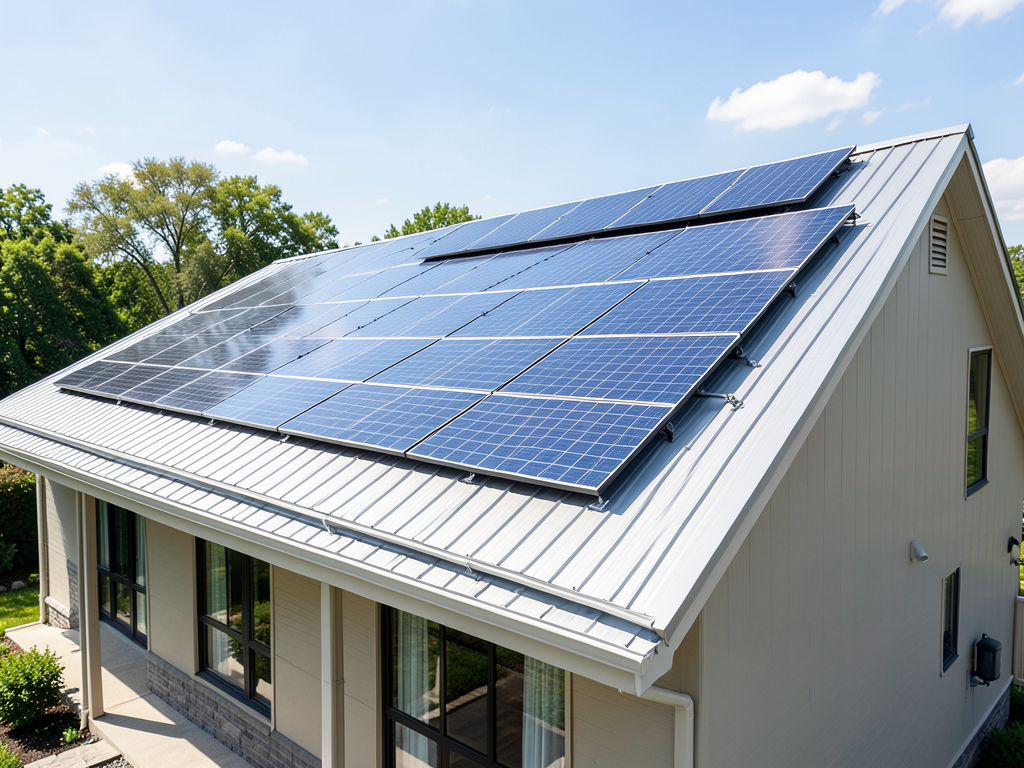
Energy independent roofing in Wedgefield: What works and what doesn't When you live in Wedgefield zip codes 32833 and 32820…

The best roofing setups for energy independent living in the Wedgefield area

Energy independent roofing in Wedgefield: What works and what doesn't When you live in Wedgefield zip codes 32833 and 32820…

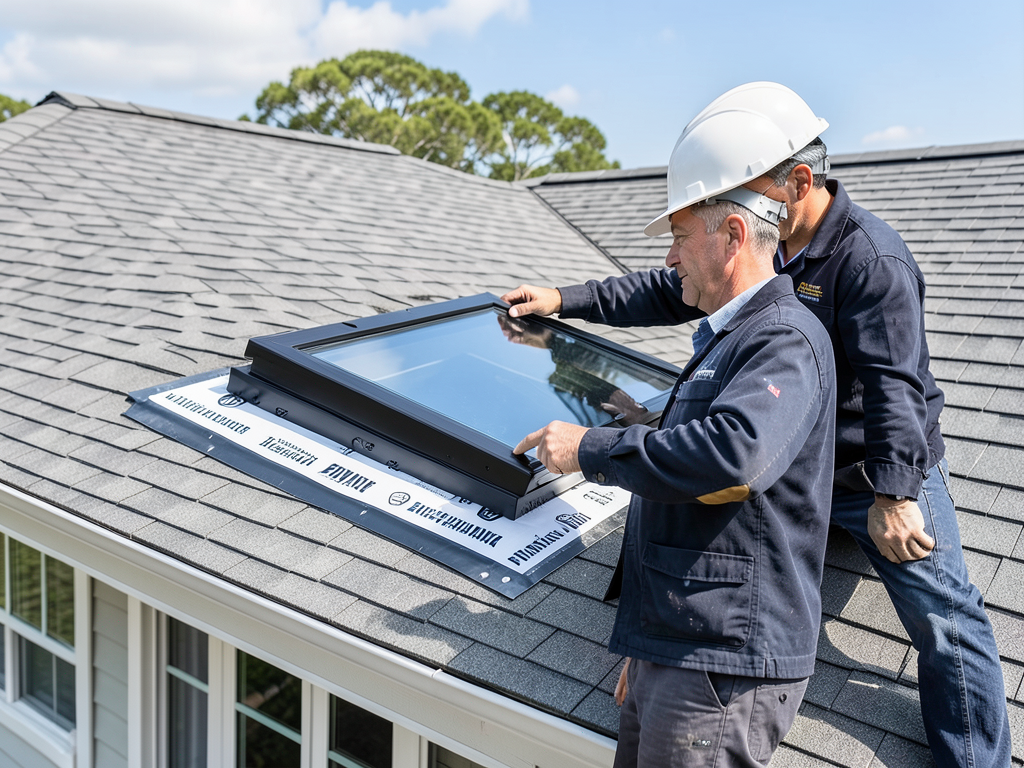
Why replacing your skylights during a full roof job in Bay Hill saves thousands later

Why replacing your skylights during a full roof job in Bay Hill saves thousands later Bay Hill homeowners with aging…

Choosing between concrete and clay tiles for your Windermere estate

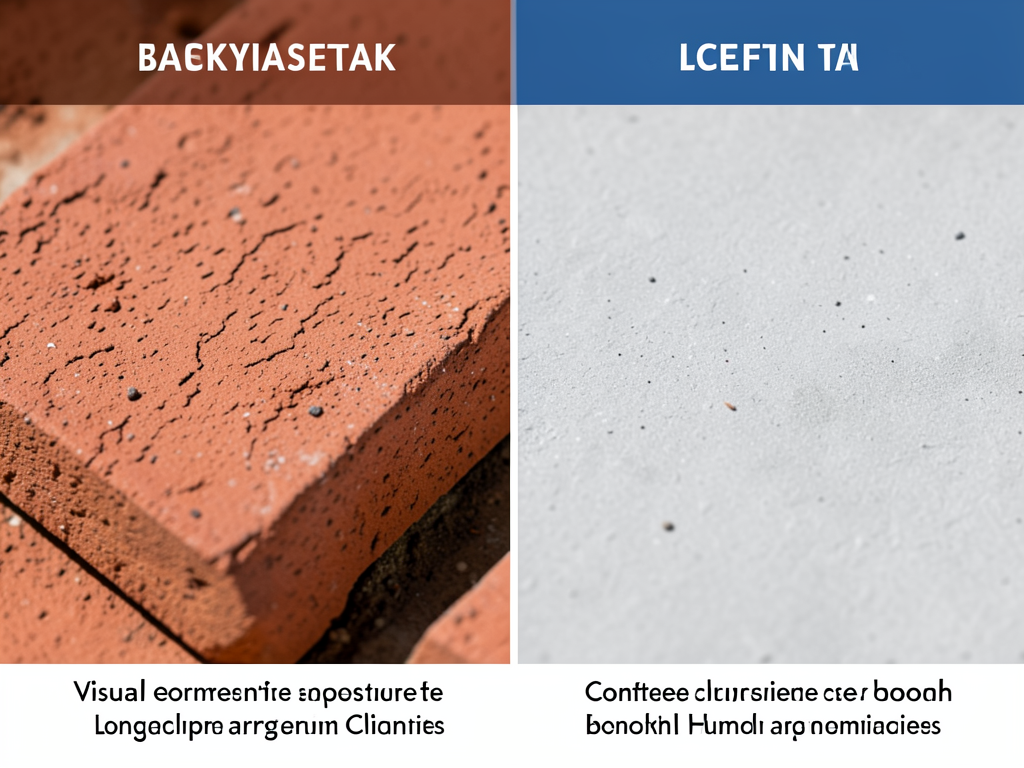
Choosing between concrete and clay tiles for your Windermere estate Tile roofing dominates Central Florida's luxury market, and for good…

Contact Us

Condensation does not fix itself. Every day you wait, moisture soaks deeper into your roof structure. Call All Pro Roofing Orlando at (689) 268-2855 for a professional moisture inspection. We diagnose the real problem and fix it right.