menu

PVC Roof Installation in Orlando – Minimize Downtime with Proven Commercial Membrane Systems

All Pro Roofing Orlando delivers fast-tracked commercial PVC roofing installation engineered to meet Florida Building Code requirements and keep your operations running through every phase of the project.

Slider Image 1
Slider Image 2
Slider Image 3
Slider Image 4
Slider Image 5
Slider Image 7
Slider Image 8
Slider Image 9
Slider Image 10
Slider Image 11

Why Central Florida's Climate Demands Commercial PVC Membrane Systems

Orlando facilities face a punishing combination of thermal stress and moisture exposure. Summer roof surface temperatures regularly exceed 160 degrees, while afternoon thunderstorms can deliver two inches of rain in under an hour. Traditional built-up roofing fails under this cycle. Seams separate. Ponding water accelerates deterioration. You lose energy efficiency first, then face interior damage.

Commercial PVC roofing installation solves the problem through heat-welded seams and a single-ply polyvinyl chloride membrane that reflects UV radiation instead of absorbing it. The system handles thermal expansion without cracking. Hot-air welding creates watertight bonds stronger than the membrane itself. PVC roofing system installation also resists the biological growth common to humid climates, where algae and mildew compromise less durable materials.

Orlando's flatland geography means most commercial structures use low-slope or flat roof designs. These profiles trap water unless the drainage system and membrane work together. A properly installed PVC membrane installation includes tapered insulation to eliminate ponding zones and perimeter flashing details that channel water away from parapet walls. You avoid the standing water that leads to leaks, mold remediation costs, and lost inventory.

Florida Building Code requires wind uplift ratings for hurricane-prone zones. PVC flat roof installation meets these standards through mechanically fastened or fully adhered attachment methods. The system stays intact during wind events that peel off lesser materials. You protect your building envelope, your contents, and your business continuity in one installation.

Why Central Florida's Climate Demands Commercial PVC Membrane Systems
How All Pro Roofing Orlando Engineers PVC Membrane Systems for Longevity

How All Pro Roofing Orlando Engineers PVC Membrane Systems for Longevity

We start every commercial PVC roofing installation with a structural deck assessment. Load-bearing capacity determines whether your existing roof can support additional insulation layers or requires a tear-off. We perform core samples to check for moisture in the substrate. Hidden wet insulation destroys R-value and voids warranties. If we find it, we map the extent and recommend selective replacement instead of full removal when possible.

Substrate preparation determines membrane performance. We install a cover board over the insulation layer to protect the PVC from punctures during installation and future foot traffic. This rigid layer also improves fire ratings and provides a smooth surface for the membrane. We avoid shortcuts like direct-to-deck applications that lead to premature failure.

Our crews use robotic hot-air welders to join PVC membrane seams. The machines maintain consistent temperature and pressure across the entire seam width. Hand welding introduces variables that compromise bond strength. We probe every seam with a rounded tool after welding. If the tool penetrates, we cut out that section and re-weld. You get factory-quality seams across the entire roof field.

Flashing details around HVAC curbs, vent pipes, and parapet walls receive custom-fabricated components. We template each penetration, then cut and weld reinforcement patches that create continuous waterproofing. The PVC membrane extends up vertical surfaces and terminates under metal counterflashing. Water cannot migrate behind the system. We also coordinate with mechanical contractors when equipment needs replacement during the project. A phased approach keeps your facility operational while we work.

The Commercial PVC Installation Sequence That Protects Your Operations

PVC Roof Installation in Orlando – Minimize Downtime with Proven Commercial Membrane Systems
01

Pre-Construction Assessment and Planning

We conduct after-hours site visits to map utility locations, roof access points, and staging areas. You receive a detailed project schedule showing which roof sections will be under construction each day. We identify critical operations that cannot be disrupted and plan work zones accordingly. Our team coordinates with your facility manager to establish safety protocols for occupied buildings and schedule noisy work during off-peak hours when possible.
02

Phased Membrane Installation

We divide your roof into manageable sections and maintain weathertight conditions at the end of each day. The crew completes substrate prep, insulation, cover board, and membrane in one zone before moving to the next. This approach prevents exposure of multiple roof areas simultaneously. You avoid weather delays that leave your interior vulnerable. Equipment cranes and material deliveries happen during designated windows. We use roof carts to transport materials without damaging the new membrane.
03

Final Inspection and Documentation

Our quality control manager performs a seam-by-seam inspection using both visual assessment and probe testing. We document every penetration flashing detail with photographs. You receive a complete installation record for insurance and warranty purposes. We also provide a marked-up roof plan showing drainage patterns, access walkways, and equipment locations. This map becomes essential for future maintenance crews who need to navigate your roof without causing damage.

Why Orlando Facility Managers Choose All Pro Roofing for Commercial PVC Systems

Central Florida's commercial roofing market includes warehouses near the airport, medical facilities in the Lake Nona corridor, and retail centers along International Drive. Each building type demands different performance characteristics. We size crews and equipment to match project scale. A 200,000-square-foot distribution center requires different logistics than a 15,000-square-foot office building. You get appropriately scaled resources instead of a one-size-fits-all approach.

Our estimators understand Orange County permitting requirements and Florida Building Code amendments specific to high-velocity hurricane zones. We pull permits, schedule inspections, and coordinate with your property insurance carrier when the installation affects coverage terms. Many facility managers discover their existing policy requires specific attachment methods or wind ratings. We identify these requirements during the estimate phase, not after work begins.

Orlando's summer heat creates safety risks for roof crews. We start early, typically at sunrise, and complete the most demanding work before midday temperatures peak. Crews rotate through shaded break areas and follow OSHA hydration protocols. This approach protects workers and maintains installation quality. Rushing in afternoon heat leads to errors in seam welding and flashing details.

We also maintain relationships with major PVC membrane manufacturers. This access means you get material delivered on your schedule, not when the supplier has availability. Supply chain delays have disrupted construction timelines across Florida. Our ordering system tracks production lead times and adjusts project schedules before delays impact your completion date. You avoid the uncertainty that comes with contractors who operate purchase-order-to-purchase-order.

What Your Commercial PVC Roof Installation Includes

Project Timeline and Milestones

Most commercial PVC membrane installations complete within two to four weeks, depending on roof size and complexity. Weather delays extend timelines, particularly during summer thunderstorm season. We provide weekly progress reports showing completed square footage and upcoming work phases. You can plan around our schedule instead of guessing when different building areas will be accessible. Critical path activities like material deliveries and crane lifts receive confirmed dates, not estimates. We also build contingency time into schedules for unforeseen conditions like additional substrate damage discovered during tear-off.

Comprehensive Roof and Substrate Evaluation

Our initial assessment includes infrared thermography to detect wet insulation that infrared cameras reveal through temperature differentials. We also perform pull tests on existing roof sections to measure attachment strength. These tests determine whether your deck meets current wind uplift requirements or needs reinforcement. You receive a written report documenting existing conditions, code compliance gaps, and recommended solutions. We photograph problem areas and include them in the report. This documentation protects you if disputes arise about pre-existing damage versus installation-related issues.

Warranty-Grade Installation Standards

All Pro Roofing Orlando follows manufacturer specifications for every phase of polyvinyl chloride roof installation. This compliance qualifies your project for extended material warranties that cover membrane defects and premature aging. We provide both material and labor warranties. The material warranty comes from the membrane manufacturer. Our labor warranty covers installation defects like failed seams or inadequate flashing details. You get protection against both product failure and workmanship errors. We also maintain general liability coverage that protects your property during construction.

Post-Installation Support and Maintenance Planning

Your new PVC roofing system requires periodic inspections to maintain warranty coverage. We offer scheduled maintenance agreements that include biannual inspections, drain cleaning, and minor repairs. These visits catch small problems before they become leaks. We also provide emergency repair service for unexpected damage from fallen tree limbs or equipment malfunctions. Our crews carry PVC membrane stock and welding equipment. Most repairs complete in a single visit. You avoid the multi-day response times common with contractors who outsource commercial work.

Frequently Asked Questions

You Have Questions,
We Have Answers

How is a PVC roof installed? +

PVC roof installation begins with substrate preparation. The crew inspects the existing deck, removes debris, and ensures a dry surface. Next, they secure an insulation layer with mechanical fasteners or adhesive. The PVC membrane rolls out across the roof in sections. Seams are heat-welded using hot air equipment to create watertight bonds. All penetrations, edges, and transitions receive custom-cut flashings and detailed welding. In Orlando, installers account for high UV exposure and wind uplift from storm events. Final inspection verifies all seams pass a probe test to confirm no gaps exist.

What are the disadvantages of PVC roofing? +

PVC roofing can cost more upfront than TPO or modified bitumen, impacting initial budget allocations. The membrane requires skilled labor for proper heat welding, which limits contractor options. PVC becomes less flexible in rare cold snaps, though this is seldom an issue in Orlando's subtropical climate. If poorly installed, seams can fail, leading to leaks. The material is not ideal for roofs with significant foot traffic without additional protection. Some older PVC formulations experienced plasticizer loss, though modern products have largely resolved this issue. Always verify manufacturer reputation.

How much does it cost to install a PVC roof? +

PVC roof installation costs vary based on building size, roof complexity, and existing conditions. Commercial projects in Orlando typically range from project-specific factors like tear-off requirements, insulation upgrades, and membrane thickness selection. Larger buildings benefit from economies of scale. Buildings with multiple penetrations, HVAC units, or parapets require more labor for detailing. Accessibility and roof height also influence pricing. Request detailed quotes from multiple contractors that itemize labor, materials, and warranty coverage. Avoid contractors who provide vague estimates without a site inspection. Quality installation protects your investment.

How long will a PVC roof last? +

A properly installed PVC roof lasts 20 to 30 years in Orlando's climate. The membrane resists UV degradation, chemical exposure, and biological growth. Heat-welded seams provide superior longevity compared to adhesive-based systems. Orlando's intense sun and afternoon thunderstorms test roofing materials, but PVC's reflective surface and flexibility handle thermal cycling well. Lifespan depends on installation quality, maintenance frequency, and membrane thickness. Regular inspections catch small issues before they escalate. Ponding water accelerates wear, so proper drainage extends service life. Choose experienced installers to maximize your roof's performance.

How much should a 2000 sq ft roof cost? +

For a 2000 square foot commercial roof in Orlando, expect costs to vary based on system type, insulation, and existing conditions. PVC membrane systems typically cost more than single-ply alternatives but offer superior performance. Factors include tear-off requirements, deck repairs, insulation upgrades, and the number of roof penetrations. Low-slope commercial roofs demand different detailing than steep-slope applications. Buildings in flood zones or high-wind areas may require additional fastening. Always obtain multiple bids that specify materials, labor, and warranty terms. Cheaper quotes often reflect substandard materials or rushed installation.

Do you need to rough up PVC before gluing? +

Yes, roughing up PVC before gluing improves adhesive bond strength. Use sandpaper or an abrasive pad to scuff the bonding surface lightly. This process removes surface contaminants and creates texture for mechanical grip. In commercial roofing applications, heat welding is preferred over adhesive because it creates stronger, more reliable seams. If adhesive is required for specific details like inside corners or terminations, proper surface preparation is critical. Orlando's humidity can affect adhesive curing times, so installers must follow manufacturer guidelines. Always use compatible primers and adhesives specified for PVC membrane systems.

What is the life expectancy of a PVC ceiling? +

PVC ceiling panels typically last 15 to 25 years depending on environmental exposure and quality. Interior applications face minimal UV degradation, extending lifespan. Orlando's humidity and heat can affect installation in unconditioned spaces like carports or breezeways. High-quality PVC resists moisture, mold, and mildew better than traditional materials. Avoid low-grade PVC that yellows or becomes brittle over time. Proper ventilation prevents heat buildup that accelerates material degradation. Commercial applications benefit from commercial-grade PVC formulations designed for durability. Regular cleaning maintains appearance and prevents buildup that can shorten service life.

What is better, PVC or polycarbonate roof? +

For commercial flat roofing, PVC outperforms polycarbonate in durability, waterproofing, and cost-effectiveness. PVC membranes are designed specifically for low-slope applications, with heat-welded seams that prevent leaks. Polycarbonate panels work better for skylights, canopies, or translucent applications where light transmission matters. In Orlando's climate, PVC handles UV exposure and thermal expansion more reliably for roofing. Polycarbonate can yellow and become brittle under constant sun. For waterproof membrane systems on commercial buildings, PVC is the clear choice. Polycarbonate serves specialty applications where PVC is not suitable.

Does PVC get brittle with age? +

Modern PVC roofing membranes resist brittleness through advanced plasticizer technology. Early formulations experienced plasticizer migration, causing stiffening over time. Current products use permanently bonded plasticizers that maintain flexibility for decades. In Orlando's heat, PVC remains pliable and resistant to thermal shock from afternoon storms. Cold weather can reduce flexibility temporarily, but this rarely affects performance in Central Florida. UV stabilizers prevent photodegradation that leads to brittleness. Quality matters significantly. Choose membranes from reputable manufacturers with proven track records. Proper installation and maintenance further protect against premature aging.

Which is better EPDM or PVC roofing? +

PVC generally outperforms EPDM for commercial applications in Orlando. PVC offers superior chemical resistance, making it ideal for restaurants, industrial facilities, or buildings with rooftop equipment. Heat-welded seams create watertight bonds stronger than EPDM's adhesive or tape seams. PVC reflects more sunlight, reducing cooling costs in Orlando's subtropical climate. EPDM costs less initially but offers shorter lifespan and lower reflectivity. EPDM suits budget-conscious projects with minimal roof traffic. For buildings prioritizing longevity, energy efficiency, and leak prevention, PVC delivers better long-term ROI despite higher upfront costs.

How Orlando's Intense UV Exposure and Humidity Make PVC Roofing Essential

Central Florida receives some of the highest UV radiation levels in the continental United States. This constant exposure degrades roofing materials that lack built-in UV stabilizers. Traditional EPDM rubber becomes brittle and cracks. Modified bitumen loses its protective granules. PVC membrane installation resists this deterioration through titanium dioxide compounds that reflect UV rays instead of absorbing them. The material maintains flexibility and waterproofing performance for decades. Combined with humidity levels that average 75 percent year-round, Orlando creates an environment where only the most durable commercial roofing systems survive. PVC flat roof installation addresses both challenges through chemical resistance and reflective properties that keep your building envelope intact through Florida's harshest conditions.

Orange County building officials enforce strict wind uplift requirements based on the region's hurricane exposure. Commercial structures need roofing systems rated for winds exceeding 120 miles per hour. PVC roofing system installation meets these standards through tested attachment methods and seam strengths verified by independent labs. All Pro Roofing Orlando maintains relationships with local inspectors and understands their documentation requirements. We schedule inspections at the correct project milestones and provide the technical data sheets officials need to approve our work. You avoid the delays and reinspection fees that come with contractors unfamiliar with local enforcement practices.
Roofing Services in The Orlando Area

Our service area spans across the Orlando region and beyond, bringing our expert roofing solutions to homes and businesses throughout the community. We are proud to serve our neighbors and are dedicated to providing fast, reliable service right where you are. View our location and our extensive service area on the map below, and feel free to reach out to us directly to see if we can bring our professional roofing services to your neighborhood.

Address:
All Pro Roofing Orlando, 618 E South St, Orlando, FL, 32801

Additional Services We Offer

Our news updates

Latest Articles & News from The Blogs

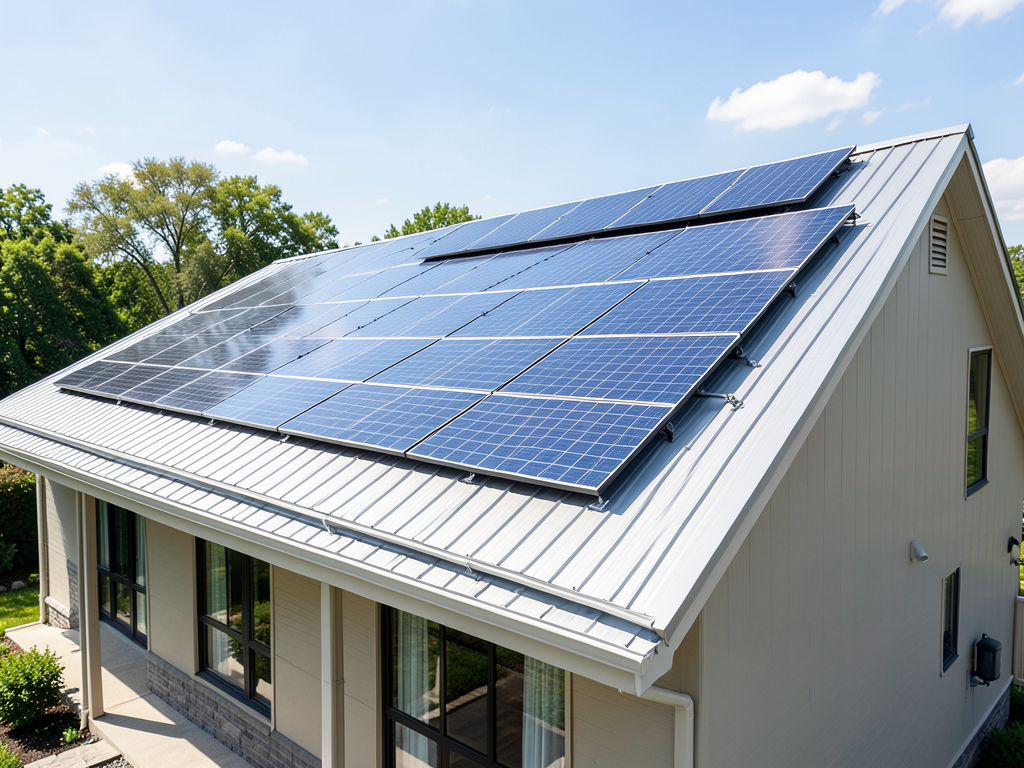
Energy independent roofing in Wedgefield: What works and what doesn't When you live in Wedgefield zip codes 32833 and 32820…

The best roofing setups for energy independent living in the Wedgefield area

Energy independent roofing in Wedgefield: What works and what doesn't When you live in Wedgefield zip codes 32833 and 32820…

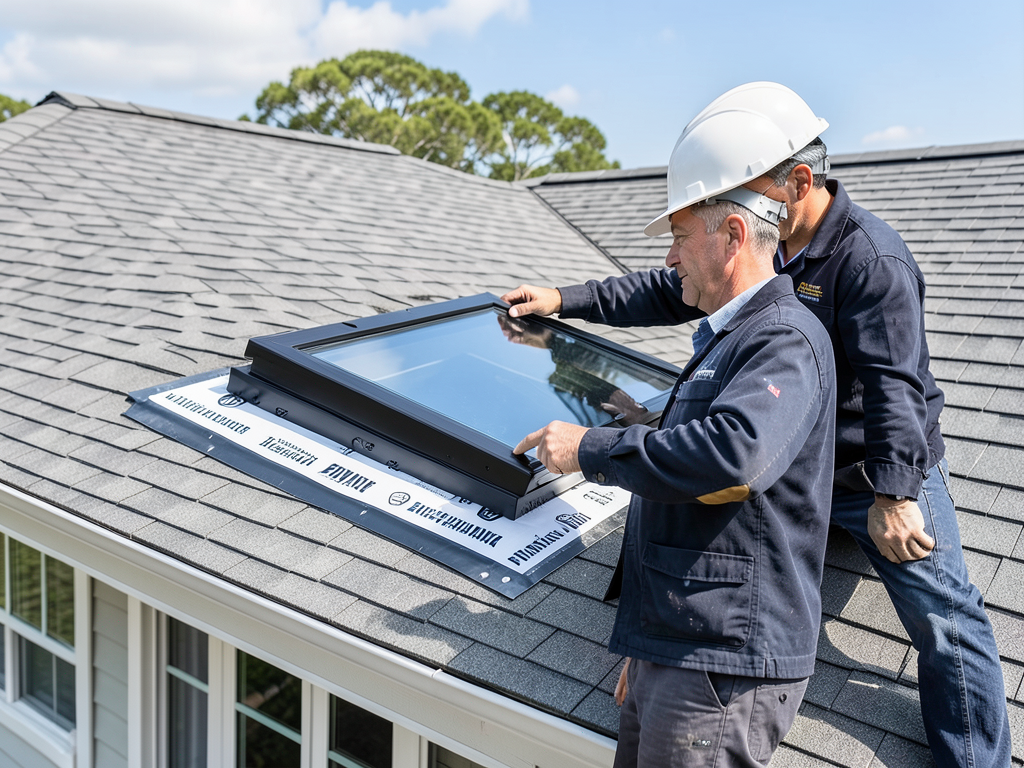
Why replacing your skylights during a full roof job in Bay Hill saves thousands later

Why replacing your skylights during a full roof job in Bay Hill saves thousands later Bay Hill homeowners with aging…

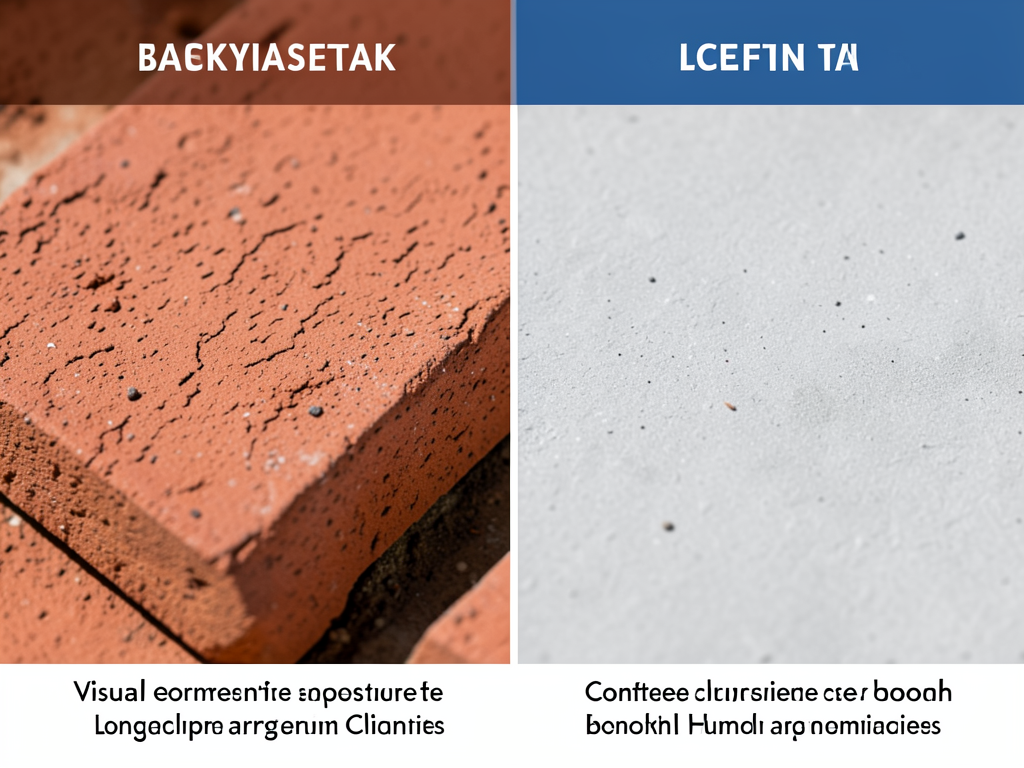
Choosing between concrete and clay tiles for your Windermere estate

Choosing between concrete and clay tiles for your Windermere estate Tile roofing dominates Central Florida's luxury market, and for good…

Contact Us

Protect your facility with a roofing system engineered for Orlando's climate. Call All Pro Roofing Orlando at (689) 268-2855 to schedule a comprehensive roof evaluation. We provide detailed estimates that include material specifications, project timelines, and warranty coverage.