
Why replacing your skylights during a full roof job in Bay Hill saves thousands later
Bay Hill homeowners with aging skylights face a costly decision when planning a full roof replacement. The reality is that replacing skylights during your roof job saves thousands in labor costs and prevents future leaks that damage your new roof. This comprehensive guide explains the technical, financial, and code-compliance reasons why bundling these projects makes perfect sense for Orlando’s climate.
The hidden cost of keeping old skylights
Most Bay Hill homes built between 1980 and 2000 feature skylights that are now 20-40 years old. These units have weathered thousands of Central Florida thunderstorms, UV exposure, and thermal cycling. The rubber seals around the glass have degraded, flashing has separated from the roof deck, and the frames have warped from heat expansion. When you install a new $15,000-$25,000 roof over failing skylights, you’re essentially building a perfect envelope around a time bomb. Florida Building Code requirements.
During a roof replacement, contractors must remove and replace the existing flashing around each skylight. This process accounts for 50-60% of the total skylight replacement cost. By keeping your old units, you’re paying for the labor anyway but receiving no benefit. The flashing kits that integrate with modern underlayment systems like peel-and-stick barriers require complete removal of the old components.
Consider this: a standalone skylight replacement three years after your roof job costs $800-$1,200 per unit, plus another $500-$800 in roofing labor to reinstall the surrounding materials. During your roof replacement, that same work costs only $300-$500 because the crew is already on-site with all materials staged. Is Solar Roofing Actually Worth the Investment for Orlando Residents?.
Bay Hill’s specific microclimate adds urgency. The neighborhood sits at a slightly higher elevation than surrounding areas, creating unique wind patterns during summer thunderstorms. These microbursts accelerate seal failure around skylight perimeters. Homes near the Butler Chain of Lakes experience higher humidity levels that promote algae growth on seals, further degrading their integrity.
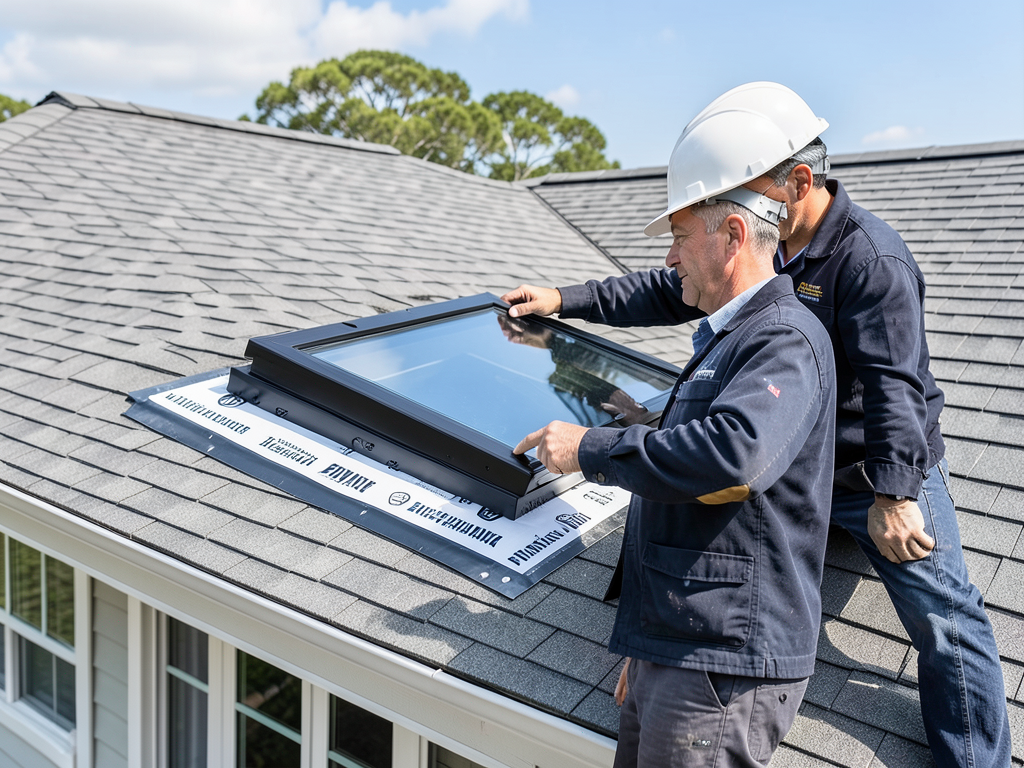
Image Description: Cross-section diagram showing proper skylight flashing integration with peel-and-stick underlayment and architectural shingles, highlighting water flow paths during heavy rain.
Signs your Orlando skylights won’t survive another roof cycle
Before deciding whether to replace your skylights, inspect them for these failure indicators. Condensation between glass panes indicates seal failure and means the unit has lost its insulating properties. This moisture also accelerates wood rot in the surrounding curb or deck-mounted frame. Choosing Between Shingle and Tile Roofs for Your Central Florida Home.
Check the interior ceiling around your skylights for water stains or bubbling paint. Even small leaks that only occur during driving rain can indicate failing seals. Run your hand along the interior trim during a humid day. If you feel moisture or see condensation, the seal integrity is compromised.
Exterior inspection reveals additional problems. Look for cracked or missing caulk around the skylight perimeter. Check if the flashing has pulled away from the roof surface, creating gaps where water can penetrate. Florida’s intense UV radiation causes rubber components to become brittle and crack, especially on south-facing installations. Reliable Roof Inspection Services for Home Buyers in Winter Garden.
The age test provides a quick assessment. Skylights typically last 15-25 years in Central Florida’s harsh climate. If your units are over 15 years old and show any of these symptoms, replacement during your roof job is the most cost-effective solution. The labor is already happening, and you’ll avoid the emergency replacement costs that occur when old skylights finally fail. Emergency Tarping Service.
Florida Building Code requirements for impact-rated skylights
Florida’s stringent building codes, particularly in Orange County, mandate specific requirements for skylight installations. The Florida Building Code (FBC) Section 1609 addresses wind load requirements, while Section 1610 covers glazing requirements for wind-borne debris regions. Bay Hill falls within the High Velocity Hurricane Zone (HVHZ), requiring impact-resistant glazing for any new skylight installations.
Impact-rated skylights must meet Miami-Dade County Product Approval standards, specifically TAS 201, 202, and 203 testing protocols. These tests simulate hurricane conditions using large missile impacts followed by cyclic pressure loading. Standard tempered glass skylights cannot be legally installed as replacements in most of Orange County without meeting these requirements. Miami-Dade County Product Approval.
The FBC also mandates secondary water barriers in roof areas with slopes less than 2:12, which affects many Bay Hill homes with low-slope designs. Modern skylight flashing kits must integrate with these peel-and-stick barriers to maintain code compliance. This integration is impossible with older skylight models that use different mounting systems.
Energy efficiency requirements under the FBC also influence skylight selection. The code mandates specific Solar Heat Gain Coefficient (SHGC) ratings based on window orientation and climate zone. South-facing skylights in Orlando must have SHGC ratings below 0.30 to meet current standards, which eliminates many older units that lack low-E coatings.
Cost comparison: integrated replacement vs. standalone project
The financial mathematics of skylight replacement during roof installation are compelling. Here’s a realistic cost breakdown for a typical Bay Hill home with three skylights:
| Item | Integrated Replacement Cost | Standalone Replacement Cost | Savings |
|---|---|---|---|
| Three impact-rated skylights | $2,100 | $2,100 | $0 |
| Flashing kit installation | $900 | $900 | $0 |
| Roofing labor for integration | $2,400 | $1,800 | |
| Underlayment modifications | Included | $600 | $600 |
| Disposal of old units | Included | $300 | $300 |
| Total Project Cost | $3,600 | $6,300 | $2,700 |
These figures assume mid-range impact-rated skylights with low-E coatings. Premium solar-powered venting units add $800-$1,200 per unit but provide energy savings that offset the additional cost over time. The labor savings alone justify replacement for most homeowners.
Timing also affects pricing. Roofing contractors offer better rates when skylight replacement is bundled with a full roof job because they can purchase materials in bulk and schedule work more efficiently. Standalone projects require special trips, additional setup time, and often emergency scheduling that drives up costs. Best Roofing Materials for Older Bungalows in Thornton Park.
Insurance considerations add another dimension. Some Florida insurance providers offer premium discounts for homes with impact-rated skylights installed to current code standards. These discounts typically range from 5-15% on annual premiums, providing ongoing savings that accumulate over the skylight’s lifespan.
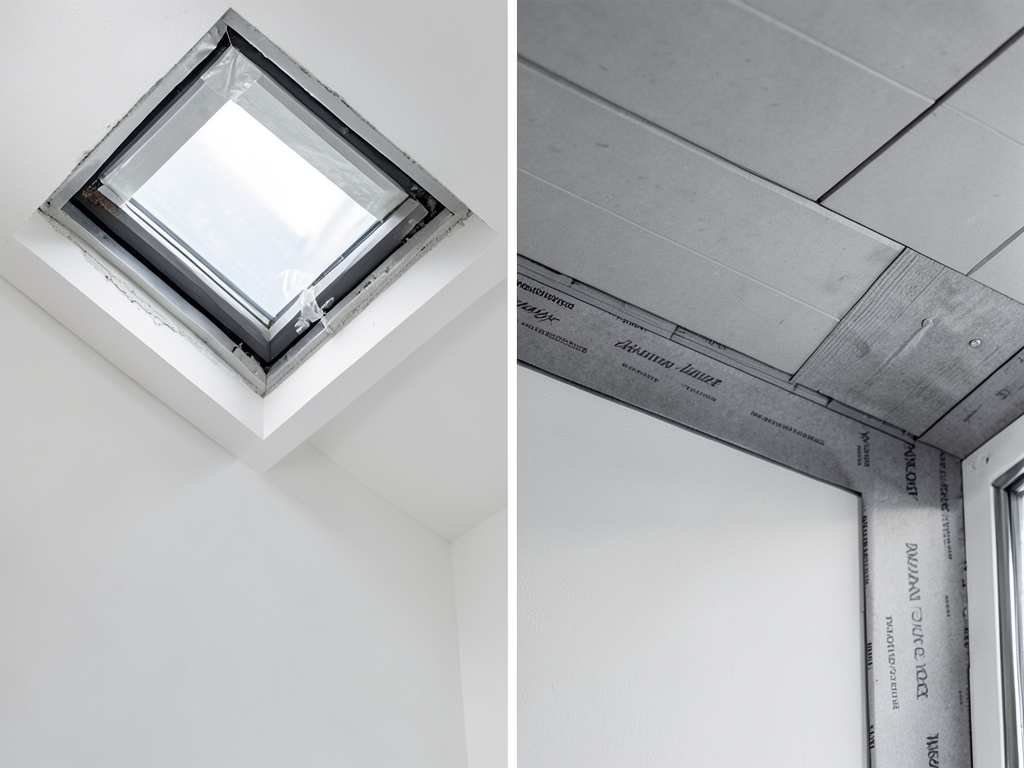
Image Description: Before and after comparison showing deteriorated skylight seals and flashing next to new impact-resistant units with integrated peel-and-stick underlayment flashing.
Best skylight brands for Florida’s extreme climate
Not all skylights perform equally in Central Florida’s intense heat and humidity. The best options for Bay Hill homes feature specific technologies designed to withstand our climate challenges. Velux, Fakro, and Wasco dominate the Florida market for good reason – they offer products specifically engineered for hurricane zones.
Low-E glass coatings are essential for Orlando’s climate. These microscopic metallic layers reflect infrared heat while allowing visible light to pass through. Quality low-E coatings can reduce solar heat gain by 40-60%, significantly lowering cooling costs during our long summer season. Look for SHGC ratings between 0.20 and 0.30 for optimal performance.
Argon gas fills between panes provide superior insulation compared to air-filled units. This inert gas reduces heat transfer and prevents condensation between panes. In Orlando’s climate, argon-filled skylights maintain their insulating properties 30-40% longer than standard units before seal failure occurs.
Solar-powered venting skylights offer the best long-term value for Bay Hill homes. These units use built-in solar panels to power remote-controlled opening mechanisms. During summer months, they can exhaust hot air from your home’s highest point, reducing air conditioning loads by 5-10%. The federal solar tax credit currently covers 30% of the installation cost, making these premium units more affordable.
Impact-resistant glass is non-negotiable in Orange County. This laminated glass consists of two panes bonded with a shatter-resistant interlayer, similar to car windshields. When struck by debris during a storm, the glass may crack but won’t fall out, maintaining the building envelope’s integrity.
Consider the frame material as well. Vinyl and fiberglass frames outperform aluminum in Florida’s climate because they expand and contract less with temperature changes. This dimensional stability prevents seal failure and reduces the likelihood of water infiltration around the frame perimeter.
Integration with modern roofing systems
Today’s roofing systems use advanced materials that require specific skylight integration techniques. Peel-and-stick underlayment membranes like Grace Ice and Water Shield create waterproof barriers that extend up the skylight curb. These self-adhering sheets bond directly to the wood deck and skylight frame, eliminating the water channels that cause many skylight leaks.
Step flashing installation has evolved significantly. Modern systems use continuous pieces of metal that integrate with both the roofing material and the skylight frame. For architectural shingles, this means custom-bent pieces that tuck under each shingle course. For tile roofs common in some Bay Hill neighborhoods, specialized tile hooks and brackets support the flashing system.
The cricket or saddle installation behind chimneys and skylights on roofs with pitches over 6:12 is critical in Orlando’s heavy rain environment. These diverting structures prevent water from pooling behind vertical surfaces where it can find entry points. Many older Bay Hill homes lack proper crickets, making replacement an opportunity to address this deficiency.
Underlayment integration requires careful attention to detail. The peel-and-stick membrane must extend at least 12 inches up the skylight curb on all sides. Metal flashing then overlaps this membrane by 4-6 inches, creating redundant waterproofing layers. This technique, while time-consuming, prevents the exact type of leaks that damage interior finishes.
Ventilation considerations also factor into skylight replacement. Modern venting units can integrate with your home’s passive ventilation system, creating stack effect airflow that cools your attic space. This integration requires coordination between the roofing contractor and the skylight installer to ensure proper sealing while maintaining airflow paths.
Warranty synchronization and long-term value
New skylights typically carry 10-25 year warranties that often exceed the warranty periods on roofing materials. By replacing skylights during your roof job, you synchronize these warranty periods, simplifying future maintenance and replacement decisions. This synchronization also ensures that both systems use compatible materials and installation techniques.
Manufacturer warranties on modern skylights often include coverage for seal failure, glass breakage, and component malfunction. However, these warranties require professional installation by certified technicians. The integration work during a roof replacement must be performed by someone familiar with both roofing and skylight installation to maintain warranty validity.
Energy efficiency improvements provide ongoing financial benefits. New skylights with low-E coatings and proper sealing can reduce cooling costs by $150-$300 annually in Orlando homes. Over a 20-year lifespan, these savings can offset 30-50% of the initial replacement cost while providing improved comfort and natural lighting.
The property value impact should not be overlooked. Home inspectors and appraisers note the condition of skylights during evaluations. New, code-compliant units with impact-resistant glass represent a selling point that can differentiate your property in the competitive Bay Hill market. Conversely, old or failing skylights raise red flags that can complicate sales transactions.
Maintenance requirements also decrease with modern units. Contemporary skylights feature removable sashes for easy cleaning, integrated blinds or shades, and corrosion-resistant hardware. These improvements reduce the ongoing maintenance burden compared to older units that require frequent seal inspections and manual cleaning.
Orange County permitting and inspection process
Orange County requires permits for skylight replacements that involve structural modifications or impact-rated glass installation. The permitting process ensures compliance with Florida Building Code requirements and provides third-party verification of proper installation. Most reputable roofing contractors handle permitting as part of their service, but understanding the process helps homeowners verify compliance.
The permit application requires detailed information about the skylight specifications, including impact rating certification, SHGC values, and mounting details. For homes in designated historic districts or with specific architectural requirements, additional approvals may be necessary. Bay Hill’s older homes often require these extra reviews due to their established neighborhood character.
County inspections typically occur at two stages: after the roof deck preparation but before underlayment installation, and after the final installation. These inspections verify that flashing details meet code requirements and that impact-rated glass is properly installed. Skipping inspections or using non-compliant materials can result in fines and mandatory rework.
The permitting process also triggers an insurance review. Once new impact-rated skylights are installed to code, your insurance provider may adjust your wind mitigation credits. This adjustment can result in premium reductions that partially offset the replacement cost over time.
Documentation from the permitting process provides valuable records for future home sales. Buyers and their inspectors appreciate seeing permits and inspection approvals for major components like skylights. This documentation demonstrates that the work was performed to current standards rather than as a quick fix that might fail prematurely.
Frequently Asked Questions
Can I keep my existing skylights if they’re not leaking?
Even non-leaking skylights over 15 years old should be replaced during a roof job. The seals have degraded, the flashing is compromised, and you’re already paying for the labor to work around them. Replacement prevents emergency costs and protects your new roof investment.
How long does skylight replacement add to my roof project timeline?
Professional skylight replacement during a roof job typically adds 2-4 hours per unit to the project schedule. This minimal addition is far more efficient than scheduling a separate visit later, which would require additional setup, material delivery, and crew mobilization.
Are solar-powered skylights worth the extra cost in Orlando?
Yes, solar-powered venting skylights provide significant value in Orlando’s climate. They reduce cooling costs through natural ventilation, qualify for federal tax credits, and offer remote operation convenience. The energy savings and tax benefits often offset the higher initial cost within 5-7 years.
What happens if I wait to replace my skylights until they leak?
Waiting until leaks occur typically results in interior damage to ceilings, walls, and insulation. Emergency repairs cost 30-50% more than scheduled replacements due to after-hours labor rates and expedited material shipping. You also risk damaging your new roof when the old skylights finally fail.
Do impact-rated skylights look different from standard ones?
Modern impact-rated skylights are virtually indistinguishable from standard units in appearance. They use the same frame styles, glass tints, and operating mechanisms. The difference lies in the laminated glass construction and reinforced mounting hardware, which are not visible from inside or outside the home.
- Inspect current skylights
Check for condensation, water stains, cracked seals, and age indicators. Units over 15 years old with any symptoms need replacement.
- Calculate replacement timing
Compare standalone replacement costs versus integrated replacement during your upcoming roof job. Factor in labor savings and potential emergency repair costs.
- Verify code compliance
Confirm that your area requires impact-rated glass and that your contractor will handle necessary Orange County permits and inspections.
- Select appropriate units
Choose skylights with low-E coatings, argon fills, and impact-rated glass. Consider solar-powered venting options for maximum energy efficiency.
- Coordinate with your roofer
Ensure your roofing contractor has experience with skylight integration and uses proper flashing techniques with modern underlayment systems.
Replacing your skylights during your Bay Hill roof replacement represents a smart investment that prevents future headaches and saves significant money. The labor is already happening, the materials integrate perfectly with modern roofing systems, and you’ll avoid the emergency costs that come with waiting for old units to fail.
Florida’s building codes make skylight replacement essentially mandatory for older units, as impact-rated glass is required in most of Orange County. By bundling these projects, you ensure code compliance while maximizing your investment in both the roof and the skylights.
The peace of mind that comes with knowing your home has modern, code-compliant skylights that won’t leak during the next thunderstorm is worth the upfront cost. Add in the energy savings, insurance benefits, and warranty synchronization, and the decision becomes clear.
Don’t let outdated skylights compromise your new roof investment. Call (689) 268-2855 today to schedule your inspection and get a detailed quote for integrated skylight replacement during your roof project. Our experienced team understands Bay Hill’s specific requirements and will ensure your home gets the protection it deserves.
Pick up the phone and call (689) 268-2855 before the next storm hits. We’ll evaluate your current skylights, explain your replacement options, and show you exactly how much you can save by bundling these essential home improvements.
{
“@context”: “https://schema.org”,
“@type”: “BlogPosting”,
“headline”: “Why replacing your skylights during a full roof job in Bay Hill saves thousands later”,
“description”: “Learn why replacing skylights during your Bay Hill roof replacement saves money and prevents future leaks. Expert Orlando roofing advice with Florida code compliance.”,
“wordCount”: 2670,
“datePublished”: “2026-06-11T10:00:00.000Z”,
“dateModified”: “2026-06-11T10:00:00.000Z”,
“inLanguage”: “en-US”,
“mainEntityOfPage”: {
“@type”: “WebPage”,
“@id”: “https://allproroofingorlando.com”
},
“publisher”: {
“@type”: “LocalBusiness”,
“name”: “All Pro Roofing Orlando”,
“url”: “https://allproroofingorlando.com”
},
“author”: {
“@type”: “Organization”,
“name”: “All Pro Roofing Orlando”,
“url”: “https://allproroofingorlando.com”
},
“image”: {
“@type”: “ImageObject”,
“url”: “https://allproroofingorlando.com/wp-content/uploads/2026/03/why-replacing-your-skylights-during-a-full-roof-jo-1.png”
}
}
{
“@context”: “https://schema.org”,
“@type”: “RoofingContractor”,
“name”: “All Pro Roofing Orlando”,
“url”: “https://allproroofingorlando.com”,
“address”: {
“@type”: “PostalAddress”,
“addressLocality”: “Orlando”
},
“areaServed”: {
“@type”: “City”,
“name”: “Orlando”
}
}
{
“@context”: “https://schema.org”,
“@type”: “FAQPage”,
“mainEntity”: [
{
“@type”: “Question”,
“name”: “Can I keep my existing skylights if they’re not leaking?”,
“acceptedAnswer”: {
“@type”: “Answer”,
“text”: “Even non-leaking skylights over 15 years old should be replaced during a roof job. The seals have degraded, the flashing is compromised, and you’re already paying for the labor to work around them. Replacement prevents emergency costs and protects your new roof investment.”
}
},
{
“@type”: “Question”,
“name”: “How long does skylight replacement add to my roof project timeline?”,
“acceptedAnswer”: {
“@type”: “Answer”,
“text”: “Professional skylight replacement during a roof job typically adds 2-4 hours per unit to the project schedule. This minimal addition is far more efficient than scheduling a separate visit later, which would require additional setup, material delivery, and crew mobilization.”
}
},
{
“@type”: “Question”,
“name”: “Are solar-powered skylights worth the extra cost in Orlando?”,
“acceptedAnswer”: {
“@type”: “Answer”,
“text”: “Yes, solar-powered venting skylights provide significant value in Orlando’s climate. They reduce cooling costs through natural ventilation, qualify for federal tax credits, and offer remote operation convenience. The energy savings and tax benefits often offset the higher initial cost within 5-7 years.”
}
},
{
“@type”: “Question”,
“name”: “What happens if I wait to replace my skylights until they leak?”,
“acceptedAnswer”: {
“@type”: “Answer”,
“text”: “Waiting until leaks occur typically results in interior damage to ceilings, walls, and insulation. Emergency repairs cost 30-50% more than scheduled replacements due to after-hours labor rates and expedited material shipping. You also risk damaging your new roof when the old skylights finally fail.”
}
},
{
“@type”: “Question”,
“name”: “Do impact-rated skylights look different from standard ones?”,
“acceptedAnswer”: {
“@type”: “Answer”,
“text”: “Modern impact-rated skylights are virtually indistinguishable from standard units in appearance. They use the same frame styles, glass tints, and operating mechanisms. The difference lies in the laminated glass construction and reinforced mounting hardware, which are not visible from inside or outside the home.”
}
}
]
}
{
“@context”: “https://schema.org”,
“@type”: “HowTo”,
“name”: “How to evaluate your skylight replacement needs”,
“step”: [
{
“@type”: “HowToStep”,
“position”: 1,
“name”: “Inspect current skylights”,
“text”: “Check for condensation, water stains, cracked seals, and age indicators. Units over 15 years old with any symptoms need replacement.”
},
{
“@type”: “HowToStep”,
“position”: 2,
“name”: “Calculate replacement timing”,
“text”: “Compare standalone replacement costs versus integrated replacement during your upcoming roof job. Factor in labor savings and potential emergency repair costs.”
},
{
“@type”: “HowToStep”,
“position”: 3,
“name”: “Verify code compliance”,
“text”: “Confirm that your area requires impact-rated glass and that your contractor will handle necessary Orange County permits and inspections.”
},
{
“@type”: “HowToStep”,
“position”: 4,
“name”: “Select appropriate units”,
“text”: “Choose skylights with low-E coatings, argon fills, and impact-rated glass. Consider solar-powered venting options for maximum energy efficiency.”
},
{
“@type”: “HowToStep”,
“position”: 5,
“name”: “Coordinate with your roofer”,
“text”: “Ensure your roofing contractor has experience with skylight integration and uses proper flashing techniques with modern underlayment systems.”
}
],
“image”: “https://allproroofingorlando.com/wp-content/uploads/2026/03/why-replacing-your-skylights-during-a-full-roof-jo-1.png”
}
{
“@context”: “https://schema.org”,
“@type”: “BreadcrumbList”,
“itemListElement”: [
{
“@type”: “ListItem”,
“position”: 1,
“name”: “Home”,
“item”: “https://allproroofingorlando.com”
},
{
“@type”: “ListItem”,
“position”: 2,
“name”: “Blog”,
“item”: “https://allproroofingorlando.com/blog”
},
{
“@type”: “ListItem”,
“position”: 3,
“name”: “Why replacing your skylights during a full roof job in Bay Hill saves thousands later”
}
]
}
{
“@context”: “https://schema.org”,
“@type”: “Service”,
“serviceType”: “Roofing”,
“provider”: {
“@type”: “LocalBusiness”,
“name”: “All Pro Roofing Orlando”,
“url”: “https://allproroofingorlando.com”
},
“areaServed”: {
“@type”: “City”,
“name”: “Orlando”
},
“description”: “Learn why replacing skylights during your Bay Hill roof replacement saves money and prevents future leaks. Expert Orlando roofing advice with Florida code compliance.”
}