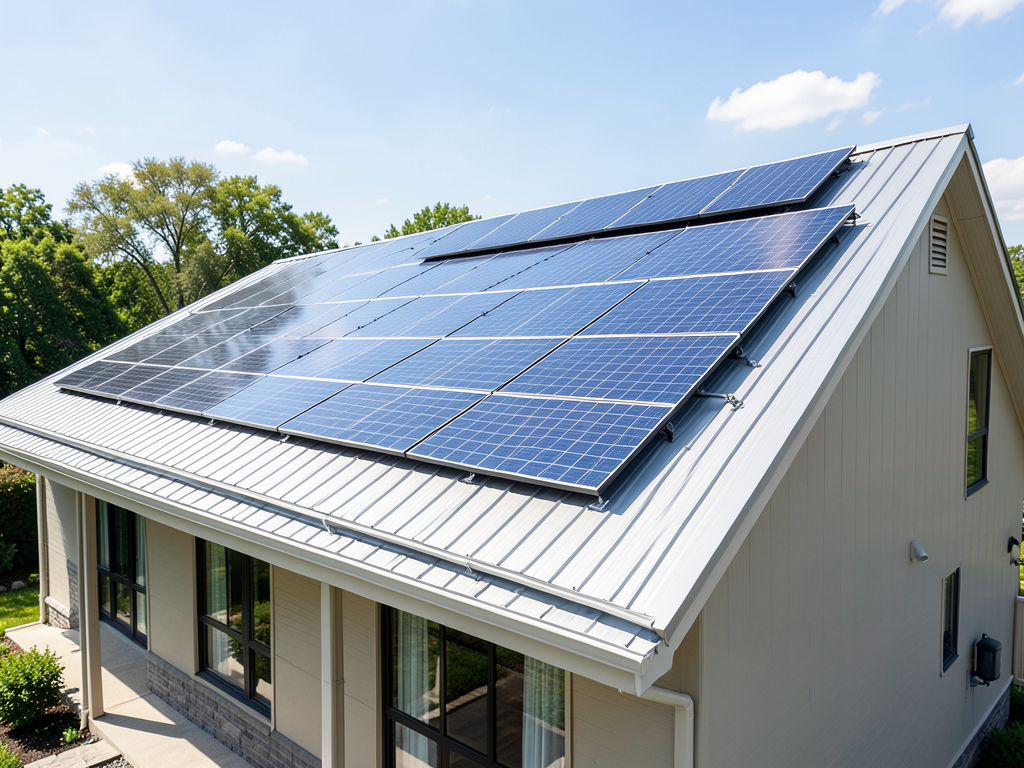
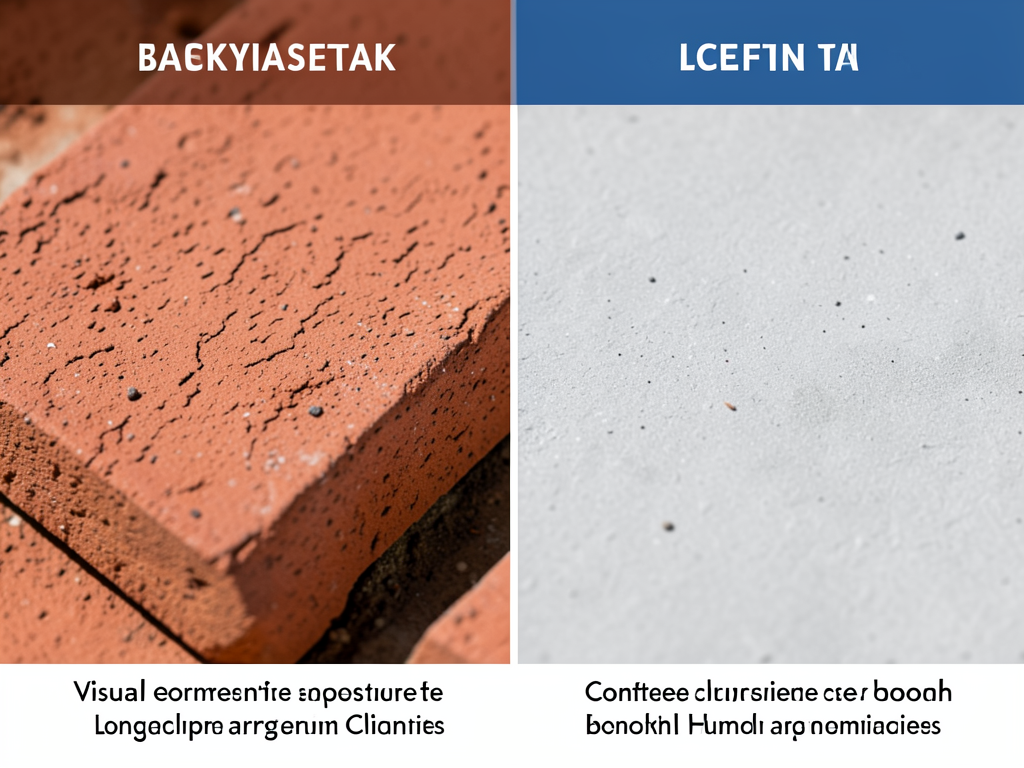
Orlando receives over 230 days of intense sunshine annually, with UV index readings reaching extreme levels from April through September. This constant bombardment degrades roofing membranes through photochemical reactions that break polymer chains and cause chalking, cracking, and brittleness. TPO formulations include UV stabilizers and heat reflectors that minimize surface degradation, while EPDM's carbon black pigmentation protects underlying rubber compounds through UV absorption. Buildings in downtown Orlando's urban heat island experience surface temperatures 15 to 20 degrees hotter than suburban locations, accelerating membrane aging regardless of material choice.
Our familiarity with Orange County's commercial building stock gives us perspective on real-world membrane performance across different applications and environments. We've replaced failed systems and maintained successful installations, learning which manufacturers deliver on their promises and which fall short under Florida's demanding conditions. This experience informs our recommendations, steering you toward proven solutions rather than experimental formulations. Local expertise means understanding that a membrane performing well in Atlanta or Dallas may fail in Orlando's harsher climate.