
menu

Free Roof Inspection Checklist for Orlando Homeowners – Download Your Complete Residential Assessment Guide Today

Get the same professional roof inspection template used by experts to protect your home from Florida's harsh weather. This comprehensive roof assessment form helps you identify problems early, document damage for insurance claims, and plan maintenance before small issues become expensive disasters.

Slider Image 1
Slider Image 2
Slider Image 3
Slider Image 4
Slider Image 5
Slider Image 7
Slider Image 8
Slider Image 9
Slider Image 10
Slider Image 11

Why Orlando Roofs Require More Frequent Inspections Than Most Cities

Your roof faces a unique combination of threats in Central Florida that most homeowners underestimate.

Orlando's subtropical climate creates constant moisture exposure. Afternoon thunderstorms deposit water on your roof nearly 100 days per year. The humidity rarely drops below 60 percent, even overnight. This moisture saturates organic debris in valleys and behind chimneys, feeding algae growth that degrades shingle granules. You see those black streaks running down your roof? That is Gloeocapsa magma, a cyanobacteria that literally eats the limestone filler in asphalt shingles.

Hurricane season brings sustained winds that test every fastener, flashing detail, and hip cap. Even if a named storm misses Orlando, the outer bands generate wind speeds that lift shingle tabs and tear off ridge vents. After Hurricane Ian passed 100 miles offshore, we documented wind damage on roofs throughout College Park and Baldwin Park.

The intense UV exposure accelerates shingle aging. Orlando receives 233 sunny days per year. That UV radiation breaks down the asphalt binder, causing shingles to become brittle and crack prematurely. A roof rated for 25 years in Michigan might last 18 years here.

A detailed roofing inspection template helps you catch these problems early. Without a systematic roof maintenance checklist, you miss the small failures that cascade into major leaks. The roof check sheet we provide walks you through every vulnerable area, from soffit vents to chimney flashing. This residential roof inspection guide gives you the documentation you need when filing insurance claims after storm damage.

Regular inspections using a structured roof assessment form extend your roof life by years and prevent interior water damage.

Why Orlando Roofs Require More Frequent Inspections Than Most Cities
What a Professional Roof Inspection Checklist Actually Evaluates

What a Professional Roof Inspection Checklist Actually Evaluates

A useful roof inspection checklist goes far beyond looking for missing shingles.

The inspection starts with the structural components. You evaluate the decking for soft spots, sagging, or visible deflection. Pull back attic insulation and check for water stains on the underside of the roof deck. Look for daylight penetrating through gaps. These signs indicate failed underlayment or rotted decking that needs replacement before you can address surface issues.

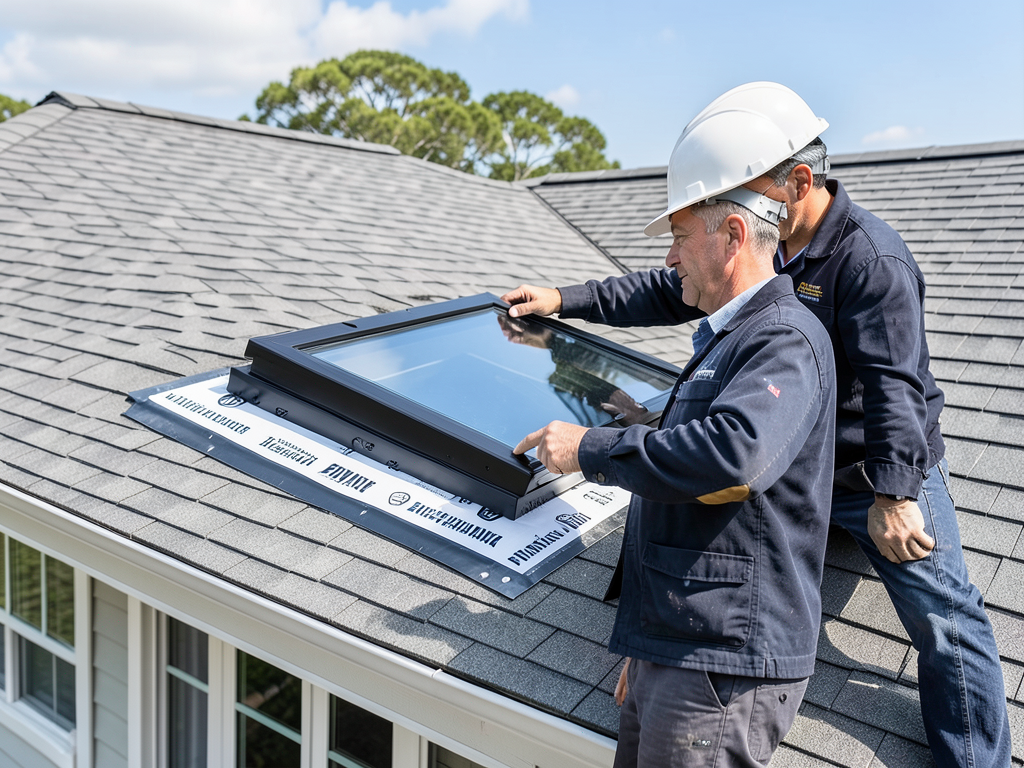
Next, examine every penetration point. Plumbing vents, exhaust fans, skylights, and chimneys are the most common leak sources. Check the rubber boot seals around vent pipes for cracking. Inspect step flashing along chimneys for gaps or corrosion. Verify that counter flashing is embedded properly in mortar joints, not just caulked against the brick.

The valleys demand close attention. Water concentrates here during heavy rain. Look for granule loss, exposed underlayment, or separated seams in valley metal. Check that shingles are cut properly along valley edges, not just bent over the metal.

Edge details matter more than most people realize. Inspect drip edge for proper installation under the underlayment on rake edges and over the underlayment on eaves. Examine fascia boards for rot or separation. Check gutter attachment points because loose gutters pull away from fascia and create water intrusion points.

Document shingle condition across all roof planes. Note cupping, curling, or missing granules. Take photos of algae growth, moss accumulation, or debris buildup. Count how many shingle tabs are damaged or torn.

A thorough roofing inspection template includes all these evaluation points. The roof maintenance checklist format ensures you inspect every vulnerable area systematically rather than scanning randomly.

How to Use Your Roof Assessment Form Effectively

Free Roof Inspection Checklist for Orlando Homeowners – Download Your Complete Residential Assessment Guide Today
01

Ground Level Evaluation

Start your inspection from the ground using binoculars. Walk the entire perimeter and photograph all roof planes. Look for obvious damage like missing shingles, lifted flashing, or sagging ridge lines. Check gutters for excessive granule accumulation, which indicates advanced shingle deterioration. Document debris buildup in valleys. This ground assessment takes 15 minutes but reveals most major problems without climbing.
02

Attic Interior Analysis

Move into the attic with a flashlight during or right after rain. Look for active leaks, water stains, or mold growth on decking and rafters. Check insulation for moisture or compression. Verify that soffit vents and ridge vents allow proper airflow. Poor attic ventilation creates heat buildup that cooks shingles from below, cutting their lifespan in half. Take temperature readings on hot days to assess ventilation effectiveness.
03

Surface Detail Documentation

If safe, access the roof surface to inspect details up close. Walk carefully and photograph every penetration, valley, and transition point. Use your roof check sheet to mark specific damage locations. Document the condition with dated photos. This creates a baseline for tracking deterioration over time and provides evidence for insurance claims. Schedule professional evaluation for any structural concerns or safety hazards you cannot assess safely.

Why Local Orlando Expertise Matters for Roof Assessments

Orlando roofs fail differently than roofs in other climates, and you need assessment criteria that reflect these local failure patterns.

All Pro Roofing Orlando developed our inspection checklist specifically for Central Florida conditions. We know that tile roofs in Winter Park fail at the hip and ridge details first because wind-driven rain penetrates beneath the curved tiles. We know that flat roofs in downtown Orlando develop ponding problems because the buildings were constructed on reclaimed swamp land that settled unevenly. We know that metal roofs on historic homes in Thornton Park corrode faster at the fastener points because of condensation issues in poorly ventilated attic spaces.

The building codes here reflect hurricane wind loads. Florida Building Code requires specific fastener patterns, underlayment types, and edge securement details. A roof inspection checklist created for Tennessee or Georgia misses these Florida-specific code requirements. When you use our residential roof inspection guide, you evaluate compliance with the actual standards your roof must meet.

Insurance companies in Florida have become extremely demanding about documentation. After Hurricane Irma, insurers started requiring detailed photo evidence of pre-existing conditions before honoring claims for storm damage. Our roof assessment form includes the specific documentation categories that Citizens Property Insurance and other Florida carriers request. You take photos from the angles adjusters need to see.

We understand the local contractor landscape. Some Orlando roofing companies push full replacements when repairs would suffice. Others ignore code violations that will cause your permit application to be rejected. Our inspection template helps you identify what actually needs attention versus what generates the highest profit margin for unethical contractors.

The seasonal timing matters here. You inspect after summer storm season and again before hurricane season. The roof maintenance checklist reminds you of this twice-yearly cycle and what to prioritize during each inspection.

What You Gain from a Structured Roof Inspection Process

Early Problem Detection

You catch failures while they are still small and inexpensive to fix. A missing shingle costs $15 to replace. The water damage from that missing shingle costs $3,000 to repair once it rots the decking and ruins your ceiling. The roofing inspection template directs your attention to the areas where problems start, like pipe boot seals and valley metal. You spot the hairline crack before it becomes a gushing leak. Regular use of the roof check sheet creates a maintenance rhythm that prevents emergency situations.

Insurance Claim Documentation

You build a documented history of your roof condition that strengthens insurance claims. Take photos using the roof assessment form every six months. When a storm hits, you prove which damage is new versus pre-existing. Insurance adjusters cannot dispute your claim when you show dated photographs of the areas in question. The residential roof inspection guide includes specific notes fields for recording shingle quantities, damage locations, and repair recommendations. This documentation often means the difference between claim approval and denial.

Budget Planning Accuracy

You make informed financial decisions about repairs versus replacement. The inspection checklist helps you track deterioration rates. If you document 15 percent shingle damage this year and 18 percent six months later, you know the failure is accelerating. You can plan for replacement in the next budget cycle rather than scrambling when the roof fails catastrophically. The roof maintenance checklist also helps you prioritize repairs by severity, tackling the critical leaks first and deferring cosmetic issues until you have funds available.

Contractor Accountability

You verify that contractors actually complete the work they charge for. Before and after photos using the same roof assessment form prove what changed. You catch sloppy repairs like improperly sealed flashing or missing drip edge. When you hire a contractor for storm repairs, the roofing inspection template helps you create a detailed scope of work. You get apples-to-apples bids because every contractor is quoting the same clearly defined repairs. You eliminate the vague estimates that lead to change orders and cost overruns.

Frequently Asked Questions

You Have Questions,
We Have Answers

What does a roof inspection include? +

A roof inspection covers the entire roofing system from shingles to structure. Inspectors examine shingle condition, flashing around chimneys and vents, underlayment exposure, and soffit ventilation. They check for missing or curling shingles, granule loss, and signs of water intrusion. In Orlando, inspectors pay close attention to hurricane damage, wind-lifted shingles, and algae growth from high humidity. They also assess gutters, downspouts, attic ventilation, and interior ceiling stains. The inspection includes documentation of findings with photos and a detailed report outlining current condition, recommended repairs, and estimated remaining lifespan.

What to look for on a roof inspection? +

Look for missing, cracked, or curling shingles that compromise waterproofing. Check flashing around chimneys, skylights, and vents for gaps or rust. Examine valleys where two roof planes meet, as these collect heavy water flow during Orlando's afternoon thunderstorms. Inspect for granule loss, which accelerates under Florida's intense UV exposure. Check soffit vents for proper airflow to prevent attic heat buildup. Look for sagging areas that indicate structural issues. Examine gutters for debris blockage and proper drainage. Search for moss, algae, or dark streaks common in Orlando's humid climate. Document any exposed nail heads or damaged pipe boots.

What are 5 very important things that are inspected in a home inspection? +

The five critical inspection areas are the roof system, structural integrity, electrical systems, plumbing, and HVAC performance. The roof protects everything below, so inspectors check for leaks, damage, and remaining lifespan. Structural inspection covers foundation stability, which matters in Orlando's clay soils that shift seasonally. Electrical panels, wiring, and grounding get scrutinized for safety and code compliance. Plumbing inspection includes supply lines, drain systems, and water heater condition. HVAC systems face intense use in Florida's heat, so inspectors test cooling efficiency, ductwork, and refrigerant levels. Each area directly impacts home safety, functionality, and value.

What does a roof inspection look like? +

A roof inspection involves both exterior and interior assessment. The inspector walks the roof surface when safe, examining shingles, flashing, and penetrations up close. They use binoculars or drones for steep or fragile roofs. Inside the attic, they check for daylight penetration, water stains, proper ventilation, and insulation levels. In Orlando, inspectors look specifically for wind damage from storms and moisture issues from humidity. They document findings with photos, thermal imaging if needed, and detailed notes. The final report includes condition ratings, repair priorities, and maintenance recommendations. The process is systematic, covering every roof component from ridge to eaves.

How much does a basic roof inspection cost? +

Basic roof inspections in Orlando typically range from no cost to several hundred dollars, depending on scope and provider. Many roofing contractors offer free inspections as part of their service to generate repair or replacement work. Independent inspectors charge fees based on roof size, complexity, and access difficulty. Steep pitches, multi-story homes, or tile roofs cost more to inspect than simple shingle roofs. Post-storm inspections may be free when coordinated with insurance claims. The investment provides valuable documentation of roof condition, helps prioritize maintenance, and can prevent expensive water damage. Always verify what the inspection includes before scheduling.

What is the biggest red flag in a home inspection? +

Active roof leaks represent the biggest red flag in home inspections. Water intrusion causes structural damage, mold growth, and electrical hazards. In Orlando, persistent leaks in humid conditions accelerate deterioration rapidly. Inspectors look for water stains on ceilings, discolored drywall, and musty odors. Foundation cracks and settlement issues also raise major concerns, especially with Orlando's clay soils that expand and contract seasonally. Faulty electrical panels, outdated wiring, or improper grounding create safety risks. Structural issues like sagging roof decking or compromised trusses require immediate attention. These problems impact habitability, safety, and can derail real estate transactions quickly.

How long does a roof inspection take? +

Most residential roof inspections take 45 minutes to two hours, depending on roof size, pitch, and complexity. Single-story homes with simple shingle roofs take less time than multi-story properties with tile, multiple valleys, or numerous penetrations. The inspector spends time on the roof surface, in the attic, and documenting findings. In Orlando, post-hurricane inspections may take longer as inspectors carefully examine wind damage and check every shingle seal. Steep roofs or safety concerns may require drone assessment, which can reduce hands-on time but increase documentation review. Complex commercial roofs or those with accessibility issues extend inspection duration significantly.

What is the first thing an inspector wants to see? +

Inspectors first want to see the overall roof condition from ground level, noting any obvious sagging, missing shingles, or structural concerns before climbing up. This initial visual assessment identifies safety risks and problem areas. In Orlando, they immediately look for storm damage, lifted shingles, or pooling water that suggests drainage issues. Once on the roof, they examine flashing details around chimneys and vents first, as these are common leak points. Inside the attic, they check for active water stains or daylight penetration through the decking. This systematic approach prioritizes safety while efficiently identifying the most critical issues affecting roof performance and longevity.

What are the 4 types of inspection? +

The four main inspection types are visual, moisture, thermal, and drone inspections. Visual inspections involve walking the roof and checking components directly. Moisture inspections use meters to detect hidden water intrusion within roofing layers, critical in Orlando's humid climate where leaks hide easily. Thermal imaging identifies temperature variations indicating missing insulation, air leaks, or moisture problems invisible to the eye. Drone inspections capture high-resolution images of steep, fragile, or dangerous roofs without physical access. Many Orlando inspectors combine methods for comprehensive assessment. Each type serves specific purposes, and professional inspectors select the appropriate approach based on roof condition, age, and client needs.

What items will fail a home inspection? +

Items that commonly fail home inspections include active roof leaks, damaged or missing shingles, improper flashing installation, and inadequate attic ventilation. Structural issues like sagging decking or compromised trusses fail inspection immediately. In Orlando, wind-damaged shingles from storms and moisture intrusion from humidity are frequent failures. Electrical problems, faulty wiring, or outdated panels fail for safety reasons. Plumbing leaks, water heater issues, and HVAC system failures also derail inspections. Foundation cracks, mold growth, and code violations prevent approval. These failures require correction before sale completion or occupancy. Addressing problems promptly protects home value and ensures safe, functional living conditions.

Orlando's Rainfall Patterns Make Roof Inspection Checklists Essential for Leak Prevention

Orlando receives 53 inches of rain per year, concentrated in violent afternoon thunderstorms from June through September. These storms dump two inches of water in 30 minutes, overwhelming gutters and testing every seal on your roof. The sheer volume of water finds weaknesses that a gentle rain would never expose. Your roof maintenance checklist must account for this stress testing that happens dozens of times each summer. Inspect immediately after major storms to catch new damage while it is obvious. The residential roof inspection guide helps you differentiate between chronic issues and acute storm damage.

All Pro Roofing Orlando has evaluated thousands of roofs throughout Orange County, from the historic bungalows in Colonialtown to the modern subdivisions in Lake Nona. We understand how different roof types perform in this climate. Tile roofs handle the rain volume well but suffer wind damage at exposed edges. Asphalt shingles resist wind better but deteriorate faster in the UV exposure. Our roof check sheet reflects these local performance patterns. We have watched roofs age through multiple hurricane seasons and know exactly where failures occur first on each architectural style common to Orlando neighborhoods.
Roofing Services in The Orlando Area

Our service area spans across the Orlando region and beyond, bringing our expert roofing solutions to homes and businesses throughout the community. We are proud to serve our neighbors and are dedicated to providing fast, reliable service right where you are. View our location and our extensive service area on the map below, and feel free to reach out to us directly to see if we can bring our professional roofing services to your neighborhood.

Address:
All Pro Roofing Orlando, 618 E South St, Orlando, FL, 32801

Additional Services We Offer

Our news updates

Latest Articles & News from The Blogs

Energy independent roofing in Wedgefield: What works and what doesn't When you live in Wedgefield zip codes 32833 and 32820…

The best roofing setups for energy independent living in the Wedgefield area

Energy independent roofing in Wedgefield: What works and what doesn't When you live in Wedgefield zip codes 32833 and 32820…

Why replacing your skylights during a full roof job in Bay Hill saves thousands later

Why replacing your skylights during a full roof job in Bay Hill saves thousands later Bay Hill homeowners with aging…

Choosing between concrete and clay tiles for your Windermere estate

Choosing between concrete and clay tiles for your Windermere estate Tile roofing dominates Central Florida's luxury market, and for good…

Contact Us

Get the complete roof assessment form used by professionals. Call All Pro Roofing Orlando at (689) 268-2855 for your free roofing inspection template. We will walk you through how to use it and provide a professional evaluation if you identify concerns.