menu

Roof Flashing Leaking in Orlando – Fast Diagnosis and Permanent Repair Before Water Damage Spreads

Central Florida's humidity and afternoon storms create perfect conditions for roof flashing leaking. Our technicians identify the exact failure point and stop water intrusion at the source.

Slider Image 1
Slider Image 2
Slider Image 3
Slider Image 4
Slider Image 5
Slider Image 7
Slider Image 8
Slider Image 9
Slider Image 10
Slider Image 11

Why Roof Flashing Fails Fast in Orlando's Climate

You see a water stain on your ceiling after yesterday's thunderstorm. You check the attic and find wet insulation near the chimney or roof valley. This is roof flashing leaking, and it happens constantly in Orlando.

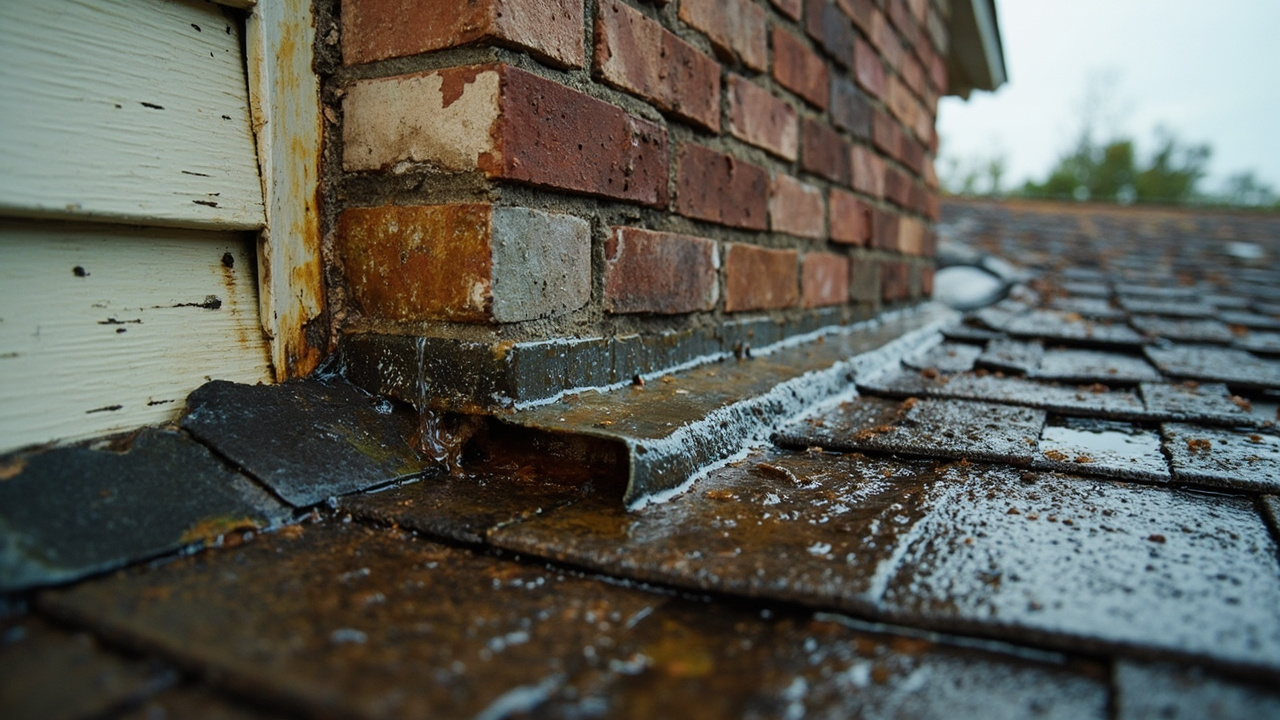
Central Florida's weather destroys flashing faster than almost anywhere in the country. Our summer humidity stays above 70 percent for months. Afternoon storms dump two inches of rain in 20 minutes. That water finds every gap in damaged roof flashing. Morning sun heats your roof to 160 degrees, then afternoon rain cools it 40 degrees in minutes. Metal expands and contracts. Sealant dries out and cracks. Rusted roof flashing develops holes you cannot see from the ground.

Flashing seal failure starts small. A tiny gap around your chimney. A lifted edge at a roof valley. Loose roof flashing where two roof planes meet. Water seeps under the shingles during every storm. It saturates your decking. It drips into your insulation. By the time you see the ceiling stain, the damage has spread to the rafters.

Orlando's subtropical climate accelerates this decay. Salt air from the coast corrodes metal. Oak pollen clogs valley flashing. Algae grows on north-facing roof sections and holds moisture against the metal. Leaky roof flashing does not fix itself. Every storm makes it worse. The water finds a path, and it takes that same path every time it rains.

You need someone who understands how Orlando weather attacks roof penetrations. Someone who knows which flashing materials survive our climate and which fail in three years.

Why Roof Flashing Fails Fast in Orlando's Climate
How We Stop Flashing Leaks Permanently

How We Stop Flashing Leaks Permanently

We do not patch leaky roof flashing with caulk and hope it holds. We remove the failed section and rebuild it correctly.

Our process starts with identifying every flashing location on your roof. Chimneys, skylights, vent pipes, roof valleys, dormers, and wall intersections. We inspect each one from the attic and the roof surface. We look for water stains on the decking, rust spots on metal, lifted sealant beads, and gaps between the flashing and roofing material.

Once we locate the damaged roof flashing, we determine why it failed. Was the original flashing installed without a cricket behind the chimney? Is the step flashing too short to overlap the shingles properly? Did someone use galvanized steel instead of copper or coated aluminum? Is the counter-flashing missing or improperly embedded in the masonry?

We remove shingles around the failed area to expose the entire flashing assembly. We pull out rusted roof flashing and rotted underlayment. If the decking is wet or soft, we replace that section. We install new ice and water barrier as a secondary protection layer. Then we fabricate new flashing from materials that survive Orlando's climate.

Step flashing gets installed one piece per shingle course, lapped correctly, and sealed at each seam. Valley flashing gets secured with cleats, not nails through the metal. Chimney flashing gets a cricket to divert water, counter-flashing embedded in the mortar joints, and a continuous bead of polyurethane sealant rated for UV exposure.

We rebuild the flashing assembly the way it should have been done originally. Then we test it.

What Happens During Your Flashing Repair

Roof Flashing Leaking in Orlando – Fast Diagnosis and Permanent Repair Before Water Damage Spreads
01

Leak Source Identification

We inspect your attic to trace water stains back to the entry point. We check every roof penetration and flashing transition from above and below. We document the damage with photos and measurements. This diagnostic phase prevents guessing and ensures we fix the actual problem, not just the visible symptom you called about.
02

Flashing Removal and Replacement

We remove shingles around the failed flashing to access the full assembly. We pull out damaged metal, rotted underlayment, and wet decking. We install new ice and water barrier, fabricate custom flashing from corrosion-resistant materials, and integrate it with your existing roof system. Each piece overlaps correctly and gets sealed at every seam to prevent future water intrusion.
03

Water Testing and Verification

We do not call the job complete until we verify the repair works. We run water over the repaired flashing for several minutes while someone monitors the attic. We check for drips, moisture, or new stains. Only after the area stays completely dry do we document the repair and clean up the work site.

Why Orlando Homeowners Choose All Pro Roofing Orlando for Flashing Repairs

Flashing repair requires precision and knowledge of local building requirements. You need someone who understands how Orlando's High Velocity Hurricane Zone building codes affect flashing installation. You need someone who knows which sealants fail in Florida heat and which ones last.

All Pro Roofing Orlando specializes in diagnosing and repairing leaky roof flashing throughout the Orlando metro area. We have worked on every roof style common to Central Florida. Spanish tile roofs with multiple hips and valleys. Architectural shingle roofs with complex dormer intersections. Flat commercial roofs with dozens of vent penetrations.

We know how afternoon thunderstorms test every weak point in your flashing system. We know how the intense UV exposure at 28 degrees north latitude degrades sealants in half the time it takes up north. We use materials engineered for subtropical climates, not whatever the supply house had in stock.

Our technicians understand the difference between a temporary patch and a permanent repair. A tube of roof cement might stop the leak for a few weeks. Properly installed step flashing with overlapping water barriers stops it for decades.

We also know when flashing repair is not enough. If your decking has significant rot, if your rafters show mold growth, or if multiple flashing locations have failed simultaneously, you may need a larger roof section replaced. We will tell you the truth about what your roof needs, not what generates the biggest invoice.

You get a detailed written assessment before we start work. You get photos of the damage and the repair. You get a clear explanation of what failed and why.

What to Expect When You Call About a Flashing Leak

Response Time and Scheduling

We schedule inspections within 48 hours for active leaks. Our technicians arrive on time with the diagnostic tools needed to locate the source. Most flashing inspections take 45 to 90 minutes, depending on roof complexity and attic access. We provide a written assessment the same day. If you approve the repair, we schedule the work within one week under normal conditions. Emergency repairs for severe leaks get prioritized. We do not leave you waiting while water damages your home.

Inspection and Assessment Process

Our inspection covers every flashing location on your roof. We check from the attic first to trace water stains to their source. Then we inspect the roof surface to examine the flashing condition. We photograph damaged areas and measure the extent of decking rot if present. You receive a detailed report explaining what failed, why it failed, and what we recommend. We break down the repair into phases if you need to address the most critical areas first and handle the rest later.

Repair Quality and Materials

We fabricate flashing on-site from materials appropriate for your roof type and Orlando's climate. Copper for tile roofs. Coated aluminum for shingle roofs. Galvalume for metal roofs. We use ice and water barrier under all flashing installations, even though code does not require it in Florida. We integrate new flashing with your existing roof system so you cannot tell where the old ends and the new begins. The repair looks clean, functions correctly, and lasts as long as your roof.

Follow-Up and Maintenance Recommendations

After we complete the repair, we provide maintenance recommendations specific to your roof. We explain which areas to monitor after heavy storms. We identify other flashing locations that may need attention in the next few years before they start leaking. We offer annual roof inspections to catch small problems before they become expensive repairs. If you experience any issues with the repaired area, we come back to evaluate it at no charge. You have direct access to the technician who did the work, not a call center.

Frequently Asked Questions

You Have Questions,
We Have Answers

How to fix leaking roof flashing? +

Fixing leaking roof flashing requires identifying the failure point first. Remove old sealant or caulk around the damaged area, then clean thoroughly. Apply roofing cement to minor gaps or cracks. For corroded or bent metal flashing, replacement is necessary. Lift surrounding shingles carefully, remove old flashing, and install new step flashing or counter flashing with proper overlap. Seal edges with roofing cement and replace shingles. Orlando's heavy summer rains and high humidity accelerate flashing deterioration, so professional assessment prevents recurring leaks. DIY fixes often fail because improper sealing or incorrect flashing angles allow water infiltration during intense afternoon thunderstorms.

Can roof flashing cause leaks? +

Yes, roof flashing causes leaks when it fails. Flashing seals vulnerable areas where your roof plane meets vertical surfaces like chimneys, skylights, vent pipes, or walls. When flashing corrodes, separates, or gets installed incorrectly, water bypasses your shingle barrier and enters the roof deck. In Orlando, constant sun exposure weakens sealants while afternoon storms test every weak point. Flashing around chimneys and valleys fails most often here because thermal expansion from heat cycling loosens connections. You might see water stains on ceilings near these areas or notice dripping during heavy rain. Flashing failure accounts for most non-shingle related roof leaks.

How much does it cost to repair flashing on a roof? +

Flashing repair in Orlando typically ranges from affordable fixes to significant investments, depending on location and damage extent. Simple resealing around a single vent pipe costs less than replacing chimney flashing that requires partial shingle removal. Valley flashing replacement runs higher because it involves more labor and materials. Skylight flashing repair sits mid-range. Costs increase if your roof deck shows water damage requiring replacement. Factors include roof pitch, accessibility, and metal type. Aluminum flashing costs less than copper. Get multiple quotes from licensed roofers familiar with Orlando building codes. Avoid contractors quoting without roof inspection, they miss hidden damage.

Are roofers responsible for flashing? +

Yes, roofers are responsible for installing and repairing flashing. Proper flashing installation is fundamental roofing work, not an optional add-on. Professional roofers should assess flashing condition during roof replacements and repairs, recommending replacement when compromised. In Orlando, quality roofers understand how summer heat and hurricane force winds stress flashing connections. They use appropriate materials for Florida's climate and follow manufacturer specifications for overlap and fastening. If your roofer installed or repaired flashing that subsequently leaked due to improper installation, they bear responsibility. However, leaks from age-related deterioration or storm damage fall outside installation warranties. Always verify your roofer addresses flashing during estimates.

Does homeowners insurance cover flashing repair? +

Homeowners insurance typically covers flashing repair when sudden events like hurricanes, fallen trees, or windstorm damage cause the failure. Insurance rarely covers flashing deterioration from age, poor maintenance, or gradual wear. In Orlando, wind-driven rain during hurricanes often lifts flashing, creating valid claims. Document damage with photos immediately after storms. Your adjuster will determine if damage resulted from a covered peril or pre-existing deterioration. Some policies exclude wear and tear explicitly. If water damage occurred inside your home due to failed flashing after a covered event, interior repairs may be covered. Review your policy declarations and contact your agent promptly after discovering storm-related flashing damage.

Does flex seal work on roof flashing? +

Flex Seal provides temporary emergency stopgap, not permanent flashing repair. The product may slow minor leaks temporarily, but it fails under Orlando's intense UV exposure and temperature swings. Professional roofers avoid Flex Seal because it creates problems during proper repairs. The rubberized coating prevents new flashing from adhering correctly and traps moisture against metal, accelerating corrosion. Heavy afternoon storms overwhelm these temporary patches quickly. Flex Seal also voids manufacturer warranties on roofing materials. If you need immediate leak stoppage before professional repair, use it sparingly and disclose application to your roofer. Proper flashing repair requires metal replacement or professional-grade sealants designed for roofing applications.

Can you replace flashing without replacing the roof? +

Yes, you can replace flashing without replacing the entire roof. Roofers carefully lift surrounding shingles, remove damaged flashing, install new metal pieces, then relay shingles. This works well when shingles remain in good condition but flashing has corroded or separated. Common replacements include chimney flashing, valley flashing, and vent pipe boots. The process requires skill to avoid breaking shingles during removal. In Orlando, isolated flashing replacement makes sense for newer roofs with localized failures from storm damage. However, if your roof nears the end of its lifespan, replace everything together. Mixing old shingles with new flashing creates mismatched warranties and potential leak points.

What are signs of failing roof flashing? +

Failing roof flashing shows several warning signs. Water stains on ceilings or walls near chimneys, skylights, or roof valleys indicate flashing compromise. Rust streaks on metal flashing signal corrosion. Visible gaps between flashing and roof surface allow water entry. Lifted or bent flashing edges fail to shed water properly. In Orlando, check attic spaces after heavy afternoon storms for active dripping near flashing locations. Peeling paint on interior walls adjacent to roof penetrations suggests moisture infiltration. Musty odors near these areas indicate hidden water damage. Inspect flashing annually before hurricane season. Catching separation or deterioration early prevents expensive interior damage during summer storms.

Is it normal for a roof to leak in heavy rain? +

No, properly installed roofs should not leak during heavy rain, even Orlando's intense afternoon thunderstorms. Leaks during downpours indicate existing problems with flashing, damaged shingles, or compromised roof penetrations. Heavy rain simply exposes weaknesses that light rain does not test. Wind-driven rain pushes water into gaps that gravity alone would not penetrate. If your roof only leaks during severe weather, flashing failure around chimneys or valleys is the likely culprit. Water may travel along roof decking before appearing inside, making the entry point hard to locate. Schedule professional inspection immediately. Ignoring storm-related leaks leads to mold growth in Orlando's humid climate and structural damage.

What is the lifespan of roof flashing? +

Roof flashing lifespan depends on material and installation quality. Aluminum flashing lasts 20 to 30 years. Galvanized steel lasts 15 to 20 years before corrosion weakens it. Copper flashing can last 50 years or more but costs significantly more. In Orlando, constant sun exposure and high humidity shorten these ranges by several years. Poor installation reduces lifespan dramatically regardless of material quality. Flashing around chimneys and skylights fails faster than vent pipe boots due to greater thermal stress. Inspect flashing every 3 to 5 years and after hurricanes. Replace flashing when replacing your roof to maintain warranty coverage and prevent mixing old and new materials.

How Orlando's Afternoon Storms Expose Every Flashing Weakness

Orlando gets 50 inches of rain per year, most of it between June and September. Our summer thunderstorms do not drizzle. They dump torrential rain for 20 minutes with winds gusting to 40 miles per hour. That wind-driven rain hits your roof horizontally and finds every gap in loose roof flashing. It backs up behind clogged valleys. It pools around chimneys without crickets. A flashing installation that works fine in a gentle rain fails completely when water hammers it sideways at high volume. Your roof needs flashing designed for Central Florida storm intensity, not standard residential construction.

All Pro Roofing Orlando has repaired flashing leaks in every Orlando neighborhood, from College Park bungalows to Lake Nona new construction. We understand how different roof styles common to this area develop different flashing problems. We know which local roofing suppliers stock quality materials and which ones sell products that fail in three years. When you hire a company that works exclusively in the Orlando metro area, you get someone who has seen your exact problem a hundred times and knows the repair that actually lasts.
Roofing Services in The Orlando Area

Our service area spans across the Orlando region and beyond, bringing our expert roofing solutions to homes and businesses throughout the community. We are proud to serve our neighbors and are dedicated to providing fast, reliable service right where you are. View our location and our extensive service area on the map below, and feel free to reach out to us directly to see if we can bring our professional roofing services to your neighborhood.

Address:
All Pro Roofing Orlando, 618 E South St, Orlando, FL, 32801

Additional Services We Offer

Our news updates

Latest Articles & News from The Blogs

Energy independent roofing in Wedgefield: What works and what doesn't When you live in Wedgefield zip codes 32833 and 32820…

The best roofing setups for energy independent living in the Wedgefield area

Energy independent roofing in Wedgefield: What works and what doesn't When you live in Wedgefield zip codes 32833 and 32820…

Why replacing your skylights during a full roof job in Bay Hill saves thousands later

Why replacing your skylights during a full roof job in Bay Hill saves thousands later Bay Hill homeowners with aging…

Choosing between concrete and clay tiles for your Windermere estate

Choosing between concrete and clay tiles for your Windermere estate Tile roofing dominates Central Florida's luxury market, and for good…

Contact Us

Every day you wait, water damages more of your roof structure. Call All Pro Roofing Orlando now at (689) 268-2855. We will schedule your inspection, identify the problem, and give you a clear repair plan. No guessing. No surprises.