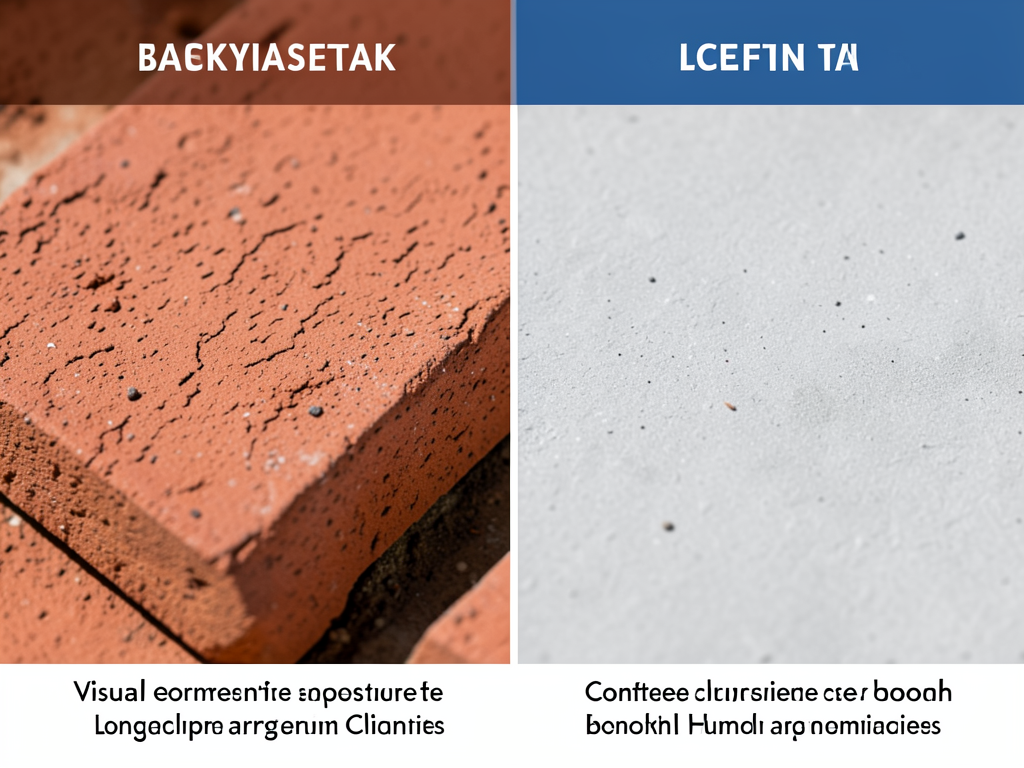
Orlando's subtropical climate maintains humidity levels above 70% for most of the year, creating an environment where algae and moss spores germinate within days of landing on your roof. The gloeocapsa magma algae strain common to Central Florida feeds on limestone fillers in asphalt shingles, creating black streaks that spread rapidly. Neighborhoods with heavy oak canopy coverage like Audubon Park and Lake Eola Heights experience accelerated contamination because tree shade prevents the UV sterilization and drying that naturally occurs on exposed roofs. Spanish moss and pollen from live oaks compound the problem, creating organic layers that trap moisture and accelerate shingle degradation.
Understanding Orlando's microclimates makes the difference between temporary cleaning and lasting protection. Roofs facing north or shaded by mature trees need more frequent maintenance than south-facing, sun-exposed sections. We have cleaned thousands of roofs across Orange County and recognize the contamination patterns specific to each neighborhood's tree species, lake proximity, and prevailing wind patterns. This experience allows us to recommend accurate maintenance intervals rather than generic timelines that waste your money or leave your roof vulnerable. Local expertise matters when your roof's lifespan depends on fighting biology unique to Central Florida.