
Why your Reunion resort home might have hail damage even if the tiles look fine
Tiles on your Reunion resort home can look perfect after a storm but still have serious damage hiding underneath. Hail often cracks the protective underlayment beneath the tiles without leaving visible marks on the surface. This creates a perfect storm for water intrusion that can rot your roof deck before you ever see a leak inside your home.
Many Reunion homeowners assume their concrete or clay tiles are bulletproof against hail. That assumption can cost thousands in repairs when the underlayment fails months after the storm. Florida Building Code requires specific impact resistance for tile roofs in hail zones but even Class 4 rated systems can fail if the underlayment takes a direct hit from large hailstones. Florida Building Code.
The problem gets worse in Reunion because many homes sit at higher elevations with less tree cover. That means your roof takes the full force of every hailstone that falls. Add in Florida’s intense UV exposure that makes tiles more brittle over time and you have a recipe for underlayment failure that standard visual inspections will miss. Reliable Roof Inspection Services for Home Buyers in Winter Garden.
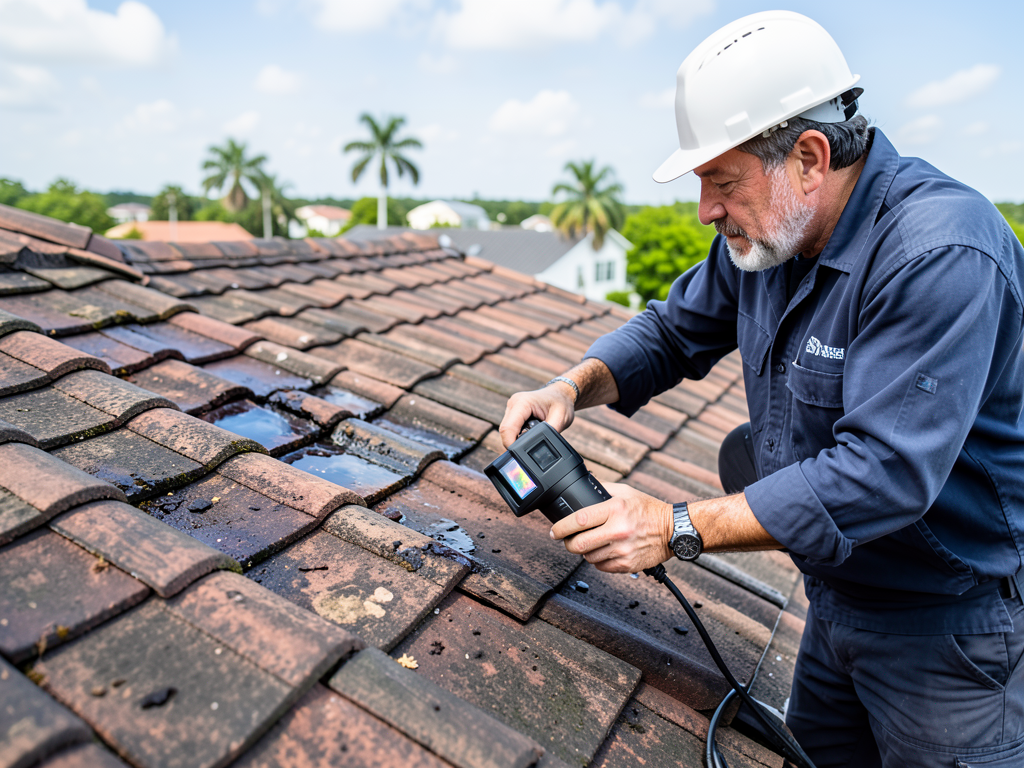
Professional hail inspections use thermal imaging and moisture meters to find damage that the naked eye cannot see. These tools can detect wet underlayment patterns that indicate where hail impacts broke the waterproof seal. Without this technology you might think your roof survived the storm when it is actually deteriorating from the inside out.
Understanding how hail damage works on tile roofs can save you from costly surprises. The damage often shows up as water stains on ceilings weeks or months after the storm when the underlayment finally fails completely. By then the damage to your roof deck and attic insulation can be extensive.
Reunion resort homes need specialized inspection after any significant hail event. The combination of tile weight, underlayment type and local weather patterns means standard roofing assessments often miss the early warning signs of hail damage. Getting a proper inspection can mean the difference between a simple repair and a full roof replacement. Choosing Between Shingle and Tile Roofs for Your Central Florida Home.
What hail damage looks like on tile roofs
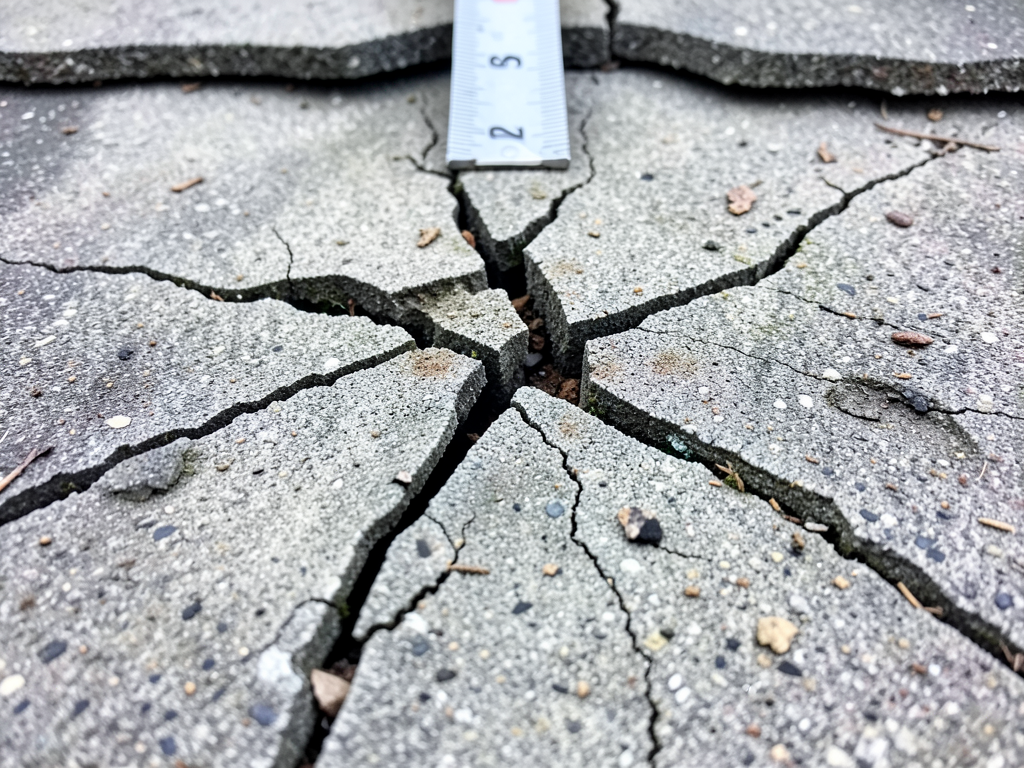
Hail damage on tile roofs does not always show up as cracked or broken tiles. The most common signs include star shaped fractures in the tile surface and spalling where pieces of the tile surface flake off. These damage patterns often appear as small crescent shaped chips along the edges of tiles where hailstones hit at an angle.
Concrete tiles tend to show more surface spalling than clay tiles after hail impacts. The Portland cement surface of concrete tiles can develop a sandpaper like texture where hail has knocked off the protective glaze. Clay tiles are more likely to show star shaped cracks that radiate from the point of impact.
The real danger is what you cannot see. Hail impacts can cause the underlayment to tear or separate from the roof deck even when the tile above looks intact. This hidden damage allows water to seep into your attic where it can cause mold growth and wood rot before you notice any signs inside your home.
Temperature changes make the problem worse. Florida’s afternoon thunderstorms create rapid heating and cooling cycles that cause the underlayment to expand and contract. Hail damage creates weak points that fail faster under these thermal stresses. That is why damage that looks minor right after a storm can become severe within weeks.
Professional inspectors look for specific patterns when checking for hail damage. They examine the slope of your roof since hail tends to hit the upper portions of south facing slopes hardest. They also check areas around roof penetrations like vents and chimneys where hail impact angles change and damage patterns shift.
Different tile profiles show damage differently. Spanish S tiles might hide small cracks in their curves while flat tiles show every impact mark. Understanding these variations helps inspectors determine if what they are seeing is hail damage or normal wear and tear from Florida’s harsh sun.
The hidden danger underlayment failure
The underlayment is the waterproof barrier between your tile and the roof deck. When hail hits with enough force it can tear this membrane even if the tile above remains intact. This creates a perfect path for water to enter your home without any visible damage to the tiles themselves.
Most Reunion resort homes use either asphalt felt or synthetic underlayment under their tiles. Asphalt felt is more vulnerable to hail damage because it can tear when hailstones hit with sharp edges. Synthetic underlayments resist tearing better but can still develop holes that allow water intrusion over time.
The problem compounds because tile roofs rely on gravity and overlapping layers for water shedding. When the underlayment fails the entire water management system breaks down. Water that should run off your roof instead seeps into the underlayment and follows gravity into your attic space.
Moisture trapped under damaged underlayment creates the perfect environment for mold growth. Florida’s high humidity means that even small amounts of water can lead to significant mold problems within 24 to 48 hours. This hidden mold can spread through your attic and into your home’s air circulation system.
Underlayment failure often shows up first as ceiling stains inside your home. By the time you see these stains the damage under your roof is already extensive. The underlayment may have been leaking for weeks or months allowing water to rot the roof deck and insulation below.
Professional moisture scanning can detect underlayment failure before visible signs appear inside. These scans use infrared technology to find temperature differences that indicate wet areas under your tiles. This technology can save thousands in repair costs by catching problems early.
Orlando building codes and tile replacement rules
Florida Building Code Section 706 governs tile roofing in high wind and hail zones. The code requires specific underlayment types and installation methods for tile roofs in Orlando’s climate. Understanding these requirements helps you know if your roof meets current standards or needs upgrades after hail damage. Is Solar Roofing Actually Worth the Investment for Orlando Residents?.
The 25 percent rule is critical for tile roof repairs in Florida. If hail damage affects more than 25 percent of your roof area the building code may require a full replacement rather than spot repairs. This rule exists because partial replacements often create weak points that fail during future storms.
Orange County requires building permits for all tile roof repairs over a certain size. The permit process ensures that repairs meet current code requirements for underlayment and fastening. Skipping permits might save money short term but can create liability issues if the repairs fail later.
Tile roofs in Reunion must meet High Velocity Hurricane Zone standards. These standards require specific fastening patterns and underlayment types that resist both wind uplift and water intrusion. Hail damage can compromise these systems even when the tiles themselves remain attached to the roof.
The building code also addresses matching existing tiles during repairs. Finding exact matches for discontinued tile profiles can be difficult especially on older Reunion homes. The code allows for blending new tiles with old but requires that the repair maintain the roof’s overall water shedding ability.
Permit requirements vary by municipality around Orlando. While Reunion falls under Orange County rules other nearby communities might have different requirements. Always check local permit requirements before starting any tile roof repairs after hail damage.
Navigating the insurance claim process in Central Florida
Florida insurance claims for hail damage follow specific timelines and documentation requirements. You generally have one year from the date of loss to file a claim for hail damage. Missing this deadline can mean paying for repairs out of pocket even if the damage is clearly storm related.
Insurance companies require detailed documentation of hail damage before they will approve claims. This includes date stamped photos of the damage, professional inspection reports and sometimes drone footage of the entire roof. Without this documentation adjusters often deny claims or offer settlements that do not cover full repairs.
The claims process starts with a professional inspection that documents all damage. This inspection should include both visible tile damage and hidden underlayment issues. Insurance adjusters look for both types of damage when determining claim coverage and repair scope.
Florida Senate Bill 76 changed how insurance companies handle roof claims. The law requires insurers to provide specific documentation when denying claims and limits their ability to use depreciation as a reason for low settlements. Understanding these rights helps you negotiate better outcomes with your insurance company.
Public adjusters can help with complex hail damage claims but charge fees of 10 to 20 percent of the settlement. For large claims this fee might be worth it but for smaller repairs you might save money by working directly with your insurance company’s adjuster.
The claims process often takes 30 to 60 days from inspection to final settlement. During this time you should not make permanent repairs that could affect the claim. Temporary repairs like tarps are usually fine but avoid replacing tiles or underlayment until the claim is settled.
Clay vs concrete tiles which fares better
Clay tiles and concrete tiles respond differently to hail impacts. Clay tiles are more brittle but often have thicker surfaces that resist surface damage better than concrete. Concrete tiles are more flexible but can develop surface spalling that weakens their protective layer over time.
Class 4 impact resistance ratings apply to both clay and concrete tiles but achieving this rating requires specific manufacturing processes. Not all tiles with these labels actually meet the highest impact standards. Always verify the actual test ratings rather than relying on marketing claims.
Heat affects tile durability in Florida’s climate. Clay tiles handle thermal expansion better than concrete which can help them resist cracking during the rapid temperature changes that follow afternoon thunderstorms. This thermal stability can make clay tiles slightly better for hail resistance over time.
Weight differences matter for installation and repair. Clay tiles weigh about 900 pounds per square while concrete tiles weigh around 1,200 pounds. This weight difference affects how tiles attach to the roof deck and how they respond to hail impacts and wind forces.
Cost factors also play a role in repair decisions. Clay tiles typically cost 20 to 30 percent more than concrete but often last longer in Florida’s climate. The higher upfront cost might be worth it if your area experiences frequent hail storms.
Both tile types can suffer underlayment damage from hail even when the surface tiles look fine. The underlayment failure patterns are similar regardless of tile material so the inspection and repair processes remain the same for both clay and concrete tiles.
Professional inspection process drone vs physical walk
Professional hail inspections use multiple methods to find damage that homeowners cannot see. Drone inspections provide a complete view of your roof without walking on potentially damaged tiles. These drones use high resolution cameras to spot small cracks and chips that indicate hail impact points.
Physical walk inspections allow inspectors to check tile attachment and underlayment integrity directly. Walking the roof lets technicians feel for loose tiles and check flashing details that drones cannot see clearly. However walking on hail damaged tiles risks causing additional damage if the tiles are already weakened.
Thermal imaging scans detect moisture patterns under your tiles that indicate where underlayment has failed. These scans show temperature differences that reveal wet areas even when the surface looks dry. This technology can find problems months before they cause visible leaks inside your home.
Moisture meters provide another layer of diagnostic information. These tools measure the moisture content of your roof deck and insulation below the tiles. High moisture readings in specific patterns often indicate where hail impacts broke the underlayment seal.
Professional inspections typically take two to four hours depending on roof size and complexity. The inspector documents all findings with photos and written reports that you can use for insurance claims. This documentation becomes critical if you need to prove hail damage occurred during a specific storm.
DIY inspections often miss critical damage signs. Without proper training and equipment homeowners frequently overlook underlayment failure that will cause problems later. Professional inspections cost between $200 and $500 but can save thousands by catching problems early.
Cost factors for tile roof repair in Orlando
Ttile roof repairs in Orlando vary widely based on damage extent and tile type. Simple tile replacements might cost $300 to $500 per square while underlayment repairs can run $800 to $1,200 per square. The wide range reflects the complexity of working with tile roofing systems. Best Roofing Materials for Older Bungalows in Thornton Park.
Matching discontinued tile profiles adds significant cost to repairs. Finding exact matches for tiles installed 10 or 20 years ago often requires searching multiple suppliers or using tile staining to blend new tiles with old. This matching process can add 25 to 50 percent to repair costs.
Underlayment replacement is often the most expensive part of hail damage repairs. Removing tiles to access the underlayment requires careful handling to avoid breaking additional tiles. The labor costs for this process often exceed the material costs for the underlayment itself.
Permit fees for tile repairs in Orange County typically range from $150 to $300 depending on project scope. These fees are required for most repairs over 100 square feet and ensure that work meets current building code requirements.
Insurance coverage affects your out of pocket costs significantly. If your policy includes full replacement cost value coverage you might pay only your deductible for repairs. Actual cash value policies deduct depreciation which can leave you responsible for thousands in repair costs.
Timing affects repair costs in Florida’s roofing market. After major hail storms demand for roofing services spikes and prices often increase 10 to 20 percent. Getting inspections and filing claims quickly can help you avoid these seasonal price increases. TPO vs EPDM Roofing Guide.
Impact of hail on solar panels common on Orlando tile roofs
Many Reunion resort homes combine tile roofs with solar panel installations. Hail affects these systems differently than standard roofing. Solar panels are designed to withstand hail up to one inch in diameter but larger hailstones can crack the tempered glass covers.
Tile roofs provide some protection for solar panels during hail storms. The tiles absorb the initial impact of smaller hailstones before they reach the panels below. However this protection decreases as tiles age and become more brittle from UV exposure.
Solar panel mounting systems on tile roofs create additional vulnerability points. The penetrations required for mounting rails can become leak points if the underlayment around them is damaged by hail. These areas need special inspection after any significant hail event.
Microcracks in solar panels from hail impacts might not be visible but can reduce system efficiency by 10 to 30 percent. These cracks allow moisture to enter the panel over time causing corrosion and electrical failures. Professional solar inspectors use electroluminescence testing to find these hidden damages.
Insurance claims for hail damaged solar panels often require separate documentation from roofing claims. Most homeowner policies cover solar panels but the claim process can be more complex due to the specialized nature of the equipment and installation.
The combination of tile roofing and solar panels requires specialized inspection after hail storms. Inspectors must check both the roofing system and the solar installation for damage that might not be obvious from ground level inspection.
Frequently Asked Questions
How can I tell if my tile roof has hail damage?
Look for star shaped cracks in tiles, small chips along tile edges and spalling where the tile surface flakes off. However the most serious damage often affects the underlayment beneath intact tiles. Professional thermal imaging and moisture scanning can find this hidden damage that homeowners cannot see.
Will my insurance cover hail damage to my tile roof?
Most homeowner policies cover hail damage but coverage varies by policy type. Replacement cost policies typically cover full repairs while actual cash value policies deduct depreciation. Florida law requires specific documentation for hail damage claims so professional inspection reports are essential for approval.
How long do I have to file a hail damage claim in Florida?
Florida law generally gives you one year from the date of the hail storm to file a claim. Missing this deadline can mean paying for repairs yourself even if the damage is clearly storm related. File claims as soon as possible after discovering damage to avoid missing deadlines.
Should I repair or replace my hail damaged tile roof?
The Florida Building Code 25 percent rule often determines if repairs or replacement is required. If hail damage affects more than 25 percent of your roof area building code may require full replacement. Professional inspection can determine the extent of damage and recommend the appropriate repair approach.
How much does tile roof hail damage repair cost in Orlando?
Repair costs range from $300 to $500 per square for simple tile replacement up to $1,200 per square for underlayment repairs. Matching discontinued tiles and permit requirements can add 25 to 50 percent to these costs. Insurance coverage significantly affects your out of pocket expenses.
Can I walk on my tile roof to check for hail damage myself?
Walking on tile roofs risks causing additional damage especially if the tiles are already weakened by hail impacts. The weight of a person can crack tiles that look intact from the ground. Professional inspections use drones and specialized equipment to examine roofs without causing damage.
What should I do immediately after a hail storm hits my area?
Document the hail event with date and time notes and any visible damage photos from the ground. Do not make permanent repairs that could affect insurance claims. Contact a professional roofing inspector to assess damage before filing insurance claims or starting repairs.
How long does hail damage take to show up on a tile roof?
Some hail damage shows immediately as cracked tiles but underlayment failure can take weeks or months to cause visible leaks. Florida’s heat and humidity accelerate deterioration of damaged underlayment. Professional moisture scanning can find this hidden damage before it causes interior water damage.
Are clay or concrete tiles better for hail resistance?
Both tile types can achieve Class 4 impact ratings but they fail differently. Clay tiles are more brittle but resist surface spalling better. Concrete tiles flex more but can develop sandpaper like surface damage. Both types can suffer underlayment failure from hail impacts that is not visible from the surface.
Do I need permits for hail damage repairs to my tile roof?
Orange County requires permits for most tile roof repairs over 100 square feet. Permit fees typically range from $150 to $300. These permits ensure repairs meet current building code requirements for underlayment and fastening. Skipping permits can create liability issues if repairs fail later.
Take action before hidden damage becomes a major problem
Hail damage on tile roofs creates a ticking clock scenario. The damage might look minor or even invisible right after a storm but the underlayment failure it causes can lead to thousands in repairs if left unchecked. Reunion resort homes face unique risks because of their elevation and exposure to direct hail impacts.
Professional inspection is the only way to know for sure if your roof has hail damage. The combination of thermal imaging, moisture scanning and physical assessment can find problems that standard visual inspections miss. This thorough approach saves money by catching damage early before it spreads to your roof deck and interior.
Insurance claims for hail damage require specific documentation that only professional inspectors can provide. Without proper documentation adjusters often deny claims or offer settlements that do not cover full repairs. Getting a professional inspection before filing claims increases your chances of approval and fair settlement.
The cost of inspection is minimal compared to the potential repair costs from undetected hail damage. A $200 to $500 inspection can save you from $5,000 to $20,000 in repairs by catching problems early. This small investment provides peace of mind and protects your home from water damage.
Time matters when dealing with hail damage. The longer you wait the more the damage spreads and the more expensive repairs become. Underlayment that starts as a small tear can become a major leak during the next thunderstorm. Fast action prevents minor damage from becoming a major problem. For more information, visit National Fire Protection Association.
Call (689) 268-2855 today to schedule your professional hail damage inspection. Our team uses thermal imaging and moisture scanning to find hidden damage that other inspectors miss. We provide detailed reports you can use for insurance claims and repair planning. Do not wait until water stains appear on your ceiling to discover you have hail damage. Pick up the phone and call (689) 268-2855 before the next storm hits.
{
“@context”: “https://schema.org”,
“@type”: “BlogPosting”,
“headline”: “Why your Reunion resort home might have hail damage even if the tiles look fine”,
“description”: “Discover how hail can secretly damage your Reunion resort tile roof and what Orlando homeowners need to know about hidden underlayment failure and insurance claims.”,
“wordCount”: 3508,
“datePublished”: “2026-06-04T14:33:00.000Z”,
“dateModified”: “2026-06-04T14:33:00.000Z”,
“inLanguage”: “en-US”,
“mainEntityOfPage”: {
“@type”: “WebPage”,
“@id”: “https://allproroofingorlando.com”
},
“publisher”: {
“@type”: “LocalBusiness”,
“name”: “All Pro Roofing Orlando”,
“url”: “https://allproroofingorlando.com”
},
“author”: {
“@type”: “Organization”,
“name”: “All Pro Roofing Orlando”,
“url”: “https://allproroofingorlando.com”
},
“image”: {
“@type”: “ImageObject”,
“url”: “https://allproroofingorlando.com/wp-content/uploads/2026/03/why-your-reunion-resort-home-might-have-hail-damag-1.png”
}
}
{
“@context”: “https://schema.org”,
“@type”: “RoofingContractor”,
“name”: “All Pro Roofing Orlando”,
“url”: “https://allproroofingorlando.com”,
“address”: {
“@type”: “PostalAddress”,
“addressLocality”: “Orlando”
},
“areaServed”: {
“@type”: “City”,
“name”: “Orlando”
}
}
{
“@context”: “https://schema.org”,
“@type”: “FAQPage”,
“mainEntity”: [
{
“@type”: “Question”,
“name”: “How can I tell if my tile roof has hail damage?”,
“acceptedAnswer”: {
“@type”: “Answer”,
“text”: “Look for star shaped cracks in tiles, small chips along tile edges and spalling where the tile surface flakes off. However the most serious damage often affects the underlayment beneath intact tiles. Professional thermal imaging and moisture scanning can find this hidden damage that homeowners cannot see.”
}
},
{
“@type”: “Question”,
“name”: “Will my insurance cover hail damage to my tile roof?”,
“acceptedAnswer”: {
“@type”: “Answer”,
“text”: “Most homeowner policies cover hail damage but coverage varies by policy type. Replacement cost policies typically cover full repairs while actual cash value policies deduct depreciation. Florida law requires specific documentation for hail damage claims so professional inspection reports are essential for approval.”
}
},
{
“@type”: “Question”,
“name”: “How long do I have to file a hail damage claim in Florida?”,
“acceptedAnswer”: {
“@type”: “Answer”,
“text”: “Florida law generally gives you one year from the date of the hail storm to file a claim. Missing this deadline can mean paying for repairs yourself even if the damage is clearly storm related. File claims as soon as possible after discovering damage to avoid missing deadlines.”
}
},
{
“@type”: “Question”,
“name”: “Should I repair or replace my hail damaged tile roof?”,
“acceptedAnswer”: {
“@type”: “Answer”,
“text”: “The Florida Building Code 25 percent rule often determines if repairs or replacement is required. If hail damage affects more than 25 percent of your roof area building code may require full replacement. Professional inspection can determine the extent of damage and recommend the appropriate repair approach.”
}
},
{
“@type”: “Question”,
“name”: “How much does tile roof hail damage repair cost in Orlando?”,
“acceptedAnswer”: {
“@type”: “Answer”,
“text”: “Repair costs range from $300 to $500 per square for simple tile replacement up to $1,200 per square for underlayment repairs. Matching discontinued tiles and permit requirements can add 25 to 50 percent to these costs. Insurance coverage significantly affects your out of pocket expenses.”
}
},
{
“@type”: “Question”,
“name”: “Can I walk on my tile roof to check for hail damage myself?”,
“acceptedAnswer”: {
“@type”: “Answer”,
“text”: “Walking on tile roofs risks causing additional damage especially if the tiles are already weakened by hail impacts. The weight of a person can crack tiles that look intact from the ground. Professional inspections use drones and specialized equipment to examine roofs without causing damage.”
}
},
{
“@type”: “Question”,
“name”: “What should I do immediately after a hail storm hits my area?”,
“acceptedAnswer”: {
“@type”: “Answer”,
“text”: “Document the hail event with date and time notes and any visible damage photos from the ground. Do not make permanent repairs that could affect insurance claims. Contact a professional roofing inspector to assess damage before filing insurance claims or starting repairs.”
}
},
{
“@type”: “Question”,
“name”: “Are clay or concrete tiles better for hail resistance?”,
“acceptedAnswer”: {
“@type”: “Answer”,
“text”: “Both tile types can achieve Class 4 impact ratings but they fail differently. Clay tiles are more brittle but resist surface spalling better. Concrete tiles flex more but can develop sandpaper like surface damage. Both types can suffer underlayment failure from hail impacts that is not visible from the surface.”
}
},
{
“@type”: “Question”,
“name”: “Do I need permits for hail damage repairs to my tile roof?”,
“acceptedAnswer”: {
“@type”: “Answer”,
“text”: “Orange County requires permits for most tile roof repairs over 100 square feet. Permit fees typically range from $150 to $300. These permits ensure repairs meet current building code requirements for underlayment and fastening. Skipping permits can create liability issues if repairs fail later.”
}
}
]
}
{
“@context”: “https://schema.org”,
“@type”: “BreadcrumbList”,
“itemListElement”: [
{
“@type”: “ListItem”,
“position”: 1,
“name”: “Home”,
“item”: “https://allproroofingorlando.com”
},
{
“@type”: “ListItem”,
“position”: 2,
“name”: “Blog”,
“item”: “https://allproroofingorlando.com/blog”
},
{
“@type”: “ListItem”,
“position”: 3,
“name”: “Why your Reunion resort home might have hail damage even if the tiles look fine”
}
]
}
{
“@context”: “https://schema.org”,
“@type”: “Service”,
“serviceType”: “Roofing”,
“provider”: {
“@type”: “LocalBusiness”,
“name”: “All Pro Roofing Orlando”,
“url”: “https://allproroofingorlando.com”
},
“areaServed”: {
“@type”: “City”,
“name”: “Orlando”
},
“description”: “Discover how hail can secretly damage your Reunion resort tile roof and what Orlando homeowners need to know about hidden underlayment failure and insurance claims.”
}