
Best Roofing Materials for Older Bungalows in Thornton Park
Choosing the right roofing material for your historic Thornton Park bungalow means balancing architectural authenticity with Orlando’s harsh climate demands. The neighborhood’s 1920s Craftsman and bungalow homes require materials that honor their original character while providing modern protection against hurricane-force winds and intense UV exposure.
Thornton Park’s mature oak canopy creates unique challenges for roofing systems. The dense shade promotes moss growth on certain materials while fallen acorns and branches can damage more delicate surfaces. Local building codes in the Thornton Park Historic District also impose specific requirements for material appearance and installation methods.
Architectural Considerations for Thornton Park Homes
The neighborhood features predominantly low-pitched roofs with wide eaves typical of early 20th-century Florida architecture. These design elements affect material selection since steeper slopes accommodate different products than the gentle 4:12 to 6:12 pitches common in Thornton Park. Florida Building Code.
Many homes feature original wood shake or clay tile roofing that has reached the end of its service life. Modern replacements must match the visual character while meeting current Florida Building Code requirements for wind resistance and impact protection.
Top Roofing Materials for Historic Bungalows
Asphalt Architectural Shingles
High-quality architectural shingles offer the best combination of affordability and durability for Thornton Park bungalows. Modern laminated shingles can mimic the dimensional appearance of wood shakes while providing Class 4 impact resistance against hail and debris.
Look for products with algae-resistant granules and high wind ratings (130+ mph) to withstand Orlando’s storm season. The weight and profile of architectural shingles work well with the structural systems found in homes built during the 1920s and 1930s.
Concrete Barrel Tiles
Concrete barrel tiles provide authentic Spanish Colonial appearance while offering superior durability in Florida’s climate. These tiles resist UV degradation and can last 50+ years with proper maintenance. The curved profile promotes excellent water shedding and debris removal.. Read more about How proper attic ventilation saves your Celebration roof from the extreme Florida heat.
Installation requires reinforced roof decking to support the additional weight. Professional installation includes proper underlayment and fastening systems to prevent uplift during hurricanes. The tiles’ thermal mass helps reduce cooling costs in Orlando’s hot summers.
Metal Roofing Systems
Standing seam metal roofing offers exceptional longevity and energy efficiency for Thornton Park homes. The concealed fastener system eliminates penetration points that can lead to leaks. Modern coatings reflect solar radiation, reducing attic temperatures by up to 30 degrees.
Metal panels can be formed to match traditional bungalow profiles. The material withstands 140+ mph winds when properly installed according to Florida Building Code requirements. Many historic preservation boards now approve metal roofing for its durability and authentic appearance when finished with appropriate coatings.
Climate-Specific Performance Factors
Orlando’s climate creates specific demands on roofing materials. High humidity promotes algae and mold growth, while intense UV radiation degrades organic materials. Hurricane season requires wind ratings exceeding 130 mph for most structures.
Temperature fluctuations cause expansion and contraction in many materials. Clay tiles and metal roofing handle these cycles better than asphalt products. The mature tree canopy in Thornton Park also means dealing with falling branches and accumulated leaf debris.
Historic District Compliance Requirements
The Thornton Park Historic District imposes specific guidelines on roofing replacements. Materials must maintain the neighborhood’s architectural character while meeting current safety standards. The City of Orlando Historic Preservation Board reviews all exterior modifications.
Key requirements include maintaining original roof pitches, using historically appropriate colors and textures, and ensuring proper flashing details. Some materials may require special approval if they deviate significantly from original construction methods.
Installation and Underlayment Considerations
Proper installation proves as important as material selection. Florida Building Code Section 15 requires secondary water barriers in high-wind zones. This means installing self-adhering underlayment at eaves and valleys to prevent water intrusion if primary coverings fail.
Ventilation requirements have also evolved since the 1920s. Modern building science recommends specific attic ventilation ratios to prevent moisture accumulation and extend roof life. This often means adding ridge vents or improving soffit ventilation in historic homes.
Cost Comparison and Value Analysis
| Material Type | Initial Cost per Square | Expected Lifespan | Maintenance Requirements |
|---|---|---|---|
| Architectural Shingles | $350 – $450 | 25-30 years | Annual inspection, moss treatment |
| Concrete Tiles | $450 – $650 | 50+ years | Periodic cleaning, fastener checks |
| Metal Roofing | $600 – $900 | 40-70 years | Minimal, occasional coating renewal |
Material costs vary based on roof complexity and accessibility. Thornton Park’s mature trees can increase installation time due to debris protection requirements. Most projects require permits through Orange County, with historic district reviews adding 2-3 weeks to approval timelines.
Maintenance Requirements by Material
Each roofing material demands different maintenance approaches. Asphalt shingles need moss treatment every 2-3 years and inspection after major storms. Concrete tiles require checking for cracked units and ensuring proper underlayment condition.
Metal roofing needs minimal maintenance but should be inspected for loose fasteners and coating condition every 5-7 years. All materials benefit from annual professional inspections to identify potential issues before they become costly repairs.
Energy Efficiency Considerations
Roofing color and material significantly impact cooling costs in Orlando’s climate. Light-colored materials reflect more solar radiation, reducing heat gain through the roof assembly. Cool roof rated products can lower attic temperatures by 20-30 degrees.
Metal roofing with reflective coatings provides the best energy performance. Concrete tiles offer good thermal mass properties. Even asphalt shingles now come in cool roof rated options that meet Energy Star specifications.
Storm Preparation and Resilience
Florida’s hurricane season requires specific preparation regardless of roofing material. All installations should include proper fastening systems rated for local wind speeds. The Florida Building Code mandates specific attachment methods based on roof height and exposure.
Secondary water barriers become critical during storms. These self-adhering membranes prevent water intrusion if primary coverings are damaged. Most Thornton Park homes benefit from enhanced underlayment systems that provide this protection.
Insurance and Value Considerations
Insurance companies often provide discounts for impact-resistant roofing materials. Class 4 rated products can reduce premiums by 5-15% in some cases. The investment typically pays for itself through reduced premiums and avoided damage claims.
High-quality roofing also increases home value. Appraisers recognize durable materials and proper installation as valuable home improvements. In historic districts like Thornton Park, maintaining authentic character while upgrading performance often provides the best return on investment.
Professional Installation Requirements
Roofing installation in Florida requires specific expertise and licensing. Contractors must hold valid roofing licenses and carry appropriate insurance. The work must comply with Florida Building Code requirements for high-wind zones.
Professional installation includes proper flashing details, correct fastener spacing, and appropriate underlayment selection. Many material manufacturers require certified installers to maintain warranty coverage.
Common Problems and Solutions
Historic bungalows often present unique challenges during roof replacement. Rotted decking, inadequate ventilation, and outdated flashing details require addressing before new materials install. Professional assessment identifies these issues early in the process.
Tree debris accumulation creates ongoing maintenance needs. Installing proper gutter guards and ensuring adequate roof slope helps minimize debris-related problems. Some materials handle debris better than others.
Making the Right Choice for Your Home
Selecting roofing material involves balancing multiple factors: budget, appearance, durability, and compliance requirements. Consider your long-term plans for the property. If you plan to stay 10+ years, investing in premium materials often makes financial sense.
Consult with professionals familiar with Thornton Park’s specific requirements. They can provide guidance on material selection, installation methods, and compliance with historic district guidelines.
Frequently Asked Questions
What roofing material lasts the longest in Orlando’s climate?
Metal roofing typically provides the longest service life, often exceeding 50 years with proper maintenance. Concrete tiles also offer exceptional longevity, while quality architectural shingles generally last 25-30 years in Central Florida conditions.
Do I need special permits for roofing in Thornton Park?
Yes, roofing replacement in the Thornton Park Historic District requires permits from Orange County and approval from the Historic Preservation Board. The process ensures materials and installation methods maintain the neighborhood’s historic character.
How do I maintain moss and algae growth on my roof?
Install algae-resistant shingles or apply moss treatment every 2-3 years. Keep tree branches trimmed away from the roof surface and ensure proper ventilation to reduce moisture accumulation that promotes growth.
Can I install a new roof over my existing one?
Florida Building Code generally prohibits installing new roofing over existing materials. This ensures proper inspection of the roof deck and allows installation of required underlayment systems for wind resistance.
What wind ratings should I look for in roofing materials?
Look for materials rated for at least 130 mph winds. Many premium products offer ratings exceeding 150 mph. Proper installation according to manufacturer specifications is as important as the material’s inherent wind resistance.
Diagram showing proper underlayment installation with secondary water barrier at eaves and valleys for hurricane resistance
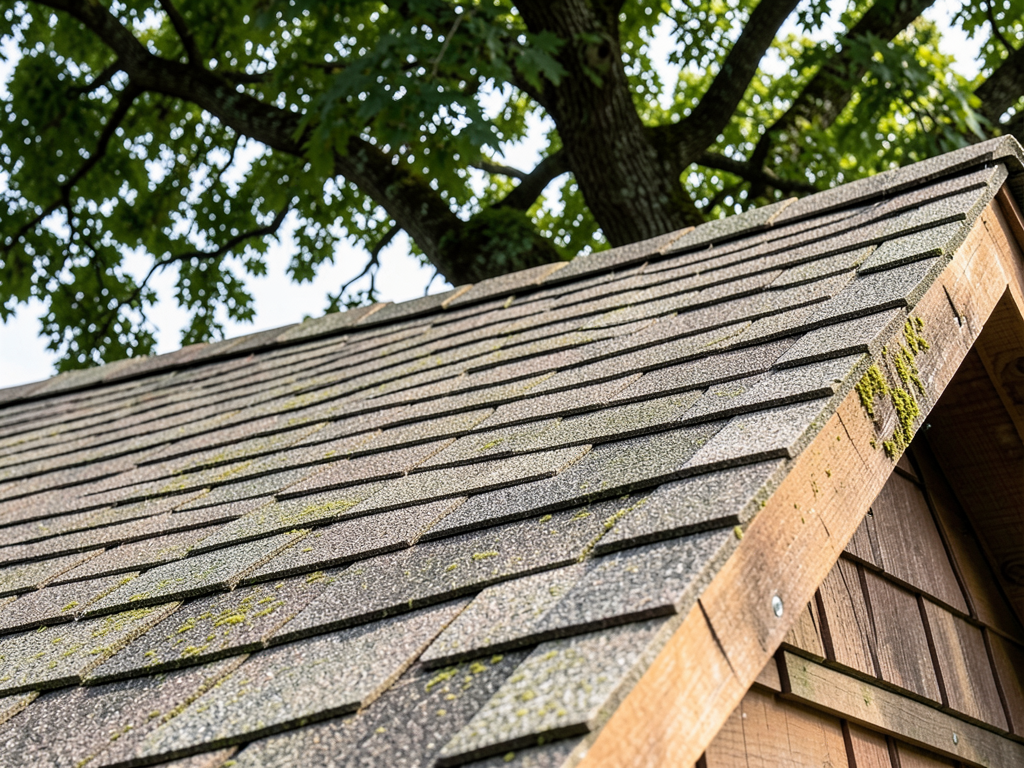
Photo of historic Thornton Park bungalow with properly installed concrete barrel tiles showing authentic Spanish Colonial character
Cross-section illustration of attic ventilation requirements for historic homes with low-pitched roofs
Ready to Protect Your Thornton Park Home?
Your historic bungalow deserves roofing that honors its character while providing modern protection. The intense Orlando sun, hurricane threats, and mature oak canopy create specific demands that require professional expertise to address properly.
Don’t wait until storm season to discover your roof can’t handle another hurricane. Call (689) 268-2855 today to schedule your free inspection and learn which roofing materials best suit your Thornton Park home’s specific needs.
Our team understands the unique requirements of historic district properties and can guide you through material selection, permitting, and installation while maintaining your home’s architectural integrity. For more information, visit National Fenestration Rating Council.
You may also find this helpful. Matching Seamless Gutters with Your Next Orlando Roof Replacement.
{
“@context”: “https://schema.org”,
“@type”: “BlogPosting”,
“headline”: “Best Roofing Materials for Older Bungalows in Thornton Park”,
“description”: “Discover the best roofing materials for historic Thornton Park bungalows. Learn about durability, historic preservation, and Orlando’s climate challenges from local experts.”,
“wordCount”: 1582,
“datePublished”: “2026-02-24T13:29:00.000Z”,
“dateModified”: “2026-02-24T13:29:00.000Z”,
“inLanguage”: “en-US”,
“mainEntityOfPage”: {
“@type”: “WebPage”,
“@id”: “https://allproroofingorlando.com”
},
“publisher”: {
“@type”: “LocalBusiness”,
“name”: “All Pro Roofing Orlando”,
“url”: “https://allproroofingorlando.com”
},
“author”: {
“@type”: “Organization”,
“name”: “All Pro Roofing Orlando”,
“url”: “https://allproroofingorlando.com”
},
“image”: {
“@type”: “ImageObject”,
“url”: “https://allproroofingorlando.com/wp-content/uploads/2026/03/best-roofing-materials-for-older-bungalows-in-thor-1.png”
}
}
{
“@context”: “https://schema.org”,
“@type”: “RoofingContractor”,
“name”: “All Pro Roofing Orlando”,
“url”: “https://allproroofingorlando.com”,
“address”: {
“@type”: “PostalAddress”,
“addressLocality”: “Orlando”
},
“areaServed”: {
“@type”: “City”,
“name”: “Orlando”
}
}
{
“@context”: “https://schema.org”,
“@type”: “FAQPage”,
“mainEntity”: [
{
“@type”: “Question”,
“name”: “What roofing material lasts the longest in Orlando’s climate?”,
“acceptedAnswer”: {
“@type”: “Answer”,
“text”: “Metal roofing typically provides the longest service life, often exceeding 50 years with proper maintenance. Concrete tiles also offer exceptional longevity, while quality architectural shingles generally last 25-30 years in Central Florida conditions.”
}
},
{
“@type”: “Question”,
“name”: “Do I need special permits for roofing in Thornton Park?”,
“acceptedAnswer”: {
“@type”: “Answer”,
“text”: “Yes, roofing replacement in the Thornton Park Historic District requires permits from Orange County and approval from the Historic Preservation Board. The process ensures materials and installation methods maintain the neighborhood’s historic character.”
}
},
{
“@type”: “Question”,
“name”: “How do I maintain moss and algae growth on my roof?”,
“acceptedAnswer”: {
“@type”: “Answer”,
“text”: “Install algae-resistant shingles or apply moss treatment every 2-3 years. Keep tree branches trimmed away from the roof surface and ensure proper ventilation to reduce moisture accumulation that promotes growth.”
}
},
{
“@type”: “Question”,
“name”: “Can I install a new roof over my existing one?”,
“acceptedAnswer”: {
“@type”: “Answer”,
“text”: “Florida Building Code generally prohibits installing new roofing over existing materials. This ensures proper inspection of the roof deck and allows installation of required underlayment systems for wind resistance.”
}
},
{
“@type”: “Question”,
“name”: “What wind ratings should I look for in roofing materials?”,
“acceptedAnswer”: {
“@type”: “Answer”,
“text”: “Look for materials rated for at least 130 mph winds. Many premium products offer ratings exceeding 150 mph. Proper installation according to manufacturer specifications is as important as the material’s inherent wind resistance.”
}
},
{
“@type”: “Question”,
“name”: “Ready to Protect Your Thornton Park Home?”,
“acceptedAnswer”: {
“@type”: “Answer”,
“text”: “Your historic bungalow deserves roofing that honors its character while providing modern protection. The intense Orlando sun, hurricane threats, and mature oak canopy create specific demands that require professional expertise to address properly.”
}
}
]
}
{
“@context”: “https://schema.org”,
“@type”: “BreadcrumbList”,
“itemListElement”: [
{
“@type”: “ListItem”,
“position”: 1,
“name”: “Home”,
“item”: “https://allproroofingorlando.com”
},
{
“@type”: “ListItem”,
“position”: 2,
“name”: “Blog”,
“item”: “https://allproroofingorlando.com/blog”
},
{
“@type”: “ListItem”,
“position”: 3,
“name”: “Best Roofing Materials for Older Bungalows in Thornton Park”
}
]
}
{
“@context”: “https://schema.org”,
“@type”: “Service”,
“serviceType”: “Roofing”,
“provider”: {
“@type”: “LocalBusiness”,
“name”: “All Pro Roofing Orlando”,
“url”: “https://allproroofingorlando.com”
},
“areaServed”: {
“@type”: “City”,
“name”: “Orlando”
},
“description”: “Discover the best roofing materials for historic Thornton Park bungalows. Learn about durability, historic preservation, and Orlando’s climate challenges from local experts.”
}