
Is Solar Roofing Actually Worth the Investment for Orlando Residents?
Solar roofing in Orlando delivers strong returns thanks to 230+ sunny days annually, Florida’s solar tax exemptions, and federal tax credits. Most Orlando homeowners see payback in 6-10 years with systems lasting 25-30 years. The real question is not if solar works here but which system fits your roof’s structure and your utility provider’s net metering rules. federal solar tax credits.
Why Solar Roofing Makes Sense in Central Florida
Orlando’s climate creates unique advantages for solar. The region averages 5.5 peak sun hours daily, higher than the national average. This means Orlando solar panels generate about 20% more electricity than identical systems in cloudy regions. The high UV index also accelerates traditional roof wear, making integrated solar shingles an attractive upgrade that protects while it produces.
The local utility landscape matters. Orlando Utilities Commission offers full retail-rate net metering, while Duke Energy Florida provides similar credits. Both programs let homeowners sell excess daytime production back to the grid, offsetting nighttime usage. This one-to-one credit system significantly improves solar economics compared to states with reduced buyback rates. Florida Solar Energy Center.
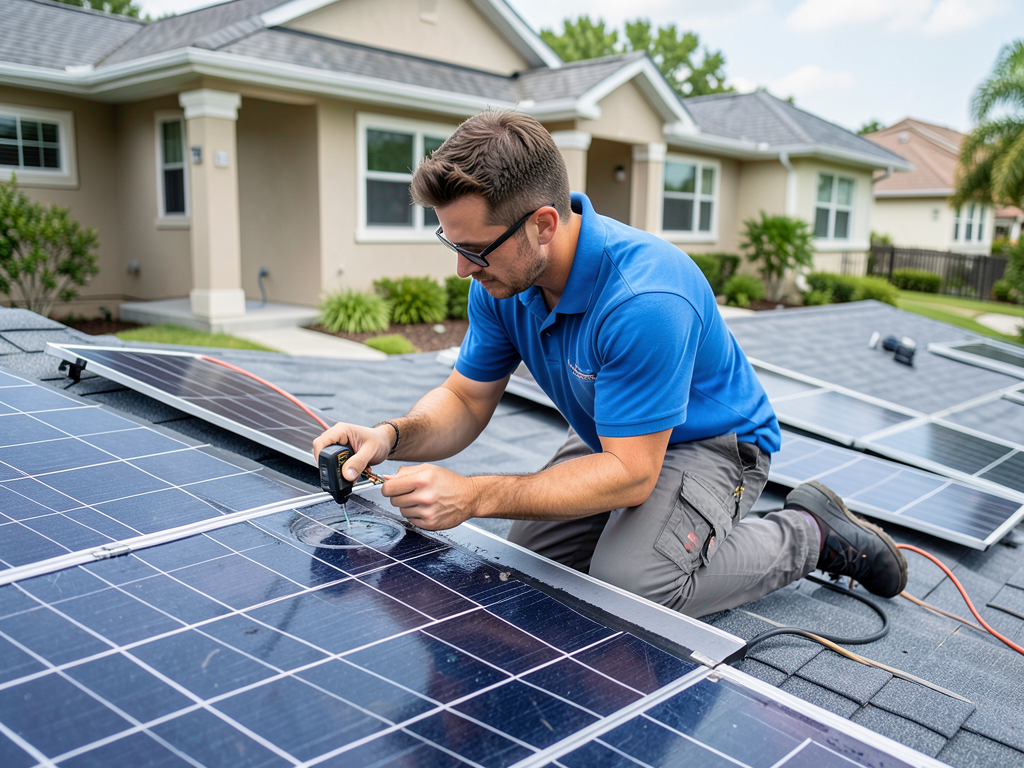
A technician examines a roof deck before solar installation, checking for structural integrity and moisture damage.
Types of Solar Roofing Systems Available in Orlando
Traditional rack-mounted panels remain the most common choice. These systems bolt onto existing roofs using hurricane-rated mounting hardware. In Orlando’s High-Velocity Hurricane Zone, all solar mounts must meet ASCE 7-16 wind load standards, typically requiring 150+ mph wind ratings. Professional installers use stainless steel lag bolts through roof decking into rafters, sealed with flashing to prevent leaks.
Solar shingles offer a sleeker alternative. Products like GAF Energy’s Timberline Solar integrate photovoltaic cells directly into asphalt shingle profiles. These systems install like traditional shingles but generate electricity. For Orlando’s Spanish-style homes and mid-century ranches, solar shingles maintain architectural aesthetics while providing the same hurricane resistance as conventional roofing.. Read more about Best Roofing Materials for Older Bungalows in Thornton Park.
Battery storage adds another layer of value. Tesla Powerwall and similar systems store excess daytime production for nighttime use or emergency backup during Orlando’s frequent summer thunderstorms. With Florida’s susceptibility to hurricanes, battery systems provide critical power when the grid fails, though they add $10,000-$15,000 to installation costs.
The Orlando Solar Installation Process
Professional solar installation follows a specific sequence. First, technicians conduct a structural assessment using moisture meters to check roof deck integrity. Orlando’s high humidity means hidden water damage is common in homes over 15 years old. Any compromised decking requires repair before solar mounting.
Next comes Orange County permitting. Solar permits require structural engineering stamps proving the roof can handle panel weight plus wind uplift forces. The process typically takes 2-3 weeks. Installers submit detailed mounting plans showing attachment points, electrical routing, and compliance with Florida Building Code Section 1609 for wind resistance.
Installation itself takes 2-5 days depending on system size. Crews mount racking, install panels or shingles, run conduit to inverters, and connect to the electrical panel. The final step involves utility interconnection approval. OUC and Duke Energy both require final inspections before activating net metering agreements.
- Structural Assessment
Moisture meter testing and visual inspection of roof deck condition.
- Engineering Review
Structural calculations proving compliance with ASCE 7-16 wind loads.
- Permit Acquisition
Submission to Orange County Building Department with stamped plans.
- Physical Installation
Mounting, wiring, and connection work over 2-5 days.
- Utility Interconnection
Final inspection and net metering agreement activation.
Costs, Rebates, and Federal Tax Credits for Orlando Homeowners
Solar installation costs in Orlando average $2.75-$3.50 per watt installed. A typical 6-kilowatt system costs $16,500-$21,000 before incentives. The federal Investment Tax Credit provides 30% credit against federal taxes, reducing net cost to $11,550-$14,700. Florida’s Property Tax Abatement means the increased home value from solar installation won’t trigger higher property taxes. federal solar tax credits.
Orlando residents benefit from additional savings. Florida’s sales tax exemption on solar equipment saves 6-7% upfront. Some utilities offer rebates, though OUC and Duke Energy focus on net metering rather than direct rebates. The combination of federal, state, and local incentives makes Orlando one of the most cost-effective markets for solar adoption.
Financing options include cash purchase, solar loans, and power purchase agreements. Cash purchases provide the best long-term returns but require significant upfront capital. Solar loans typically run 5-20 years with interest rates around 4-7%. PPAs require no upfront cost but provide lower long-term savings since you pay for the power rather than owning the system.
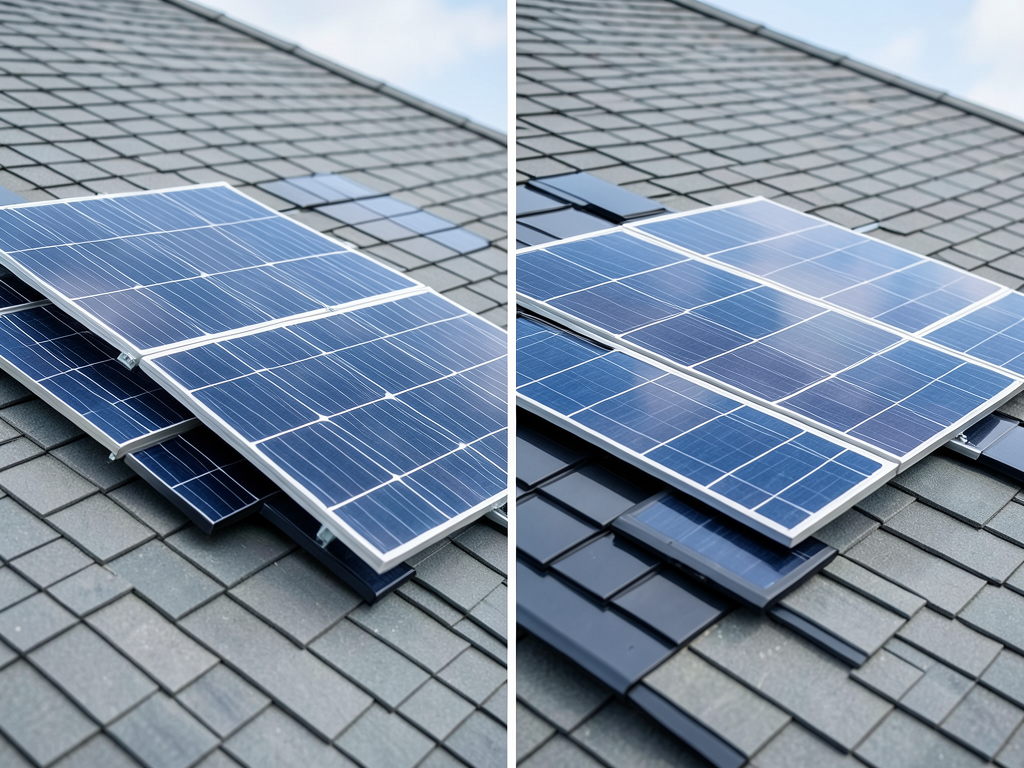
A side-by-side comparison showing traditional rack-mounted panels versus integrated solar shingles on similar roof pitches.
Orlando-Specific Hurricane Compliance and Roof Warranty Protection
Orlando sits in Florida’s High-Velocity Hurricane Zone, requiring specific mounting protocols. All solar installations must use hurricane-rated mounting hardware with Florida Product Approval numbers. Installers seal every penetration with flashing and sealant meeting Miami-Dade County standards. The mounting pattern distributes wind loads across multiple rafters rather than concentrating stress at single points.
Roof warranty protection is critical. Traditional solar mounting requires penetrations through roofing material, potentially voiding manufacturer warranties. Professional installers use methods that preserve warranties, including proper flashing techniques and penetration sealing. Some solar shingle systems actually extend roof warranties since they replace aging shingles with new, warrantied material.. Read more about Roofing Services for Metrowest Apartment Complexes and Multi-Family Buildings.
Insurance considerations matter in Orlando. Most homeowners insurance policies cover solar equipment against wind damage and lightning strikes. However, some policies require specific endorsements for solar systems. Professional installers provide documentation showing compliance with all local building codes, which helps with insurance claims if damage occurs.
Real ROI Data for Orlando Solar Installations
Orlando homeowners typically see 6-10 year payback periods depending on energy usage and utility rates. A 6-kilowatt system generating 9,000-10,000 kilowatt-hours annually can offset $1,200-$1,500 in annual electricity costs. With net metering, excess summer production credits winter months when AC usage drops, creating annual energy cost neutrality.
System longevity affects returns. Quality solar panels maintain 80% output after 25 years. With proper installation and maintenance, Orlando systems often last 30+ years. This means 20+ years of nearly free electricity after the payback period. For homes with electric vehicles or pool pumps, solar can eliminate entire categories of utility expenses.
Property value increases provide additional returns. Studies show solar homes sell for 4% more than comparable non-solar homes. In Orlando’s competitive market, solar installations can be the differentiator that attracts buyers and justifies higher asking prices. The combination of energy savings and property value appreciation often exceeds 150% of initial investment over the system lifetime.
Choosing the Right Solar Installer in Orlando
Local experience matters for Orlando solar. Installers familiar with Orange County permitting know which engineering stamps pass review. They understand OUC’s specific interconnection requirements versus Duke Energy’s processes. They also know which mounting systems perform best in Florida’s high-humidity, high-UV environment.
Look for Florida-licensed contractors with specific solar credentials. The Florida Solar Energy Center certification indicates advanced training in local conditions. Installers should provide detailed structural assessments, not just sales pitches. Ask about their experience with your specific roof type and age, as installation methods vary significantly between tile, shingle, and flat commercial roofs.
References from Orlando-area installations provide the best validation. Ask to see systems similar to yours in your neighborhood. Local installers can show you active systems and provide data on actual energy production. This transparency separates reputable companies from those making unrealistic production promises.
Frequently Asked Questions
How long does solar installation take in Orlando?
Most Orlando solar installations complete in 2-5 days of physical work, but the total process from contract to activation typically takes 4-8 weeks due to permitting and utility approval timelines.
Will solar work on my older Orlando home?
Solar can work on older homes, but roofs over 15 years old often need replacement first. The structural assessment will determine if your roof deck and rafters can support the additional wind loads.
What happens to my solar during a hurricane?
Properly installed Orlando solar systems are designed to withstand 150+ mph winds. The panels actually protect the roof underneath. Most systems automatically shut down during power outages for safety, but battery backup systems can provide emergency power.
How does net metering work with OUC versus Duke Energy?
Both utilities offer net metering, but OUC provides full retail-rate credits while Duke Energy has slight variations. Both programs let you bank excess production credits for use during non-production hours.
Can I add solar if I have a tile roof?
Yes, but tile roofs require specialized mounting that avoids drilling through tiles. Installers use brackets that attach to the roof deck beneath tiles, preserving the waterproof integrity of your Spanish-style or clay tile roof.
A technician uses a moisture meter to check roof deck integrity before solar installation, demonstrating the diagnostic testing process.
Making the Final Decision on Solar Roofing in Orlando
The investment value of solar roofing in Orlando depends on your specific situation. Homes with high electricity usage, south-facing exposure, and roofs less than 15 years old see the best returns. The combination of federal tax credits, Florida’s solar-friendly policies, and Orlando’s abundant sunshine creates favorable economics that few other regions match.
Consider your timeline. If you plan to stay in your home 10+ years, solar typically provides strong returns through energy savings and increased property value. If you’re planning to sell within a few years, the property value increase might provide the best return, though you’ll see fewer years of direct energy savings.
The key is choosing an installer who understands Orlando’s unique requirements. From hurricane compliance to utility interconnection, local expertise prevents costly mistakes and ensures your system performs as promised. A proper structural assessment prevents the nightmare scenario of installing expensive equipment on a roof that can’t support it.
Ready to see if solar roofing makes sense for your Orlando home? Call (689) 268-2855 today to schedule your free structural assessment and solar consultation. Our Orlando-based team will evaluate your roof’s condition, energy usage, and local utility rules to provide a clear picture of your potential savings and return on investment.
Don’t wait for the next rate increase or storm season. Pick up the phone and call (689) 268-2855 before the next thunderstorm hits. We’ll help you determine if now is the right time to invest in solar roofing that protects your home while reducing your energy costs for decades to come.
You may also find this helpful. Fixing Leaky Skylights or Installing New Ones for Dr. Phillips Residents.
{
“@context”: “https://schema.org”,
“@type”: “BlogPosting”,
“headline”: “Is Solar Roofing Actually Worth the Investment for Orlando Residents?”,
“description”: “Discover if solar roofing is worth it for Orlando homeowners. Learn about costs, Orlando-specific rebates, hurricane compliance, and real ROI data from local installations.”,
“wordCount”: 1707,
“datePublished”: “2026-03-03T08:11:00.000Z”,
“dateModified”: “2026-03-03T08:11:00.000Z”,
“inLanguage”: “en-US”,
“mainEntityOfPage”: {
“@type”: “WebPage”,
“@id”: “https://allproroofingorlando.com”
},
“publisher”: {
“@type”: “LocalBusiness”,
“name”: “All Pro Roofing Orlando”,
“url”: “https://allproroofingorlando.com”
},
“author”: {
“@type”: “Organization”,
“name”: “All Pro Roofing Orlando”,
“url”: “https://allproroofingorlando.com”
},
“image”: {
“@type”: “ImageObject”,
“url”: “https://allproroofingorlando.com/wp-content/uploads/2026/03/is-solar-roofing-actually-worth-the-investment-for-1.png”
}
}
{
“@context”: “https://schema.org”,
“@type”: “RoofingContractor”,
“name”: “All Pro Roofing Orlando”,
“url”: “https://allproroofingorlando.com”,
“address”: {
“@type”: “PostalAddress”,
“addressLocality”: “Orlando”
},
“areaServed”: {
“@type”: “City”,
“name”: “Orlando”
}
}
{
“@context”: “https://schema.org”,
“@type”: “FAQPage”,
“mainEntity”: [
{
“@type”: “Question”,
“name”: “How long does solar installation take in Orlando?”,
“acceptedAnswer”: {
“@type”: “Answer”,
“text”: “Most Orlando solar installations complete in 2-5 days of physical work, but the total process from contract to activation typically takes 4-8 weeks due to permitting and utility approval timelines.”
}
},
{
“@type”: “Question”,
“name”: “Will solar work on my older Orlando home?”,
“acceptedAnswer”: {
“@type”: “Answer”,
“text”: “Solar can work on older homes, but roofs over 15 years old often need replacement first. The structural assessment will determine if your roof deck and rafters can support the additional wind loads.”
}
},
{
“@type”: “Question”,
“name”: “What happens to my solar during a hurricane?”,
“acceptedAnswer”: {
“@type”: “Answer”,
“text”: “Properly installed Orlando solar systems are designed to withstand 150+ mph winds. The panels actually protect the roof underneath. Most systems automatically shut down during power outages for safety, but battery backup systems can provide emergency power.”
}
},
{
“@type”: “Question”,
“name”: “How does net metering work with OUC versus Duke Energy?”,
“acceptedAnswer”: {
“@type”: “Answer”,
“text”: “Both utilities offer net metering, but OUC provides full retail-rate credits while Duke Energy has slight variations. Both programs let you bank excess production credits for use during non-production hours.”
}
},
{
“@type”: “Question”,
“name”: “Can I add solar if I have a tile roof?”,
“acceptedAnswer”: {
“@type”: “Answer”,
“text”: “Yes, but tile roofs require specialized mounting that avoids drilling through tiles. Installers use brackets that attach to the roof deck beneath tiles, preserving the waterproof integrity of your Spanish-style or clay tile roof.”
}
}
]
}
{
“@context”: “https://schema.org”,
“@type”: “HowTo”,
“name”: “Orlando Solar Installation Process”,
“step”: [
{
“@type”: “HowToStep”,
“position”: 1,
“name”: “Structural Assessment”,
“text”: “Moisture meter testing and visual inspection of roof deck condition.”
},
{
“@type”: “HowToStep”,
“position”: 2,
“name”: “Engineering Review”,
“text”: “Structural calculations proving compliance with ASCE 7-16 wind loads.”
},
{
“@type”: “HowToStep”,
“position”: 3,
“name”: “Permit Acquisition”,
“text”: “Submission to Orange County Building Department with stamped plans.”
},
{
“@type”: “HowToStep”,
“position”: 4,
“name”: “Physical Installation”,
“text”: “Mounting, wiring, and connection work over 2-5 days.”
},
{
“@type”: “HowToStep”,
“position”: 5,
“name”: “Utility Interconnection”,
“text”: “Final inspection and net metering agreement activation.”
}
],
“image”: “https://allproroofingorlando.com/wp-content/uploads/2026/03/is-solar-roofing-actually-worth-the-investment-for-1.png”
}
{
“@context”: “https://schema.org”,
“@type”: “BreadcrumbList”,
“itemListElement”: [
{
“@type”: “ListItem”,
“position”: 1,
“name”: “Home”,
“item”: “https://allproroofingorlando.com”
},
{
“@type”: “ListItem”,
“position”: 2,
“name”: “Blog”,
“item”: “https://allproroofingorlando.com/blog”
},
{
“@type”: “ListItem”,
“position”: 3,
“name”: “Is Solar Roofing Actually Worth the Investment for Orlando Residents?”
}
]
}
{
“@context”: “https://schema.org”,
“@type”: “Service”,
“serviceType”: “Roofing”,
“provider”: {
“@type”: “LocalBusiness”,
“name”: “All Pro Roofing Orlando”,
“url”: “https://allproroofingorlando.com”
},
“areaServed”: {
“@type”: “City”,
“name”: “Orlando”
},
“description”: “Discover if solar roofing is worth it for Orlando homeowners. Learn about costs, Orlando-specific rebates, hurricane compliance, and real ROI data from local installations.”
}