
Why the drip edge is the most overlooked part of your Audubon Park roofing project
The drip edge sits quietly along your roof’s perimeter, yet it protects your Audubon Park home from thousands of dollars in hidden water damage. This thin metal strip channels rainwater away from your fascia boards and prevents water from seeping under your shingles where Orlando’s humidity and afternoon thunderstorms can cause rot, mold, and structural issues. Many homeowners discover too late that missing or damaged drip edge is the weak link that leads to expensive fascia board replacement and interior ceiling damage.
Florida Building Code Section R905.2.8.5 mandates drip edge installation on all new roofs in Orange County, but countless Audubon Park homes still lack proper protection. The code requires corrosion-resistant materials like aluminum or galvanized steel, with specific fastening patterns to withstand our region’s hurricane-force winds. Without these requirements met, your roof system remains vulnerable to the very water damage it should prevent. Florida Building Code Residential Section R905.2.8.5.
Understanding drip edge and why Audubon Park homes need it
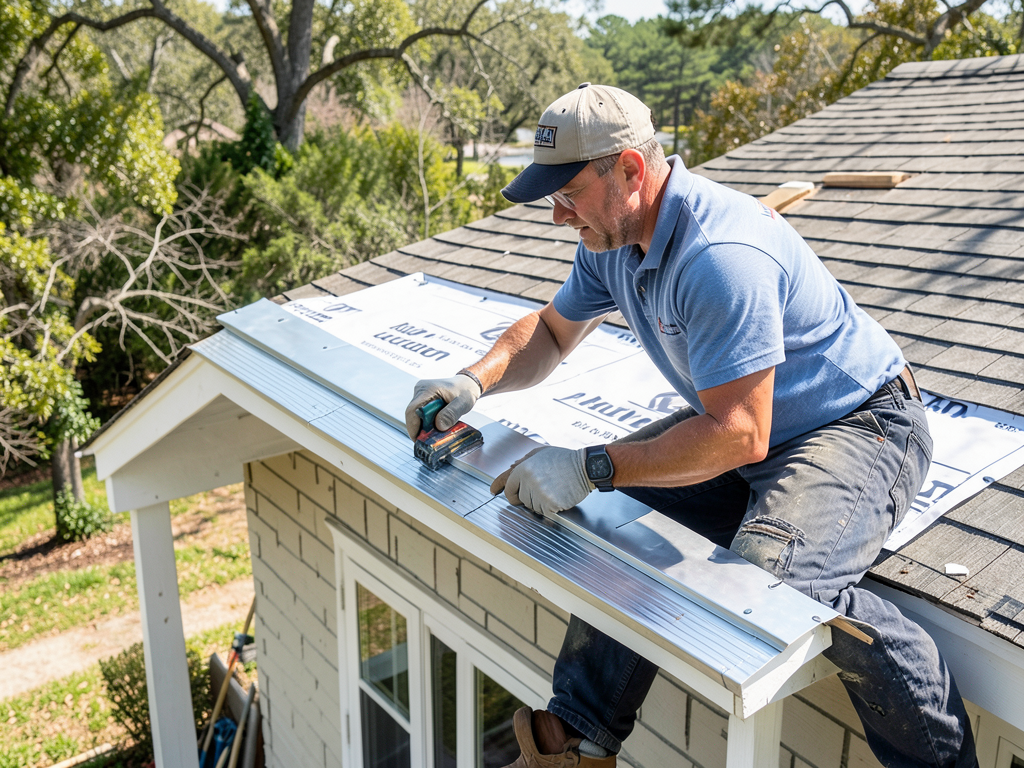
Drip edge is a metal flashing installed along the edges of your roof deck before shingles go on. It extends beyond the roof decking to direct water into gutters while protecting the underlying wood from moisture intrusion. In Audubon Park’s tree-lined streets where many homes date back to the 1950s and 1960s, original drip edge often corrodes or was never installed to modern standards.
The Florida climate creates unique challenges that make drip edge essential. Our high humidity means moisture constantly seeks entry points. When afternoon thunderstorms roll through with wind-driven rain, water can be forced under improperly sealed edges. The combination of heat, humidity, and water creates the perfect environment for wood rot in fascia boards and soffits, leading to costly repairs that could have been prevented with proper drip edge installation.
Audubon Park’s mix of mid-century ranch homes and newer constructions means you’ll find varying levels of drip edge protection. Homes built before the 1990s often lack the corrosion-resistant materials required today. Even newer homes may have subpar installation where contractors cut corners on this critical component. The result is a neighborhood where water damage patterns are predictable but preventable. Best Roofing Materials for Older Bungalows in Thornton Park.
Florida Building Code requirements for drip edge in Orange County
Florida Building Code Section R905.2.8.5 specifically addresses drip edge requirements for asphalt shingle roofs in high-wind zones like Orlando. The code mandates corrosion-resistant materials with a minimum thickness of 0.019 inches for aluminum or 0.0179 inches for galvanized steel. These specifications ensure the drip edge can withstand our region’s hurricane-force winds and resist the corrosion that plagues cheaper materials in Florida’s salty, humid air.
The code also requires specific installation methods that many contractors overlook. Drip edge must extend at least 1/4 inch beyond the roof decking and be fastened with roofing nails every 12 inches on center. In high-wind zones, additional fasteners and sealing requirements apply. These details matter because improper installation is just as problematic as missing drip edge entirely. Is Solar Roofing Actually Worth the Investment for Orlando Residents?.
Orange County building inspectors verify drip edge compliance during final inspections, but many homeowners never see an inspector if they skip permits for roof repairs. This creates a situation where homes appear fine from the street but harbor water damage that spreads silently over years. The building code exists specifically to prevent these scenarios, yet enforcement gaps leave many Audubon Park homes vulnerable. Reliable Roof Inspection Services for Home Buyers in Winter Garden.
Types of drip edges and which works best for Orlando’s climate
Two main drip edge profiles dominate the market: T-style and D-style. T-style drip edge has a longer flange that extends further over the roof edge, making it ideal for heavy rain areas like Audubon Park where afternoon thunderstorms can dump several inches of water in an hour. The extended coverage provides better water deflection and reduces the chance of wind-driven rain finding its way under shingles.
D-style drip edge offers a more compact profile with a shorter flange. While sufficient for many applications, it provides less protection against the wind-driven rain common in Central Florida. The choice between T-style and D-style often comes down to local weather patterns and roof pitch. Audubon Park’s mature tree canopy creates additional challenges as falling leaves and debris can trap moisture against roof edges, making the extra protection of T-style more valuable. Choosing Between Shingle and Tile Roofs for Your Central Florida Home.
Material selection proves equally critical in our climate. Aluminum offers excellent corrosion resistance and is lightweight, making it the most popular choice for Orlando homes. Galvanized steel provides superior strength and impact resistance, which benefits homes near areas with frequent tree debris. Copper represents the premium option, developing a protective patina over time while offering unmatched longevity. Each material carries different price points and performance characteristics that should align with your home’s specific needs and budget.
Common drip edge problems in Audubon Park homes
Water stains on fascia boards represent the most obvious sign of drip edge failure. These dark streaks appear where water constantly runs down the wood instead of being directed away. In Audubon Park’s older homes, this damage often extends behind gutters where homeowners rarely look, creating rot that spreads upward into the roof structure. By the time stains become visible from the ground, significant damage usually exists.
Peeling paint on fascia boards indicates moisture intrusion that’s already causing deterioration. The constant dampness breaks down paint adhesion, creating bubbling and flaking that signals deeper problems. This issue appears frequently on homes where drip edge was installed but lacks proper sealing or uses substandard materials that corrode within years rather than decades.
Gutter separation from the fascia represents another common failure pattern. When water constantly saturates the wood behind gutters, it loses structural integrity. The weight of water-filled gutters combined with deteriorating wood creates separation that allows even more water intrusion. This cycle accelerates damage and often requires complete fascia board replacement rather than simple repairs.
Our Audubon Park drip edge installation process
Proper drip edge installation begins with a thorough inspection of existing conditions. We examine fascia boards for rot, check roof decking for moisture damage, and assess current drainage patterns. This diagnostic phase identifies whether you need complete replacement or can salvage existing components. Many Audubon Park homes require fascia board replacement before new drip edge installation, as damaged wood cannot provide proper support.
The installation process follows Florida Building Code requirements precisely. We start by removing old, corroded drip edge and any damaged fascia boards. New pressure-treated lumber replaces rotted sections, ensuring a solid foundation for the new system. We then install the appropriate drip edge profile, extending it the required 1/4 inch beyond the roof decking and fastening it every 12 inches with corrosion-resistant nails.
Integration with existing roofing materials proves critical for long-term performance. We overlap drip edge with underlayment to create a continuous moisture barrier, paying special attention to valleys and roof penetrations where water concentrates. The final step involves sealing all joints and fasteners with roofing-grade sealant, creating a system that withstands both normal rainfall and hurricane-force conditions Audubon Park experiences during storm season. TPO vs EPDM Roofing Guide.
Cost factors for drip edge replacement in Audubon Park
Drip edge replacement costs in Audubon Park typically range from $600 to $2,500 depending on home size and condition. A small bungalow might need just 100 linear feet of material, while larger ranch homes can require 300+ feet. Material choice significantly impacts cost, with aluminum representing the mid-range option, galvanized steel costing 20-30% more, and copper doubling the aluminum price.
Hidden damage often drives final costs higher than initial estimates. Fascia board replacement adds $15-25 per linear foot when rot is discovered during removal. Roof decking repairs, though less common, can add substantial costs if moisture has penetrated deeper into the structure. These discoveries are why professional inspection before quoting proves essential for accurate budgeting.
Insurance considerations affect your actual out-of-pocket costs. Some policies cover drip edge replacement if damage results from covered events like windstorms or falling trees. However, gradual deterioration from normal wear typically isn’t covered, making preventive replacement a wise investment for Audubon Park homeowners who want to avoid larger claims later.
Benefits of professional drip edge installation
Professional installation ensures compliance with Florida Building Code requirements, which protects your home’s structural integrity and maintains insurance validity. DIY installations often miss critical details like proper overlap with underlayment or correct fastening patterns for high-wind zones. These oversights might not cause immediate problems but create vulnerabilities that fail during the first major storm.
Warranty protection represents another key benefit of professional work. Quality contractors provide labor warranties covering installation defects, while material manufacturers honor their warranties only when professional installation meets their specifications. This dual protection means if problems develop within the warranty period, you’re covered for both materials and labor.
Time efficiency and cleanup matter more than many homeowners realize. Professional crews complete most Audubon Park homes in one day, minimizing roof exposure to weather. They also handle proper disposal of old materials and ensure the site is clean and safe afterward. These details, while seemingly minor, distinguish professional work from rushed or amateur installations.
Frequently Asked Questions
Does every roof in Audubon Park need drip edge?
Florida Building Code requires drip edge on all new roof installations and replacements. While some very old homes might lack it, current code compliance demands proper drip edge for any permitted roofing work in Orange County.
How long does drip edge installation take?
Most Audubon Park homes require one day for complete drip edge replacement, including any necessary fascia board repairs. Larger homes or those requiring extensive wood replacement might need two days.
Can I install drip edge myself?
While possible, DIY installation often fails to meet Florida Building Code requirements. Improper installation can void warranties and create vulnerabilities that cause expensive damage during storms.
What’s the difference between aluminum and galvanized steel drip edge?
Aluminum resists corrosion better in our humid climate and costs less, while galvanized steel offers superior strength and impact resistance. Both meet code requirements when properly installed.
Protecting your Audubon Park home starts with proper drip edge
Your roof’s edge protection might seem minor compared to the entire roofing system, but it serves as the first line of defense against Orlando’s challenging climate. The drip edge prevents the water damage that silently destroys fascia boards, promotes mold growth, and compromises your home’s structural integrity. For Audubon Park homeowners, where many houses approach or exceed 50 years of age, proper drip edge installation represents preventive maintenance that saves thousands in future repairs.
Florida’s building codes exist because experience has shown what works and what fails in our unique environment. Section R905.2.8.5 isn’t arbitrary regulation but proven protection against the very problems Audubon Park homeowners face: wind-driven rain, high humidity, and the occasional hurricane. When you choose professional installation that meets these requirements, you’re investing in protection that pays dividends every time rain falls on your roof.
Don’t wait for water stains to appear before addressing your drip edge needs. The damage that causes those stains often extends far beyond what’s visible, compromising your home’s structure and creating health hazards from mold growth. Whether you’re planning a full roof replacement or simply need to upgrade your existing edge protection, professional installation ensures your Audubon Park home receives the protection Florida’s climate demands. For more information, visit International Association of Certified Home Inspectors drip edge guidelines.
Call (689) 268-2855 today to schedule your inspection. Our team will assess your current drip edge condition, identify any hidden damage, and provide a detailed plan for bringing your roof edge protection up to modern standards. Don’t let another storm season pass with inadequate protection – pick up the phone and call (689) 268-2855 before the next afternoon thunderstorm hits Audubon Park.
{
“@context”: “https://schema.org”,
“@type”: “BlogPosting”,
“headline”: “Why the drip edge is the most overlooked part of your Audubon Park roofing project”,
“description”: “Discover why the drip edge is critical for Audubon Park roofs. Learn Florida Building Code requirements, installation process, and how to prevent costly water damage.”,
“wordCount”: 1995,
“datePublished”: “2026-03-17T14:06:00.000Z”,
“dateModified”: “2026-03-17T14:06:00.000Z”,
“inLanguage”: “en-US”,
“mainEntityOfPage”: {
“@type”: “WebPage”,
“@id”: “https://allproroofingorlando.com”
},
“publisher”: {
“@type”: “LocalBusiness”,
“name”: “All Pro Roofing Orlando”,
“url”: “https://allproroofingorlando.com”
},
“author”: {
“@type”: “Organization”,
“name”: “All Pro Roofing Orlando”,
“url”: “https://allproroofingorlando.com”
},
“image”: {
“@type”: “ImageObject”,
“url”: “https://allproroofingorlando.com/wp-content/uploads/2026/03/why-the-drip-edge-is-the-most-overlooked-part-of-y-1.png”
}
}
{
“@context”: “https://schema.org”,
“@type”: “RoofingContractor”,
“name”: “All Pro Roofing Orlando”,
“url”: “https://allproroofingorlando.com”,
“address”: {
“@type”: “PostalAddress”,
“addressLocality”: “Orlando”
},
“areaServed”: {
“@type”: “City”,
“name”: “Orlando”
}
}
{
“@context”: “https://schema.org”,
“@type”: “FAQPage”,
“mainEntity”: [
{
“@type”: “Question”,
“name”: “Does every roof in Audubon Park need drip edge?”,
“acceptedAnswer”: {
“@type”: “Answer”,
“text”: “Florida Building Code requires drip edge on all new roof installations and replacements. While some very old homes might lack it, current code compliance demands proper drip edge for any permitted roofing work in Orange County.”
}
},
{
“@type”: “Question”,
“name”: “How long does drip edge installation take?”,
“acceptedAnswer”: {
“@type”: “Answer”,
“text”: “Most Audubon Park homes require one day for complete drip edge replacement, including any necessary fascia board repairs. Larger homes or those requiring extensive wood replacement might need two days.”
}
},
{
“@type”: “Question”,
“name”: “Can I install drip edge myself?”,
“acceptedAnswer”: {
“@type”: “Answer”,
“text”: “While possible, DIY installation often fails to meet Florida Building Code requirements. Improper installation can void warranties and create vulnerabilities that cause expensive damage during storms.”
}
},
{
“@type”: “Question”,
“name”: “What’s the difference between aluminum and galvanized steel drip edge?”,
“acceptedAnswer”: {
“@type”: “Answer”,
“text”: “Aluminum resists corrosion better in our humid climate and costs less, while galvanized steel offers superior strength and impact resistance. Both meet code requirements when properly installed.”
}
}
]
}
{
“@context”: “https://schema.org”,
“@type”: “BreadcrumbList”,
“itemListElement”: [
{
“@type”: “ListItem”,
“position”: 1,
“name”: “Home”,
“item”: “https://allproroofingorlando.com”
},
{
“@type”: “ListItem”,
“position”: 2,
“name”: “Blog”,
“item”: “https://allproroofingorlando.com/blog”
},
{
“@type”: “ListItem”,
“position”: 3,
“name”: “Why the drip edge is the most overlooked part of your Audubon Park roofing project”
}
]
}
{
“@context”: “https://schema.org”,
“@type”: “Service”,
“serviceType”: “Roofing”,
“provider”: {
“@type”: “LocalBusiness”,
“name”: “All Pro Roofing Orlando”,
“url”: “https://allproroofingorlando.com”
},
“areaServed”: {
“@type”: “City”,
“name”: “Orlando”
},
“description”: “Discover why the drip edge is critical for Audubon Park roofs. Learn Florida Building Code requirements, installation process, and how to prevent costly water damage.”
}