
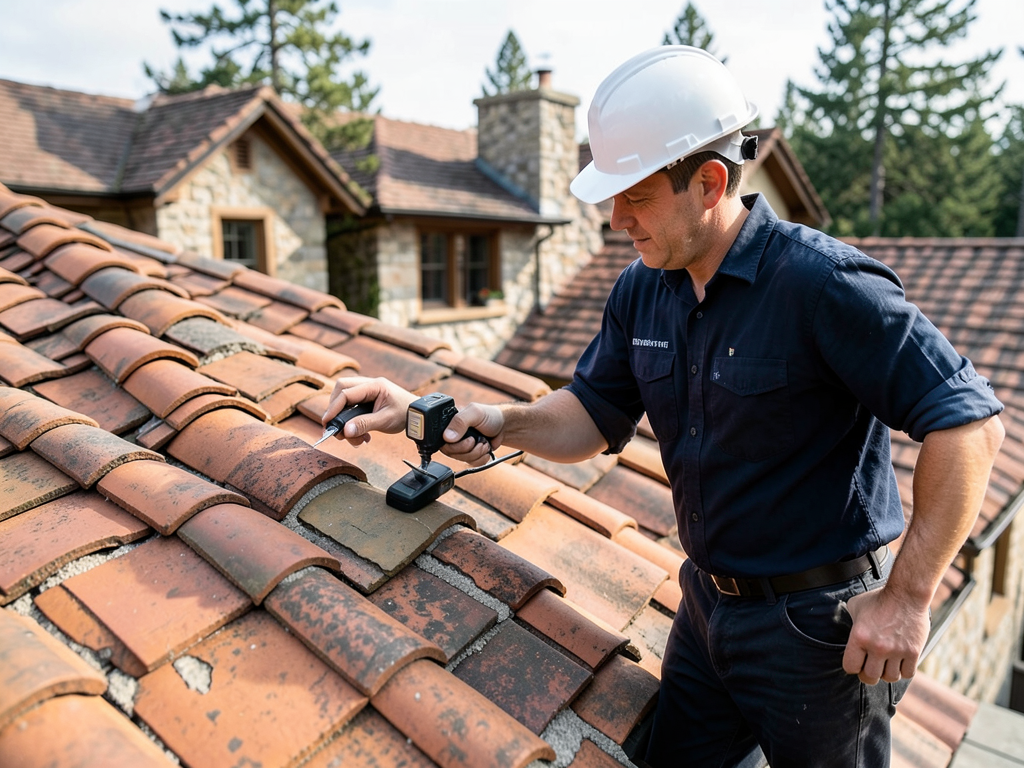
Who to Hire for Clay Tile Roof Repairs in Winter Park
Clay tile roofs define Winter Park’s architectural character from the historic homes along Park Avenue to the Mediterranean-style estates in the Vias. But when those distinctive terracotta or concrete tiles crack or slip after Central Florida’s intense storms, homeowners need more than a general roofer. They need a specialist who understands the unique challenges of tile roofing in this climate and can navigate Winter Park’s historic district requirements. Florida Building Code.
Winter Park’s clay tile roofs face constant stress from hurricane-force winds, thermal expansion from 95-degree summer heat, and the relentless UV exposure that weakens mortar and underlayment. A slipped tile or cracked mortar joint isn’t just cosmetic—it’s a leak waiting to happen. The secondary water barrier beneath your tiles, often a 30-pound felt or synthetic underlayment, degrades faster here than in cooler climates. Once that barrier fails, water penetrates directly to your decking, causing rot and interior damage.
Tile roofing requires specialized knowledge that general roofing crews lack. The weight distribution of clay tiles demands proper decking assessment. Color-matching replacement tiles to your existing 20-year-old roof requires access to manufacturer-specific color palettes. And repairing flashing around chimneys or valleys without disturbing surrounding tiles takes practiced technique. This isn’t work for a crew that primarily installs asphalt shingles. Is Solar Roofing Actually Worth the Investment for Orlando Residents?.
Winter Park’s building department enforces strict permitting for tile repairs, especially in historic districts. Work often requires product approval numbers (PA#) for high-wind zones, and repairs must comply with Florida Building Code Section 1507 for tile roofing. The city also maintains architectural review requirements for visible repairs on historic properties. A qualified tile specialist handles these permitting requirements while ensuring repairs meet code. Best Roofing Materials for Older Bungalows in Thornton Park.
The diagnostic process starts with a thorough inspection. A qualified technician uses moisture meters to detect water intrusion beneath tiles, checks for cracked mortar crowns on chimneys, and assesses the condition of bird stops and ridge caps. They’ll identify whether your issue stems from slipped tiles, failed underlayment, or flashing deterioration. This diagnostic approach prevents the common mistake of replacing surface tiles while ignoring the real problem underneath. Reliable Roof Inspection Services for Home Buyers in Winter Garden.
Winter Park homeowners need a roofing contractor who can respond quickly to active leaks, understand the city’s permitting requirements, and deliver repairs that preserve both the function and the aesthetic of their tile roof. The right specialist combines technical expertise with local knowledge of Winter Park’s architectural standards and building codes.
Common Clay Tile Roof Problems in Winter Park
Clay and concrete tile roofs in Winter Park develop specific failure patterns due to our climate and the age of many installations. Understanding these issues helps homeowners recognize when professional repair is needed.
Tile slippage ranks as the most frequent problem. High winds create uplift forces that shift tiles off their battens, especially on roofs with pitches between 4:12 and 6:12. You’ll notice gaps where tiles have moved or hear rattling during windy conditions. This isn’t just an aesthetic issue—shifted tiles expose underlayment to UV damage and allow wind-driven rain to penetrate. Choosing Between Shingle and Tile Roofs for Your Central Florida Home.
Mortar deterioration affects every tile roof eventually. The cement-based mortar used to secure ridge caps, hip tiles, and around chimneys breaks down from thermal cycling. Winter Park experiences temperature swings of 25-30 degrees daily during summer, causing mortar to expand and contract repeatedly. Crumbling mortar allows tiles to shift and creates entry points for water.
Underlayment failure often causes the leaks homeowners notice inside. The secondary water barrier beneath your tiles—whether traditional felt or modern synthetic—deteriorates from heat and UV exposure. In Winter Park’s climate, 30-pound felt underlayment typically lasts 15-20 years before becoming brittle and developing cracks. Once compromised, water seeps through to the decking.
Flashing leaks around chimneys, skylights, and roof penetrations represent another common failure point. The expansion and contraction of roofing materials causes metal flashing to separate from walls or develop hairline cracks. Winter Park’s afternoon thunderstorms drive rain sideways under compromised flashing, creating active leaks.
Pressure washing damage occurs when inexperienced contractors or homeowners use high-pressure water to clean tile roofs. This blasts away protective granules from concrete tiles and can crack clay tiles. The damage often appears months later as accelerated weathering and color fading.
Tree debris accumulation in valleys and behind chimneys creates moisture traps. Oak and pine trees common in Winter Park drop leaves and needles that hold moisture against roofing materials. This constant dampness accelerates mortar deterioration and underlayment breakdown.
Our Specialized Tile Repair Process
Effective tile roof repair requires a systematic approach that addresses both visible damage and underlying causes. Our process ensures repairs last and prevent future problems.
The inspection phase begins with a comprehensive assessment using moisture meters to detect water intrusion. We check every roof penetration, examine mortar joints for deterioration, and assess the condition of underlayment through visual inspection of exposed areas. This diagnostic step identifies whether you need simple tile replacement or complete underlayment replacement.
For slipped or cracked tiles, we use the lift-and-reset method. This involves carefully removing surrounding tiles to access the damaged area, replacing broken tiles with color-matched units from the manufacturer, and reinstalling everything using proper fasteners and mortar. We maintain the original roof pattern and ensure each tile interlocks correctly.
When underlayment replacement becomes necessary, we follow a specific protocol. We remove tiles in sections, typically 100-square-foot areas, to minimize exposure time. The old underlayment gets removed completely, and we inspect the decking for rot or damage. New synthetic underlayment with high-temperature ratings gets installed, followed by new batten strips if needed.
Mortar repair requires matching the existing mix for color and strength. We use polymer-modified mortars that flex with thermal movement rather than cracking. For ridge caps and hip tiles, we ensure proper anchoring while maintaining the roof’s original profile. Chimney repairs include rebuilding mortar crowns with proper slope for water shedding.
Flashing replacement involves removing old metal and installing new code-compliant flashing with appropriate sealants. We use lead-coated copper or galvanized steel depending on the application, ensuring compatibility with existing materials. Counter-flashing gets properly embedded in mortar joints for lasting protection.
The final phase includes debris removal, valley cleaning, and a complete water test to verify repairs. We document all work with photos and provide warranty information for both materials and labor.
Why Tile Roofs Fail in Central Florida
Understanding the specific failure mechanisms helps explain why Winter Park’s tile roofs require specialized repair approaches. The combination of climate, building practices, and material aging creates unique challenges.
Thermal expansion causes the most damage over time. Winter Park experiences average summer temperatures of 92°F with afternoon thunderstorms that drop temperatures by 20 degrees in minutes. This rapid cycling causes clay tiles to expand and contract more than concrete or asphalt materials. The movement breaks mortar joints, separates flashing, and eventually cracks tiles.
Hurricane-force winds create uplift pressures that exceed original design specifications for many older installations. Winter Park sits in Wind Zone III, requiring roofs to withstand gusts up to 130 mph. Many homes built before the 2004 hurricane season lack the tie-down requirements of current Florida Building Code. Wind uplift can lift entire sections of tile, exposing underlayment.
UV radiation degrades all roofing materials, but tile roofs show specific patterns. The sun’s intensity in Central Florida, averaging 7.5 kWh/m² per day, breaks down polymer-modified mortars within 8-10 years. UV exposure also fades concrete tiles and causes efflorescence—the white mineral deposits that appear on surface pores.
Moisture intrusion through failed underlayment leads to decking rot. Winter Park receives 50-55 inches of rainfall annually, concentrated in afternoon thunderstorms. When underlayment fails, this water penetrates to the wood decking, causing rot that often goes unnoticed until interior damage appears. The combination of heat and moisture creates ideal conditions for wood-destroying organisms.
Improper original installation contributes to premature failure. Many Winter Park homes built in the 1980s and 1990s used installation methods that don’t meet current code. Common issues include inadequate fastening, missing mortar at critical points, and underlayment that doesn’t extend far enough up roof slopes.
Age compounds all these factors. A tile roof in Winter Park typically lasts 25-30 years before major repairs become necessary. The cumulative effect of thermal cycling, UV exposure, and moisture intrusion eventually overwhelms even well-installed systems.
Winter Park Neighborhoods We Serve
We provide specialized tile roof repair throughout Winter Park’s diverse neighborhoods, each with unique architectural characteristics and roofing challenges.
The Park Avenue corridor features historic homes with original clay tile installations dating to the 1920s and 1930s. These properties require careful matching of replacement tiles and compliance with historic district guidelines. The architectural review board often requires approval for visible repairs, and we maintain relationships with city staff to facilitate permitting.
Via Tuscany and the Windsong area contain Mediterranean-style homes with barrel clay tiles that require specific installation techniques. The curved profiles of these tiles demand experienced technicians who understand how to maintain proper overlap and water shedding. Many homes in these areas feature complex rooflines with multiple valleys and dormers.
Orwin Manor and the College Quarter area include mid-century ranch homes with concrete tile roofs installed in the 1960s and 1970s. These roofs often need complete underlayment replacement due to the age of the original felt paper. The flat roof sections common in ranch designs require special attention to flashing details.
The Winter Park Country Club area features luxury homes with high-pitched roofs and elaborate tile patterns. These installations require scaffolding and specialized safety equipment. The proximity to the golf course means increased tree debris, requiring more frequent valley cleaning and maintenance.
Rollins College and the surrounding faculty housing area includes a mix of historic and newer construction with various tile types. The college’s architectural standards influence repairs in the immediate area, and we coordinate with property managers for multi-unit buildings.
Cherokee Park and the adjacent historic district contain some of Winter Park’s oldest homes with original clay tile that requires careful restoration rather than replacement. These projects often involve working with preservation architects to maintain historical accuracy.
Cost Factors for Tile Roof Repair
Tile roof repair costs vary significantly based on the specific issues found during inspection and the age of your roof system. Understanding these factors helps homeowners budget appropriately.
Simple tile replacement typically costs $300-500 per square (100 square feet) for broken or slipped tiles. This includes removal of surrounding tiles, replacement of damaged units, and reinstallation. Color matching adds complexity—finding exact matches for 15-20 year old tiles may require sourcing from multiple suppliers or using tinted mortar to blend differences.
Mortar repair costs range from $15-25 per linear foot for ridge caps and hip tiles. Complex chimney repairs with crown rebuilding run $800-1,500 depending on height and access. The polymer-modified mortars we use cost more than standard cement but provide 2-3 times the lifespan.
Underlayment replacement represents the most significant expense at $4-6 per square foot for complete removal and replacement. This involves removing all tiles, replacing the underlayment, and reinstalling tiles. For a 2,000 square foot roof, total costs range from $8,000-12,000. However, this repair often extends roof life by 20+ years.
Flashing replacement costs $500-1,500 per penetration depending on complexity. Skylights require complete removal of surrounding tiles, new flashing installation, and careful reinstallation. Chimney flashing involves counter-flashing into mortar joints and often requires partial roof disassembly.
Emergency leak repairs to stop active water intrusion typically cost $500-1,000 for temporary protection plus the cost of permanent repairs. We provide tarping services starting at $300 for immediate protection while permanent repairs are scheduled. Emergency Tarping Service.
Historic district compliance can add 15-25% to repair costs due to additional permitting requirements and the need for specialized materials or installation methods. Some repairs require approval from the Winter Park Historic Preservation Board, extending project timelines by 2-3 weeks.
Permitting fees in Winter Park range from $250-500 for tile repairs, with additional fees for historic properties. We handle all permitting as part of our service, ensuring work meets Florida Building Code requirements.
Why Choose Professional Tile Roof Specialists
Tile roofing requires expertise that general roofing contractors lack. The weight, installation methods, and repair techniques differ significantly from asphalt shingle work.
Professional tile specialists understand the structural requirements for tile roofing. A typical clay tile roof weighs 900-1,200 pounds per square, requiring proper decking assessment and reinforcement if needed. We evaluate your roof structure before beginning work to ensure it can support the weight of repairs or replacement materials.
Color matching expertise prevents the patchwork appearance common with amateur repairs. We maintain relationships with tile manufacturers and distributors to source matching units for even 20-year-old installations. When exact matches aren’t available, we use techniques like strategic placement and mortar tinting to blend repairs with existing roofing.
Proper installation techniques prevent future problems. We use the correct fasteners for your specific tile type—stainless steel for coastal areas, galvanized for inland locations. Mortar mixes are formulated for our climate, with polymer additives that flex with thermal movement rather than cracking.
Code compliance knowledge ensures repairs meet current Florida Building Code requirements. This includes proper underlayment installation, correct fastener spacing, and appropriate flashing details. Non-compliant repairs can void manufacturer warranties and cause insurance issues.
Insurance documentation provides protection for homeowners. We provide detailed reports with photos showing repair scope, materials used, and warranty information. This documentation helps with insurance claims and provides proof of professional work for future home sales.
Emergency response capability matters when active leaks threaten interior damage. We maintain crews on call for urgent repairs, with typical response times of 2-4 hours for active leaks in Winter Park. Our emergency tarping service provides immediate protection while permanent repairs are scheduled.
Tile Roof Maintenance Tips for Winter Park Homeowners
Regular maintenance extends the life of your tile roof and prevents costly repairs. These simple steps help Winter Park homeowners protect their investment.
Annual inspections catch problems early. Walk around your home with binoculars to check for slipped tiles, especially after high-wind events. Look for cracks in mortar joints and check for debris accumulation in valleys. Professional inspections every 2-3 years identify issues before they cause interior damage.
Gutter cleaning prevents water backup that damages roof edges. Winter Park’s oak and pine trees drop leaves and needles that clog gutters, causing water to back up under roof edges. Clean gutters at least twice yearly, more often if you have heavy tree cover.
Debris removal from roof surfaces prevents moisture retention. Use a leaf blower on a low setting to remove leaves and pine needles from tile surfaces. Never use pressure washers—the high pressure damages tiles and forces water under overlapping units.
Tree trimming reduces debris and prevents physical damage. Keep tree branches at least 10 feet from roof surfaces. This prevents branches from rubbing tiles during wind and reduces the amount of debris that falls on your roof.
Attic ventilation affects roof longevity. Proper ventilation prevents heat buildup that accelerates underlayment deterioration. Check that soffit vents aren’t blocked by insulation and that ridge vents function correctly. Good ventilation can extend underlayment life by 5-7 years.
Prompt repair of minor issues prevents major damage. A single slipped tile can lead to underlayment failure within months in our climate. Address small problems immediately rather than waiting for leaks to appear inside.
Professional cleaning every 5-7 years removes algae and moss that retain moisture. We use soft washing techniques with biodegradable cleaners that kill organic growth without damaging tiles. This cleaning also allows inspection of the entire roof surface.
Emergency Tile Roof Leak Response
Active roof leaks require immediate attention to prevent interior damage. Our emergency response protocol provides rapid protection for Winter Park homeowners.
When you discover a leak, the first step is containing interior damage. Place buckets under active drips and move furniture away from affected areas. If water is spreading, puncture the ceiling drywall to create a drainage point—this prevents ceiling collapse and limits damage.
Emergency tarping provides immediate protection. We use 20-mil woven tarps secured with 2×4 boards to prevent wind uplift. The tarp extends at least 4 feet beyond the damaged area on all sides. This temporary fix prevents further water intrusion while permanent repairs are scheduled.
Rapid assessment identifies the leak source. We check common failure points: chimney flashing, roof penetrations, valley areas, and slipped tiles. Often the leak source differs from where water appears inside due to roof deck slopes and obstructions.
Temporary repairs may include sealing active leak points with roofing cement or installing temporary patches. These measures provide protection for 30-60 days while permanent repairs are completed. We document all temporary work and provide timelines for permanent fixes.
Insurance coordination helps with claim filing. We provide detailed damage assessments with photos and repair estimates that insurance companies require. Our experience with Winter Park’s permitting requirements ensures repairs meet code even when completed under insurance claims.
Follow-up inspection verifies repair effectiveness. We return within 24-48 hours of rain events to ensure temporary measures held and permanent repairs address the issue. This quality control prevents callbacks and ensures customer satisfaction.
Frequently Asked Questions
How do I know if my tile roof needs repair or replacement?
Minor issues like slipped tiles or cracked mortar usually need repair. Consider replacement if underlayment is failing throughout the roof, decking is rotten, or your roof is over 25 years old with multiple leak areas. A professional inspection can determine the best approach.
How long does tile roof repair take?
Simple repairs like tile replacement take 1-2 days. Underlayment replacement requires 3-5 days due to the need to remove and reinstall all tiles. Emergency leak repairs can often be completed within 24 hours.
Will my homeowner’s insurance cover tile roof repairs?
Insurance typically covers damage from covered perils like windstorms, hail, or fallen trees. Gradual deterioration from age or maintenance issues usually isn’t covered. We provide detailed documentation that helps with insurance claims when coverage applies.
How much does tile roof repair cost in Winter Park?
Repair costs range from $300 for simple tile replacement to $10,000+ for underlayment replacement on larger roofs. Most repairs fall between $1,000-3,000. We provide detailed written estimates after inspection.
Can you match replacement tiles to my existing roof?
Yes, we maintain relationships with tile manufacturers and distributors to source matching units. For older roofs, we use color blending techniques and strategic placement to ensure repairs blend with existing roofing.
Do you handle historic district permitting in Winter Park?
Yes, we’re familiar with Winter Park’s historic district requirements and handle all permitting. We coordinate with the Historic Preservation Board when needed and ensure repairs meet both code and historic guidelines.
What causes tile roofs to leak?
Common causes include slipped tiles exposing underlayment, cracked mortar joints, failed flashing around chimneys and penetrations, and deteriorated underlayment. Our inspections identify the specific cause of your leak.
How often should tile roofs be inspected?
We recommend professional inspection every 2-3 years and after major storms. Homeowners should visually check their roofs annually for obvious issues like slipped tiles or debris accumulation.
Do you offer warranties on tile roof repairs?
Yes, we provide warranties on both materials and labor. Standard warranties cover 5 years on repairs, with extended options available for underlayment replacement and complete roof systems.
What areas around Winter Park do you serve?
We serve all of Winter Park including Park Avenue, Via Tuscany, Windsong, Orwin Manor, College Quarter, Winter Park Country Club, Rollins College area, and Cherokee Park. We also serve nearby areas like Maitland and Goldenrod.
- Identify the Source
Check for obvious signs like slipped tiles, cracked mortar, or water stains on ceilings. Look in the attic if accessible to trace water paths.
- Contain Interior Damage
Place buckets under active leaks and move valuables away from affected areas. Consider puncturing bulging ceiling drywall to prevent collapse.
- Call for Emergency Service
Contact a tile roof specialist immediately. Provide details about the leak location and severity when you call (689) 268-2855.
- Document the Damage
Take photos of interior damage and any visible roof issues. This helps with insurance claims and helps the contractor assess the situation.
- Arrange Temporary Protection
Professional tarping prevents further damage while permanent repairs are scheduled. Don’t attempt DIY tarping—improper installation can cause more damage.
Tile roof problems in Winter Park require specialized knowledge and quick response. Whether you’re dealing with slipped tiles after a storm, mortar deterioration around your chimney, or an active leak threatening your home’s interior, professional repair makes the difference between a temporary fix and lasting protection.
Our team understands the unique challenges of clay and concrete tile roofing in Central Florida’s climate. We know how thermal expansion affects mortar joints, why underlayment fails faster here than in other regions, and how to navigate Winter Park’s permitting requirements. We’ve repaired hundreds of tile roofs throughout the area, from historic homes along Park Avenue to modern installations in the Vias.
Don’t wait for a small problem to become a major repair. A single slipped tile can lead to thousands in interior damage within months. Our thorough inspection process identifies issues before they cause leaks, and our specialized repair techniques ensure lasting results.
Pick up the phone and call (689) 268-2855 today to schedule your tile roof inspection. We’ll provide a detailed assessment of your roof’s condition and recommend the most cost-effective solutions to protect your home. Whether you need emergency leak repair, underlayment replacement, or routine maintenance, our experienced team delivers the specialized service your tile roof deserves. For more information, visit National Fenestration Rating Council.
{
“@context”: “https://schema.org”,
“@type”: “BlogPosting”,
“headline”: “Who to Hire for Clay Tile Roof Repairs in Winter Park”,
“description”: “Expert clay tile roof repair in Winter Park FL. Licensed specialists for historic homes, Spanish tile, concrete tiles. Emergency leak repair & underlayment replacement.”,
“wordCount”: 3607,
“datePublished”: “2026-02-16T10:03:00.000Z”,
“dateModified”: “2026-02-16T10:03:00.000Z”,
“inLanguage”: “en-US”,
“mainEntityOfPage”: {
“@type”: “WebPage”,
“@id”: “https://allproroofingorlando.com”
},
“publisher”: {
“@type”: “LocalBusiness”,
“name”: “All Pro Roofing Orlando”,
“url”: “https://allproroofingorlando.com”
},
“author”: {
“@type”: “Organization”,
“name”: “All Pro Roofing Orlando”,
“url”: “https://allproroofingorlando.com”
},
“image”: {
“@type”: “ImageObject”,
“url”: “https://allproroofingorlando.com/wp-content/uploads/2026/03/who-to-hire-for-clay-tile-roof-repairs-in-winter-p-1.png”
}
}
{
“@context”: “https://schema.org”,
“@type”: “RoofingContractor”,
“name”: “All Pro Roofing Orlando”,
“url”: “https://allproroofingorlando.com”,
“address”: {
“@type”: “PostalAddress”,
“addressLocality”: “Orlando”
},
“areaServed”: {
“@type”: “City”,
“name”: “Orlando”
}
}
{
“@context”: “https://schema.org”,
“@type”: “FAQPage”,
“mainEntity”: [
{
“@type”: “Question”,
“name”: “How do I know if my tile roof needs repair or replacement?”,
“acceptedAnswer”: {
“@type”: “Answer”,
“text”: “Minor issues like slipped tiles or cracked mortar usually need repair. Consider replacement if underlayment is failing throughout the roof, decking is rotten, or your roof is over 25 years old with multiple leak areas. A professional inspection can determine the best approach.”
}
},
{
“@type”: “Question”,
“name”: “How long does tile roof repair take?”,
“acceptedAnswer”: {
“@type”: “Answer”,
“text”: “Simple repairs like tile replacement take 1-2 days. Underlayment replacement requires 3-5 days due to the need to remove and reinstall all tiles. Emergency leak repairs can often be completed within 24 hours.”
}
},
{
“@type”: “Question”,
“name”: “Will my homeowner’s insurance cover tile roof repairs?”,
“acceptedAnswer”: {
“@type”: “Answer”,
“text”: “Insurance typically covers damage from covered perils like windstorms, hail, or fallen trees. Gradual deterioration from age or maintenance issues usually isn’t covered. We provide detailed documentation that helps with insurance claims when coverage applies.”
}
},
{
“@type”: “Question”,
“name”: “How much does tile roof repair cost in Winter Park?”,
“acceptedAnswer”: {
“@type”: “Answer”,
“text”: “Repair costs range from $300 for simple tile replacement to $10,000+ for underlayment replacement on larger roofs. Most repairs fall between $1,000-3,000. We provide detailed written estimates after inspection.”
}
},
{
“@type”: “Question”,
“name”: “Can you match replacement tiles to my existing roof?”,
“acceptedAnswer”: {
“@type”: “Answer”,
“text”: “Yes, we maintain relationships with tile manufacturers and distributors to source matching units. For older roofs, we use color blending techniques and strategic placement to ensure repairs blend with existing roofing.”
}
},
{
“@type”: “Question”,
“name”: “Do you handle historic district permitting in Winter Park?”,
“acceptedAnswer”: {
“@type”: “Answer”,
“text”: “Yes, we’re familiar with Winter Park’s historic district requirements and handle all permitting. We coordinate with the Historic Preservation Board when needed and ensure repairs meet both code and historic guidelines.”
}
},
{
“@type”: “Question”,
“name”: “What causes tile roofs to leak?”,
“acceptedAnswer”: {
“@type”: “Answer”,
“text”: “Common causes include slipped tiles exposing underlayment, cracked mortar joints, failed flashing around chimneys and penetrations, and deteriorated underlayment. Our inspections identify the specific cause of your leak.”
}
},
{
“@type”: “Question”,
“name”: “How often should tile roofs be inspected?”,
“acceptedAnswer”: {
“@type”: “Answer”,
“text”: “We recommend professional inspection every 2-3 years and after major storms. Homeowners should visually check their roofs annually for obvious issues like slipped tiles or debris accumulation.”
}
},
{
“@type”: “Question”,
“name”: “Do you offer warranties on tile roof repairs?”,
“acceptedAnswer”: {
“@type”: “Answer”,
“text”: “Yes, we provide warranties on both materials and labor. Standard warranties cover 5 years on repairs, with extended options available for underlayment replacement and complete roof systems.”
}
},
{
“@type”: “Question”,
“name”: “What areas around Winter Park do you serve?”,
“acceptedAnswer”: {
“@type”: “Answer”,
“text”: “We serve all of Winter Park including Park Avenue, Via Tuscany, Windsong, Orwin Manor, College Quarter, Winter Park Country Club, Rollins College area, and Cherokee Park. We also serve nearby areas like Maitland and Goldenrod.”
}
}
]
}
{
“@context”: “https://schema.org”,
“@type”: “HowTo”,
“name”: “How to Handle a Tile Roof Emergency”,
“step”: [
{
“@type”: “HowToStep”,
“position”: 1,
“name”: “Identify the Source”,
“text”: “Check for obvious signs like slipped tiles, cracked mortar, or water stains on ceilings. Look in the attic if accessible to trace water paths.”
},
{
“@type”: “HowToStep”,
“position”: 2,
“name”: “Contain Interior Damage”,
“text”: “Place buckets under active leaks and move valuables away from affected areas. Consider puncturing bulging ceiling drywall to prevent collapse.”
},
{
“@type”: “HowToStep”,
“position”: 3,
“name”: “Call for Emergency Service”,
“text”: “Contact a tile roof specialist immediately. Provide details about the leak location and severity when you call (689) 268-2855.”
},
{
“@type”: “HowToStep”,
“position”: 4,
“name”: “Document the Damage”,
“text”: “Take photos of interior damage and any visible roof issues. This helps with insurance claims and helps the contractor assess the situation.”
},
{
“@type”: “HowToStep”,
“position”: 5,
“name”: “Arrange Temporary Protection”,
“text”: “Professional tarping prevents further damage while permanent repairs are scheduled. Don’t attempt DIY tarping—improper installation can cause more damage.”
}
],
“image”: “https://allproroofingorlando.com/wp-content/uploads/2026/03/who-to-hire-for-clay-tile-roof-repairs-in-winter-p-1.png”
}
{
“@context”: “https://schema.org”,
“@type”: “BreadcrumbList”,
“itemListElement”: [
{
“@type”: “ListItem”,
“position”: 1,
“name”: “Home”,
“item”: “https://allproroofingorlando.com”
},
{
“@type”: “ListItem”,
“position”: 2,
“name”: “Blog”,
“item”: “https://allproroofingorlando.com/blog”
},
{
“@type”: “ListItem”,
“position”: 3,
“name”: “Who to Hire for Clay Tile Roof Repairs in Winter Park”
}
]
}
{
“@context”: “https://schema.org”,
“@type”: “Service”,
“serviceType”: “Roofing”,
“provider”: {
“@type”: “LocalBusiness”,
“name”: “All Pro Roofing Orlando”,
“url”: “https://allproroofingorlando.com”
},
“areaServed”: {
“@type”: “City”,
“name”: “Orlando”
},
“description”: “Expert clay tile roof repair in Winter Park FL. Licensed specialists for historic homes, Spanish tile, concrete tiles. Emergency leak repair & underlayment replacement.”
}