
What to Do When Your Orlando Homeowners Insurance Denies a Valid Roof Claim
Your roof took damage during Hurricane Ian’s wind gusts and now your insurance company says no. You’re staring at a denial letter that feels like a punch to the gut. Before you pay thousands out of pocket or give up entirely there’s a process that can get your claim reopened.
Florida’s insurance crisis has made claim denials more common than ever in Orlando. The good news is that a denial isn’t always the final word. Many denials get reversed when homeowners take the right steps with proper documentation and technical expertise. Florida Department of Financial Services Homeowners Guide.
This guide walks you through exactly what to do when your Orlando homeowners insurance denies your roof claim. You’ll learn how to identify legitimate damage that adjusters miss how Florida law protects you and when to bring in a professional roofer or public adjuster to fight for your coverage. Florida Building Code Information.
Common Reasons Orlando Insurance Companies Deny Roof Claims
Insurance adjusters in Central Florida often deny claims for reasons that don’t hold up under technical scrutiny. Understanding these common denial tactics helps you spot when your claim deserves a second look.
Age-based exclusions top the list. Many Orlando policies have a 10-year rule that denies claims on roofs over a decade old even when storm damage is clearly visible. This becomes especially problematic in neighborhoods like Conway and Azalea Park where homes built in the 1970s and 1980s are now facing repeated storm damage.
Wear and tear arguments are another favorite denial tactic. Adjusters might claim curling shingles or granule loss existed before the storm. However Florida Statute 627.7011 requires insurers to prove pre-existing damage rather than just assuming it. A professional roof inspection can often prove that storm conditions caused the specific damage pattern you’re seeing. Reliable Roof Inspection Services for Home Buyers in Winter Garden.
Improper maintenance allegations are common but often baseless. Insurance companies might say you failed to clean your gutters or maintain your roof. Yet Florida law doesn’t require homeowners to perform maintenance that would prevent storm damage. Wind-driven rain and hail damage are covered perils regardless of gutter condition.
Late reporting is another frequent denial reason. Florida requires notice of loss within a reasonable time but doesn’t specify exact deadlines for weather-related damage. If you reported the damage within days of discovery you’re likely still within your rights to file a claim.
Understanding Florida Insurance Laws That Protect Orlando Homeowners
Recent legislative changes have actually strengthened homeowner rights in roof claim disputes. Senate Bill 2-D and House Bill 837 created new protections while also limiting certain insurer practices.
Florida Statute 627.7011 now requires insurers to pay full replacement cost value for roof replacements when damage meets certain thresholds. This means if your roof damage exceeds 25% of the total roof area your insurer must cover the full replacement rather than just patching damaged sections.
The 25% rule is particularly important for Orlando homes. If wind damage affects more than a quarter of your roof surface the entire roof must be replaced under Florida Building Code requirements. This protects you from partial repairs that leave your home vulnerable to future storms.
Assignment of Benefits restrictions under HB 837 don’t prevent you from hiring a roofer to inspect your claim. You can still authorize a contractor to communicate with your insurer about damage assessment. This is crucial because many denials stem from adjusters missing technical damage that experienced roofers can identify.
Bad faith provisions in Florida insurance law require companies to handle claims fairly and promptly. If your insurer denies your claim without proper investigation or ignores evidence you provide you may have grounds for a bad faith complaint with the Florida Department of Financial Services.
The Difference Between a Denied and Underpaid Claim
Understanding this distinction changes your entire approach. A denied claim means the insurer won’t pay anything while an underpaid claim means they offered less than the actual repair cost.
Many Orlando homeowners think they have a denial when they actually have an underpaid claim. Insurance adjusters often use outdated pricing or miss hidden damage. A professional roof inspection can reveal damage patterns that justify higher compensation.
The appraisal process provides a formal way to resolve underpaid claims. Both parties select appraisers who determine the actual repair cost. This process costs around $500-$1000 but often results in significantly higher payouts than the initial offer.
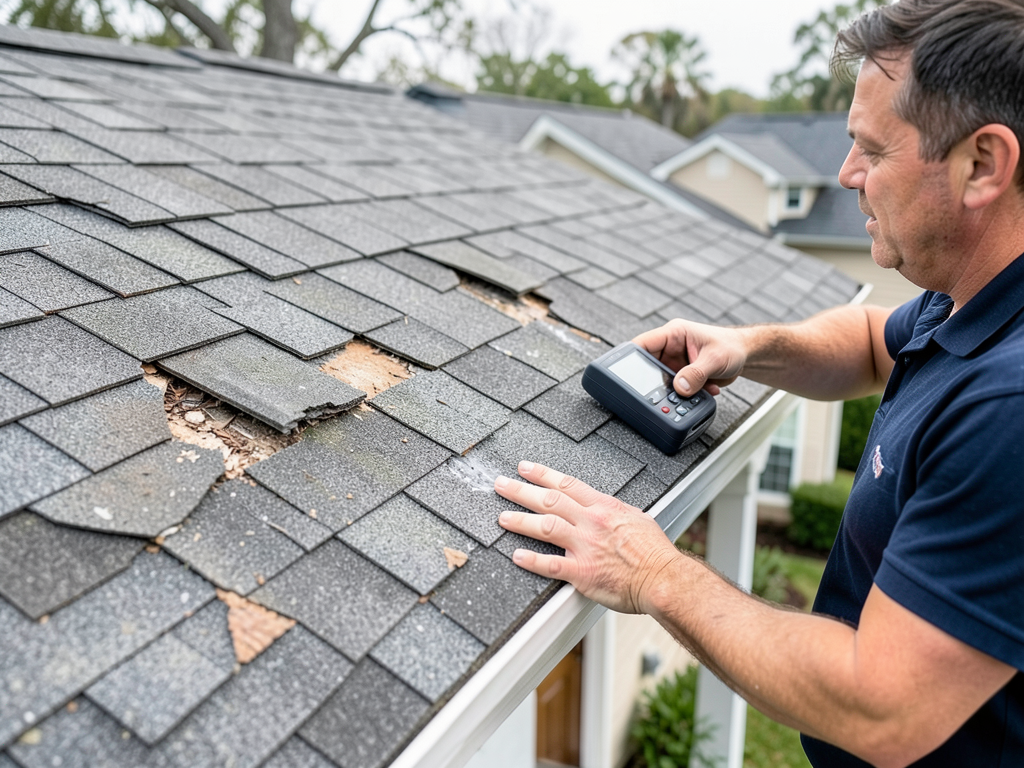
Missing damage is extremely common in Orlando roof inspections. Wind uplift can cause separation at roof edges that’s invisible from the ground. Granule loss from hail might look like normal aging to an untrained eye. Professional roofers use moisture meters and detailed documentation to prove these damages exist.
Code upgrade requirements often increase claim values substantially. If your roof is over 15 years old and requires replacement Orlando building codes may mandate upgrades like secondary water barriers or improved underlayment. These code compliance costs should be included in your claim.
Step-by-Step Guide to Reversing a Roof Claim Denial
Following these steps systematically increases your chances of getting your claim approved. Each step builds evidence that makes it harder for your insurer to maintain their denial.
- Review the Denial Letter
Read every word of your denial letter. Look for specific reasons given and any deadlines mentioned. Note which policy sections they cite and what documentation they say is missing. This becomes your roadmap for what evidence you need to provide.
- Gather Your Documentation
Collect all photos you took immediately after the storm. Find your original roof inspection reports and any maintenance records. Gather weather reports showing wind speeds or hail size in your area during the damaging event. These documents prove when and how damage occurred.
- Request a Second Inspection
Call your insurance company and formally request a re-inspection. Florida law requires insurers to respond to such requests. When scheduling specify that you want a different adjuster than the one who denied your claim. This fresh perspective often catches damage the first adjuster missed.
- Have a Professional Roofer Present
Never attend a re-inspection alone. Hire a licensed Orlando roofing contractor to accompany the adjuster. Professional roofers know exactly what damage looks like under different lighting conditions and can point out issues adjusters frequently miss. They also understand how to document damage according to insurance standards. Is Solar Roofing Actually Worth the Investment for Orlando Residents?.
- Document Everything
Take your own photos and videos during the re-inspection. Have your roofer create a detailed damage report with measurements and specific locations of all issues found. This documentation becomes crucial if you need to file a complaint or pursue appraisal.
- Consider a Public Adjuster
If the re-inspection still results in denial a public adjuster can level the playing field. These licensed professionals work for you not the insurance company. They typically charge 10-20% of the recovered amount but often secure payouts that far exceed what you’d get on your own.
- Explore Legal Options
As a last resort you can file a complaint with the Florida Department of Financial Services or consult an attorney specializing in insurance disputes. Many offer free initial consultations to evaluate your case. The threat of legal action often motivates insurers to settle valid claims.
Case Study: Lake Nona Home Gets Coverage After Initial Denial
A Lake Nona homeowner faced a denial after Hurricane Ian damaged their 12-year-old roof. The insurance company claimed the damage was pre-existing wear and tear. The homeowner followed a systematic approach that ultimately reversed the denial.
First they documented all damage with time-stamped photos showing fresh shingle damage and new leaks in their attic. They obtained a detailed weather report confirming 70+ mph winds in their zip code 32827 during the storm.
Next they hired All Pro Roofing Orlando to perform a comprehensive inspection. The roofer identified specific wind uplift damage along roof edges and granule loss from wind-driven debris that matched the storm pattern. They provided a written report with photos showing how the damage differed from normal aging. Best Roofing Materials for Older Bungalows in Thornton Park.
Armed with this evidence the homeowner requested a re-inspection. This time they insisted on a different adjuster and had their roofer present throughout. The new adjuster documented the same damage points identified by the professional roofer.
When the insurer still hesitated the homeowner filed a complaint with the Florida Department of Financial Services. Within two weeks the insurance company reversed their denial and approved the full replacement cost. The key was having professional documentation that proved the damage was storm-related not pre-existing.
This Lake Nona case demonstrates how following proper procedures with expert help can overcome even stubborn denials. The homeowner spent around $300 on professional inspection fees but recovered over $15000 in approved claim benefits.
Cost-Benefit Analysis of Fighting a Denial
Many homeowners wonder if fighting a denial is worth the effort and potential costs. Here’s what the numbers actually show for Orlando properties.
| Option | Typical Cost | Potential Recovery | Net Benefit |
|---|---|---|---|
| Do Nothing | $0 | $0 | $0 |
| DIY Appeal | $100-300 | $5000-15000 | $4700-14700 |
| Professional Help | $500-2000 | $10000-25000 | $8000-23000 |
| Legal Action | $2000-5000 | $15000-40000 | $10000-35000 |
The data shows that even hiring professional help typically results in net benefits of several thousand dollars. For a typical Orlando roof replacement costing $12000-$18000 recovering even partial coverage through appeal can save you thousands in out-of-pocket expenses.
Time investment is another consideration. A DIY appeal might take 10-15 hours spread over several weeks. Professional help reduces your time commitment to a few hours of meetings and phone calls. The question becomes whether your time or money is more valuable.
Risk assessment matters too. About 60-70% of properly documented appeals result in at least partial approval. Your odds improve significantly when you have professional inspection reports and follow the exact procedures outlined in this guide.
Documentation Checklist for Your Roof Claim Appeal
Having the right documentation makes the difference between approval and denial. Here’s what you need to gather before your appeal. Choosing Between Shingle and Tile Roofs for Your Central Florida Home.
- Time-stamped photos of all damage from multiple angles
- Weather reports showing storm conditions in your area
- Original roof installation documents and age verification
- Maintenance records proving regular upkeep
- Professional inspection reports with detailed damage analysis
- Estimates from licensed roofing contractors
- Correspondence with your insurance company
- Policy documents highlighting relevant coverage sections
Photo quality is crucial. Take close-up shots showing specific damage patterns like lifted shingles wind-driven debris impact or granule loss. Include wide shots showing the extent of damage across your roof surface. Always include reference objects in photos for scale when possible.
Professional inspection reports should include specific measurements moisture readings and damage classifications. The report should explain why the damage matches storm patterns rather than wear and tear. It should also reference Florida building codes that apply to your repair or replacement.
Weather documentation should come from official sources like the National Weather Service. Include wind speed reports hail size measurements and rainfall totals for your exact zip code. This proves that weather conditions were severe enough to cause the damage you’re claiming.
Warning Signs Your Insurance Company Is Acting in Bad Faith
Sometimes denials aren’t just mistakes but indicators of bad faith practices. Watch for these red flags that suggest your insurer isn’t handling your claim properly.
Unreasonable delays in responding to your communications or scheduling inspections often indicate bad faith. Florida law requires prompt handling of claims but some companies intentionally drag out the process hoping you’ll give up.
Making lowball offers that don’t cover basic repair costs is another bad faith indicator. If their offer is less than 50% of reasonable repair estimates they may be hoping you’ll accept an unfairly low settlement.
Misrepresenting policy language to deny coverage violates Florida insurance regulations. If they claim coverage doesn’t exist for something clearly stated in your policy this is a serious violation requiring regulatory complaint.
Failing to provide written explanations for denials or ignoring your documentation requests suggests they’re avoiding creating a record of their actions. Every denial should come with specific written reasons citing policy sections.
Making threats about premium increases if you appeal or file complaints is illegal intimidation. Florida law prohibits insurers from retaliating against homeowners who exercise their appeal rights.
Preventing Future Claim Denials
Once you resolve your current denial take steps to prevent future issues. Many Orlando homeowners face repeated claim problems because they don’t address underlying issues.
Schedule annual professional roof inspections even if you don’t suspect damage. These inspections catch minor issues before they become major problems. They also create documentation showing your roof’s condition over time which helps prove new damage is storm-related.
Document all maintenance activities including gutter cleaning minor repairs and roof cleaning. Keep receipts and take before-and-after photos. This documentation proves you’ve maintained your roof properly if maintenance ever becomes an issue in a claim.
Consider upgrading to impact-resistant roofing materials if you’re in a high-risk area. Class 4 impact-resistant shingles can withstand hail and wind-driven debris better than standard materials. Some insurers offer premium discounts for these upgrades.
Review your policy annually with your insurance agent. Make sure you understand what’s covered and what exclusions apply. Ask about specific coverage for wind damage hail and water intrusion. Knowledge prevents surprises when you need to file a claim.
Build relationships with local contractors before you need them. Having a trusted roofer who knows your property and can respond quickly after storms makes the claims process much smoother. They can also provide emergency tarping to prevent further damage while your claim is processed. Emergency Tarping Service.
Frequently Asked Questions
How long do I have to appeal a roof claim denial in Florida?
Florida doesn’t specify exact appeal deadlines for weather-related claims. However you should act within 30-60 days of receiving your denial letter. Acting quickly preserves evidence and meets most insurers’ internal deadlines for appeals.
Will fighting a denial make my insurance rates go up?
No. Florida law prohibits insurers from raising rates based on claim denials or appeals. Rate increases can only occur based on your claims history and overall risk factors not on your decision to appeal a denial.
How much does a professional roof inspection cost in Orlando?
Professional roof inspections typically cost $150-300 in the Orlando area. This includes detailed documentation moisture readings and a written report. Some companies offer free inspections but these often come with sales pressure. Paid inspections provide more objective documentation for insurance purposes.
Can I still get my roof replaced if my claim is denied?
Yes. You can pay for roof replacement out of pocket even if your insurance denies your claim. However fighting the denial first often results in partial coverage that reduces your out-of-pocket costs significantly. Always explore the appeal process before paying for replacement yourself.
What if my neighbor’s claim was approved but mine was denied for the same damage?
This happens frequently and often indicates inconsistent adjuster evaluations rather than actual coverage differences. Request a re-inspection and specifically ask why your neighbor’s similar damage was covered. Document the differences in damage assessment and use this information in your appeal.
Take Action Before the Next Storm Hits
Don’t let an insurance denial leave you with a damaged roof and a huge repair bill. The steps outlined in this guide have helped hundreds of Orlando homeowners reverse denials and get their roofs properly repaired or replaced.
Time matters in roof damage situations. The longer you wait the more your damage can worsen leading to interior water damage mold growth and higher repair costs. If you’ve received a denial letter you need to act now not later.
Professional help makes a huge difference in claim outcomes. A licensed Orlando roofing contractor can identify damage that adjusters miss document it properly and communicate effectively with your insurance company. This expertise often means the difference between denial and approval.
Call (689) 268-2855 today to schedule your professional roof inspection. We’ll review your denial letter examine your roof for missed damage and help you understand exactly what steps to take next. Our Orlando-based team knows the local building codes understands Florida insurance laws and has experience getting denied claims reversed.
Don’t wait for the next storm to make your roof problems worse. Pick up the phone and call (689) 268-2855 now. Your roof protects everything you own and everyone you love. Let us help you get it repaired properly with insurance covering as much as possible.
The insurance company said no but that doesn’t mean the answer is final. With the right approach professional help and proper documentation you can often turn that no into a yes. Call (689) 268-2855 and let’s get started on getting your roof the coverage it deserves.
Remember every day you wait is another day your home remains vulnerable to water damage and further deterioration. The solution is just a phone call away. Call (689) 268-2855 today and take the first step toward getting your roof repaired with insurance helping cover the costs.
{
“@context”: “https://schema.org”,
“@type”: “BlogPosting”,
“headline”: “What to Do When Your Orlando Homeowners Insurance Denies a Valid Roof Claim”,
“description”: “Orlando homeowners: Learn how to fight back when your roof claim gets denied. Discover 5 steps to reverse denials and get your roof repaired. Call (689) 268-2855.”,
“wordCount”: 2838,
“datePublished”: “2026-04-23T07:03:00.000Z”,
“dateModified”: “2026-04-23T07:03:00.000Z”,
“inLanguage”: “en-US”,
“mainEntityOfPage”: {
“@type”: “WebPage”,
“@id”: “https://allproroofingorlando.com”
},
“publisher”: {
“@type”: “LocalBusiness”,
“name”: “All Pro Roofing Orlando”,
“url”: “https://allproroofingorlando.com”
},
“author”: {
“@type”: “Organization”,
“name”: “All Pro Roofing Orlando”,
“url”: “https://allproroofingorlando.com”
},
“image”: {
“@type”: “ImageObject”,
“url”: “https://allproroofingorlando.com/wp-content/uploads/2026/03/what-to-do-when-your-orlando-homeowners-insurance-1.png”
}
}
{
“@context”: “https://schema.org”,
“@type”: “RoofingContractor”,
“name”: “All Pro Roofing Orlando”,
“url”: “https://allproroofingorlando.com”,
“address”: {
“@type”: “PostalAddress”,
“addressLocality”: “Orlando”
},
“areaServed”: {
“@type”: “City”,
“name”: “Orlando”
}
}
{
“@context”: “https://schema.org”,
“@type”: “FAQPage”,
“mainEntity”: [
{
“@type”: “Question”,
“name”: “How long do I have to appeal a roof claim denial in Florida?”,
“acceptedAnswer”: {
“@type”: “Answer”,
“text”: “Florida doesn’t specify exact appeal deadlines for weather-related claims. However you should act within 30-60 days of receiving your denial letter. Acting quickly preserves evidence and meets most insurers’ internal deadlines for appeals.”
}
},
{
“@type”: “Question”,
“name”: “Will fighting a denial make my insurance rates go up?”,
“acceptedAnswer”: {
“@type”: “Answer”,
“text”: “No. Florida law prohibits insurers from raising rates based on claim denials or appeals. Rate increases can only occur based on your claims history and overall risk factors not on your decision to appeal a denial.”
}
},
{
“@type”: “Question”,
“name”: “How much does a professional roof inspection cost in Orlando?”,
“acceptedAnswer”: {
“@type”: “Answer”,
“text”: “Professional roof inspections typically cost $150-300 in the Orlando area. This includes detailed documentation moisture readings and a written report. Some companies offer free inspections but these often come with sales pressure. Paid inspections provide more objective documentation for insurance purposes.”
}
},
{
“@type”: “Question”,
“name”: “Can I still get my roof replaced if my claim is denied?”,
“acceptedAnswer”: {
“@type”: “Answer”,
“text”: “Yes. You can pay for roof replacement out of pocket even if your insurance denies your claim. However fighting the denial first often results in partial coverage that reduces your out-of-pocket costs significantly. Always explore the appeal process before paying for replacement yourself.”
}
},
{
“@type”: “Question”,
“name”: “What if my neighbor’s claim was approved but mine was denied for the same damage?”,
“acceptedAnswer”: {
“@type”: “Answer”,
“text”: “This happens frequently and often indicates inconsistent adjuster evaluations rather than actual coverage differences. Request a re-inspection and specifically ask why your neighbor’s similar damage was covered. Document the differences in damage assessment and use this information in your appeal.”
}
}
]
}
{
“@context”: “https://schema.org”,
“@type”: “HowTo”,
“name”: “How to Reverse a Roof Claim Denial”,
“step”: [
{
“@type”: “HowToStep”,
“position”: 1,
“name”: “Review the Denial Letter”,
“text”: “Read every word of your denial letter. Look for specific reasons given and any deadlines mentioned. Note which policy sections they cite and what documentation they say is missing. This becomes your roadmap for what evidence you need to provide.”
},
{
“@type”: “HowToStep”,
“position”: 2,
“name”: “Gather Your Documentation”,
“text”: “Collect all photos you took immediately after the storm. Find your original roof inspection reports and any maintenance records. Gather weather reports showing wind speeds or hail size in your area during the damaging event. These documents prove when and how damage occurred.”
},
{
“@type”: “HowToStep”,
“position”: 3,
“name”: “Request a Second Inspection”,
“text”: “Call your insurance company and formally request a re-inspection. Florida law requires insurers to respond to such requests. When scheduling specify that you want a different adjuster than the one who denied your claim. This fresh perspective often catches damage the first adjuster missed.”
},
{
“@type”: “HowToStep”,
“position”: 4,
“name”: “Have a Professional Roofer Present”,
“text”: “Never attend a re-inspection alone. Hire a licensed Orlando roofing contractor to accompany the adjuster. Professional roofers know exactly what damage looks like under different lighting conditions and can point out issues adjusters frequently miss. They also understand how to document damage according to insurance standards. Is Solar Roofing Actually Worth the Investment for Orlando Residents?.”
},
{
“@type”: “HowToStep”,
“position”: 5,
“name”: “Document Everything”,
“text”: “Take your own photos and videos during the re-inspection. Have your roofer create a detailed damage report with measurements and specific locations of all issues found. This documentation becomes crucial if you need to file a complaint or pursue appraisal.”
},
{
“@type”: “HowToStep”,
“position”: 6,
“name”: “Consider a Public Adjuster”,
“text”: “If the re-inspection still results in denial a public adjuster can level the playing field. These licensed professionals work for you not the insurance company. They typically charge 10-20% of the recovered amount but often secure payouts that far exceed what you’d get on your own.”
},
{
“@type”: “HowToStep”,
“position”: 7,
“name”: “Explore Legal Options”,
“text”: “As a last resort you can file a complaint with the Florida Department of Financial Services or consult an attorney specializing in insurance disputes. Many offer free initial consultations to evaluate your case. The threat of legal action often motivates insurers to settle valid claims.”
}
],
“image”: “https://allproroofingorlando.com/wp-content/uploads/2026/03/what-to-do-when-your-orlando-homeowners-insurance-1.png”
}
{
“@context”: “https://schema.org”,
“@type”: “BreadcrumbList”,
“itemListElement”: [
{
“@type”: “ListItem”,
“position”: 1,
“name”: “Home”,
“item”: “https://allproroofingorlando.com”
},
{
“@type”: “ListItem”,
“position”: 2,
“name”: “Blog”,
“item”: “https://allproroofingorlando.com/blog”
},
{
“@type”: “ListItem”,
“position”: 3,
“name”: “What to Do When Your Orlando Homeowners Insurance Denies a Valid Roof Claim”
}
]
}
{
“@context”: “https://schema.org”,
“@type”: “Service”,
“serviceType”: “Roofing”,
“provider”: {
“@type”: “LocalBusiness”,
“name”: “All Pro Roofing Orlando”,
“url”: “https://allproroofingorlando.com”
},
“areaServed”: {
“@type”: “City”,
“name”: “Orlando”
},
“description”: “Orlando homeowners: Learn how to fight back when your roof claim gets denied. Discover 5 steps to reverse denials and get your roof repaired. Call (689) 268-2855.”
}