
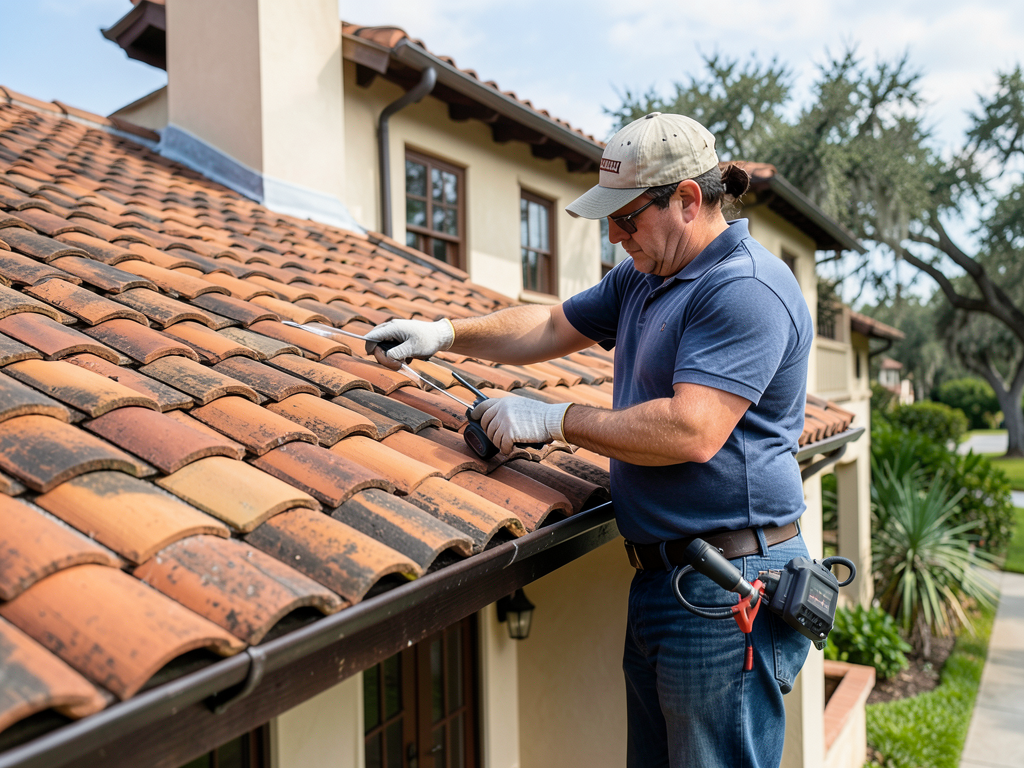
Restoring the Roof on a Historic College Park Home While Keeping Its Charm
College Park’s tree-lined streets and bungalow-lined blocks tell stories of Orlando’s architectural past. Homes built between the 1920s and 1940s feature clay tile roofs, cedar shake shingles, and intricate copper flashing that modern materials struggle to replicate. Restoring these roofs requires more than basic roofing skills. It demands understanding Orlando’s humid climate, historic preservation guidelines, and the structural challenges that come with century-old construction. Choosing Between Shingle and Tile Roofs for Your Central Florida Home.
Homeowners in College Park face a unique challenge. They want to protect their investment from Florida’s harsh weather while preserving the architectural integrity that makes their neighborhood special. The City of Orlando Historic Preservation Board requires specific materials and techniques for homes within designated historic districts. This means you cannot simply replace a Spanish tile roof with asphalt shingles without proper approval. City of Orlando Historic Preservation.
The process starts with a thorough inspection. We examine the roof deck for rot, check the structural integrity of rafters, and assess the condition of existing materials. Many College Park homes have experienced decades of moisture intrusion from Orlando’s afternoon thunderstorms. This creates hidden damage that affects the entire roofing system. Our team uses moisture meters and infrared scanning to detect water damage beneath visible surfaces. Is Solar Roofing Actually Worth the Investment for Orlando Residents?.
Historic roofing restoration in College Park requires specific expertise. We match original materials like Ludowici clay tiles or cedar shakes to maintain authenticity. We also install modern underlayment systems that provide hurricane protection without altering the roof’s appearance from the street. This balance between preservation and protection defines successful historic roof restoration. Best Roofing Materials for Older Bungalows in Thornton Park.
Understanding Orlando’s Historic Preservation Requirements
Before starting any restoration work on a historic College Park home, you must navigate the City of Orlando’s Certificate of Appropriateness process. The Historic Preservation Board reviews proposed changes to ensure they align with the neighborhood’s architectural character. This process can take several weeks, so planning ahead is essential.
The board evaluates several factors when reviewing roofing proposals. They examine material authenticity, color matching, and installation methods. For example, Spanish Colonial Revival homes require specific clay tile profiles that differ from Mediterranean Revival styles. Using incorrect materials can result in project delays or mandatory removal of non-compliant work.
Orlando’s building codes also apply to historic structures. The Florida Building Code requires secondary water barriers for homes in high-wind zones. This means installing self-adhering underlayment beneath the primary roofing material. For historic homes, we use products that provide this protection while remaining invisible from the ground. Florida Department of State – Historical Resources.
The inspection process includes evaluating the roof’s structural capacity. Many 1920s homes were built with lighter rafters than modern construction requires. We may need to reinforce these structures to support the weight of original materials like clay tile or slate. This structural work must meet current building codes while maintaining the home’s historical appearance. Reliable Roof Inspection Services for Home Buyers in Winter Garden.
Permit requirements vary by project scope. Simple repairs might require only a building permit, while complete restorations need both building and historic preservation approvals. We handle all permitting processes to ensure your project moves forward without regulatory delays.
Historic Roofing Materials and Their Modern Applications
College Park’s historic homes feature several distinctive roofing materials. Spanish clay tiles remain the most common, particularly on Mediterranean Revival and Spanish Colonial Revival homes. These tiles provide excellent durability but require specialized installation techniques to prevent water infiltration in Orlando’s humid climate.
Cedar shake shingles were popular on Craftsman Bungalows throughout College Park. Modern cedar shakes offer improved fire resistance while maintaining the weathered appearance that defines these homes. We source premium-grade cedar that resists Florida’s moisture and insect damage better than standard materials.
Slate roofing, though less common, appears on some Tudor Revival homes in the area. Original slate often lasts over 100 years, but when replacement becomes necessary, finding matching materials proves challenging. We work with specialty suppliers who maintain inventories of vintage slate or can create custom blends that match existing patterns.
Copper flashing represents another critical historic element. Original copper develops a distinctive patina that complements historic architecture. We fabricate custom copper flashing to match original profiles, ensuring proper water diversion while maintaining visual authenticity. This flashing also provides superior longevity compared to modern alternatives.
Modern underlayment systems play a crucial role in historic roof restoration. We install high-temperature synthetic underlayments that provide moisture protection without creating heat buildup beneath clay tiles. These products prevent the condensation issues that plague older homes in Orlando’s climate.
The choice between restoration and replacement depends on several factors. We assess the condition of existing materials, the structural integrity of the roof deck, and the homeowner’s long-term goals. Sometimes partial restoration using original materials proves more cost-effective than complete replacement while maintaining historical accuracy.
Common Structural Challenges in Historic College Park Roofs
Age creates specific structural issues in historic College Park homes. Roof decks built with 1920s lumber often suffer from dry rot, termite damage, or water infiltration. These problems remain hidden until we remove the outer roofing material. Our inspection process identifies these issues before restoration begins.
Many historic homes feature balloon framing construction. This method creates continuous wall cavities that can channel water from roof leaks directly into interior walls. We install modern moisture barriers that interrupt this pathway while maintaining the home’s original appearance. This prevents the extensive interior damage that often accompanies roof failures in older homes.
Roof pitch presents another challenge. Historic homes often feature steeper pitches than modern construction. This requires specialized scaffolding and safety equipment for restoration work. We also must ensure proper flashing installation at valleys and ridges where water concentrates during Orlando’s heavy rain events.
Attic ventilation differs significantly between historic and modern homes. Many College Park homes lack adequate ventilation, leading to moisture buildup and reduced roofing material lifespan. We install ventilation systems that improve air circulation without altering the home’s exterior appearance. This includes ridge vents hidden beneath clay tiles or discreet soffit vents.
Chimney flashing represents a common failure point in historic homes. Original lead flashing often deteriorates from Orlando’s heat and humidity. We replace this with copper flashing that develops the same patina while providing superior longevity. We also install cricket flashing behind chimneys to prevent water pooling, a requirement often overlooked in historic restorations.
Structural movement affects historic homes differently than modern construction. Foundation settling can create stress points at roof connections. We identify these areas during inspection and reinforce them to prevent future cracking or separation. This structural assessment prevents the costly callbacks that plague less thorough restoration work.
The Restoration Process: Step by Step
- Initial Assessment
We conduct a comprehensive inspection using moisture meters, thermal imaging, and visual assessment to document existing conditions. This includes checking the attic for signs of water damage, evaluating structural integrity, and photographing all roof areas.
- Permit Acquisition
We prepare and submit applications for both building permits and Certificate of Appropriateness to the City of Orlando. This includes detailed drawings showing material specifications and installation methods that meet historic preservation guidelines.
- Material Sourcing
We locate matching materials for your specific home style. This may involve contacting specialty suppliers for Ludowici tiles, vintage cedar shakes, or custom copper flashing. We ensure all materials meet both historic accuracy and modern building code requirements.
- Structural Preparation
We repair or replace damaged roof decking, reinforce rafters as needed, and install modern moisture barriers. This work remains hidden but provides the foundation for a successful restoration that meets current building codes.
- Installation
We install the roofing system using period-correct techniques while incorporating modern protection methods. This includes proper flashing installation, ventilation improvements, and secondary water barriers required by Florida building codes.
- Final Inspection
We conduct a thorough quality check, documenting all work for the homeowner and historic preservation board. We also provide maintenance recommendations to ensure the restored roof provides decades of protection.
Maintaining Your Restored Historic Roof
Historic roof maintenance differs from modern roofing care. The materials used in College Park’s historic homes require specific attention to preserve their appearance and functionality. Regular maintenance prevents costly repairs and extends the life of your restoration investment.
Annual inspections become crucial for historic roofs. We examine all flashing points, check for cracked or displaced tiles, and assess the condition of copper components. Orlando’s humidity accelerates deterioration of certain materials, making early detection essential. We also check for algae growth, which can stain clay tiles and cedar shakes.
Gutter maintenance takes on added importance for historic homes. Original gutter systems often feature specific profiles that complement the home’s architecture. We clean these gutters regularly and ensure downspouts direct water away from the foundation. Improper drainage can cause soil erosion around pier-and-beam foundations common in College Park’s older homes.
Tree maintenance affects roof longevity significantly. College Park’s mature oak canopy provides shade but also drops debris that can trap moisture against roofing materials. We recommend annual tree trimming to reduce debris accumulation while maintaining the neighborhood’s characteristic tree-lined appearance.
Storm preparation becomes critical in Orlando’s hurricane-prone climate. We inspect all roof connections, verify that hurricane straps meet current code requirements, and ensure all materials remain secure. This preparation prevents the catastrophic damage that can occur when historic materials become projectiles during storms.
Material-specific care varies by roofing type. Clay tiles require checking for cracks that can allow water infiltration. Cedar shakes need inspection for splitting or warping. Copper flashing should be examined for signs of accelerated corrosion, particularly near saltwater exposure or industrial areas.
Documentation helps track maintenance needs over time. We provide homeowners with detailed records of all restoration work, including material specifications and installation dates. This information proves valuable for insurance purposes and future maintenance planning.
Cost Factors in Historic Roof Restoration
Historic roof restoration typically costs more than standard roofing replacement. Several factors contribute to this difference. Material sourcing represents a significant expense, as matching original materials often requires specialty suppliers or custom fabrication.
Labor costs increase due to the specialized skills required. Installing clay tiles or cedar shakes demands experience that standard roofing crews lack. We employ craftsmen who understand historic roofing techniques and can execute them while meeting modern building codes.
Permit fees and historic preservation board requirements add administrative costs. The review process requires detailed documentation and may necessitate multiple submissions before approval. We handle these administrative tasks to streamline the process for homeowners.
Structural repairs often become necessary during restoration. Hidden damage from decades of moisture exposure can require extensive deck replacement or rafter reinforcement. These repairs, while essential, increase project costs beyond initial estimates.
However, historic restoration offers long-term value advantages. Original materials like clay tile and copper flashing often last 50-100 years when properly installed. This longevity can offset higher initial costs compared to materials requiring replacement every 20-30 years.
Insurance considerations also affect restoration economics. Some insurance companies offer premium discounts for historic preservation work that maintains a home’s architectural integrity. We can provide documentation that helps homeowners qualify for these potential savings.
Energy efficiency improvements during restoration can reduce ongoing costs. Modern underlayment and ventilation systems improve the home’s thermal performance while remaining invisible from the street. These improvements can offset some of the restoration’s higher initial investment through reduced utility bills.
Why Choose Local Expertise for Your Historic Restoration
Historic roof restoration in College Park requires specific local knowledge. Understanding Orlando’s climate patterns, building codes, and historic preservation requirements makes the difference between successful restoration and costly mistakes. Our team brings 15+ years of experience working specifically in College Park and surrounding historic neighborhoods.
Local relationships prove invaluable during the restoration process. We maintain working relationships with the City of Orlando’s Historic Preservation Board, specialty material suppliers, and structural engineers familiar with historic construction methods. These connections streamline the approval and restoration processes.
Climate-specific knowledge affects restoration outcomes significantly. Orlando’s high humidity, intense UV exposure, and hurricane threats require material and installation choices that differ from other regions. Our experience with these local conditions ensures your restoration withstands Central Florida’s unique challenges.
Emergency response capability provides peace of mind during restoration. Storm damage can occur at any time, and historic homes require immediate attention to prevent water intrusion. Our 24/7 emergency service ensures rapid response to protect your investment throughout the restoration process. Emergency Tarping Service.
Insurance claim experience helps navigate the financial aspects of restoration. Many historic homeowners face complex insurance situations involving partial damage or code compliance upgrades. We work directly with insurance adjusters to ensure proper documentation and maximize claim coverage.
Portfolio evidence demonstrates our capability. We maintain a gallery of completed historic restorations throughout College Park, including homes on Edgewater Drive, near Lake Adair, and in the Dubsdread area. These examples showcase our ability to match materials, meet preservation requirements, and deliver lasting results.
Community commitment extends beyond individual projects. We participate in College Park neighborhood association meetings, stay current on preservation guidelines, and contribute to maintaining the area’s architectural heritage. This community involvement ensures we understand evolving preservation standards and homeowner expectations.
Protecting College Park’s Architectural Heritage
Historic roof restoration represents more than home improvement. It preserves the architectural character that defines College Park and contributes to Orlando’s cultural heritage. Each restored roof maintains the visual continuity that makes the neighborhood special and protects property values for all residents.
The restoration process creates ripple effects throughout the community. Well-maintained historic homes inspire neighboring property owners to invest in preservation. This collective effort strengthens College Park’s identity and ensures future generations can experience the neighborhood’s architectural charm.
Educational opportunities arise through restoration projects. Homeowners learn about their home’s history, construction methods, and architectural significance. This knowledge fosters appreciation for historic preservation and encourages continued investment in maintaining these properties.
Economic benefits extend beyond individual properties. Historic preservation attracts visitors, supports local businesses, and enhances Orlando’s appeal as a culturally rich city. College Park’s preserved architecture contributes to the city’s tourism economy and quality of life.
Environmental considerations favor restoration over replacement. Preserving existing materials reduces landfill waste and the carbon footprint associated with manufacturing new roofing products. This sustainability aspect aligns with growing environmental awareness among College Park residents.
Future-proofing represents another preservation benefit. Quality restoration using durable materials and proper installation techniques ensures these homes remain viable for another century. This long-term perspective contrasts with the replacement cycle common in modern construction.
Community pride emerges from successful restoration projects. Homeowners who invest in preserving their historic properties often become advocates for neighborhood preservation. This advocacy strengthens community bonds and ensures continued protection of College Park’s architectural heritage.
Ready to restore your historic College Park home’s roof while preserving its charm? Call (689) 268-2855 today to schedule your comprehensive inspection. Our team understands the unique challenges of historic restoration and can guide you through every step of the process. Don’t wait until storm season to protect your investment. Pick up the phone and call (689) 268-2855 before the next storm hits.
Frequently Asked Questions
How long does historic roof restoration typically take?
Most historic roof restorations in College Park take 2-4 weeks from start to finish, depending on the project scope and weather conditions. The permitting process with the City of Orlando can add 2-6 weeks before work begins.
Will my restored roof look exactly like the original?
Yes, our goal is to match original materials and installation patterns precisely. We source matching clay tiles, cedar shakes, or slate, and use period-correct installation techniques while incorporating modern protection methods beneath the visible surface.
Do I need special permits for historic roof work?
Yes, most historic roof restorations in College Park require both a standard building permit and a Certificate of Appropriateness from the City of Orlando’s Historic Preservation Board. We handle all permit applications and submissions as part of our service.
How much does historic roof restoration cost compared to standard replacement?
Historic restoration typically costs 30-50% more than standard roof replacement due to specialized materials, skilled labor, and permit requirements. However, the longevity of original materials often provides better long-term value.
Can I upgrade to modern materials while maintaining historic appearance?
We can install modern materials that mimic historic appearances, but the City of Orlando’s Historic Preservation Board generally prefers original materials for visible roof surfaces. We can discuss options that balance authenticity with performance during your consultation.
{
“@context”: “https://schema.org”,
“@type”: “BlogPosting”,
“headline”: “Restoring the Roof on a Historic College Park Home While Keeping Its Charm”,
“description”: “Expert historic roofing restoration in College Park, Orlando. Preserve your 1920s-1940s home’s charm while meeting Orlando’s historic preservation codes. Call (689) 268-2855.”,
“wordCount”: 2744,
“datePublished”: “2026-02-23T11:06:00.000Z”,
“dateModified”: “2026-02-23T11:06:00.000Z”,
“inLanguage”: “en-US”,
“mainEntityOfPage”: {
“@type”: “WebPage”,
“@id”: “https://allproroofingorlando.com”
},
“publisher”: {
“@type”: “LocalBusiness”,
“name”: “All Pro Roofing Orlando”,
“url”: “https://allproroofingorlando.com”
},
“author”: {
“@type”: “Organization”,
“name”: “All Pro Roofing Orlando”,
“url”: “https://allproroofingorlando.com”
},
“image”: {
“@type”: “ImageObject”,
“url”: “https://allproroofingorlando.com/wp-content/uploads/2026/03/restoring-the-roof-on-a-historic-college-park-home-1.png”
}
}
{
“@context”: “https://schema.org”,
“@type”: “RoofingContractor”,
“name”: “All Pro Roofing Orlando”,
“url”: “https://allproroofingorlando.com”,
“address”: {
“@type”: “PostalAddress”,
“addressLocality”: “Orlando”
},
“areaServed”: {
“@type”: “City”,
“name”: “Orlando”
}
}
{
“@context”: “https://schema.org”,
“@type”: “FAQPage”,
“mainEntity”: [
{
“@type”: “Question”,
“name”: “How long does historic roof restoration typically take?”,
“acceptedAnswer”: {
“@type”: “Answer”,
“text”: “Most historic roof restorations in College Park take 2-4 weeks from start to finish, depending on the project scope and weather conditions. The permitting process with the City of Orlando can add 2-6 weeks before work begins.”
}
},
{
“@type”: “Question”,
“name”: “Will my restored roof look exactly like the original?”,
“acceptedAnswer”: {
“@type”: “Answer”,
“text”: “Yes, our goal is to match original materials and installation patterns precisely. We source matching clay tiles, cedar shakes, or slate, and use period-correct installation techniques while incorporating modern protection methods beneath the visible surface.”
}
},
{
“@type”: “Question”,
“name”: “Do I need special permits for historic roof work?”,
“acceptedAnswer”: {
“@type”: “Answer”,
“text”: “Yes, most historic roof restorations in College Park require both a standard building permit and a Certificate of Appropriateness from the City of Orlando’s Historic Preservation Board. We handle all permit applications and submissions as part of our service.”
}
},
{
“@type”: “Question”,
“name”: “How much does historic roof restoration cost compared to standard replacement?”,
“acceptedAnswer”: {
“@type”: “Answer”,
“text”: “Historic restoration typically costs 30-50% more than standard roof replacement due to specialized materials, skilled labor, and permit requirements. However, the longevity of original materials often provides better long-term value.”
}
},
{
“@type”: “Question”,
“name”: “Can I upgrade to modern materials while maintaining historic appearance?”,
“acceptedAnswer”: {
“@type”: “Answer”,
“text”: “We can install modern materials that mimic historic appearances, but the City of Orlando’s Historic Preservation Board generally prefers original materials for visible roof surfaces. We can discuss options that balance authenticity with performance during your consultation.”
}
}
]
}
{
“@context”: “https://schema.org”,
“@type”: “HowTo”,
“name”: “Historic Roof Restoration Process”,
“step”: [
{
“@type”: “HowToStep”,
“position”: 1,
“name”: “Initial Assessment”,
“text”: “We conduct a comprehensive inspection using moisture meters, thermal imaging, and visual assessment to document existing conditions. This includes checking the attic for signs of water damage, evaluating structural integrity, and photographing all roof areas.”
},
{
“@type”: “HowToStep”,
“position”: 2,
“name”: “Permit Acquisition”,
“text”: “We prepare and submit applications for both building permits and Certificate of Appropriateness to the City of Orlando. This includes detailed drawings showing material specifications and installation methods that meet historic preservation guidelines.”
},
{
“@type”: “HowToStep”,
“position”: 3,
“name”: “Material Sourcing”,
“text”: “We locate matching materials for your specific home style. This may involve contacting specialty suppliers for Ludowici tiles, vintage cedar shakes, or custom copper flashing. We ensure all materials meet both historic accuracy and modern building code requirements.”
},
{
“@type”: “HowToStep”,
“position”: 4,
“name”: “Structural Preparation”,
“text”: “We repair or replace damaged roof decking, reinforce rafters as needed, and install modern moisture barriers. This work remains hidden but provides the foundation for a successful restoration that meets current building codes.”
},
{
“@type”: “HowToStep”,
“position”: 5,
“name”: “Installation”,
“text”: “We install the roofing system using period-correct techniques while incorporating modern protection methods. This includes proper flashing installation, ventilation improvements, and secondary water barriers required by Florida building codes.”
},
{
“@type”: “HowToStep”,
“position”: 6,
“name”: “Final Inspection”,
“text”: “We conduct a thorough quality check, documenting all work for the homeowner and historic preservation board. We also provide maintenance recommendations to ensure the restored roof provides decades of protection.”
}
],
“image”: “https://allproroofingorlando.com/wp-content/uploads/2026/03/restoring-the-roof-on-a-historic-college-park-home-1.png”
}
{
“@context”: “https://schema.org”,
“@type”: “BreadcrumbList”,
“itemListElement”: [
{
“@type”: “ListItem”,
“position”: 1,
“name”: “Home”,
“item”: “https://allproroofingorlando.com”
},
{
“@type”: “ListItem”,
“position”: 2,
“name”: “Blog”,
“item”: “https://allproroofingorlando.com/blog”
},
{
“@type”: “ListItem”,
“position”: 3,
“name”: “Restoring the Roof on a Historic College Park Home While Keeping Its Charm”
}
]
}
{
“@context”: “https://schema.org”,
“@type”: “Service”,
“serviceType”: “Roofing”,
“provider”: {
“@type”: “LocalBusiness”,
“name”: “All Pro Roofing Orlando”,
“url”: “https://allproroofingorlando.com”
},
“areaServed”: {
“@type”: “City”,
“name”: “Orlando”
},
“description”: “Expert historic roofing restoration in College Park, Orlando. Preserve your 1920s-1940s home’s charm while meeting Orlando’s historic preservation codes. Call (689) 268-2855.”
}