
Protecting your roof from the unique salt air environment in East Orlando
East Orlando homes face a hidden threat that many homeowners never consider. Salt air travels inland from the Atlantic Ocean and creates corrosive conditions that accelerate roof deterioration. This environmental challenge affects properties from Avalon Park to Waterford Lakes and beyond.
Salt particles carried by wind and storm systems settle on roofing materials. These particles absorb moisture from the humid Florida air. The combination creates an electrochemical reaction that breaks down metal components and degrades protective coatings. Over time this process weakens your roof’s structural integrity. Florida Building Code.
The problem extends beyond obvious coastal properties. Orlando sits within what meteorologists call the “salt spray zone.” Atlantic winds carry microscopic salt crystals up to 50 miles inland during storm events. Hurricane season intensifies this effect when storm surges push salt-laden air much farther inland.
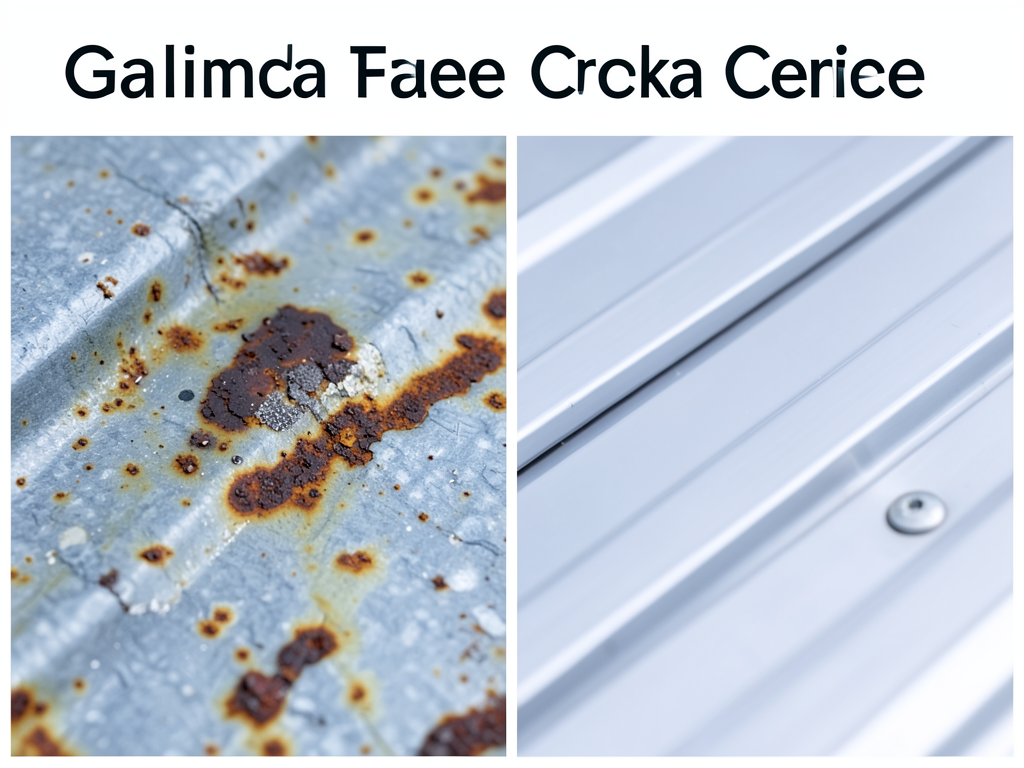
Metal components suffer first. Galvanized steel fasteners begin showing white corrosion within 18 to 24 months of exposure. Aluminum flashing develops pitting and edge creep. Even copper develops a green patina that eventually becomes destructive. The Florida Building Code requires specific corrosion-resistant materials for properties within designated coastal zones. Best Roofing Materials for Older Bungalows in Thornton Park.
Roofing materials react differently to salt exposure. Three-tab asphalt shingles lose granules faster near coastal areas. Architectural shingles show better resistance but still experience accelerated aging. Clay tiles perform well but require specialized fasteners. Concrete tiles offer excellent durability but add significant weight to roof structures. Is Solar Roofing Actually Worth the Investment for Orlando Residents?.
Understanding these material differences helps homeowners make informed decisions. Aluminum provides the best salt resistance among common roofing metals. Grade 3003 aluminum alloys resist corrosion 10 times better than galvanized steel in salt spray tests. The trade-off involves higher initial costs but longer service life in corrosive environments. TPO vs EPDM Roofing Guide.
Regular maintenance becomes critical in salt-affected areas. A simple freshwater rinse removes salt deposits before they cause damage. Professional inspections identify early signs of corrosion. Property owners in Avalon Park and surrounding areas should schedule biannual roof assessments to catch problems early. Reliable Roof Inspection Services for Home Buyers in Winter Garden.
Water quality also matters. Hard water contains minerals that combine with salt to create scale deposits. These deposits trap moisture against roofing materials. Using filtered water for cleaning reduces this secondary damage. Many East Orlando homeowners install whole-house water filtration systems to protect all exterior surfaces. Roofing Goldenrod.
Climate factors compound the salt air problem. Orlando’s high humidity keeps salt deposits moist for extended periods. Afternoon thunderstorms provide intermittent moisture that activates corrosion. Intense UV radiation accelerates chemical reactions on metal surfaces. These conditions create a perfect storm for roof degradation.
Building code requirements address these challenges. The Florida Building Code Section 1504.1.6 mandates corrosion-resistant materials within 1,500 feet of coastal areas. Products must carry Miami-Dade Product Approval ratings for high-velocity hurricane zones. These standards ensure materials can withstand both salt exposure and wind-driven debris.
Energy efficiency considerations add another layer of complexity. Reflective roof coatings help reduce cooling costs but may degrade faster in salt environments. Cool roof technologies require specialized formulations for coastal applications. The initial investment in premium materials often pays for itself through extended service life and energy savings.
Insurance implications matter for property owners. Some carriers require specific materials or maintenance schedules for homes in salt-affected areas. Documentation of regular inspections and maintenance helps with claims processing. Understanding these requirements prevents coverage disputes during storm events.
Commercial properties face unique challenges. Flat roofs accumulate salt deposits in drainage systems. HVAC equipment on rooftops experiences accelerated corrosion. Industrial facilities near transportation corridors deal with additional pollutants that compound salt damage. These factors require specialized maintenance protocols.
Residential neighborhoods show distinct patterns of salt damage. Homes on higher elevations often experience less salt exposure than those in lower areas where salt-laden air settles. Tree cover provides some protection but also traps salt particles against roof surfaces. Understanding these micro-environmental factors helps prioritize maintenance efforts.
Seasonal variations affect salt accumulation rates. Summer months bring more frequent rain that washes away some deposits but also provides moisture for corrosion. Winter months offer drier conditions but stronger winds carry more salt particles. Year-round vigilance remains essential for roof protection.
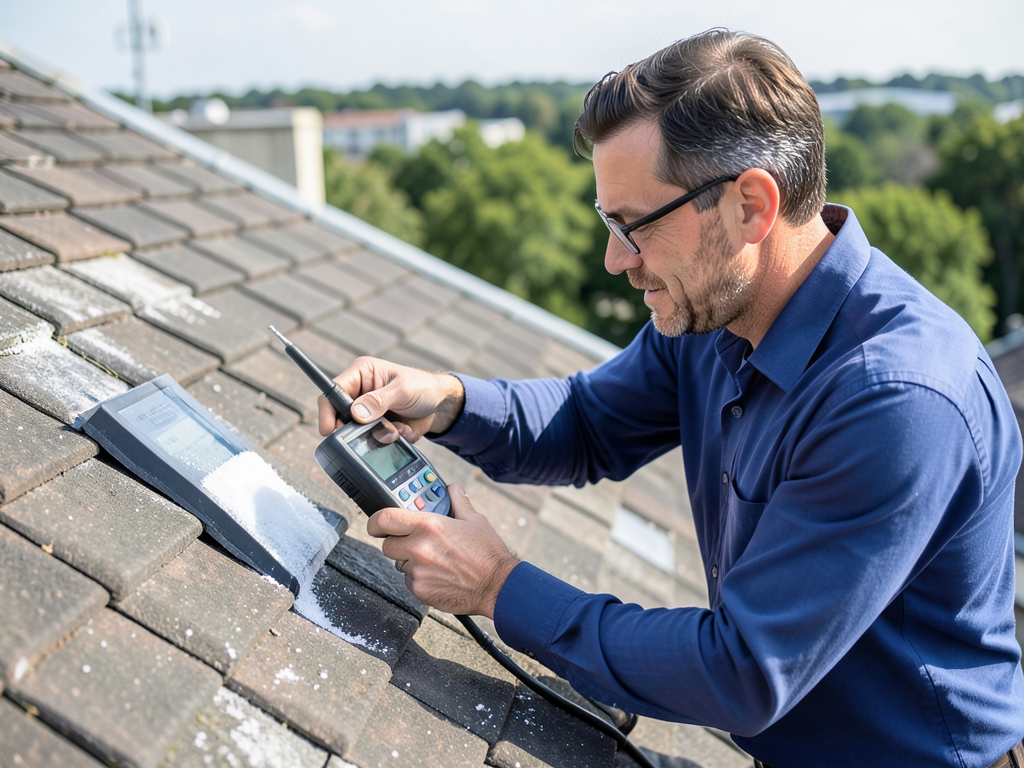
Professional assessment methods include salt residue testing. Technicians use conductivity meters to measure salt concentrations on roof surfaces. Visual inspection identifies corrosion patterns and material degradation. Thermal imaging detects moisture intrusion that salt damage may have caused. These diagnostic tools guide maintenance recommendations.
Material selection involves balancing multiple factors. Cost considerations matter but long-term performance often proves more important. Environmental conditions vary by specific location within East Orlando. Energy efficiency goals may conflict with maximum corrosion resistance. Professional guidance helps navigate these trade-offs.
Installation quality significantly impacts salt resistance. Proper fastening techniques prevent moisture intrusion at penetration points. Correct flashing details direct water away from vulnerable areas. Adequate ventilation reduces moisture buildup in attic spaces. These details often determine whether a roof succeeds or fails in corrosive environments.
Emergency preparedness takes on added importance in salt-affected areas. Storm shutters protect against wind-driven debris. Gutter guards prevent salt accumulation in drainage systems. Backup power systems ensure continued operation of critical building systems during outages. These measures reduce vulnerability during extreme weather events. EPA environmental guidelines.
Community resources offer valuable support. Local building departments provide guidance on code-compliant materials. Roofing associations share best practices for coastal applications. Utility companies offer energy efficiency programs that may offset upgrade costs. Leveraging these resources improves outcomes for property owners.
Future trends point toward improved materials and methods. Nanotechnology coatings offer enhanced corrosion resistance. Self-cleaning surfaces reduce maintenance requirements. Integrated monitoring systems provide early warning of developing problems. These innovations promise better protection for East Orlando properties.
Economic factors influence material choices. Premium corrosion-resistant products cost more upfront but reduce long-term expenses. Insurance premium discounts may offset some upgrade costs. Energy savings provide ongoing financial benefits. Total cost of ownership analysis helps justify investments in better materials.
Environmental considerations extend beyond salt exposure. Sustainable materials reduce ecological impact. Recycling programs handle old roofing materials responsibly. Energy-efficient designs lower carbon footprints. These factors increasingly influence material selection decisions.
Education plays a crucial role in effective protection. Homeowners need accurate information about salt air effects. Maintenance training helps property owners perform basic care tasks. Understanding warning signs enables early problem detection. Knowledge empowers better decision-making throughout the roof lifecycle.
Professional partnerships provide valuable expertise. Experienced contractors understand local conditions and code requirements. Material suppliers offer technical support for complex applications. Insurance professionals help navigate coverage issues. Building a network of trusted advisors improves outcomes.
Documentation supports long-term success. Maintenance records prove compliance with warranty requirements. Inspection reports track roof condition over time. Material specifications guide future repair decisions. Organized documentation simplifies management of complex roofing systems.
Technology continues advancing protection methods. Drone inspections provide detailed roof assessments. Moisture sensors detect developing problems early. Predictive analytics forecast maintenance needs. These tools enhance traditional inspection methods.
Community planning affects individual property protection. Building codes evolve to address emerging challenges. Infrastructure improvements may alter local salt exposure patterns. Neighborhood characteristics influence material performance. Understanding these broader factors helps optimize protection strategies.
Health considerations matter for occupants. Some corrosion-resistant materials emit volatile organic compounds. Proper ventilation prevents moisture-related indoor air quality issues. Mold prevention requires attention to detail during installation. These factors affect occupant comfort and wellbeing.
Future resilience depends on current choices. Selecting appropriate materials today prevents problems tomorrow. Following best practices ensures code compliance. Regular maintenance extends service life. These decisions collectively determine long-term roof performance.
East Orlando’s unique environment demands specialized approaches. Salt air exposure requires specific material choices. Maintenance protocols differ from inland areas. Code requirements address coastal challenges. Understanding these factors enables effective roof protection.
The investment in proper protection pays dividends through extended service life, reduced maintenance costs, and improved property values. Property owners who understand these principles make better decisions about roof selection, maintenance, and replacement timing.
Protecting your roof from salt air exposure requires knowledge, planning, and consistent effort. The unique conditions in East Orlando make this protection essential rather than optional. With proper understanding and implementation, property owners can ensure their roofs provide reliable protection for many years.
Material Comparison for Salt Air Environments
| Material Type | Salt Resistance | Cost Range | Service Life |
|---|---|---|---|
| Aluminum 3003 | Excellent | $$$ | 30-40 years |
| Galvalume Steel | Good | $$ | 20-25 years |
| Galvanized Steel | Poor | $ | 10-15 years |
| Architectural Shingles | Fair | $$ | 15-20 years |
| Concrete Tiles | Excellent | $$$ | 40-50 years |
Maintenance Schedule for Salt Air Protection
- Monthly Inspection
- Check for visible corrosion on metal components
- Inspect flashing and fasteners for deterioration
- Look for granule loss on shingles
- Quarterly Cleaning
- Flush roof surfaces with fresh water
- Clean gutters and downspouts
- Remove debris that traps moisture
- Bi-Annual Professional Inspection
- Conduct detailed corrosion assessment
- Test fastener integrity
- Evaluate coating condition
- Annual Maintenance
- Apply protective coatings if needed
- Replace damaged components
- Update maintenance records
Frequently Asked Questions
How far inland does salt air affect Orlando roofs?
Salt air can affect properties up to 50 miles inland during normal conditions. Hurricane events can push salt-laden air much farther. East Orlando properties within 20 miles of the coast experience the most significant effects.
What are the first signs of salt damage on a roof?
White corrosion spots on metal components appear first, typically within 18-24 months. Pitting on aluminum surfaces and edge creep on flashing follow. Shingle granule loss accelerates in affected areas.
Does homeowners insurance cover salt damage?
Standard policies typically exclude gradual deterioration from environmental factors. Some carriers offer endorsements for coastal properties. Regular maintenance and documentation help with claims for sudden damage events.
How often should I rinse my roof in salt-affected areas?
Quarterly rinsing with fresh water removes salt deposits before they cause damage. More frequent rinsing may be needed after major storm events or during hurricane season.
Are certain neighborhoods in East Orlando more affected than others?
Properties in lower elevations and those without tree cover experience more salt exposure. Homes near major transportation corridors may face additional corrosive pollutants. Local wind patterns affect salt distribution patterns.
Take Action to Protect Your Roof Today
Salt air exposure in East Orlando requires specialized knowledge and materials for effective roof protection. The corrosive effects worsen over time and lead to expensive repairs if left unaddressed. Understanding these challenges helps property owners make informed decisions about roof selection and maintenance.
Professional assessment identifies specific vulnerabilities in your roof system. Local building codes mandate corrosion-resistant materials for affected areas. Regular maintenance prevents minor issues from becoming major problems. These steps collectively ensure long-term roof performance in challenging environments.
Don’t wait until visible damage appears. Early intervention prevents costly repairs and extends roof life. The unique conditions in East Orlando make professional expertise essential for effective protection. Property owners who understand these principles make better decisions about their roofing investments.
Call (689) 268-2855 today to schedule your comprehensive salt air roof assessment. Our experienced technicians understand East Orlando’s unique challenges and provide solutions that protect your investment for years to come. Don’t let salt air damage compromise your roof’s integrity.
Pick up the phone and call (689) 268-2855 before the next storm hits. Salt damage accelerates quickly once it begins, and professional intervention can save thousands in future repairs. Your roof protects everything inside your home – make sure it gets the specialized care it needs.
You may also find this helpful. Why Stainless Steel Fasteners are Non-Negotiable for Lakefront Properties in Edgewood.
{
“@context”: “https://schema.org”,
“@type”: “BlogPosting”,
“headline”: “Protecting your roof from the unique salt air environment in East Orlando”,
“description”: “Learn how salt air affects Orlando roofs and discover corrosion-resistant materials and maintenance strategies to protect your home from premature wear.”,
“wordCount”: 1910,
“datePublished”: “2026-04-14T09:23:00.000Z”,
“dateModified”: “2026-04-14T09:23:00.000Z”,
“inLanguage”: “en-US”,
“mainEntityOfPage”: {
“@type”: “WebPage”,
“@id”: “https://allproroofingorlando.com”
},
“publisher”: {
“@type”: “LocalBusiness”,
“name”: “All Pro Roofing Orlando”,
“url”: “https://allproroofingorlando.com”
},
“author”: {
“@type”: “Organization”,
“name”: “All Pro Roofing Orlando”,
“url”: “https://allproroofingorlando.com”
},
“image”: {
“@type”: “ImageObject”,
“url”: “https://allproroofingorlando.com/wp-content/uploads/2026/03/protecting-your-roof-from-the-unique-salt-air-envi-1.png”
}
}
{
“@context”: “https://schema.org”,
“@type”: “RoofingContractor”,
“name”: “All Pro Roofing Orlando”,
“url”: “https://allproroofingorlando.com”,
“address”: {
“@type”: “PostalAddress”,
“addressLocality”: “Orlando”
},
“areaServed”: {
“@type”: “City”,
“name”: “Orlando”
}
}
{
“@context”: “https://schema.org”,
“@type”: “FAQPage”,
“mainEntity”: [
{
“@type”: “Question”,
“name”: “How far inland does salt air affect Orlando roofs?”,
“acceptedAnswer”: {
“@type”: “Answer”,
“text”: “Salt air can affect properties up to 50 miles inland during normal conditions. Hurricane events can push salt-laden air much farther. East Orlando properties within 20 miles of the coast experience the most significant effects.”
}
},
{
“@type”: “Question”,
“name”: “What are the first signs of salt damage on a roof?”,
“acceptedAnswer”: {
“@type”: “Answer”,
“text”: “White corrosion spots on metal components appear first, typically within 18-24 months. Pitting on aluminum surfaces and edge creep on flashing follow. Shingle granule loss accelerates in affected areas.”
}
},
{
“@type”: “Question”,
“name”: “Does homeowners insurance cover salt damage?”,
“acceptedAnswer”: {
“@type”: “Answer”,
“text”: “Standard policies typically exclude gradual deterioration from environmental factors. Some carriers offer endorsements for coastal properties. Regular maintenance and documentation help with claims for sudden damage events.”
}
},
{
“@type”: “Question”,
“name”: “Are certain neighborhoods in East Orlando more affected than others?”,
“acceptedAnswer”: {
“@type”: “Answer”,
“text”: “Properties in lower elevations and those without tree cover experience more salt exposure. Homes near major transportation corridors may face additional corrosive pollutants. Local wind patterns affect salt distribution patterns.”
}
}
]
}
{
“@context”: “https://schema.org”,
“@type”: “BreadcrumbList”,
“itemListElement”: [
{
“@type”: “ListItem”,
“position”: 1,
“name”: “Home”,
“item”: “https://allproroofingorlando.com”
},
{
“@type”: “ListItem”,
“position”: 2,
“name”: “Blog”,
“item”: “https://allproroofingorlando.com/blog”
},
{
“@type”: “ListItem”,
“position”: 3,
“name”: “Protecting your roof from the unique salt air environment in East Orlando”
}
]
}
{
“@context”: “https://schema.org”,
“@type”: “Service”,
“serviceType”: “Roofing”,
“provider”: {
“@type”: “LocalBusiness”,
“name”: “All Pro Roofing Orlando”,
“url”: “https://allproroofingorlando.com”
},
“areaServed”: {
“@type”: “City”,
“name”: “Orlando”
},
“description”: “Learn how salt air affects Orlando roofs and discover corrosion-resistant materials and maintenance strategies to protect your home from premature wear.”
}