
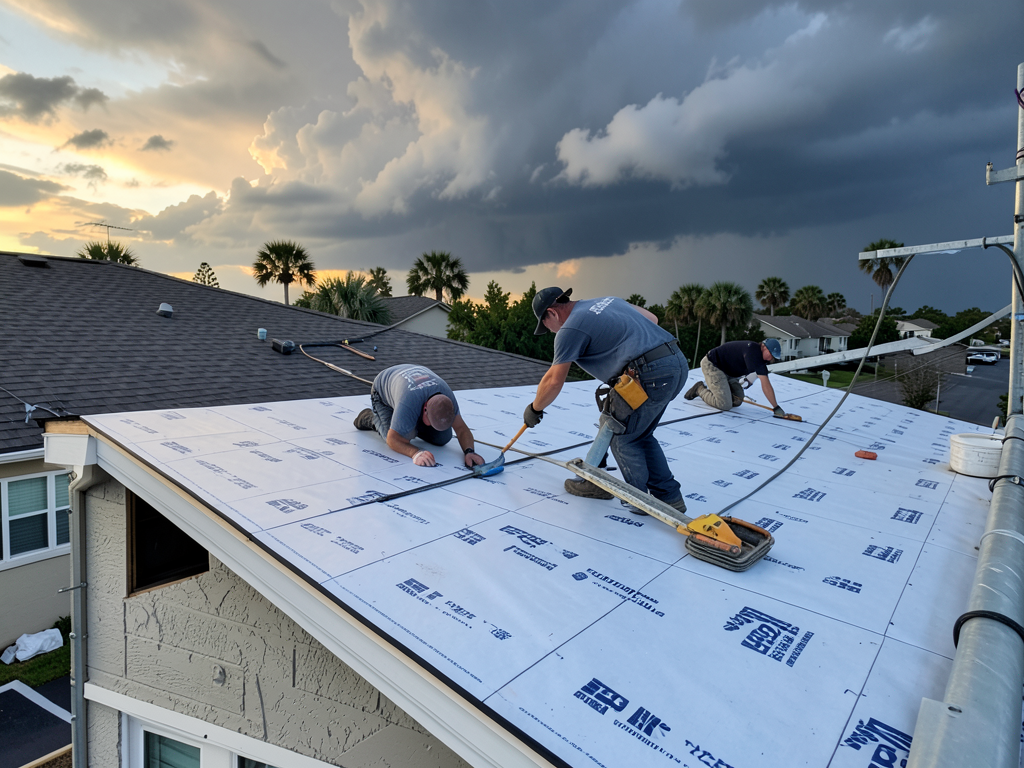
How to handle a mid-summer roof replacement during the daily Orlando thunderstorms
Orlando’s summer thunderstorms roll in like clockwork every afternoon around 3 PM. The combination of intense heat and high humidity creates perfect conditions for sudden downpours that can drop several inches of rain in less than an hour. For homeowners needing roof replacement during this season the timing becomes critical. Orlando rainfall patterns.
The good news is that professional roofing crews have developed specific protocols to work safely during Orlando’s rainy season. The key is understanding the ‘dry-in’ process and how to protect your home when storms approach. This guide explains exactly what happens on a job site when summer weather threatens and how your home stays protected throughout the replacement process. Is Solar Roofing Actually Worth the Investment for Orlando Residents?.
Understanding Orlando’s Summer Weather Pattern
Orlando experiences an average of 7 inches of rain during June July and August with most storms occurring between 2 PM and 5 PM. The National Weather Service reports that Central Florida sees thunderstorm activity on approximately 100 days per year with summer months accounting for nearly 70% of this total. Choosing Between Shingle and Tile Roofs for Your Central Florida Home.
Summer thunderstorms in Orlando are characterized by intense rainfall rates that can exceed 2 inches per hour. Wind gusts during these storms typically range from 30 to 50 mph though stronger gusts can occur near the storm’s core. The combination of wind and rain creates specific challenges for roofing crews who must work quickly and efficiently to protect exposed areas. Best Roofing Materials for Older Bungalows in Thornton Park.
Humidity levels during summer months often exceed 90% which affects both the roofing materials and the installation process. Underlayment and felt paper can absorb moisture from the air making them more difficult to handle and increasing the risk of trapped moisture if not properly installed.. Read more about Why replacing your skylights during a full roof job in Bay Hill saves thousands later.
The Dry-In Process Explained
The dry-in process is the critical first phase of any roof replacement where the home is protected from water intrusion before shingles are installed. This process typically takes one to two days depending on roof size and complexity.. Read more about When to get a second opinion on a roof replacement estimate in Winter Park.
Step one involves removing the existing roofing materials in sections no larger than what can be protected within a few hours. Professional crews work in a specific pattern starting from the least weather-exposed area and moving toward the most exposed sections.
Step two focuses on installing synthetic underlayment or high-quality felt paper across the entire roof deck. Synthetic materials have become the standard in Orlando due to their superior water resistance and faster installation times compared to traditional felt.
Step three involves installing drip edge metal along all eaves and rakes. This metal flashing creates the first line of water management and prevents wind-driven rain from entering under the underlayment.
Step four includes sealing all penetrations such as vents pipes and chimneys with appropriate flashing materials. Each penetration point becomes a potential water entry point if not properly sealed.
Step five requires a complete inspection of the entire roof deck to ensure all underlayment is properly secured and all flashing is correctly installed. This inspection typically takes place at the end of each workday before crews leave the site. Reliable Roof Inspection Services for Home Buyers in Winter Garden.
Monitoring Weather During Installation
Professional roofing crews in Orlando use multiple weather monitoring tools to stay ahead of approaching storms. Most crews subscribe to commercial weather services that provide minute-by-minute radar updates and storm tracking.
Weather monitoring begins each morning before work starts. Crews check radar for any developing storm systems and review hourly forecasts for the entire workday. This planning allows them to adjust their work schedule based on predicted storm timing.
During active work hours crews designate one team member as the weather monitor. This person watches radar continuously and communicates with the crew about approaching weather threats. Most crews establish specific distance thresholds such as 10 miles or 20 miles as trigger points for protective actions.
Time management becomes critical when storms approach. A typical summer thunderstorm provides 30 to 45 minutes of warning before rain arrives. Professional crews train to work at maximum efficiency during these warning periods knowing they must secure all exposed areas before the storm hits.
Emergency Protection Procedures
When storms approach faster than expected or when unexpected weather develops crews implement emergency protection procedures. These procedures are designed to protect the home within minutes of a weather threat being identified. Emergency Tarping Service.
The first emergency action involves covering all exposed underlayment with additional protective layers. Crews carry rolls of emergency tarp material that can be deployed quickly over vulnerable areas. These tarps are secured with weighted objects or temporary fasteners to prevent wind uplift.
The second emergency action focuses on protecting all interior openings. Crews close and secure any attic access points and ensure all roof vents are properly covered if necessary. This prevents wind-driven rain from entering the attic space.
The third emergency action involves securing all loose materials and tools. Wind can turn unsecured items into projectiles that damage property or create safety hazards. Professional crews have specific protocols for tool and material storage during weather threats.
The fourth emergency action requires crew safety assessment. When lightning becomes a threat crews move to safe locations away from metal materials and tall structures. Most roofing companies follow OSHA guidelines that require worker protection when lightning is within 10 miles. OSHA weather safety guidelines.
Material Considerations in High Humidity
Orlando’s high humidity creates specific challenges for roofing materials that crews must address during installation. Understanding these material behaviors helps homeowners appreciate why certain installation practices are followed.
Asphalt shingles require specific temperature ranges for proper sealing. During summer months surface temperatures can exceed 150°F which actually helps shingles seal faster. However extreme heat can also make shingles more pliable and difficult to handle properly.
Underlayment materials absorb moisture from humid air which can affect their performance characteristics. Synthetic underlayment is less affected by humidity than traditional felt but still requires proper storage and handling procedures.
Roof decking materials such as plywood or OSB can absorb moisture from humid air causing them to swell slightly. Professional crews allow materials to acclimate to local conditions before installation and ensure proper ventilation during the dry-in process.
Flashing materials can condensate in high humidity creating temporary water droplets that crews must wipe away before installation. This moisture can affect sealant adhesion if not properly addressed.
Working Around Afternoon Storms
Professional crews develop specific work schedules that accommodate Orlando’s predictable afternoon storm pattern. Most crews start work earlier during summer months often beginning at 7 AM or earlier to maximize productive hours before storm threats develop.
Morning work typically focuses on the most weather-exposed areas of the roof. Crews prioritize completing sections that face west or southwest first since these areas are most vulnerable to afternoon storms.
Lunch breaks are often scheduled earlier than usual during summer months to allow crews to resume work quickly and take advantage of morning productivity. Many crews eat on-site to minimize downtime.
Afternoon work focuses on less exposed areas and interior details that can be completed if weather forces exterior work to stop. This might include installing attic ventilation or completing interior trim work related to the roofing project.
End-of-day cleanup becomes more critical during summer months when weather can change rapidly. Professional crews maintain organized work sites that can be secured quickly if storms approach faster than expected.
Insurance and Documentation
Professional roofing companies maintain detailed documentation throughout the replacement process especially during summer months when weather creates additional risks. This documentation serves multiple purposes including insurance claims and warranty validation.
Weather logs document daily conditions including temperature humidity wind speed and any storm activity. These logs help establish the timeline of work completion and demonstrate proper procedures were followed.
Photo documentation captures the condition of the roof deck before underlayment installation and the completed dry-in process. These photos provide evidence that proper protection was in place before shingles were installed.
Material delivery and storage documentation tracks when materials arrived on-site and how they were protected from weather exposure. This is particularly important for materials sensitive to humidity like certain underlayment products.
Daily progress reports document what work was completed each day and any weather-related delays or adjustments to the work schedule. These reports help manage homeowner expectations and provide transparency throughout the project.
What Homeowners Should Expect
Homeowners scheduling roof replacement during summer months should understand the unique aspects of this timing and what to expect throughout the process.
Project timelines often extend slightly beyond initial estimates due to weather delays. Professional roofing companies build weather contingency time into their schedules but unexpected storm patterns can still cause delays.
Noise levels may vary throughout the day based on weather conditions. Crews may work more intensively during clear morning hours and reduce activity as storms approach in the afternoon.
Debris management becomes more challenging during summer months when afternoon storms can scatter materials. Professional crews implement enhanced cleanup procedures to ensure no materials become wind hazards.
Communication with the roofing crew becomes more critical during summer months. Homeowners should establish clear channels for receiving weather-related updates and schedule changes.
Access to the property may need to be adjusted based on weather conditions. Professional crews often establish specific protocols for homeowner access during active work periods especially when storms threaten.
Choosing the Right Contractor
Not all roofing contractors have equal experience working during Orlando’s summer storm season. Homeowners should evaluate potential contractors based on their summer weather protocols and experience.
Experience with local weather patterns is crucial. Contractors who have worked in Orlando for multiple summer seasons understand the unique challenges and have developed effective protocols for managing storm threats.
Insurance coverage should specifically address weather-related risks. Professional contractors carry comprehensive insurance that covers both property damage and worker injuries related to weather events.
Weather monitoring capabilities demonstrate professional preparation. Contractors should have access to commercial weather services and specific protocols for storm response.
Material storage and protection procedures show attention to detail. Professional contractors have specific protocols for protecting materials from humidity and sudden storms.
Communication systems should include weather-related protocols. Contractors should provide clear information about how weather delays will be handled and how homeowners will be notified of schedule changes.
Emergency Leak Response
Despite all precautions emergency leaks can occur during roof replacement especially when unexpected storms hit before dry-in is complete. Understanding emergency response procedures helps homeowners act quickly to minimize damage.
Internal leak signs include water spots on ceilings water running down walls or dripping sounds in attic spaces. These signs indicate water has penetrated the roof system and immediate action is needed.
Emergency contact procedures should be established before work begins. Professional contractors provide 24/7 emergency contact numbers and specific instructions for reporting active leaks.
Temporary containment involves using buckets or other containers to catch dripping water and moving furniture or valuables away from affected areas. Quick action can prevent extensive interior damage.
Documentation of emergency leaks helps with insurance claims and contractor accountability. Homeowners should photograph any damage and document when leaks were discovered and reported.
Follow-up inspections after emergency leaks ensure all damage is identified and properly repaired. Professional contractors should provide detailed reports of any emergency repairs and their impact on the overall project timeline.
Cost Factors During Summer Months
Roof replacement during summer months involves specific cost factors that homeowners should understand when budgeting for their project.
Weather-related delays can extend project duration which may increase labor costs slightly. Most professional contractors build weather contingency into their pricing but unexpected patterns can still affect final costs.
Material handling costs may increase due to the need for enhanced storage and protection procedures. Synthetic underlayment and other humidity-sensitive materials require specific handling that adds to project complexity.
Emergency protection procedures involve additional materials and labor that may not be required during other seasons. Tarps temporary fasteners and enhanced cleanup procedures all add to project costs.
Insurance costs for contractors working during storm season are typically higher which may be reflected in project pricing. Professional contractors maintain comprehensive coverage that protects both homeowners and workers.
Efficiency factors can actually reduce some costs during summer months. Longer daylight hours allow more productive work time and warmer temperatures can speed certain installation processes.
Frequently Asked Questions
Can roofing be done during Orlando’s daily thunderstorms?
Yes roofing can be done during summer months but it requires specific protocols and experienced crews. Professional contractors use weather monitoring systems emergency protection procedures and the dry-in process to work safely around afternoon storms.
How long does the dry-in process take?
The dry-in process typically takes one to two days depending on roof size and complexity. This phase involves installing underlayment flashing and other protective elements before shingles are applied. Professional crews can complete dry-in even when storms threaten by working efficiently and using emergency protection procedures.
What happens if a storm hits during roof replacement?
Professional crews have emergency procedures for when storms approach unexpectedly. These include covering exposed areas with tarps securing loose materials and moving to safe locations when lightning threatens. Most emergency situations are handled within 15 to 30 minutes allowing work to resume quickly after the storm passes.
Are there additional costs for summer roof replacement?
Summer roof replacement may involve slightly higher costs due to enhanced weather protection procedures and potential weather delays. However these costs are typically offset by increased efficiency from longer daylight hours and faster installation in warmer temperatures.
How do I know if a contractor is prepared for summer weather?
Ask potential contractors about their weather monitoring systems emergency procedures and experience with Orlando’s summer patterns. Professional contractors should have specific protocols for storm response documented material handling procedures and 24/7 emergency contact availability.
Conclusion
Roof replacement during Orlando’s summer thunderstorm season is not only possible but can be completed successfully with the right preparation and experienced professionals. The key is understanding the dry-in process weather monitoring protocols and emergency protection procedures that professional crews use to protect your home.
Summer roof replacement offers advantages including longer daylight hours for productive work and warmer temperatures that can speed certain installation processes. However it also requires enhanced planning and specific protocols to manage the afternoon storm threat.
The most important factor is choosing a contractor with specific experience working in Orlando’s summer weather patterns. These professionals understand the local conditions have developed effective protocols and maintain the equipment and materials needed to work safely around afternoon storms.
Don’t let summer weather prevent you from addressing your roofing needs. With proper planning and the right contractor your roof replacement can be completed successfully even during Orlando’s busiest storm season. Call (689) 268-2855 today to schedule your inspection and learn more about our summer weather protocols.
Pick up the phone and call (689) 268-2855 before the next storm hits. Our experienced crews are ready to protect your home with proven dry-in procedures and 24/7 emergency response capabilities.
{
“@context”: “https://schema.org”,
“@type”: “BlogPosting”,
“headline”: “How to handle a mid-summer roof replacement during the daily Orlando thunderstorms”,
“description”: “Expert guide to roofing during Orlando’s summer storms. Learn how local crews use radar monitoring and dry-in techniques to protect your home when afternoon thunderstorms hit.”,
“wordCount”: 2507,
“datePublished”: “2026-06-01T11:39:00.000Z”,
“dateModified”: “2026-06-01T11:39:00.000Z”,
“inLanguage”: “en-US”,
“mainEntityOfPage”: {
“@type”: “WebPage”,
“@id”: “https://allproroofingorlando.com”
},
“publisher”: {
“@type”: “LocalBusiness”,
“name”: “All Pro Roofing Orlando”,
“url”: “https://allproroofingorlando.com”
},
“author”: {
“@type”: “Organization”,
“name”: “All Pro Roofing Orlando”,
“url”: “https://allproroofingorlando.com”
},
“image”: {
“@type”: “ImageObject”,
“url”: “https://allproroofingorlando.com/wp-content/uploads/2026/03/how-to-handle-a-mid-summer-roof-replacement-during-1.png”
}
}
{
“@context”: “https://schema.org”,
“@type”: “RoofingContractor”,
“name”: “All Pro Roofing Orlando”,
“url”: “https://allproroofingorlando.com”,
“address”: {
“@type”: “PostalAddress”,
“addressLocality”: “Orlando”
},
“areaServed”: {
“@type”: “City”,
“name”: “Orlando”
}
}
{
“@context”: “https://schema.org”,
“@type”: “FAQPage”,
“mainEntity”: [
{
“@type”: “Question”,
“name”: “Can roofing be done during Orlando’s daily thunderstorms?”,
“acceptedAnswer”: {
“@type”: “Answer”,
“text”: “Yes roofing can be done during summer months but it requires specific protocols and experienced crews. Professional contractors use weather monitoring systems emergency protection procedures and the dry-in process to work safely around afternoon storms.”
}
},
{
“@type”: “Question”,
“name”: “How long does the dry-in process take?”,
“acceptedAnswer”: {
“@type”: “Answer”,
“text”: “The dry-in process typically takes one to two days depending on roof size and complexity. This phase involves installing underlayment flashing and other protective elements before shingles are applied. Professional crews can complete dry-in even when storms threaten by working efficiently and using emergency protection procedures.”
}
},
{
“@type”: “Question”,
“name”: “What happens if a storm hits during roof replacement?”,
“acceptedAnswer”: {
“@type”: “Answer”,
“text”: “Professional crews have emergency procedures for when storms approach unexpectedly. These include covering exposed areas with tarps securing loose materials and moving to safe locations when lightning threatens. Most emergency situations are handled within 15 to 30 minutes allowing work to resume quickly after the storm passes.”
}
},
{
“@type”: “Question”,
“name”: “Are there additional costs for summer roof replacement?”,
“acceptedAnswer”: {
“@type”: “Answer”,
“text”: “Summer roof replacement may involve slightly higher costs due to enhanced weather protection procedures and potential weather delays. However these costs are typically offset by increased efficiency from longer daylight hours and faster installation in warmer temperatures.”
}
},
{
“@type”: “Question”,
“name”: “How do I know if a contractor is prepared for summer weather?”,
“acceptedAnswer”: {
“@type”: “Answer”,
“text”: “Ask potential contractors about their weather monitoring systems emergency procedures and experience with Orlando’s summer patterns. Professional contractors should have specific protocols for storm response documented material handling procedures and 24/7 emergency contact availability.”
}
}
]
}
{
“@context”: “https://schema.org”,
“@type”: “BreadcrumbList”,
“itemListElement”: [
{
“@type”: “ListItem”,
“position”: 1,
“name”: “Home”,
“item”: “https://allproroofingorlando.com”
},
{
“@type”: “ListItem”,
“position”: 2,
“name”: “Blog”,
“item”: “https://allproroofingorlando.com/blog”
},
{
“@type”: “ListItem”,
“position”: 3,
“name”: “How to handle a mid-summer roof replacement during the daily Orlando thunderstorms”
}
]
}
{
“@context”: “https://schema.org”,
“@type”: “Service”,
“serviceType”: “Roofing”,
“provider”: {
“@type”: “LocalBusiness”,
“name”: “All Pro Roofing Orlando”,
“url”: “https://allproroofingorlando.com”
},
“areaServed”: {
“@type”: “City”,
“name”: “Orlando”
},
“description”: “Expert guide to roofing during Orlando’s summer storms. Learn how local crews use radar monitoring and dry-in techniques to protect your home when afternoon thunderstorms hit.”
}