
How the salt air from the coast reaches all the way to Bithlo and affects your roof
Living in Bithlo means dealing with a hidden threat that many homeowners overlook. Salt air from Florida’s Atlantic coast travels more than 20 miles inland, carrying corrosive sodium chloride particles that settle on your roof. This invisible culprit accelerates metal degradation, weakens roofing materials, and shortens your roof’s lifespan by years. Understanding this coastal influence helps you make smarter material choices and maintenance decisions that protect your investment. Florida Building Code.
The science behind salt air corrosion
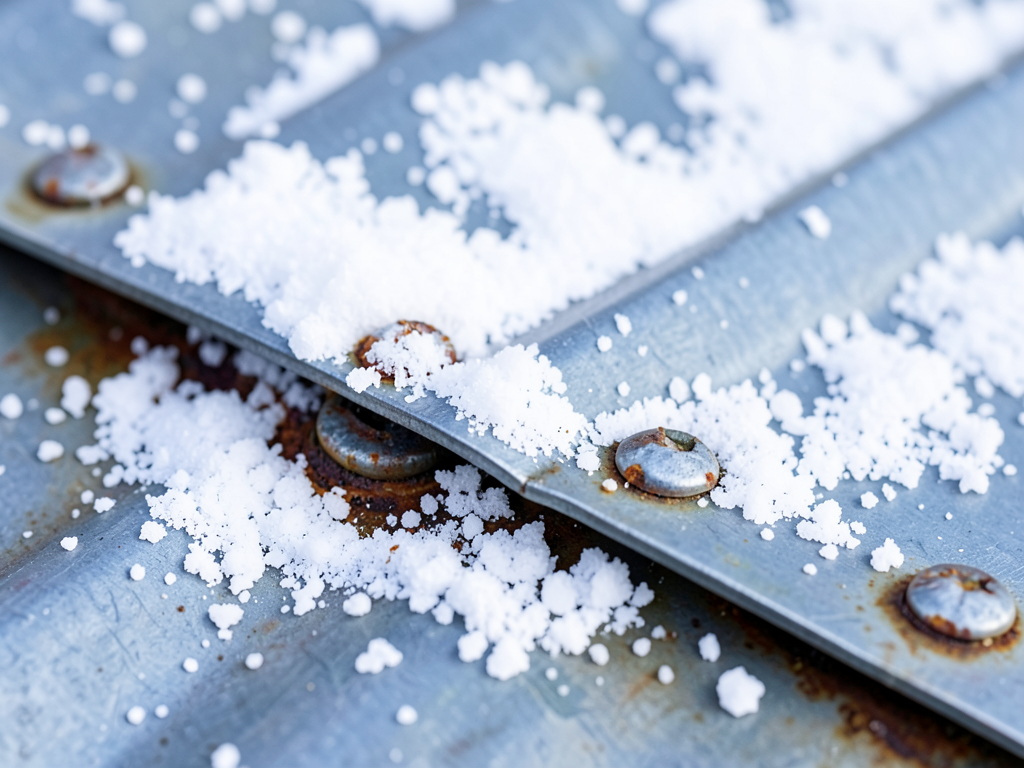
Salt air corrosion occurs when sodium chloride particles in the atmosphere settle on metal surfaces. When moisture combines with these particles, it creates an electrolyte solution that speeds up oxidation. This process is especially aggressive on iron-based materials, causing what’s commonly known as rust. In Bithlo, afternoon thunderstorms and high humidity create perfect conditions for this chemical reaction to occur rapidly on your roof’s exposed components. Best Roofing Materials for Older Bungalows in Thornton Park.
The distance salt air travels depends on wind patterns, humidity levels, and particle size. Florida’s flat geography and frequent coastal breezes allow salt particles to travel much farther inland than in other regions. Even though Bithlo sits miles from the Atlantic, your roof still experiences salt exposure levels that would surprise most homeowners.
Comparing roofing materials in salt-air environments
| Material | Salt Resistance | Expected Lifespan in Salt Air | Best Use in Bithlo |
|---|---|---|---|
| Aluminum | Excellent | 30-40 years | Standing seam metal roofs |
| Galvalume | Very Good | 25-30 years | Residential metal roofing |
| Galvanized Steel | Fair | 15-20 years | Basic roofing applications |
| Copper | Excellent | 50+ years | Premium architectural applications |
| Asphalt Shingles | Poor | 12-15 years | Standard residential use |
Aluminum forms a protective oxide layer that prevents further corrosion, making it ideal for salt-air environments. Galvalume, a zinc-aluminum alloy coating, offers better protection than standard galvanized steel but still degrades faster than aluminum in coastal conditions. Copper develops a protective patina that actually shields the metal from further damage, though it comes at a premium price point.
How far inland does salt air travel in Florida
Salt particles typically travel 1,500 to 3,000 feet in high concentrations, but Florida’s unique geography extends this range significantly. The state’s flat terrain, combined with prevailing easterly winds and afternoon sea breezes, can carry salt particles 20 to 30 miles inland. Bithlo, located approximately 22 miles from the Atlantic coast, falls within this extended salt spray zone.
During tropical storm events or strong cold fronts, salt air can travel even farther. These weather patterns create wind conditions that push salt particles deep into Central Florida, affecting areas that would normally be considered safe from coastal corrosion. The combination of Florida’s high humidity and frequent rainfall keeps salt particles active and corrosive for longer periods.
Protective coatings that fight salt corrosion
PVDF (polyvinylidene fluoride) coatings, commonly known by the brand name Kynar 500, provide superior protection against salt air corrosion. These high-performance finishes create a barrier that prevents salt particles from reaching the metal substrate. The molecular structure of PVDF makes it extremely resistant to chemical breakdown, even in harsh coastal environments.
Quality PVDF coatings include UV inhibitors that prevent color fading and chalking, common problems in Florida’s intense sunlight. The finish also resists dirt pickup, making your roof easier to maintain. When properly applied, these coatings can extend a metal roof’s lifespan by 10 to 15 years in salt-air environments.
Beyond PVDF, some manufacturers offer specialized salt-air formulations with enhanced corrosion inhibitors. These premium finishes cost more upfront but provide better long-term protection for Bithlo homeowners concerned about coastal influences on their roofing investment. Is Solar Roofing Actually Worth the Investment for Orlando Residents?.
Prevention and maintenance strategies
- Annual freshwater rinse
Rinse your roof with clean water every six months to wash away salt deposits. Use a garden hose with moderate pressure, focusing on metal components like flashing and fasteners.
- Inspect fasteners regularly
Check all exposed fasteners for signs of corrosion. Replace any rusted or corroded fasteners with stainless steel 316-grade hardware designed for marine environments.
- Clean gutters and downspouts
Remove debris that can trap moisture against metal components. Clean gutters at least twice yearly to prevent salt buildup in drainage systems.
- Apply protective coatings
Consider applying rust-inhibiting primers or specialized roof coatings to vulnerable areas. These products create an additional barrier against salt penetration.
- Schedule professional inspections
Have a roofing professional inspect your roof annually for early signs of corrosion. Early detection prevents minor issues from becoming major problems. TPO vs EPDM Roofing Guide.
Regular maintenance makes a significant difference in how your roof handles salt air exposure. The corrosive effects build up gradually, so consistent care prevents the cumulative damage that leads to premature roof failure. Many Bithlo homeowners find that spending a few hours each year on maintenance saves thousands in replacement costs.
Pay special attention to areas where different metals meet, as galvanic corrosion can occur. This happens when dissimilar metals in contact create an electrical current that accelerates corrosion. Using compatible materials throughout your roofing system prevents this hidden threat.. Read more about The best roofing setups for energy independent living in the Wedgefield area.
Identifying early signs of salt corrosion
Early detection of salt corrosion can save you thousands in repair costs. Look for white, chalky deposits on metal surfaces, which indicate salt accumulation. Reddish-brown stains on fasteners and flashing suggest active corrosion. Small rust spots that appear and grow over time signal that salt particles are attacking your roof’s protective coatings.
Listen for unusual sounds during wind events. Corroded metal components may rattle or make creaking noises as they weaken. Feel for rough spots on metal surfaces that weren’t there before. These textural changes often indicate the beginning of corrosion that will worsen without intervention.
Check for water stains on interior ceilings, which might indicate that corrosion has compromised your roof’s waterproofing. Salt corrosion can create microscopic holes in metal flashing that allow water infiltration. These leaks often start small but grow rapidly as corrosion continues.
Local building codes and salt-air considerations
The Florida Building Code (FBC) addresses coastal construction requirements in Section 1609, which covers wind load design. While this section focuses primarily on wind resistance, it indirectly affects salt-air considerations by requiring specific fastening methods and material specifications for roofs in coastal zones.
For properties within 1,500 feet of the mean high-water line, the FBC requires additional corrosion protection measures. These include stainless steel fasteners, enhanced underlayment systems, and specific flashing requirements. Bithlo’s distance from the coast means these strict requirements don’t apply, but the principles still matter for long-term roof performance.
Understanding these code requirements helps you evaluate whether contractors are recommending appropriate materials for your location. Even though Bithlo isn’t in a designated coastal zone, using materials that meet higher coastal standards provides better protection against salt air exposure.
Cost considerations for salt-resistant roofing
Investing in salt-resistant materials costs more upfront but saves money over your roof’s lifetime. Aluminum roofing systems cost 15-20% more than galvanized steel but last 50-100% longer in salt-air environments. The extended lifespan and reduced maintenance needs often offset the higher initial investment within 10-15 years.
Premium coatings like PVDF add 8-12% to material costs but provide crucial protection in Florida’s climate. When evaluating roofing options, consider the total cost of ownership rather than just the initial price. A roof that lasts 30 years costs less per year than one that needs replacement after 15 years.
Factor in maintenance costs when comparing materials. Some metal roofs require minimal upkeep, while others need regular coating applications or fastener replacements. The time and money spent on maintenance adds up over decades of ownership.
Energy efficiency and salt-air roofing
Salt air affects not just your roof’s structural integrity but also its energy performance. Corroded metal surfaces lose their reflective properties, causing your roof to absorb more heat. This increases cooling costs during Orlando’s long, hot summers. Quality coatings maintain their solar reflectance longer, helping your roof keep your home cooler.
Many modern roofing materials include cool roof technology that reflects infrared radiation. These coatings work best when they remain intact and clean. Salt buildup can reduce their effectiveness by 15-25%, making regular cleaning essential for maintaining energy efficiency.
The combination of proper materials and maintenance ensures your roof continues to provide both structural protection and energy savings throughout its service life. This dual benefit makes investing in quality materials particularly valuable in Florida’s challenging climate.
Making the right choice for your Bithlo home
Choosing the right roofing material for Bithlo means balancing cost, longevity, and salt-air resistance. Aluminum offers the best protection but comes at a premium price. Galvalume provides good performance at a moderate cost. Standard materials work but require more frequent replacement and maintenance. Choosing Between Shingle and Tile Roofs for Your Central Florida Home.
Consider your long-term plans for the property. If you plan to stay in your home for decades, investing in premium materials makes financial sense. If you’re planning to sell within a few years, a mid-range option with good maintenance might be more appropriate.
Work with contractors who understand Florida’s unique coastal influences and can recommend materials suited to your specific location and budget. The right choice depends on your priorities, budget, and how long you plan to keep your home.
Frequently Asked Questions
How far inland does salt air actually travel?
Salt air typically travels 1,500 to 3,000 feet in normal conditions, but Florida’s geography allows particles to travel 20-30 miles inland. Bithlo, 22 miles from the coast, experiences measurable salt exposure that affects roofing materials.
What are the first signs of salt corrosion on a roof?
Early signs include white chalky deposits, reddish-brown staining on fasteners, and small rust spots that grow over time. You might also notice water stains on interior ceilings indicating compromised flashing.
Does salt air affect asphalt shingles?
Yes, salt air accelerates granule loss on asphalt shingles and can cause premature aging. Shingles in salt-air environments typically last 12-15 years instead of the standard 20-25 years.
How often should I rinse my roof to remove salt buildup?
Rinse your roof with clean water every six months to wash away salt deposits. More frequent rinsing may be needed if you live closer to the coast or experience heavy salt exposure.
Are stainless steel fasteners worth the extra cost?
Absolutely. Stainless steel 316-grade fasteners resist corrosion much better than standard galvanized hardware. They cost more upfront but prevent costly repairs and extend your roof’s lifespan in salt-air environments.
Call (689) 268-2855 today to schedule your inspection and protect your roof from salt air damage. Don’t wait until corrosion becomes a costly problem. Reliable Roof Inspection Services for Home Buyers in Winter Garden.
Pick up the phone and call (689) 268-2855 before the next storm hits. Our experts understand how Florida’s coastal influences affect Bithlo homes and can recommend the right solutions for your specific situation. For more information, visit Environmental Protection Agency.
{
“@context”: “https://schema.org”,
“@type”: “BlogPosting”,
“headline”: “How the salt air from the coast reaches all the way to Bithlo and affects your roof”,
“description”: “Discover how Florida’s salt air travels to Bithlo and corrodes your roof. Learn the science, materials comparison, and maintenance tips to protect your home.”,
“wordCount”: 1812,
“datePublished”: “2026-05-25T12:04:00.000Z”,
“dateModified”: “2026-05-25T12:04:00.000Z”,
“inLanguage”: “en-US”,
“mainEntityOfPage”: {
“@type”: “WebPage”,
“@id”: “https://allproroofingorlando.com”
},
“publisher”: {
“@type”: “LocalBusiness”,
“name”: “All Pro Roofing Orlando”,
“url”: “https://allproroofingorlando.com”
},
“author”: {
“@type”: “Organization”,
“name”: “All Pro Roofing Orlando”,
“url”: “https://allproroofingorlando.com”
},
“image”: {
“@type”: “ImageObject”,
“url”: “https://allproroofingorlando.com/wp-content/uploads/2026/03/how-the-salt-air-from-the-coast-reaches-all-the-wa-1.png”
}
}
{
“@context”: “https://schema.org”,
“@type”: “RoofingContractor”,
“name”: “All Pro Roofing Orlando”,
“url”: “https://allproroofingorlando.com”,
“address”: {
“@type”: “PostalAddress”,
“addressLocality”: “Orlando”
},
“areaServed”: {
“@type”: “City”,
“name”: “Orlando”
}
}
{
“@context”: “https://schema.org”,
“@type”: “FAQPage”,
“mainEntity”: [
{
“@type”: “Question”,
“name”: “How far inland does salt air actually travel?”,
“acceptedAnswer”: {
“@type”: “Answer”,
“text”: “Salt air typically travels 1,500 to 3,000 feet in normal conditions, but Florida’s geography allows particles to travel 20-30 miles inland. Bithlo, 22 miles from the coast, experiences measurable salt exposure that affects roofing materials.”
}
},
{
“@type”: “Question”,
“name”: “What are the first signs of salt corrosion on a roof?”,
“acceptedAnswer”: {
“@type”: “Answer”,
“text”: “Early signs include white chalky deposits, reddish-brown staining on fasteners, and small rust spots that grow over time. You might also notice water stains on interior ceilings indicating compromised flashing.”
}
},
{
“@type”: “Question”,
“name”: “Does salt air affect asphalt shingles?”,
“acceptedAnswer”: {
“@type”: “Answer”,
“text”: “Yes, salt air accelerates granule loss on asphalt shingles and can cause premature aging. Shingles in salt-air environments typically last 12-15 years instead of the standard 20-25 years.”
}
},
{
“@type”: “Question”,
“name”: “How often should I rinse my roof to remove salt buildup?”,
“acceptedAnswer”: {
“@type”: “Answer”,
“text”: “Rinse your roof with clean water every six months to wash away salt deposits. More frequent rinsing may be needed if you live closer to the coast or experience heavy salt exposure.”
}
},
{
“@type”: “Question”,
“name”: “Are stainless steel fasteners worth the extra cost?”,
“acceptedAnswer”: {
“@type”: “Answer”,
“text”: “Absolutely. Stainless steel 316-grade fasteners resist corrosion much better than standard galvanized hardware. They cost more upfront but prevent costly repairs and extend your roof’s lifespan in salt-air environments.”
}
}
]
}
{
“@context”: “https://schema.org”,
“@type”: “HowTo”,
“name”: “How to protect your roof from salt air damage”,
“step”: [
{
“@type”: “HowToStep”,
“position”: 1,
“name”: “Annual freshwater rinse”,
“text”: “Rinse your roof with clean water every six months to wash away salt deposits. Use a garden hose with moderate pressure, focusing on metal components like flashing and fasteners.”
},
{
“@type”: “HowToStep”,
“position”: 2,
“name”: “Inspect fasteners regularly”,
“text”: “Check all exposed fasteners for signs of corrosion. Replace any rusted or corroded fasteners with stainless steel 316-grade hardware designed for marine environments.”
},
{
“@type”: “HowToStep”,
“position”: 3,
“name”: “Clean gutters and downspouts”,
“text”: “Remove debris that can trap moisture against metal components. Clean gutters at least twice yearly to prevent salt buildup in drainage systems.”
},
{
“@type”: “HowToStep”,
“position”: 4,
“name”: “Apply protective coatings”,
“text”: “Consider applying rust-inhibiting primers or specialized roof coatings to vulnerable areas. These products create an additional barrier against salt penetration.”
},
{
“@type”: “HowToStep”,
“position”: 5,
“name”: “Schedule professional inspections”,
“text”: “Have a roofing professional inspect your roof annually for early signs of corrosion. Early detection prevents minor issues from becoming major problems. TPO vs EPDM Roofing Guide.”
}
],
“image”: “https://allproroofingorlando.com/wp-content/uploads/2026/03/how-the-salt-air-from-the-coast-reaches-all-the-wa-1.png”
}
{
“@context”: “https://schema.org”,
“@type”: “BreadcrumbList”,
“itemListElement”: [
{
“@type”: “ListItem”,
“position”: 1,
“name”: “Home”,
“item”: “https://allproroofingorlando.com”
},
{
“@type”: “ListItem”,
“position”: 2,
“name”: “Blog”,
“item”: “https://allproroofingorlando.com/blog”
},
{
“@type”: “ListItem”,
“position”: 3,
“name”: “How the salt air from the coast reaches all the way to Bithlo and affects your roof”
}
]
}
{
“@context”: “https://schema.org”,
“@type”: “Service”,
“serviceType”: “Roofing”,
“provider”: {
“@type”: “LocalBusiness”,
“name”: “All Pro Roofing Orlando”,
“url”: “https://allproroofingorlando.com”
},
“areaServed”: {
“@type”: “City”,
“name”: “Orlando”
},
“description”: “Discover how Florida’s salt air travels to Bithlo and corrodes your roof. Learn the science, materials comparison, and maintenance tips to protect your home.”
}