
Choosing Between Composite Shingles and Traditional Wood Shake for Your Williamsburg Home
Williamsburg homeowners face a unique roofing decision when balancing classic wood shake aesthetics with Florida’s harsh climate. Composite shingles offer modern durability while wood shake delivers natural beauty. Both materials have distinct advantages and drawbacks that directly impact your home’s protection, maintenance requirements, and long-term value. Florida Building Code Information.
Central Florida’s intense UV exposure, hurricane-force winds, and high humidity create specific challenges for roofing materials. Wood shake requires specialized treatments and frequent maintenance to survive Orlando’s subtropical environment. Composite materials resist these conditions naturally while mimicking wood’s appearance. This guide breaks down everything you need to know about both options for your Williamsburg home. Is Solar Roofing Actually Worth the Investment for Orlando Residents?.
Understanding the Basics: What is Composite (Synthetic) Roofing?
Composite roofing consists of engineered polymer materials designed to replicate natural materials like wood, slate, or tile. These products combine recycled plastics, rubber, and synthetic fibers with UV-resistant polymers to create durable roofing tiles. Modern composites achieve Class 4 impact resistance and Class A fire ratings while weighing significantly less than natural materials. Best Roofing Materials for Older Bungalows in Thornton Park.
Leading manufacturers like DaVinci Roofscapes and Brava produce composite shake tiles that capture wood’s texture and variation. These products install using standard roofing techniques but require specialized fastening patterns for Florida’s wind zones. The polymer matrix resists moisture absorption, preventing the warping and splitting common in natural wood. DaVinci Roofscapes.
Composite materials carry Florida Product Approval numbers indicating compliance with Miami-Dade County’s strict building code requirements. This certification proves the product can withstand sustained winds exceeding 150 mph when properly installed. The lightweight nature also reduces structural loading on older Williamsburg homes.. Read more about Can Your Tangelo Park Home Support the Weight of Heavy Concrete Tiles?.
The Timeless Appeal of Natural Cedar Shake
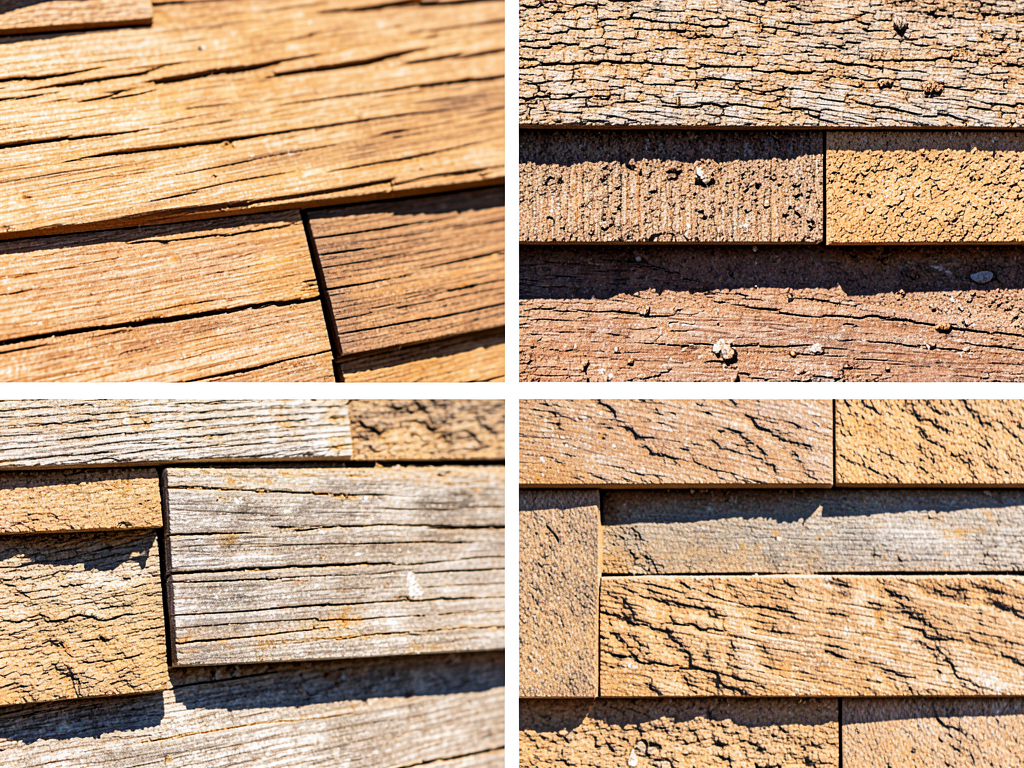
Natural cedar shake represents traditional craftsmanship with hand-split Western Red Cedar shakes creating distinctive shadow lines and organic variation. Each shake develops unique weathering patterns, turning silvery-gray over time while maintaining its structural integrity. The material provides natural insulation properties and dimensional stability when properly maintained.
Wood shake installation requires specialized skills including proper spacing for thermal expansion and strategic layering to prevent moisture entrapment. Shakes must be installed over spaced sheathing to allow airflow and prevent rot. This ventilation system becomes critical in Orlando’s high-humidity environment where trapped moisture causes premature failure.. Read more about Finding Roofers Who Specialize in Mid-Century Modern Styles in Spring Lake.
Natural cedar contains natural preservatives that resist insects and decay when the wood remains dry. However, Florida’s humidity and frequent afternoon thunderstorms create conditions where these natural defenses fail without chemical treatments. Pressure-treated shakes with fire retardants become necessary for compliance with local building codes.. Read more about How to Read a Roofing Estimate Without Getting Confused (Advice for Lake Hart Homeowners).
Head-to-Head Comparison: Durability in the Florida Climate
Florida’s climate creates the ultimate testing ground for roofing materials. Orlando receives over 50 inches of annual rainfall concentrated in summer thunderstorms. Afternoon heat indexes regularly exceed 100 degrees Fahrenheit while hurricane season brings sustained winds over 100 mph. These conditions expose material weaknesses quickly. TPO vs EPDM Roofing Guide.
Composite materials excel in this environment due to their engineered polymer structure. The synthetic composition resists UV degradation through built-in stabilizers that prevent granule loss and color fading. Moisture cannot penetrate the polymer matrix, eliminating rot, mold, and algae growth that plague organic materials in humid conditions.. Read more about Picking the Right Roof Color to Enhance the Curb Appeal of Your Rose Isle Estate.
Wood shake faces significant challenges in Florida’s humidity. Natural cedar absorbs moisture during storms then expands, creating stress on fasteners and adjacent shakes. When the material dries, it contracts, loosening connections over time. This repeated cycling causes splitting, warping, and eventual fastener failure. Without proper ventilation and treatment, wood shake typically lasts 12-15 years in Central Florida.. Read more about Why Stainless Steel Fasteners are Non-Negotiable for Lakefront Properties in Edgewood.
Composite products maintain dimensional stability across temperature swings. The polymer structure allows minimal thermal expansion while engineered fastening systems accommodate movement without compromising the roof’s integrity. Many composites carry 50-year warranties specifically because they resist Florida’s climate challenges.
Cost Analysis: Upfront Investment vs. Long-Term Value
Initial material costs create the first major difference between these options. Premium composite shake tiles range from $8-12 per square foot installed in the Orlando market. Natural cedar shake costs $6-9 per square foot but requires additional treatments and specialized installation techniques that increase labor expenses. Choosing Between Shingle and Tile Roofs for Your Central Florida Home.
Installation complexity affects total project costs significantly. Composite materials install using standard roofing techniques with factory-formed components that ensure consistent quality. Wood shake requires hand-splitting, custom fitting, and specialized ventilation systems that extend installation time by 30-40% compared to composites.. Read more about Roofing Considerations for Adding a Mother-in-Law Suite to Your Eagles Nest Property.
Long-term ownership costs reveal the true value proposition. Composite roofs typically last 40-50 years with minimal maintenance beyond periodic cleaning. Wood shake requires chemical treatments every 2-3 years at $1-2 per square foot, plus repairs for split or warped shakes that occur naturally over time.
Insurance considerations impact total cost of ownership. Many Orlando insurers offer premium discounts for Class 4 impact-resistant materials. Composite products with Miami-Dade approval often qualify for these discounts while wood shake typically does not due to higher fire risk and shorter lifespan in Florida’s climate.
Maintenance Requirements: Real Talk for Busy Homeowners
Wood shake maintenance demands significant time and expertise. Annual inspections identify loose, split, or curled shakes requiring replacement. Moss and algae growth needs regular cleaning with specialized solutions that won’t damage the wood. Every 2-3 years, the entire roof requires chemical treatment with preservatives and fire retardants. Reliable Roof Inspection Services for Home Buyers in Winter Garden.
Moisture management becomes the primary maintenance challenge. Wood shake roofs need continuous ventilation to prevent moisture accumulation in the attic space. Blocked soffit vents or inadequate ridge ventilation create conditions for rot and mold growth. Homeowners must monitor attic humidity levels and ensure proper airflow year-round.
Composite maintenance focuses on preventing debris accumulation and checking fastening systems. The polymer surface resists biological growth, eliminating the need for chemical treatments. Cleaning requires only water and mild detergent to remove pollen, leaves, and other organic material that could trap moisture against the roof surface.
Wind damage inspection differs significantly between materials. Wood shake may show obvious missing pieces after storms, but hidden damage from lifted shakes creates water infiltration points. Composite materials maintain their integrity better but require checking for loosened fasteners that could compromise wind uplift resistance.
HOA Considerations and Curb Appeal in Central Florida
Williamsburg and surrounding Orlando neighborhoods often have strict HOA guidelines regarding roofing materials. Many associations permit wood shake appearance but require documentation proving the material meets fire safety standards. Some HOAs specifically ban natural wood due to fire risk and maintenance concerns.. Read more about Is Copper Roofing Accents the Right Choice for Your Windermere Estate?.
Composite products offer a strategic advantage for HOA compliance. Modern manufacturing creates products that visually match natural wood shake while meeting all safety and durability requirements. Manufacturers provide samples and documentation showing how composites satisfy aesthetic guidelines without the maintenance burden of natural materials.
Resale value considerations vary by neighborhood. Historic districts may require natural materials regardless of maintenance costs. Newer developments often prioritize durability and energy efficiency, making composites more attractive to future buyers. Understanding your specific HOA requirements before selecting materials prevents costly compliance issues.. Read more about Upgrading to a Standing Seam Metal Roof for Your Estate in Tuskawilla.
Color selection impacts both aesthetics and performance. Lighter colors reflect heat better in Florida’s climate, reducing cooling costs. Composite manufacturers offer fade-resistant pigments in various wood tones that maintain their appearance longer than natural cedar, which weathers to a uniform gray regardless of initial color.
Final Verdict: Which Should You Choose for Your Orlando Home?
Composite shingles represent the smarter choice for most Williamsburg homeowners. The materials withstand Florida’s climate challenges while requiring minimal maintenance over their 40-50 year lifespan. Initial costs run higher than wood shake, but the elimination of chemical treatments, frequent repairs, and early replacement makes composites more economical long-term.
Natural wood shake remains viable only for homeowners willing to invest significant time and money in maintenance. The material requires annual inspections, biannual chemical treatments, and repairs every few years. Without this commitment, wood shake typically fails prematurely in Orlando’s humidity, creating water damage and mold issues.
Climate compatibility drives the ultimate decision. Orlando’s combination of intense UV exposure, high humidity, and hurricane-force winds creates conditions where engineered materials outperform natural ones. Composite products specifically designed for Florida’s building codes provide better protection against these challenges while maintaining wood’s aesthetic appeal.
Budget considerations extend beyond initial installation costs. Factor in maintenance expenses, insurance premiums, and replacement timing when comparing materials. A composite roof costing $15,000 might save $8,000 in maintenance and replacement costs over 30 years compared to wood shake requiring ongoing treatments and earlier replacement.
Property value impacts vary by neighborhood. Most Orlando buyers prefer low-maintenance materials that provide reliable protection. Composite roofs with transferable warranties appeal to resale buyers while wood shake’s maintenance requirements often deter potential purchasers. Consider your likely timeline for selling when making this decision.
Installation expertise matters significantly. Composite products require certified installers familiar with Florida’s wind zone requirements and fastening specifications. Wood shake demands craftsmen experienced in traditional techniques and moisture management. Choose contractors with specific experience in your selected material to ensure proper installation.
Energy efficiency differences affect monthly costs. Both materials provide some insulation value, but composite’s consistent manufacturing creates more predictable thermal performance. Light-colored composites reflect more heat than natural wood, potentially reducing cooling costs during Orlando’s long summers.
Environmental considerations influence material selection. Composite products often contain recycled content and last longer, reducing landfill impact. However, wood shake comes from renewable sources and biodegrades naturally. Consider your priorities regarding sustainability when comparing these options.
Fire safety requirements affect material choice in many Orlando neighborhoods. Class A fire ratings become mandatory in certain areas, eliminating untreated wood shake options. Composite products achieve Class A ratings through their polymer composition, while wood requires chemical treatments that may need periodic reapplication.
Noise reduction capabilities vary between materials. Both provide some sound dampening, but composite’s solid construction offers better protection against Orlando’s frequent thunderstorms and occasional hailstorms. The material’s density reduces impact noise more effectively than natural wood.
Wind resistance specifications determine material suitability for your specific location. Orlando’s building codes require different wind ratings based on proximity to coastlines and open areas. Composite products with Miami-Dade approval meet the strictest standards, while wood shake may require additional fastening or may not qualify for certain applications.
Moisture management systems differ significantly between materials. Composite products shed water efficiently due to their smooth surface and engineered profiles. Wood shake relies on proper installation techniques and ventilation to prevent moisture retention. In Orlando’s frequent rain conditions, these differences impact long-term performance.
Temperature fluctuations in Central Florida stress roofing materials through expansion and contraction cycles. Composite products handle these changes better due to their engineered polymer structure. Wood shake experiences more movement, potentially loosening fasteners and creating gaps over time.
Installation warranties provide protection against workmanship errors. Most reputable contractors offer 5-10 year installation warranties for both materials. However, composite manufacturers typically provide 40-50 year material warranties, while wood shake warranties often cover only 20-30 years and may exclude climate-related damage.
Repairability affects long-term maintenance. Individual composite tiles replace easily if damaged, maintaining the roof’s appearance. Wood shake repairs often show color variations as new shakes weather differently from existing ones. Finding matching replacement shakes becomes increasingly difficult as roofs age.
Weight considerations impact structural requirements. Composite materials typically weigh less than natural wood shake, potentially eliminating the need for structural reinforcement on older homes. This weight advantage can reduce installation costs and expand application possibilities for certain roof designs.
Algae and mold resistance becomes critical in Orlando’s humid climate. Composite surfaces resist biological growth through their non-porous composition. Wood shake requires chemical treatments and regular cleaning to prevent these issues, which can spread rapidly in shaded or north-facing roof areas.
UV resistance determines color retention and material longevity. Composite products incorporate UV stabilizers during manufacturing, maintaining their appearance for decades. Natural wood inevitably weathers to gray regardless of initial treatment, though some homeowners prefer this aged appearance.
Fire safety ratings affect insurance costs and building code compliance. Most composites achieve Class A fire ratings inherently, while wood shake requires chemical treatments to reach Class B or C ratings. Some Orlando neighborhoods mandate Class A materials regardless of aesthetic preferences.
Installation timeline varies between materials. Composite installation typically completes faster due to consistent sizing and factory-formed components. Wood shake installation requires more time for hand-fitting and custom adjustments, potentially extending project duration by several days.
Local building code requirements influence material selection. Orlando follows Florida Building Code standards that mandate specific wind ratings and installation methods. Composite products with Florida Product Approval simplify permitting processes, while wood shake may require additional engineering documentation.
Energy efficiency differences impact utility costs. Both materials provide some insulation, but composite’s consistent manufacturing creates more predictable thermal performance. Light-colored composites reflect more heat than natural wood, potentially reducing cooling costs during Orlando’s long summers.
Environmental impact considerations affect material selection. Composite products often contain recycled content and last longer, reducing landfill impact. However, wood shake comes from renewable sources and biodegrades naturally. Consider your priorities regarding sustainability when comparing these options.
Frequently Asked Questions
How long does a composite shake roof last in Orlando’s climate?
Quality composite shake roofs typically last 40-50 years in Orlando’s climate when properly installed. The polymer materials resist UV degradation, moisture absorption, and thermal cycling that damage natural materials. Most manufacturers provide 50-year warranties specifically for Florida conditions.
Can I install wood shake on my roof in Orlando?
Yes, but wood shake requires pressure treatment with fire retardants and preservatives to meet Orlando building codes. Even treated wood shake faces challenges from Florida’s humidity and typically lasts only 15-20 years compared to 40-50 years for composites. Some HOAs restrict natural wood due to fire risk.
What maintenance does composite roofing require?
Composite roofing needs minimal maintenance beyond periodic cleaning to remove debris and checking fasteners after major storms. Unlike wood shake, composites don’t require chemical treatments, moss removal, or repairs for splitting and warping. Annual inspections help identify any issues early.
How much does composite roofing cost in Orlando?
Composite shake roofing typically costs $8-12 per square foot installed in Orlando, depending on roof complexity and specific product selection. This includes removal of existing roofing, underlayment, and proper fastening systems for Florida’s wind zones. Natural wood shake costs $6-9 per square foot but requires more frequent maintenance.
Will composite roofing increase my home’s value?
Quality composite roofing often increases home value due to its durability, low maintenance requirements, and transferable warranties. Buyers in Orlando’s market particularly value materials that withstand the local climate without ongoing maintenance costs. The improved energy efficiency can also appeal to potential buyers.
Do I need special permits for composite roofing in Orlando?
Yes, all roofing projects in Orlando require permits regardless of material. Composite roofing with Florida Product Approval simplifies the permitting process since the materials already meet building code requirements. Your contractor should handle permit acquisition and ensure all work complies with local regulations.
How do I choose between composite and wood shake for my Williamsburg home?
Choose composite if you prioritize durability, low maintenance, and long-term value. Choose wood shake only if you specifically want natural materials and are prepared for ongoing maintenance costs. Most Williamsburg homeowners find composite’s combination of wood-like appearance and modern performance makes it the better choice.
What happens if my composite roof gets damaged?
Individual composite tiles replace easily if damaged by falling trees or severe storms. The modular design allows targeted repairs without replacing entire roof sections. Most damage is covered under manufacturer warranties, and the consistent manufacturing ensures replacement tiles match existing ones perfectly.
Can composite roofing withstand Orlando’s hurricanes?
Yes, quality composite roofing with Miami-Dade approval withstands hurricane-force winds when properly installed. These products undergo rigorous testing including wind uplift, impact resistance, and water penetration tests. Many composites achieve wind ratings exceeding 150 mph, exceeding Orlando’s typical wind zone requirements.
How do I maintain my wood shake roof in Orlando?
Wood shake requires annual inspections, cleaning to remove moss and debris, and chemical treatments every 2-3 years. You’ll need to replace split or warped shakes as they occur and ensure proper attic ventilation year-round. Without this maintenance, wood shake typically fails within 15-20 years in Orlando’s climate.
- Assess Your Priorities
Determine whether you value low maintenance and durability or natural aesthetics more highly. Consider your timeline for staying in the home and willingness to perform ongoing maintenance.
- Check HOA Requirements
Review your neighborhood’s architectural guidelines regarding roofing materials. Some associations restrict natural wood due to fire risk or require specific fire ratings that may eliminate untreated wood options.
- Consider Climate Factors
Evaluate how Orlando’s humidity, UV exposure, and hurricane risk affect different materials. Composites generally outperform natural materials in these conditions without requiring ongoing treatments.
- Get Professional Inspections
Have a qualified roofing contractor inspect your current roof structure and provide recommendations based on your home’s specific conditions, including attic ventilation and structural capacity.
- Compare Total Ownership Costs
Look beyond initial installation costs to include maintenance, insurance premiums, and replacement timing. Composites typically cost more upfront but less over their full lifespan.
Ready to upgrade your Williamsburg home with a roof that withstands Orlando’s climate while maintaining beautiful aesthetics? Call (689) 268-2855 today to schedule your free consultation and learn which roofing option best suits your needs and budget.
Don’t wait until storm season to address your roofing concerns. Pick up the phone and call (689) 268-2855 before the next afternoon thunderstorm reveals vulnerabilities in your current roof. Our Orlando-based team understands exactly what your Williamsburg home needs to stay protected year-round.
{
“@context”: “https://schema.org”,
“@type”: “BlogPosting”,
“headline”: “Choosing Between Composite Shingles and Traditional Wood Shake for Your Williamsburg Home”,
“description”: “Compare composite vs wood shake roofing for Orlando homes. Learn durability, cost, maintenance, and HOA compliance in Central Florida’s climate.”,
“wordCount”: 2914,
“datePublished”: “2026-04-27T08:03:00.000Z”,
“dateModified”: “2026-04-27T08:03:00.000Z”,
“inLanguage”: “en-US”,
“mainEntityOfPage”: {
“@type”: “WebPage”,
“@id”: “https://allproroofingorlando.com”
},
“publisher”: {
“@type”: “LocalBusiness”,
“name”: “All Pro Roofing Orlando”,
“url”: “https://allproroofingorlando.com”
},
“author”: {
“@type”: “Organization”,
“name”: “All Pro Roofing Orlando”,
“url”: “https://allproroofingorlando.com”
},
“image”: {
“@type”: “ImageObject”,
“url”: “https://allproroofingorlando.com/wp-content/uploads/2026/03/choosing-between-composite-shingles-and-traditiona-1.png”
}
}
{
“@context”: “https://schema.org”,
“@type”: “RoofingContractor”,
“name”: “All Pro Roofing Orlando”,
“url”: “https://allproroofingorlando.com”,
“address”: {
“@type”: “PostalAddress”,
“addressLocality”: “Orlando”
},
“areaServed”: {
“@type”: “City”,
“name”: “Orlando”
}
}
{
“@context”: “https://schema.org”,
“@type”: “FAQPage”,
“mainEntity”: [
{
“@type”: “Question”,
“name”: “Understanding the Basics: What is Composite (Synthetic) Roofing?”,
“acceptedAnswer”: {
“@type”: “Answer”,
“text”: “Composite roofing consists of engineered polymer materials designed to replicate natural materials like wood, slate, or tile. These products combine recycled plastics, rubber, and synthetic fibers with UV-resistant polymers to create durable roofing tiles. Modern composites achieve Class 4 impact resistance and Class A fire ratings while weighing significantly less than natural materials. Best Roofing Materials for Older Bungalows in Thornton Park.”
}
},
{
“@type”: “Question”,
“name”: “Final Verdict: Which Should You Choose for Your Orlando Home?”,
“acceptedAnswer”: {
“@type”: “Answer”,
“text”: “Composite shingles represent the smarter choice for most Williamsburg homeowners. The materials withstand Florida’s climate challenges while requiring minimal maintenance over their 40-50 year lifespan. Initial costs run higher than wood shake, but the elimination of chemical treatments, frequent repairs, and early replacement makes composites more economical long-term.”
}
},
{
“@type”: “Question”,
“name”: “How long does a composite shake roof last in Orlando’s climate?”,
“acceptedAnswer”: {
“@type”: “Answer”,
“text”: “Quality composite shake roofs typically last 40-50 years in Orlando’s climate when properly installed. The polymer materials resist UV degradation, moisture absorption, and thermal cycling that damage natural materials. Most manufacturers provide 50-year warranties specifically for Florida conditions.”
}
},
{
“@type”: “Question”,
“name”: “Can I install wood shake on my roof in Orlando?”,
“acceptedAnswer”: {
“@type”: “Answer”,
“text”: “Yes, but wood shake requires pressure treatment with fire retardants and preservatives to meet Orlando building codes. Even treated wood shake faces challenges from Florida’s humidity and typically lasts only 15-20 years compared to 40-50 years for composites. Some HOAs restrict natural wood due to fire risk.”
}
},
{
“@type”: “Question”,
“name”: “What maintenance does composite roofing require?”,
“acceptedAnswer”: {
“@type”: “Answer”,
“text”: “Composite roofing needs minimal maintenance beyond periodic cleaning to remove debris and checking fasteners after major storms. Unlike wood shake, composites don’t require chemical treatments, moss removal, or repairs for splitting and warping. Annual inspections help identify any issues early.”
}
},
{
“@type”: “Question”,
“name”: “How much does composite roofing cost in Orlando?”,
“acceptedAnswer”: {
“@type”: “Answer”,
“text”: “Composite shake roofing typically costs $8-12 per square foot installed in Orlando, depending on roof complexity and specific product selection. This includes removal of existing roofing, underlayment, and proper fastening systems for Florida’s wind zones. Natural wood shake costs $6-9 per square foot but requires more frequent maintenance.”
}
},
{
“@type”: “Question”,
“name”: “Will composite roofing increase my home’s value?”,
“acceptedAnswer”: {
“@type”: “Answer”,
“text”: “Quality composite roofing often increases home value due to its durability, low maintenance requirements, and transferable warranties. Buyers in Orlando’s market particularly value materials that withstand the local climate without ongoing maintenance costs. The improved energy efficiency can also appeal to potential buyers.”
}
},
{
“@type”: “Question”,
“name”: “Do I need special permits for composite roofing in Orlando?”,
“acceptedAnswer”: {
“@type”: “Answer”,
“text”: “Yes, all roofing projects in Orlando require permits regardless of material. Composite roofing with Florida Product Approval simplifies the permitting process since the materials already meet building code requirements. Your contractor should handle permit acquisition and ensure all work complies with local regulations.”
}
},
{
“@type”: “Question”,
“name”: “How do I choose between composite and wood shake for my Williamsburg home?”,
“acceptedAnswer”: {
“@type”: “Answer”,
“text”: “Choose composite if you prioritize durability, low maintenance, and long-term value. Choose wood shake only if you specifically want natural materials and are prepared for ongoing maintenance costs. Most Williamsburg homeowners find composite’s combination of wood-like appearance and modern performance makes it the better choice.”
}
},
{
“@type”: “Question”,
“name”: “What happens if my composite roof gets damaged?”,
“acceptedAnswer”: {
“@type”: “Answer”,
“text”: “Individual composite tiles replace easily if damaged by falling trees or severe storms. The modular design allows targeted repairs without replacing entire roof sections. Most damage is covered under manufacturer warranties, and the consistent manufacturing ensures replacement tiles match existing ones perfectly.”
}
},
{
“@type”: “Question”,
“name”: “Can composite roofing withstand Orlando’s hurricanes?”,
“acceptedAnswer”: {
“@type”: “Answer”,
“text”: “Yes, quality composite roofing with Miami-Dade approval withstands hurricane-force winds when properly installed. These products undergo rigorous testing including wind uplift, impact resistance, and water penetration tests. Many composites achieve wind ratings exceeding 150 mph, exceeding Orlando’s typical wind zone requirements.”
}
},
{
“@type”: “Question”,
“name”: “How do I maintain my wood shake roof in Orlando?”,
“acceptedAnswer”: {
“@type”: “Answer”,
“text”: “Wood shake requires annual inspections, cleaning to remove moss and debris, and chemical treatments every 2-3 years. You’ll need to replace split or warped shakes as they occur and ensure proper attic ventilation year-round. Without this maintenance, wood shake typically fails within 15-20 years in Orlando’s climate.”
}
}
]
}
{
“@context”: “https://schema.org”,
“@type”: “HowTo”,
“name”: “How to Choose Your Roofing Material”,
“step”: [
{
“@type”: “HowToStep”,
“position”: 1,
“name”: “Assess Your Priorities”,
“text”: “Determine whether you value low maintenance and durability or natural aesthetics more highly. Consider your timeline for staying in the home and willingness to perform ongoing maintenance.”
},
{
“@type”: “HowToStep”,
“position”: 2,
“name”: “Check HOA Requirements”,
“text”: “Review your neighborhood’s architectural guidelines regarding roofing materials. Some associations restrict natural wood due to fire risk or require specific fire ratings that may eliminate untreated wood options.”
},
{
“@type”: “HowToStep”,
“position”: 3,
“name”: “Consider Climate Factors”,
“text”: “Evaluate how Orlando’s humidity, UV exposure, and hurricane risk affect different materials. Composites generally outperform natural materials in these conditions without requiring ongoing treatments.”
},
{
“@type”: “HowToStep”,
“position”: 4,
“name”: “Get Professional Inspections”,
“text”: “Have a qualified roofing contractor inspect your current roof structure and provide recommendations based on your home’s specific conditions, including attic ventilation and structural capacity.”
},
{
“@type”: “HowToStep”,
“position”: 5,
“name”: “Compare Total Ownership Costs”,
“text”: “Look beyond initial installation costs to include maintenance, insurance premiums, and replacement timing. Composites typically cost more upfront but less over their full lifespan.”
}
],
“image”: “https://allproroofingorlando.com/wp-content/uploads/2026/03/choosing-between-composite-shingles-and-traditiona-1.png”
}
{
“@context”: “https://schema.org”,
“@type”: “BreadcrumbList”,
“itemListElement”: [
{
“@type”: “ListItem”,
“position”: 1,
“name”: “Home”,
“item”: “https://allproroofingorlando.com”
},
{
“@type”: “ListItem”,
“position”: 2,
“name”: “Blog”,
“item”: “https://allproroofingorlando.com/blog”
},
{
“@type”: “ListItem”,
“position”: 3,
“name”: “Choosing Between Composite Shingles and Traditional Wood Shake for Your Williamsburg Home”
}
]
}
{
“@context”: “https://schema.org”,
“@type”: “Service”,
“serviceType”: “Roofing”,
“provider”: {
“@type”: “LocalBusiness”,
“name”: “All Pro Roofing Orlando”,
“url”: “https://allproroofingorlando.com”
},
“areaServed”: {
“@type”: “City”,
“name”: “Orlando”
},
“description”: “Compare composite vs wood shake roofing for Orlando homes. Learn durability, cost, maintenance, and HOA compliance in Central Florida’s climate.”
}