
Can Your Tangelo Park Home Support the Weight of Heavy Concrete Tiles?
If you’re considering upgrading to concrete tile roofing in Tangelo Park, you’re not alone. Many Orlando homeowners love the Spanish-style look and durability of tile. But before you make the switch, you need to know one critical fact: concrete tiles can weigh up to 10 pounds per square foot, while standard asphalt shingles weigh only about 2.5 pounds per square foot. That’s a massive difference that could put your roof structure at risk. Is Solar Roofing Actually Worth the Investment for Orlando Residents?.
The Florida Building Code requires homes to support a minimum dead load of 15 pounds per square foot for most residential structures. But that baseline doesn’t account for the additional weight of concrete tiles, which can push your roof to its limits. In Tangelo Park, where many homes were built in the 1970s and 1980s, the original roof trusses may not be designed to handle this extra load. Florida Building Code Information.
Before you fall in love with those beautiful terracotta tiles, you need a structural assessment. A licensed roofing contractor or structural engineer can evaluate your home’s framing, check for signs of stress, and determine if reinforcement is needed. This isn’t just about aesthetics—it’s about preventing potential roof collapse during Orlando’s heavy summer storms or hurricane season. Best Roofing Materials for Older Bungalows in Thornton Park.
Understanding Roof Loads: Dead Load vs. Live Load
Roof weight is measured in pounds per square foot (psf), and there are two main categories: dead load and live load. Dead load is the permanent weight your roof structure must support—this includes your roofing materials, sheathing, trusses, and any fixed equipment like solar panels or HVAC units. Live load is temporary weight from workers, snow (rare in Florida), or debris accumulation. TPO vs EPDM Roofing Guide.
Concrete tiles fall squarely into the dead load category. A typical 1,500-square-foot roof with asphalt shingles might carry about 3,750 pounds of roofing material. Switch to concrete tiles, and that weight jumps to 15,000 pounds—a 300% increase. Your roof trusses need to be designed to handle this additional stress without sagging or failing.. Read more about Roofing Considerations for Adding a Mother-in-Law Suite to Your Eagles Nest Property.
Standard asphalt shingles typically weigh between 2.0 and 2.5 pounds per square foot. Concrete tiles range from 9 to 12 pounds per square foot, depending on the profile and manufacturer. Clay tiles are similar in weight to concrete. Metal roofing, by contrast, weighs only 1 to 2.5 pounds per square foot, making it a lighter alternative if you’re concerned about structural capacity. Choosing Between Shingle and Tile Roofs for Your Central Florida Home.
The Florida Building Code (FBC) Section R301.2 addresses roof structural requirements. For most residential construction in Orange County, roofs must be designed to withstand specific wind loads—typically 130 to 150 miles per hour in our hurricane-prone region. But wind resistance doesn’t automatically mean your structure can handle the dead load of heavy tiles.
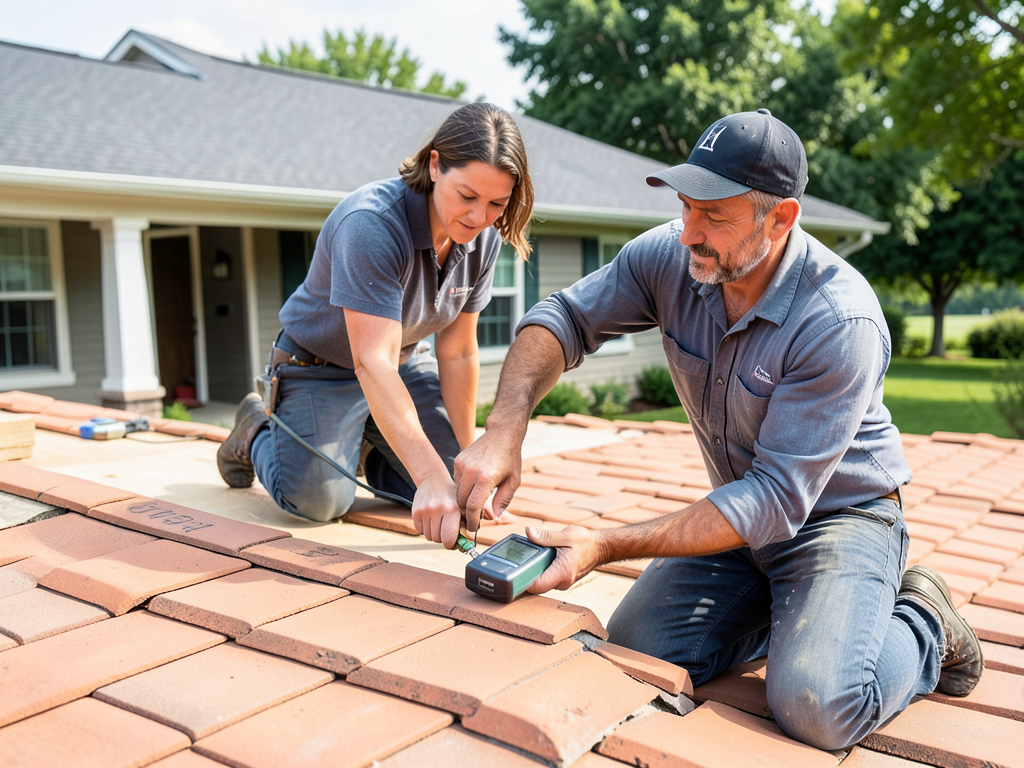
Image Description: Diagram comparing dead load weights of various roofing materials per square foot, showing concrete tile at 10 psf versus asphalt shingle at 2.5 psf.
Standard Weight Limits for Orlando Roofing Materials
Before choosing concrete tiles, you need to understand what your current roof can support. Most Tangelo Park homes were built to handle standard asphalt shingles or lightweight metal roofing. Here’s a breakdown of common roofing materials and their weight:. Read more about How to stop birds and bats from nesting under the tiles of your Ventura country club roof.
| Material | Weight (lbs per sq ft) | Typical Use |
|---|---|---|
| Asphalt Shingles | 2.0 – 2.5 | Most common in Tangelo Park |
| Concrete Tiles | 9.0 – 12.0 | Spanish-style homes |
| Clay Tiles | 9.0 – 11.0 | Mediterranean designs |
| Metal Roofing | 1.0 – 2.5 | Modern and commercial |
| Wood Shakes | 3.0 – 4.5 | Premium residential |
The weight difference becomes critical when you consider that many Tangelo Park homes were built during the 1970s construction boom. These homes often feature 2×4 or 2×6 roof trusses spaced 24 inches on center—a common but sometimes marginal configuration for heavy tile loads.
During a professional inspection, your roofing contractor will look for specific warning signs. They’ll check for sagging rafters, cracked ceiling joists, or any previous structural modifications. They may also measure the spacing and size of your roof trusses to determine if they meet current Florida Building Code requirements for tile installation. Reliable Roof Inspection Services for Home Buyers in Winter Garden.
In some cases, homes can support concrete tiles without modification. Homes built after 2002 typically have stronger roof structures due to updated building codes following Hurricane Andrew. But even newer homes need evaluation—especially if they have large roof spans or complex architectural features that create additional stress points.
Florida Building Code and Structural Requirements
The Florida Building Code isn’t just about wind resistance—it also sets strict requirements for structural dead loads. FBC Section R301.2 requires that roof structures be designed to support the weight of all roofing materials plus a safety factor. For tile roofs, this means your structure must handle at least 15 pounds per square foot of dead load, plus the weight of the tiles themselves.
In Orange County, any roof replacement involving a material change (like switching from shingles to tile) requires a building permit. The permitting process includes a structural review to ensure your roof can handle the new load. This isn’t optional—it’s the law, and it’s designed to protect you from catastrophic roof failure.
The High Velocity Hurricane Zone (HVHZ) requirements in the FBC add another layer of complexity. Tangelo Park falls within the HVHZ, meaning your roof must meet enhanced wind uplift requirements. Concrete tiles perform excellently in high winds when properly installed, but the underlying structure must be strong enough to support both the weight and the wind resistance.
ASCE 7 (Minimum Design Loads for Buildings and Other Structures) is the engineering standard referenced in the FBC. It provides specific calculations for dead loads, live loads, and wind loads. A structural engineer will use ASCE 7 tables to determine if your existing roof trusses can handle the additional weight of concrete tiles. ASCE 7 Structural Standards.
Here’s what the permitting process typically involves in Tangelo Park:
- Initial Inspection
Roofing contractor examines visible structural components, measures truss spacing, and checks for existing damage.
- Engineering Analysis
Structural engineer reviews building plans (if available) or performs on-site calculations using ASCE 7 standards.
- Load Calculations
Determines if existing structure meets FBC requirements for proposed tile weight.
- Permit Application
Submits documentation to Orange County Building Division for review.
- Approval or Modification
Receives permit approval or recommendation for structural reinforcement.
Don’t skip this process. Unpermitted work can lead to insurance complications, difficulties selling your home, and most importantly, safety hazards. The Orange County Building Division has been particularly strict about tile installations since the 2004 hurricane season exposed weaknesses in older roof structures.
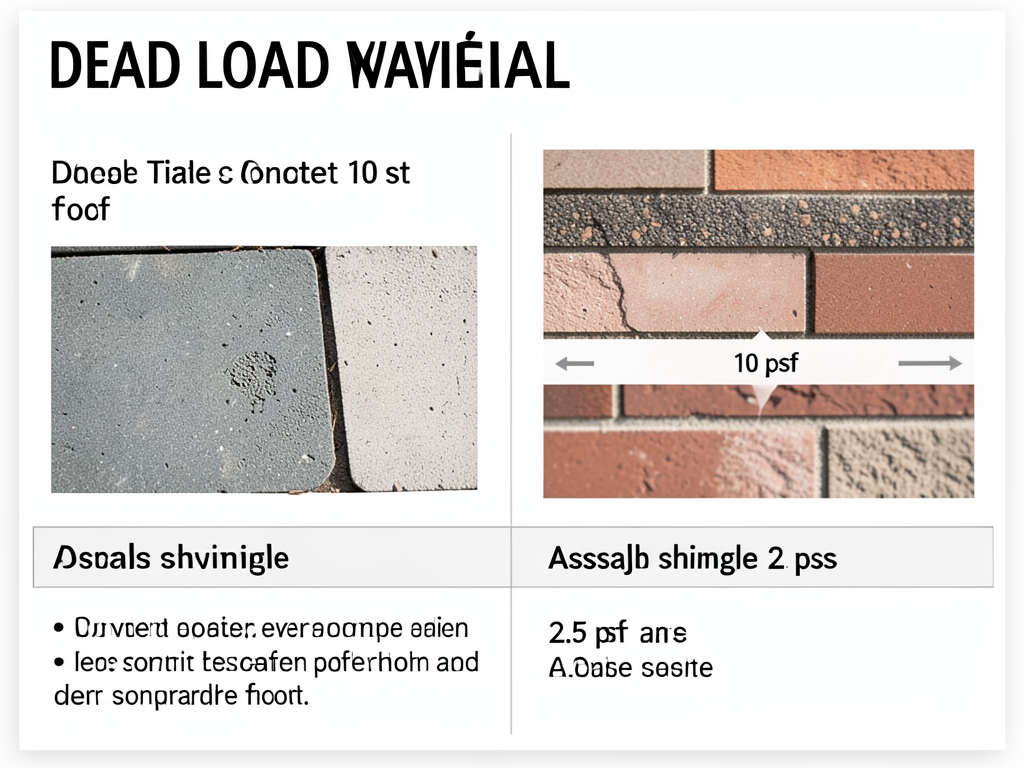
Image Description: Photo of a structural engineer using a moisture meter to check roof deck integrity before tile installation approval.
Signs Your Roof is Overloaded
Sometimes homeowners discover their roof can’t handle concrete tiles the hard way. Here are warning signs that your roof structure may already be stressed or approaching its weight limit:
- Sagging rooflines or visible dips along the ridge
- Cracks in interior ceiling drywall, especially near exterior walls
- Popping or creaking sounds during temperature changes
- Doors that stick or won’t close properly (indicating frame shifting)
- Previous water damage that may have weakened structural members
In Tangelo Park, many homes have endured decades of Orlando’s climate—intense UV exposure, heavy afternoon thunderstorms, and occasional hurricane impacts. These conditions can gradually weaken roof structures, making them less capable of handling additional weight.
During a professional inspection, we use diagnostic tools to assess structural integrity. A moisture meter can detect water damage in roof decking that isn’t visible from the surface. We also check for proper truss connections and look for signs of previous repairs that might affect load-bearing capacity.
The “screwdriver test” is a simple but effective diagnostic tool. We press a screwdriver into the wood members of your roof structure. If it penetrates easily or the wood feels soft and spongy, that’s a red flag indicating rot or termite damage that compromises structural strength.
Temperature cycling in Central Florida creates unique stresses. During summer afternoons, your attic can reach 150°F, causing thermal expansion in wood members. At night, temperatures drop rapidly. This constant expansion and contraction can cause “creep” in overloaded structures—gradual deformation that worsens over time.
If your home shows any of these warning signs, you’ll need structural reinforcement before installing concrete tiles. This might include adding support beams, sistering damaged rafters, or in some cases, completely replacing the roof truss system. While this adds to the project cost, it’s far less expensive than dealing with a roof collapse.
Can Your Roof Support Solar Panels or HVAC Units?
Many Tangelo Park homeowners want to combine tile roofing with solar panels or need to consider existing rooftop equipment. Both solar panels and HVAC units add dead load to your roof structure, and you need to account for these when calculating total weight capacity.
Solar panels typically add 2 to 4 pounds per square foot when mounted on rails. A standard residential solar array might weigh 600 to 800 pounds total. HVAC units vary widely—a typical residential air conditioner might weigh 150 to 300 pounds, plus the weight of mounting equipment.
The combined weight of tiles, solar panels, and HVAC equipment can quickly exceed your roof’s design capacity. Here’s a scenario that illustrates the problem:
- Concrete tiles: 12,000 pounds (for 1,500 sq ft)
- Solar panels: 700 pounds
- HVAC unit: 250 pounds
- Racking and mounting hardware: 150 pounds
- Total additional load: 13,100 pounds
If your roof was designed for 15 psf dead load (about 11,250 pounds for 1,500 sq ft), you’re now 1,850 pounds over capacity. This is why professional engineering assessment is critical when planning multiple upgrades.
Secondary water resistance (SWR) is another consideration in Florida. Many homes built after 2004 have peel-and-stick underlayment beneath the primary roofing material. While SWR doesn’t add significant weight, it does affect the installation process and may require removal before installing new tiles.
The good news is that structural reinforcement has become more affordable and less disruptive. Modern engineered lumber and steel support systems can often be installed without major interior demolition. In some cases, we can reinforce from the attic space without affecting your home’s interior finishes.
Calculating Capacity: Why a Professional Inspection is Non-Negotiable
You might be tempted to estimate your roof’s capacity based on your home’s age or appearance. Don’t. Every home is different, and the margin between adequate and inadequate structural support is smaller than you might think.
Professional structural assessment involves several diagnostic steps that require experience and specialized knowledge:
- Measuring actual truss dimensions and spacing
- Checking for existing damage or modifications
- Calculating current dead load with existing materials
- Determining required reinforcement if needed
- Ensuring compliance with current Florida Building Code
The cost of a professional inspection is minimal compared to the cost of structural failure. A typical assessment runs $300 to $500 and includes a written report you can submit with your building permit application.
In Tangelo Park, we’ve seen cases where homeowners assumed their 1990s home could handle tile, only to discover the original builder used undersized trusses to cut costs. Others have found that previous owners added layers of shingles over the years, reducing the available weight capacity for new materials.
Insurance companies are increasingly aware of structural weight issues. Some policies now require documentation of structural adequacy before approving tile roof replacements. Without this documentation, you might face coverage denials or premium increases if problems develop later.
The bottom line: if you’re considering concrete tiles for your Tangelo Park home, start with a structural assessment. It’s the only way to know for sure whether your roof can support the weight, and it’s the responsible first step toward a beautiful, durable tile roof that will last for decades.
Call (689) 268-2855 today to schedule your professional roof structural assessment. Don’t risk your home’s safety on guesswork.
Frequently Asked Questions
How much does it cost to reinforce a roof for concrete tiles?
Reinforcement costs vary widely depending on your home’s structure and the extent of work needed. Simple reinforcement might cost $2,000 to $5,000, while major structural modifications could run $10,000 or more. A professional inspection will provide accurate cost estimates for your specific situation.
Can I install concrete tiles over my existing shingles?
No, Florida Building Code prohibits installing new roofing materials over existing shingles when switching to heavy tiles. The additional weight would be too great, and you need to inspect the roof deck anyway. All existing roofing must be removed before tile installation.
How long do concrete tile roofs last in Orlando’s climate?
With proper installation and maintenance, concrete tile roofs typically last 50+ years in Central Florida. They resist UV damage, hurricane winds, and thermal cycling better than most other materials. The underlayment usually needs replacement after 20-25 years, but the tiles themselves often last the lifetime of the home.
Will concrete tiles increase my home’s value?
Yes, concrete tiles typically increase home value due to their durability, energy efficiency, and aesthetic appeal. They can boost curb appeal significantly and may lower insurance premiums in some cases. However, the return on investment should be weighed against the higher initial cost compared to asphalt shingles.
Ready to find out if your Tangelo Park home can support beautiful concrete tiles? Call (689) 268-2855 now for a professional structural assessment. We’ll evaluate your roof’s capacity, explain your options, and help you make the right choice for your home and budget.
Don’t wait until it’s too late. Structural problems only get worse over time, and Orlando’s next hurricane season is always just around the corner. Pick up the phone and call (689) 268-2855 before you make any decisions about tile roofing.
{
“@context”: “https://schema.org”,
“@type”: “BlogPosting”,
“headline”: “Can Your Tangelo Park Home Support the Weight of Heavy Concrete Tiles?”,
“description”: “Wondering if your Tangelo Park home can handle concrete tile roofing? Learn about weight limits, Florida codes, and structural requirements before making the switch.”,
“wordCount”: 2294,
“datePublished”: “2026-04-29T11:32:00.000Z”,
“dateModified”: “2026-04-29T11:32:00.000Z”,
“inLanguage”: “en-US”,
“mainEntityOfPage”: {
“@type”: “WebPage”,
“@id”: “https://allproroofingorlando.com”
},
“publisher”: {
“@type”: “LocalBusiness”,
“name”: “All Pro Roofing Orlando”,
“url”: “https://allproroofingorlando.com”
},
“author”: {
“@type”: “Organization”,
“name”: “All Pro Roofing Orlando”,
“url”: “https://allproroofingorlando.com”
},
“image”: {
“@type”: “ImageObject”,
“url”: “https://allproroofingorlando.com/wp-content/uploads/2026/03/can-your-tangelo-park-home-support-the-weight-of-h-1.png”
}
}
{
“@context”: “https://schema.org”,
“@type”: “RoofingContractor”,
“name”: “All Pro Roofing Orlando”,
“url”: “https://allproroofingorlando.com”,
“address”: {
“@type”: “PostalAddress”,
“addressLocality”: “Orlando”
},
“areaServed”: {
“@type”: “City”,
“name”: “Orlando”
}
}
{
“@context”: “https://schema.org”,
“@type”: “FAQPage”,
“mainEntity”: [
{
“@type”: “Question”,
“name”: “Can Your Roof Support Solar Panels or HVAC Units?”,
“acceptedAnswer”: {
“@type”: “Answer”,
“text”: “Many Tangelo Park homeowners want to combine tile roofing with solar panels or need to consider existing rooftop equipment. Both solar panels and HVAC units add dead load to your roof structure, and you need to account for these when calculating total weight capacity.”
}
},
{
“@type”: “Question”,
“name”: “How much does it cost to reinforce a roof for concrete tiles?”,
“acceptedAnswer”: {
“@type”: “Answer”,
“text”: “Reinforcement costs vary widely depending on your home’s structure and the extent of work needed. Simple reinforcement might cost $2,000 to $5,000, while major structural modifications could run $10,000 or more. A professional inspection will provide accurate cost estimates for your specific situation.”
}
},
{
“@type”: “Question”,
“name”: “Can I install concrete tiles over my existing shingles?”,
“acceptedAnswer”: {
“@type”: “Answer”,
“text”: “No, Florida Building Code prohibits installing new roofing materials over existing shingles when switching to heavy tiles. The additional weight would be too great, and you need to inspect the roof deck anyway. All existing roofing must be removed before tile installation.”
}
},
{
“@type”: “Question”,
“name”: “How long do concrete tile roofs last in Orlando’s climate?”,
“acceptedAnswer”: {
“@type”: “Answer”,
“text”: “With proper installation and maintenance, concrete tile roofs typically last 50+ years in Central Florida. They resist UV damage, hurricane winds, and thermal cycling better than most other materials. The underlayment usually needs replacement after 20-25 years, but the tiles themselves often last the lifetime of the home.”
}
},
{
“@type”: “Question”,
“name”: “Will concrete tiles increase my home’s value?”,
“acceptedAnswer”: {
“@type”: “Answer”,
“text”: “Yes, concrete tiles typically increase home value due to their durability, energy efficiency, and aesthetic appeal. They can boost curb appeal significantly and may lower insurance premiums in some cases. However, the return on investment should be weighed against the higher initial cost compared to asphalt shingles.”
}
}
]
}
{
“@context”: “https://schema.org”,
“@type”: “HowTo”,
“name”: “Roof Structural Assessment Process”,
“step”: [
{
“@type”: “HowToStep”,
“position”: 1,
“name”: “Initial Inspection”,
“text”: “Roofing contractor examines visible structural components, measures truss spacing, and checks for existing damage.”
},
{
“@type”: “HowToStep”,
“position”: 2,
“name”: “Engineering Analysis”,
“text”: “Structural engineer reviews building plans (if available) or performs on-site calculations using ASCE 7 standards.”
},
{
“@type”: “HowToStep”,
“position”: 3,
“name”: “Load Calculations”,
“text”: “Determines if existing structure meets FBC requirements for proposed tile weight.”
},
{
“@type”: “HowToStep”,
“position”: 4,
“name”: “Permit Application”,
“text”: “Submits documentation to Orange County Building Division for review.”
},
{
“@type”: “HowToStep”,
“position”: 5,
“name”: “Approval or Modification”,
“text”: “Receives permit approval or recommendation for structural reinforcement.”
}
],
“image”: “https://allproroofingorlando.com/wp-content/uploads/2026/03/can-your-tangelo-park-home-support-the-weight-of-h-1.png”
}
{
“@context”: “https://schema.org”,
“@type”: “BreadcrumbList”,
“itemListElement”: [
{
“@type”: “ListItem”,
“position”: 1,
“name”: “Home”,
“item”: “https://allproroofingorlando.com”
},
{
“@type”: “ListItem”,
“position”: 2,
“name”: “Blog”,
“item”: “https://allproroofingorlando.com/blog”
},
{
“@type”: “ListItem”,
“position”: 3,
“name”: “Can Your Tangelo Park Home Support the Weight of Heavy Concrete Tiles?”
}
]
}
{
“@context”: “https://schema.org”,
“@type”: “Service”,
“serviceType”: “Roofing”,
“provider”: {
“@type”: “LocalBusiness”,
“name”: “All Pro Roofing Orlando”,
“url”: “https://allproroofingorlando.com”
},
“areaServed”: {
“@type”: “City”,
“name”: “Orlando”
},
“description”: “Wondering if your Tangelo Park home can handle concrete tile roofing? Learn about weight limits, Florida codes, and structural requirements before making the switch.”
}