
Keeping Your Detached Garage or Workshop Cool with the Right Roofing in Lake Nona
Florida’s intense heat and humidity can turn your detached garage or workshop into an oven during summer months. In Lake Nona’s master-planned community with its mix of modern homes and standalone structures, choosing the right roofing system for your secondary building is essential for comfort, energy efficiency, and long-term durability. Florida Building Code.
Your detached garage or workshop faces unique challenges compared to your main home. These structures often have less insulation, different ventilation needs, and are exposed to the same brutal Central Florida sun without the benefit of your home’s cooling systems. The right roofing solution can reduce interior temperatures by 20-30 degrees and protect your stored items, vehicles, or workspace from heat damage. Is Solar Roofing Actually Worth the Investment for Orlando Residents?.
This guide covers everything Lake Nona property owners need to know about keeping detached structures cool through smart roofing choices, from material selection to ventilation strategies specifically suited for our local climate conditions. Best Roofing Materials for Older Bungalows in Thornton Park.
Why Detached Structures in Lake Nona Need Special Roofing Considerations
Lake Nona’s planned community design features many properties with detached garages, workshops, and accessory dwelling units (ADUs). These structures face the same Central Florida climate challenges as your main home but often lack the same level of insulation and cooling infrastructure.. Read more about Why your AC works harder when your Orlando attic isn’t breathing properly.
The intense Florida sun beats down on your detached building’s roof for 10+ hours daily during summer. Without proper roofing materials and ventilation, temperatures inside can soar above 120 degrees Fahrenheit, damaging stored items, making the space unusable, and potentially affecting your main home’s energy efficiency if the structures share walls. ENERGY STAR roofing materials.
Humidity presents another challenge. Lake Nona’s proximity to wetlands and water bodies means higher moisture levels that can lead to condensation issues in poorly ventilated roof spaces. This moisture can cause mold growth, wood rot, and reduced effectiveness of any insulation you install.
Wind uplift is also a critical factor. While your main home likely has hurricane-rated roofing, detached structures sometimes receive less attention during installation. Lake Nona falls within Florida’s High Velocity Hurricane Zone (HVHZ), requiring specific wind mitigation measures even for secondary buildings. TPO vs EPDM Roofing Guide.

Diagram showing heat flow through different roofing materials and ventilation systems for detached structures
Best Roofing Materials for Keeping Your Lake Nona Garage Cool
Choosing the right roofing material for your detached structure can dramatically impact interior temperatures. Here’s how different options perform in Lake Nona’s climate: Choosing Between Shingle and Tile Roofs for Your Central Florida Home.
| Material | Solar Reflectance | Heat Reduction | Cost per Square | Best For |
|---|---|---|---|---|
| Metal Roofing (Galvalume) | 0.65-0.75 | 25-35% | $350-450 | Workshops, modern designs |
| Tile Roofing (Concrete) | 0.20-0.30 | 15-25% | $250-350 | Traditional aesthetics |
| Architectural Shingles | 0.15-0.25 | 10-20% | $150-250 | Budget-friendly options |
| Modified Bitumen | 0.10-0.20 | 5-15% | $200-300 | Flat roof structures |
Metal roofing offers the best heat reduction for Lake Nona’s climate. Standing seam metal roofs with galvalume coating reflect up to 75% of solar radiation, keeping your detached space significantly cooler than traditional materials. The initial investment pays off through lower cooling costs and longer lifespan.. Read more about Comparing solar attic fans and static vents for the best airflow in Clermont.
Concrete tile provides good thermal mass, absorbing heat during the day and releasing it slowly at night. This creates a more stable temperature environment, though it doesn’t reduce peak temperatures as effectively as metal.
For budget-conscious property owners, modern architectural shingles with reflective granules can provide decent heat reduction at a lower upfront cost. Look for ENERGY STAR rated shingles with solar reflectance values above 0.25.. Read more about Modern Glass Skylights versus Traditional Plastic Domes for Your Rock Lake Renovation.
Ventilation Strategies That Make a Real Difference
Even the best roofing material won’t keep your detached structure cool without proper ventilation. Here’s what actually works in Lake Nona’s climate:. Read more about Which roofing materials actually add the most resale value for a Lake Nona home.
- Install Ridge Vents
Continuous ridge vents allow hot air to escape from the highest point of your roof, creating natural convection currents that pull cooler air in through soffit vents.. Read more about Comparing ridge vents and solar attic fans for better airflow in your Celebration home.
- Add Soffit Ventilation
Install vented soffits along all eaves to ensure consistent airflow into the attic space, preventing hot spots and moisture buildup.
- Consider Powered Attic Fans
For workshops or garages where you need maximum cooling, thermostatically controlled attic fans can reduce temperatures by an additional 10-15 degrees.
- Implement Radiant Barriers
Install reflective radiant barriers under your roofing material to block up to 97% of radiant heat transfer into the structure.
The “stack effect” is your best friend for natural cooling. Hot air rises and escapes through upper vents while cooler air enters through lower vents, creating continuous air circulation without electricity costs.
For workshops where you’ll be working during hot afternoons, consider adding a small window unit air conditioner vented through the roof. This provides spot cooling where you need it most without the cost of cooling the entire space.
Insulation Options for Detached Structures
Many Lake Nona property owners overlook insulation for detached garages and workshops, but it’s crucial for temperature control. Here are the most effective options:
- Radiant Barrier Sheathing – Reflective foil-backed plywood that blocks radiant heat transfer
- Closed-Cell Spray Foam – Provides both insulation and moisture barrier in one application
- Blown-In Cellulose – Cost-effective for existing structures with accessible attic spaces
- Insulated Roof Panels – Factory-insulated structural panels for new construction
Closed-cell spray foam offers the best performance for Lake Nona’s humid climate. It creates an air seal that prevents moisture intrusion while providing an R-value of 6.0 per inch. This means you can achieve R-30 insulation in just 5 inches of thickness.
For existing structures, radiant barrier sheathing combined with blown-in cellulose provides excellent heat reduction at a reasonable cost. The radiant barrier blocks heat before it enters the structure, while the cellulose provides traditional insulation value.
Building Code Requirements for Lake Nona Detached Structures
Orange County and the City of Orlando have specific requirements for detached structures that affect your roofing choices. Understanding these codes ensures your project passes inspection and provides the protection you need. Reliable Roof Inspection Services for Home Buyers in Winter Garden.
Florida Building Code Section 15 mandates that all roofing in Orange County meet specific wind uplift requirements. For detached structures in Lake Nona, this typically means a minimum design pressure of 25-30 pounds per square foot, depending on your exact location and structure height.
Secondary water resistance (SWR) is now required for all new construction in Orange County. This means installing a self-adhering polymer-modified bitumen layer over the entire roof deck, providing additional protection against water intrusion during severe weather.
Ventilation requirements follow Florida Building Code Section 1203, which mandates minimum net free ventilation area of 1/150 of the insulated ceiling area. For most detached garages, this translates to approximately 20-30 square inches of net free area per linear foot of eaves.
Energy efficiency requirements under Florida Building Code Section 5 also apply to detached structures. This includes mandatory radiant barrier installation in attics with certain roof types and minimum insulation requirements based on your structure’s intended use.
Cost Factors and Investment Considerations
Roofing your detached garage or workshop in Lake Nona involves several cost variables. Understanding these factors helps you budget appropriately and make informed decisions.
Material costs vary significantly by type. Metal roofing typically costs $350-450 per square (100 square feet), while architectural shingles run $150-250 per square. Concrete tile falls in the middle at $250-350 per square.
Labor costs in Lake Nona run higher than national averages due to Florida’s specific installation requirements and hurricane mitigation measures. Expect to pay $1.50-2.50 per square foot for professional installation, depending on complexity and material.
Permit fees for detached structures in Orange County range from $250-500, depending on size and whether electrical or plumbing work is involved. These fees are separate from your roofing contractor’s charges.
Additional costs to consider include tear-off of existing roofing ($1-2 per square foot), disposal fees ($150-300), and any necessary structural repairs discovered during the project ($500-2,000+).
While the initial investment might seem high, quality roofing for your detached structure typically pays for itself within 5-7 years through energy savings, reduced maintenance, and protection of stored items from heat damage.
Common Mistakes to Avoid
Many Lake Nona property owners make these mistakes when roofing their detached structures:
- Skipping permits – This can result in fines and insurance issues later
- Using interior-grade materials outdoors – Always choose materials rated for exterior use in humid climates
- Ignoring ventilation – Even the best roofing material fails without proper airflow
- Choosing based solely on price – Cheap materials often cost more long-term through replacement and energy costs
- DIY installation – Professional installation ensures code compliance and warranty protection
The most expensive mistake is choosing the wrong material for Lake Nona’s climate. Some materials that work well in other regions fail quickly in our intense heat and humidity, leading to premature replacement costs.
Maintenance Tips for Long-Term Performance
Once you’ve invested in the right roofing system for your detached structure, proper maintenance ensures it performs well for decades. Here’s what actually works in Lake Nona’s climate:
Clean your roof twice yearly – once in spring before hurricane season and once in fall after summer storms. Remove leaves, branches, and debris that can trap moisture and cause algae growth.
Check and clean gutters and downspouts quarterly. Lake Nona’s oak trees drop leaves year-round, and clogged drainage can lead to water backing up under roofing materials.
Inspect flashing and sealants annually, especially after hurricane season. UV exposure and thermal cycling can cause these components to fail, creating water intrusion points.
Consider professional cleaning every 2-3 years to remove algae and moss growth. Lake Nona’s humidity creates perfect conditions for these organisms, which can damage roofing materials over time.
Monitor interior temperatures seasonally. If you notice increasing heat buildup, it may indicate ventilation issues or material degradation requiring attention.
Energy Efficiency and ROI
Investing in energy-efficient roofing for your detached structure provides measurable returns. Here’s what Lake Nona property owners can expect:
Reflective roofing materials can reduce cooling costs by 15-30% for attached structures and 20-40% for detached ones. This translates to $100-300 in annual savings for a typical garage or workshop.
Quality roofing materials last 25-50 years versus 15-20 years for standard options. This means fewer replacements over your ownership period and less waste in landfills.
Energy-efficient roofing may qualify for federal tax credits or local utility rebates. While these programs change frequently, they can offset 10-30% of your initial investment.
Properly cooled detached structures can serve as additional living or working space, effectively increasing your property’s usable square footage without major construction costs.
Most importantly, quality roofing protects your stored items from heat damage. Vehicles, tools, and equipment last longer when not subjected to extreme temperature cycling, potentially saving thousands in replacement costs.
When to Call a Professional
While some maintenance tasks are DIY-friendly, certain situations require professional expertise. Here’s when to call All Pro Roofing Orlando:
If you notice water stains on interior ceilings or walls, this indicates active leaks requiring immediate attention. Water damage spreads quickly in Lake Nona’s humid climate.
Missing or damaged shingles after storms should be inspected by professionals. What looks like minor damage often indicates more extensive issues requiring repair.
If your detached structure feels significantly hotter than usual, ventilation problems or material failure may be the cause. These issues worsen over time and lead to higher energy costs.
Before purchasing a property with an existing detached structure, have the roof professionally inspected. Many Lake Nona homes have older secondary buildings with deferred maintenance issues.
For any roofing project involving structural changes, permits, or material selection, professional guidance ensures code compliance and optimal performance.
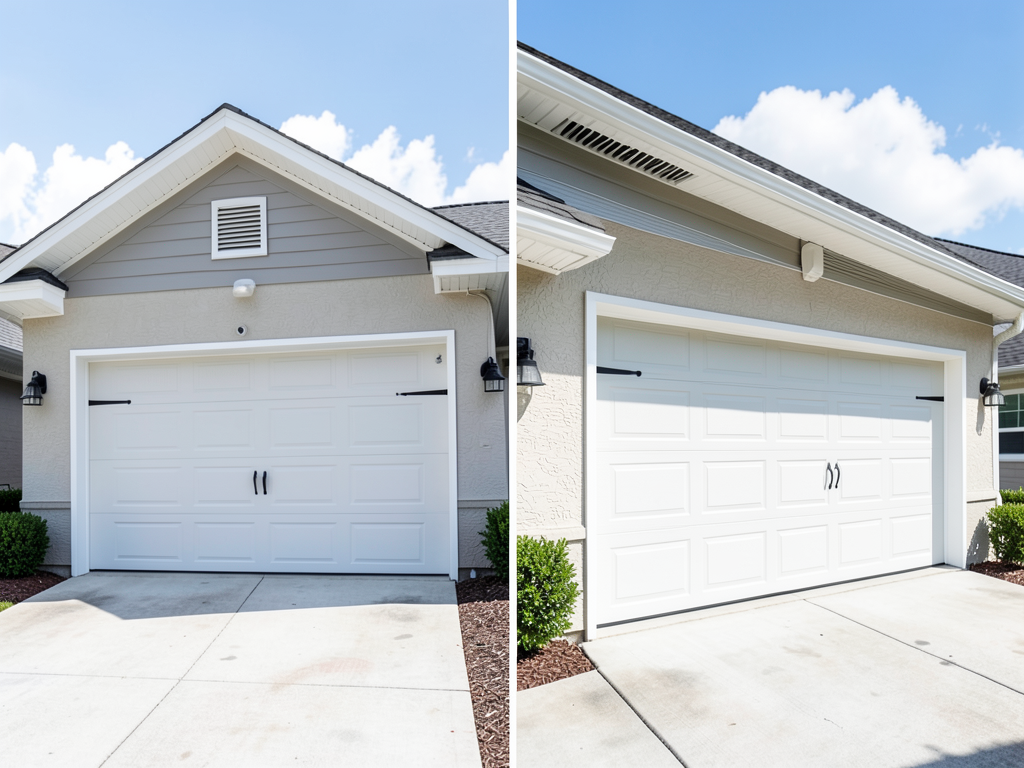
Photo showing professional installation of ridge vents and soffit ventilation on a detached garage in Lake Nona
Frequently Asked Questions
What’s the best roofing material for keeping a detached garage cool in Lake Nona?
Standing seam metal roofing with galvalume coating provides the best heat reduction, reflecting up to 75% of solar radiation and reducing interior temperatures by 25-35% compared to traditional materials.
How much does it cost to roof a typical detached garage in Lake Nona?
Costs range from $3,000-8,000 for a standard one-car garage, depending on material choice, with metal roofing at the higher end and architectural shingles at the lower end of that range.
Do I need permits for roofing a detached structure in Lake Nona?
Yes, Orange County requires permits for roofing work on detached structures. Permit fees typically range from $250-500 and ensure your project meets Florida Building Code requirements.
How long does roofing a detached garage take?
Most detached garage roofing projects in Lake Nona take 1-2 days for material installation, plus additional time for permitting and preparation if required.
Can I install a cool roof on my existing detached structure?
Yes, you can retrofit existing structures with cool roofing options like reflective coatings, radiant barriers, or replacement with reflective materials without complete reconstruction.
Photo showing before and after temperature comparison of a detached workshop with cool roofing installation
Ready to Keep Your Detached Structure Cool?
Don’t let Florida’s heat make your detached garage or workshop unusable. The right roofing system can transform these spaces into comfortable, energy-efficient areas that protect your belongings and add value to your property.
All Pro Roofing Orlando specializes in detached structure roofing solutions specifically designed for Lake Nona’s climate. Our team understands the unique challenges these buildings face and can recommend the perfect combination of materials, ventilation, and insulation for your specific needs.
Whether you’re building new, replacing an aging roof, or looking to improve energy efficiency, we provide free consultations and detailed proposals with no obligation. We handle everything from material selection to permit acquisition and final inspection.
Call (689) 268-2855 today to schedule your free consultation. Our team will assess your detached structure, discuss your cooling goals, and provide a detailed plan to keep your space comfortable year-round. Don’t wait until summer heat makes your garage unbearable – take action now and enjoy the benefits all year long.
Pick up the phone and call (689) 268-2855 before the next heat wave hits. Your comfort and energy savings are just one call away.
{
“@context”: “https://schema.org”,
“@type”: “BlogPosting”,
“headline”: “Keeping your detached garage or workshop cool with the right roofing in Lake Nona”,
“description”: “Discover how to keep your Lake Nona garage or workshop cool with the right roofing materials, ventilation, and installation techniques designed for Florida’s heat.”,
“wordCount”: 2343,
“datePublished”: “2026-05-19T06:53:00.000Z”,
“dateModified”: “2026-05-19T06:53:00.000Z”,
“inLanguage”: “en-US”,
“mainEntityOfPage”: {
“@type”: “WebPage”,
“@id”: “https://allproroofingorlando.com”
},
“publisher”: {
“@type”: “LocalBusiness”,
“name”: “All Pro Roofing Orlando”,
“url”: “https://allproroofingorlando.com”
},
“author”: {
“@type”: “Organization”,
“name”: “All Pro Roofing Orlando”,
“url”: “https://allproroofingorlando.com”
},
“image”: {
“@type”: “ImageObject”,
“url”: “https://allproroofingorlando.com/wp-content/uploads/2026/03/keeping-your-detached-garage-or-workshop-cool-with-1.png”
}
}
{
“@context”: “https://schema.org”,
“@type”: “RoofingContractor”,
“name”: “All Pro Roofing Orlando”,
“url”: “https://allproroofingorlando.com”,
“address”: {
“@type”: “PostalAddress”,
“addressLocality”: “Orlando”
},
“areaServed”: {
“@type”: “City”,
“name”: “Orlando”
}
}
{
“@context”: “https://schema.org”,
“@type”: “FAQPage”,
“mainEntity”: [
{
“@type”: “Question”,
“name”: “What’s the best roofing material for keeping a detached garage cool in Lake Nona?”,
“acceptedAnswer”: {
“@type”: “Answer”,
“text”: “Standing seam metal roofing with galvalume coating provides the best heat reduction, reflecting up to 75% of solar radiation and reducing interior temperatures by 25-35% compared to traditional materials.”
}
},
{
“@type”: “Question”,
“name”: “How much does it cost to roof a typical detached garage in Lake Nona?”,
“acceptedAnswer”: {
“@type”: “Answer”,
“text”: “Costs range from $3,000-8,000 for a standard one-car garage, depending on material choice, with metal roofing at the higher end and architectural shingles at the lower end of that range.”
}
},
{
“@type”: “Question”,
“name”: “Do I need permits for roofing a detached structure in Lake Nona?”,
“acceptedAnswer”: {
“@type”: “Answer”,
“text”: “Yes, Orange County requires permits for roofing work on detached structures. Permit fees typically range from $250-500 and ensure your project meets Florida Building Code requirements.”
}
},
{
“@type”: “Question”,
“name”: “How long does roofing a detached garage take?”,
“acceptedAnswer”: {
“@type”: “Answer”,
“text”: “Most detached garage roofing projects in Lake Nona take 1-2 days for material installation, plus additional time for permitting and preparation if required.”
}
},
{
“@type”: “Question”,
“name”: “Can I install a cool roof on my existing detached structure?”,
“acceptedAnswer”: {
“@type”: “Answer”,
“text”: “Yes, you can retrofit existing structures with cool roofing options like reflective coatings, radiant barriers, or replacement with reflective materials without complete reconstruction.”
}
},
{
“@type”: “Question”,
“name”: “Ready to Keep Your Detached Structure Cool?”,
“acceptedAnswer”: {
“@type”: “Answer”,
“text”: “Don’t let Florida’s heat make your detached garage or workshop unusable. The right roofing system can transform these spaces into comfortable, energy-efficient areas that protect your belongings and add value to your property.”
}
}
]
}
{
“@context”: “https://schema.org”,
“@type”: “HowTo”,
“name”: “Effective Garage Ventilation Setup”,
“step”: [
{
“@type”: “HowToStep”,
“position”: 1,
“name”: “Install Ridge Vents”,
“text”: “Continuous ridge vents allow hot air to escape from the highest point of your roof, creating natural convection currents that pull cooler air in through soffit vents.”
},
{
“@type”: “HowToStep”,
“position”: 2,
“name”: “Add Soffit Ventilation”,
“text”: “Install vented soffits along all eaves to ensure consistent airflow into the attic space, preventing hot spots and moisture buildup.”
},
{
“@type”: “HowToStep”,
“position”: 3,
“name”: “Consider Powered Attic Fans”,
“text”: “For workshops or garages where you need maximum cooling, thermostatically controlled attic fans can reduce temperatures by an additional 10-15 degrees.”
},
{
“@type”: “HowToStep”,
“position”: 4,
“name”: “Implement Radiant Barriers”,
“text”: “Install reflective radiant barriers under your roofing material to block up to 97% of radiant heat transfer into the structure.”
}
],
“image”: “https://allproroofingorlando.com/wp-content/uploads/2026/03/keeping-your-detached-garage-or-workshop-cool-with-1.png”
}
{
“@context”: “https://schema.org”,
“@type”: “BreadcrumbList”,
“itemListElement”: [
{
“@type”: “ListItem”,
“position”: 1,
“name”: “Home”,
“item”: “https://allproroofingorlando.com”
},
{
“@type”: “ListItem”,
“position”: 2,
“name”: “Blog”,
“item”: “https://allproroofingorlando.com/blog”
},
{
“@type”: “ListItem”,
“position”: 3,
“name”: “Keeping your detached garage or workshop cool with the right roofing in Lake Nona”
}
]
}
{
“@context”: “https://schema.org”,
“@type”: “Service”,
“serviceType”: “Roofing”,
“provider”: {
“@type”: “LocalBusiness”,
“name”: “All Pro Roofing Orlando”,
“url”: “https://allproroofingorlando.com”
},
“areaServed”: {
“@type”: “City”,
“name”: “Orlando”
},
“description”: “Discover how to keep your Lake Nona garage or workshop cool with the right roofing materials, ventilation, and installation techniques designed for Florida’s heat.”
}