
Finding a roof leak in your Winter Garden attic can feel overwhelming especially when water stains appear on your ceiling. The good news is that you can often locate the source yourself using a few simple techniques. This guide will walk you through the process step by step so you can identify the problem before it causes more damage.. Read more about Finding a Shingle Repair Expert in Orlo Vista Who Actually Shows Up.
Safety First: Precautions Before Entering Your Attic
Before you start your inspection remember that attics in Central Florida can reach temperatures over 130 degrees Fahrenheit during summer months. Wear protective gear including gloves safety glasses and a dust mask. Bring a flashlight and watch your step since attic floors are often just drywall or insulation beneath you. If you see electrical wires or extensive mold consider calling a professional instead. Florida Building Code Section 1203.
Central Florida building codes require proper attic ventilation to prevent moisture buildup. According to the Florida Building Code Section 1203 ventilation systems must maintain specific airflow rates to prevent condensation issues that can mimic roof leaks.
Essential Tools for DIY Roof Leak Detection
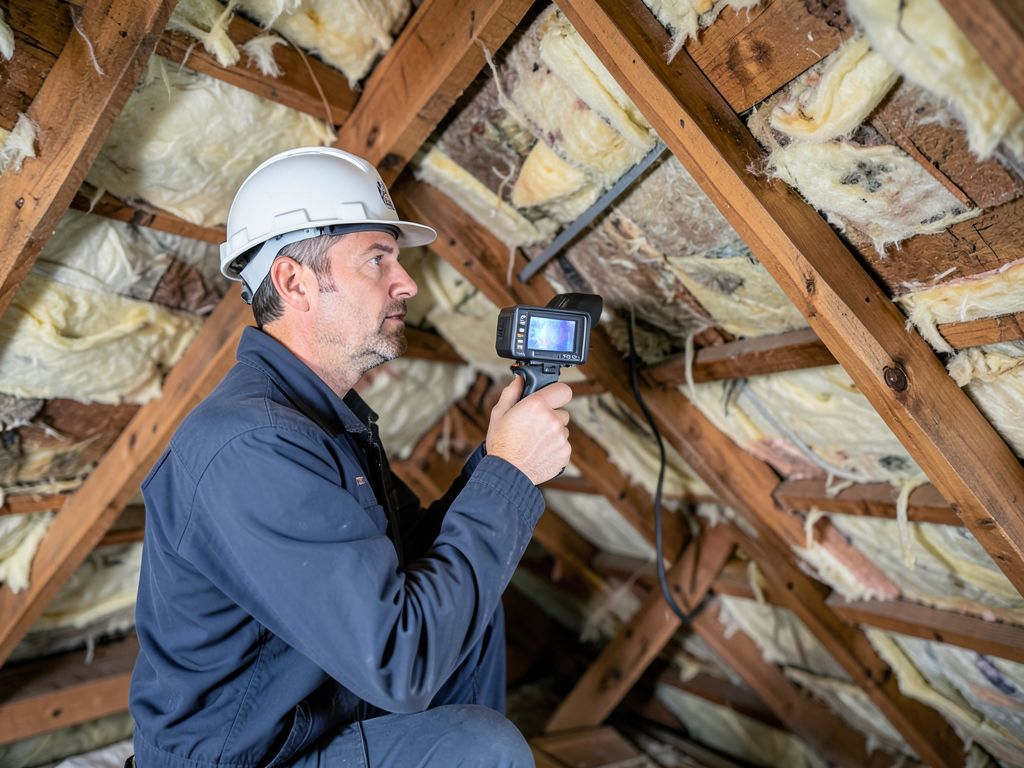
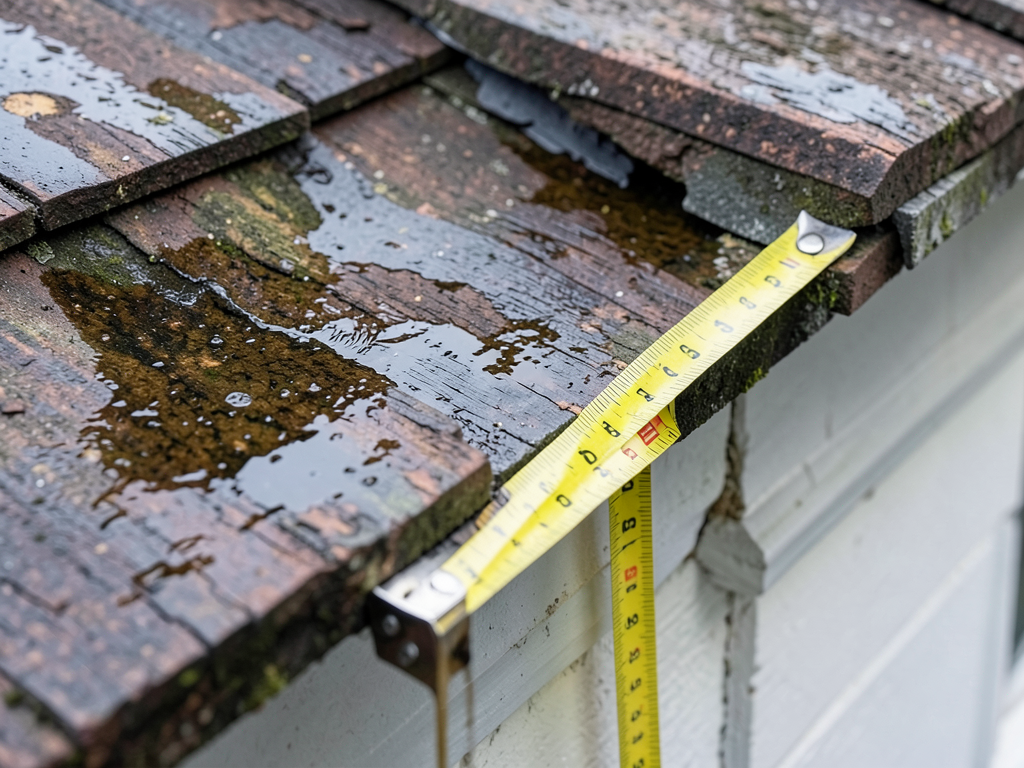
Start with basic equipment: a bright flashlight moisture meter and a digital camera or smartphone. For more thorough inspections you might want an infrared thermometer to check for temperature differences that indicate moisture. A measuring tape helps you track the exact location of stains from inside to outside. Reliable Roof Inspection Services for Home Buyers in Winter Garden.
Many Winter Garden homes built after 2010 include secondary water barriers under roof shingles as required by Florida’s enhanced windstorm provisions. This makes interior leak detection more challenging since water often travels along rafters before dripping down.
Step-by-Step Guide: Locating the Source from the Interior
- Clear the Inspection Area
Remove stored items and create a safe walking path using sturdy boards if needed. Look for obvious signs like wet insulation or water stains on rafters.
- Trace the Water Path
Water travels downhill so start at the ceiling stain and work upward. Measure the distance from the nearest wall to pinpoint the exterior location.
- Check Penetration Points
Examine areas around vents chimneys and skylights where roofing materials meet other structures. These are the most common leak sources in Winter Garden homes. Is Solar Roofing Actually Worth the Investment for Orlando Residents?.
- Test During or After Rain
The best time to find a leak is during active rainfall. If that’s not possible use a garden hose to simulate rain on the exterior while someone watches inside.
Method 1: The ‘Flashlight & Water Stain’ Technique
Start by examining your attic during daylight hours. Turn off all lights and look for pinpoints of daylight coming through the roof. These gaps often indicate missing shingles or damaged flashing. Use your flashlight to examine water stains on the underside of the roof deck. Fresh stains appear darker while older ones may have a yellow or brown tint.
Winter Garden’s clay soil can cause foundation shifting which may stress roof structures over time. Homes in the Tilden Groves area often experience this due to the region’s high water table affecting soil stability.
Method 2: Identifying ‘Shiners’ (Frost/Condensation issues)
‘Shiners’ are roofing nails that missed the framing lumber during installation. In Florida’s humid climate these exposed nails collect condensation creating drip marks that look like leaks. Check for rust streaks or water droplets on nail heads especially during humid mornings. Best Roofing Materials for Older Bungalows in Thornton Park.
Central Florida’s high humidity levels often cause attic condensation that homeowners mistake for roof leaks. The EPA recommends maintaining attic humidity below 60% to prevent moisture-related issues. EPA mold prevention guidelines.
Method 3: The Insulation Check
Wet insulation often reveals leak locations before visible ceiling damage occurs. Press gently on insulation in the suspected area. If it feels heavy or clumps together it’s likely wet. Remove the affected insulation to expose the ceiling drywall beneath which may show discoloration or soft spots.
Many Winter Garden homes use fiberglass batt insulation which holds water like a sponge. This can mask small leaks for weeks until the weight causes ceiling damage.
Common Culprits for Orlando Roof Leaks (Tile vs. Shingle)
Orlando’s diverse roofing materials require different inspection approaches. Tile roofs common in older Winter Garden neighborhoods often leak around the edges where tiles meet roof penetrations. The mortar between tiles can crack allowing water to seep underneath. Choosing Between Shingle and Tile Roofs for Your Central Florida Home.
Asphalt shingle roofs which dominate newer developments are prone to wind damage especially in areas near Lake Apopka where wind patterns can be unpredictable. Missing or damaged shingles often expose the underlayment to water infiltration.
Metal roofs popular for their longevity can develop leaks at seam connections or around fasteners. The thermal expansion and contraction in Florida’s climate causes these connections to loosen over time.
| Roof Type | Common Leak Locations | Inspection Focus |
|---|---|---|
| Clay Tile | Tile edges mortar joints | Crack patterns under tiles |
| Asphalt Shingle | Missing shingles flashing | Granule loss wind damage |
| Metal | Seams fasteners | Corrosion expansion gaps |
When the Search Ends: Temporary Fixes vs. Professional Repair
If you find the leak source you might be tempted to apply a quick fix. For small issues like a missing shingle or minor flashing damage you can use roofing cement as a temporary measure. However these are just Band-Aids that won’t address underlying problems.
Professional repair becomes necessary when you discover extensive damage structural issues or if the leak source remains elusive. Licensed roofers have moisture meters thermal imaging cameras and the experience to spot problems that homeowners miss.. Read more about Why 6-Inch Gutters are Necessary for the Heavy Downpours in South Semoran.
Florida law requires roofing contractors to carry specific insurance coverage and licensing through the Florida Department of Business and Professional Regulation. Always verify credentials before hiring any contractor.
Frequently Asked Questions about Florida Roof Leaks
How can I tell if my attic moisture is from a leak or condensation?
Condensation typically appears as uniform dampness on multiple surfaces especially during temperature changes. A roof leak usually creates a concentrated wet spot that grows over time. Use a moisture meter to test suspect areas. Readings above 20% indicate active moisture problems.
Should I inspect my attic during a storm?
Only if you can do so safely. Many Winter Garden homeowners inspect during afternoon thunderstorms since that’s when most leaks become apparent. Use a battery-powered light never candles or gas lanterns in an attic. If thunder is audible stay on the ground floor.
How long can a small roof leak go unnoticed?
In Florida’s humid climate mold can begin growing within 24-48 hours of water exposure. A small leak might hide behind insulation for months before causing visible damage. By then you could have wood rot mold infestation and compromised insulation requiring extensive repairs.
Will my homeowner’s insurance cover roof leak repairs?
Coverage depends on the cause. Sudden damage from storms is typically covered while gradual deterioration from lack of maintenance usually isn’t. Document the leak with photos and keep all inspection records. Many policies now require proof of regular roof maintenance for coverage eligibility.
Emergency Tarping Services in Orlando
When you discover an active leak during Florida’s storm season you need immediate protection. Emergency tarping prevents further water damage while you arrange permanent repairs. Professional tarping services can typically respond within 2-4 hours during business hours. Emergency Tarping Service.
Central Florida’s afternoon thunderstorm pattern means leaks discovered at 3 PM might cause extensive damage by 7 PM if not addressed. Quick response times are crucial during hurricane season when multiple service calls can overwhelm local contractors.
Professional Leak Detection Technology
Modern leak detection goes beyond visual inspection. Thermal imaging cameras can detect temperature differences caused by moisture behind walls and under roofing materials. Electronic moisture meters measure water content in wood and drywall with precision. Some technicians use smoke pencils to trace air movement that indicates hidden gaps.
Professional roofers often combine multiple detection methods since water can travel horizontally along roof decks before finding a path into your home. What appears to be a small stain might indicate a much larger problem elsewhere on your roof.
Call (689) 268-2855 today to schedule your inspection. Our experienced technicians can locate even the most elusive leaks using advanced diagnostic tools. Don’t wait for minor damage to become a major repair project.
Preventing Future Leaks in Your Winter Garden Home
Regular roof maintenance prevents most leak problems. Schedule annual inspections especially after hurricane season. Keep gutters clean to prevent water backup. Trim trees near your roof to reduce debris accumulation and prevent branch damage during storms.
Winter Garden’s proximity to Lake Apopka creates unique wind patterns that can stress roof edges and corners. Homes in the historic district often need more frequent inspections due to their age and the thermal stress from Florida’s intense sun.
Consider upgrading to impact-resistant shingles if you’re replacing your roof. These materials withstand Florida’s severe weather better and may qualify for insurance discounts in high-risk areas.
Remember that finding a leak is just the first step. Proper repair requires addressing both the immediate problem and any underlying issues that allowed the leak to develop. Whether you choose DIY inspection or professional service acting quickly prevents minor problems from becoming major expenses.
For reliable roof leak detection and repair services in Winter Garden call (689) 268-2855. Our team understands Central Florida’s unique roofing challenges and provides lasting solutions backed by industry best practices and local building code compliance.
Don’t let a small leak turn into a big problem. Pick up the phone and call (689) 268-2855 before the next storm hits. Your home deserves protection from professionals who know Orlando roofing inside and out.
{
“@context”: “https://schema.org”,
“@type”: “BlogPosting”,
“headline”: “Easy ways to find where your roof is leaking in your Winter Garden attic”,
“description”: “Discover how to locate roof leaks in your Winter Garden attic using simple DIY methods. Learn to spot water stains, check insulation, and identify common Florida leak sources.”,
“wordCount”: 1600,
“datePublished”: “2026-04-08T06:23:00.000Z”,
“dateModified”: “2026-04-08T06:23:00.000Z”,
“inLanguage”: “en-US”,
“mainEntityOfPage”: {
“@type”: “WebPage”,
“@id”: “https://allproroofingorlando.com”
},
“publisher”: {
“@type”: “LocalBusiness”,
“name”: “All Pro Roofing Orlando”,
“url”: “https://allproroofingorlando.com”
},
“author”: {
“@type”: “Organization”,
“name”: “All Pro Roofing Orlando”,
“url”: “https://allproroofingorlando.com”
},
“image”: {
“@type”: “ImageObject”,
“url”: “https://allproroofingorlando.com/wp-content/uploads/2026/03/easy-ways-to-find-where-your-roof-is-leaking-in-yo-1.png”
}
}
{
“@context”: “https://schema.org”,
“@type”: “RoofingContractor”,
“name”: “All Pro Roofing Orlando”,
“url”: “https://allproroofingorlando.com”,
“address”: {
“@type”: “PostalAddress”,
“addressLocality”: “Orlando”
},
“areaServed”: {
“@type”: “City”,
“name”: “Orlando”
}
}
{
“@context”: “https://schema.org”,
“@type”: “FAQPage”,
“mainEntity”: [
{
“@type”: “Question”,
“name”: “How can I tell if my attic moisture is from a leak or condensation?”,
“acceptedAnswer”: {
“@type”: “Answer”,
“text”: “Condensation typically appears as uniform dampness on multiple surfaces especially during temperature changes. A roof leak usually creates a concentrated wet spot that grows over time. Use a moisture meter to test suspect areas. Readings above 20% indicate active moisture problems.”
}
},
{
“@type”: “Question”,
“name”: “Should I inspect my attic during a storm?”,
“acceptedAnswer”: {
“@type”: “Answer”,
“text”: “Only if you can do so safely. Many Winter Garden homeowners inspect during afternoon thunderstorms since that’s when most leaks become apparent. Use a battery-powered light never candles or gas lanterns in an attic. If thunder is audible stay on the ground floor.”
}
},
{
“@type”: “Question”,
“name”: “How long can a small roof leak go unnoticed?”,
“acceptedAnswer”: {
“@type”: “Answer”,
“text”: “In Florida’s humid climate mold can begin growing within 24-48 hours of water exposure. A small leak might hide behind insulation for months before causing visible damage. By then you could have wood rot mold infestation and compromised insulation requiring extensive repairs.”
}
},
{
“@type”: “Question”,
“name”: “Will my homeowner’s insurance cover roof leak repairs?”,
“acceptedAnswer”: {
“@type”: “Answer”,
“text”: “Coverage depends on the cause. Sudden damage from storms is typically covered while gradual deterioration from lack of maintenance usually isn’t. Document the leak with photos and keep all inspection records. Many policies now require proof of regular roof maintenance for coverage eligibility.”
}
}
]
}
{
“@context”: “https://schema.org”,
“@type”: “HowTo”,
“name”: “How to Find a Roof Leak”,
“step”: [
{
“@type”: “HowToStep”,
“position”: 1,
“name”: “Clear the Inspection Area”,
“text”: “Remove stored items and create a safe walking path using sturdy boards if needed. Look for obvious signs like wet insulation or water stains on rafters.”
},
{
“@type”: “HowToStep”,
“position”: 2,
“name”: “Trace the Water Path”,
“text”: “Water travels downhill so start at the ceiling stain and work upward. Measure the distance from the nearest wall to pinpoint the exterior location.”
},
{
“@type”: “HowToStep”,
“position”: 3,
“name”: “Check Penetration Points”,
“text”: “Examine areas around vents chimneys and skylights where roofing materials meet other structures. These are the most common leak sources in Winter Garden homes. Is Solar Roofing Actually Worth the Investment for Orlando Residents?.”
},
{
“@type”: “HowToStep”,
“position”: 4,
“name”: “Test During or After Rain”,
“text”: “The best time to find a leak is during active rainfall. If that’s not possible use a garden hose to simulate rain on the exterior while someone watches inside.”
}
],
“image”: “https://allproroofingorlando.com/wp-content/uploads/2026/03/easy-ways-to-find-where-your-roof-is-leaking-in-yo-1.png”
}
{
“@context”: “https://schema.org”,
“@type”: “BreadcrumbList”,
“itemListElement”: [
{
“@type”: “ListItem”,
“position”: 1,
“name”: “Home”,
“item”: “https://allproroofingorlando.com”
},
{
“@type”: “ListItem”,
“position”: 2,
“name”: “Blog”,
“item”: “https://allproroofingorlando.com/blog”
},
{
“@type”: “ListItem”,
“position”: 3,
“name”: “Easy ways to find where your roof is leaking in your Winter Garden attic”
}
]
}
{
“@context”: “https://schema.org”,
“@type”: “Service”,
“serviceType”: “Roofing”,
“provider”: {
“@type”: “LocalBusiness”,
“name”: “All Pro Roofing Orlando”,
“url”: “https://allproroofingorlando.com”
},
“areaServed”: {
“@type”: “City”,
“name”: “Orlando”
},
“description”: “Discover how to locate roof leaks in your Winter Garden attic using simple DIY methods. Learn to spot water stains, check insulation, and identify common Florida leak sources.”
}