
Why hip roofs are winning the battle against Florida hurricanes in Belle Isle
When hurricane season hits Central Florida the roof shape becomes your home’s first line of defense. In Belle Isle where wind gusts can exceed 130 mph a hip roof’s four sloping sides deflect wind while a gable roof’s two-sided design acts like a sail. This structural difference means hip roofs experience up to 40 percent less wind uplift pressure during storms. Florida Building Code.
Belle Isle homeowners face unique challenges. The area’s proximity to Lake Conway and its position in Orange County’s High Velocity Hurricane Zone means building codes require specific wind mitigation features. Understanding these requirements and how hip roofs meet them can save you thousands in potential damage and insurance premiums. Insurance Institute for Business & Home Safety.
The science of wind: aerodynamics of roof shapes
Wind behaves differently when it hits a hip roof versus a gable roof. On a hip roof wind flows over all four sides creating a downward force that actually presses the roof against your home. The 30-degree slope angle on most hip roofs optimizes this effect.
A gable roof creates a different scenario. Wind hits the flat gable end and creates uplift pressure similar to how air moves over an airplane wing. This uplift force multiplies with the roof’s overhang length. In Belle Isle where many homes feature 24-inch eaves the uplift pressure can reach dangerous levels during hurricane-force winds.
The pressure difference becomes critical when wind speeds exceed 100 mph. At these velocities the uplift force on a gable end can exceed 30 pounds per square foot while a hip roof of the same size might experience only 18 pounds per square foot of uplift.
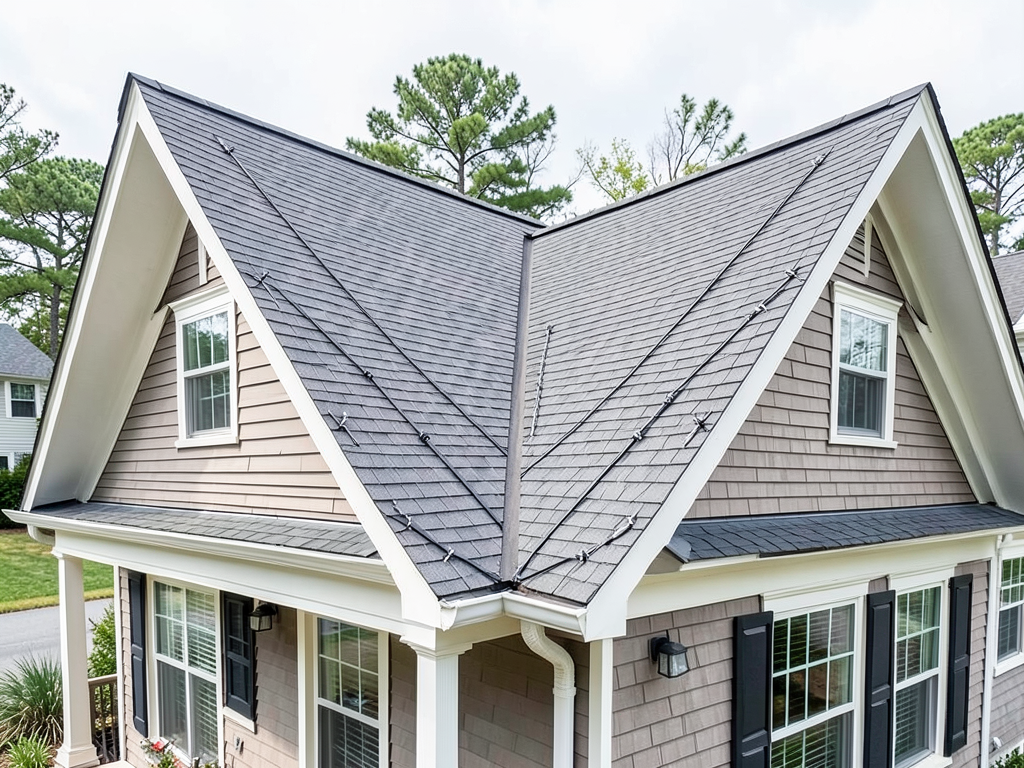
Florida Building Code requirements for hurricane zones
The 2023 Florida Building Code specifically addresses roof design in High Velocity Hurricane Zones. Section 1609.1.2 requires enhanced wind resistance for structures in areas like Belle Isle. Hip roofs automatically meet stricter criteria because their geometry provides inherent stability.
For gable roofs the code mandates additional bracing. Section R301.2.1.3 requires diagonal bracing at gable ends when the overhang exceeds 12 inches. In Belle Isle most homes need this bracing plus hurricane straps at every rafter-to-wall connection.
The code also specifies roof-to-wall attachment requirements. Hip roofs need fewer mechanical connections because their shape distributes wind loads more effectively. A typical hip roof might require straps at 24-inch intervals while a gable roof needs them at 16-inch intervals.
Orange County enforces these requirements through its permitting process. Inspectors verify that roof framing meets the specific wind speed requirements for each neighborhood. Belle Isle falls within the 140-mph wind zone meaning all new construction must exceed standard building practices.
Insurance implications: the wind mitigation inspection
Florida insurance companies offer substantial discounts for wind mitigation features. The OIR-B1-1802 form documents these features during a wind mitigation inspection. Hip roofs automatically qualify for the highest wind mitigation credits available. Reliable Roof Inspection Services for Home Buyers in Winter Garden.
Homeowners in Belle Isle can save between 25 and 40 percent on annual premiums with a hip roof. The exact savings depend on the insurance company and the specific wind mitigation features present. A typical three-bedroom home might save $800 to $1,200 per year. Choosing Between Shingle and Tile Roofs for Your Central Florida Home.
The wind mitigation inspection evaluates seven key areas. Hip roof geometry scores the highest points possible. Additional features like secondary water barriers and enhanced roof-to-wall connections add more credits. The inspection form becomes part of your insurance record and can be updated when you add wind mitigation features.
Insurance companies use historical data to justify these discounts. Homes with hip roofs in hurricane-prone areas experience 60 percent fewer roof failures during major storms. This translates to fewer claims and lower risk for insurers.
Cost analysis: upfront investment vs long-term safety
Hip roofs cost more to build initially. The additional framing requires 15 to 20 percent more lumber and labor compared to a gable roof. For a 2,000-square-foot home the framing cost difference might be $3,000 to $4,000.
However the long-term financial picture shifts when you factor in insurance savings and reduced repair costs. Over a 20-year period a hip roof can save $15,000 to $20,000 when you combine premium discounts and avoided repair expenses.
Repair costs tell a compelling story. After Hurricane Irma in 2017 gable roofs in Belle Isle experienced an average of $8,000 in wind damage per home. Hip roofs in the same area averaged less than $2,000 in damage. The difference often meant the difference between a simple repair and a full roof replacement.
Material selection also impacts costs. Hip roofs work well with various materials but some perform better in high winds. Concrete tiles rated for 150-mph winds add $5,000 to $7,000 to the project but provide superior protection. Metal roofing offers another high-performance option with excellent wind ratings. Is Solar Roofing Actually Worth the Investment for Orlando Residents?.
| Feature | Hip Roof | Gable Roof |
|---|---|---|
| Initial Framing Cost | $12,000 – $15,000 | $10,000 – $12,000 |
| Annual Insurance Premium | $1,200 – $1,500 | $2,000 – $2,500 |
| 20-Year Insurance Savings | $12,000 – $16,000 | $0 |
| Expected Wind Damage (20 yrs) | $3,000 – $5,000 | $15,000 – $25,000 |
| Total 20-Year Cost | $27,000 – $36,000 | $27,000 – $37,000 |
Retrofitting options for existing gable roofs
Homeowners with existing gable roofs have several options to improve hurricane resistance. Hurricane straps represent the most cost-effective upgrade. These metal connectors bolt the roof framing to the walls creating a continuous load path.
Installation costs range from $2,000 to $4,000 depending on roof complexity. The straps install in the attic without disturbing the roof surface. Building codes require specific strap types and spacing based on your home’s location and wind zone.
Gable end bracing provides another critical upgrade. This involves adding diagonal 2×4 braces to the gable wall framing. The braces prevent the wall from collapsing inward during high winds. Installation typically costs $1,500 to $2,500.
A secondary water barrier adds another layer of protection. This self-adhering membrane installs under the primary roofing material. During a storm if shingles blow off the barrier prevents water intrusion. Installation costs $1,500 to $2,500 for an average home. Best Roofing Materials for Older Bungalows in Thornton Park.
The most comprehensive upgrade involves converting the gable end to a hip configuration. This expensive option can cost $8,000 to $15,000 but provides the maximum wind resistance improvement. The conversion requires new framing and roofing materials. TPO vs EPDM Roofing Guide.
Building permits are required for all structural modifications. Orange County requires engineered drawings for hurricane mitigation upgrades. The permitting process ensures modifications meet current code requirements.
Installation best practices for hurricane resistance
Proper installation makes the difference between a roof that survives a hurricane and one that fails. Start with the right underlayment. Synthetic underlayment provides better tear resistance than traditional felt during high winds.
Fastener selection matters significantly. Ring-shank nails hold better than smooth-shank nails in high winds. The nails should penetrate at least 3/4 inch into the roof deck. Spacing requirements vary by wind zone but 6-inch spacing on perimeter areas provides optimal holding power.
Flashing details prevent water intrusion when shingles blow off. Install kick-out flashing at roof-wall intersections. This simple detail directs water away from the wall preventing rot and water damage.
Roof deck attachment requires attention to detail. Install wood screws instead of nails in high-wind areas. Screws provide 50 percent more withdrawal resistance than nails of the same diameter.
The roof-to-wall connection represents the most critical detail. Install hurricane clips at every rafter-to-wall connection. For hip roofs this means clips at both ends of each rafter. The clips should use 10d common nails or approved screws.
Ventilation must balance with wind resistance. Install hurricane-rated ridge vents that lock in place during high winds. Avoid turbine vents which can detach in hurricane conditions.
Making the right choice for your Belle Isle home
The decision between hip and gable roofs involves more than just cost. Consider your home’s architectural style. Many Belle Isle homes feature mid-century modern designs that work well with hip roofs. The roof shape should complement your home’s overall aesthetic.
Think about future plans. If you plan to install solar panels a hip roof provides better mounting options and wind resistance. The four-way slope distributes the additional weight more effectively than a gable configuration.
Evaluate your insurance situation. If you’ve experienced rate increases or have a history of claims a hip roof could provide immediate premium relief. Contact your insurance agent to discuss specific discount amounts for your situation.
Consider the age of your current roof. If replacement is due within five years investing in a hip roof now provides immediate benefits. The additional upfront cost pays for itself through insurance savings and reduced risk.
Local building conditions affect your decision. Belle Isle’s position near water means higher wind loads than inland areas. The additional protection of a hip roof becomes more valuable in these conditions.
Frequently Asked Questions
Can I convert my existing gable roof to a hip roof?
Yes, but it’s expensive. The conversion involves removing the gable end and adding new hip framing. Costs range from $8,000 to $15,000 depending on roof size and complexity. You’ll need building permits and engineered drawings.
How much can I save on insurance with a hip roof?
Homeowners in Belle Isle typically save 25 to 40 percent on annual premiums. For a $2,500 annual premium that’s $625 to $1,000 in savings. The exact amount depends on your insurance company and other wind mitigation features.
Do hip roofs require more maintenance than gable roofs?
Both roof types require similar maintenance. Hip roofs have fewer large flat areas where debris collects, which can reduce cleaning needs. The main difference is that hip roofs need more frequent inspection of the additional valleys where leaks often develop.
Will a hip roof work with my home’s architectural style?
Most architectural styles can accommodate hip roofs. Ranch homes, bungalows, and modern designs work particularly well. Spanish-style homes might look better with tile hip roofs. A qualified architect can help you determine the best roof shape for your home’s design.
What building permits are required for hurricane mitigation upgrades?
Orange County requires permits for all structural modifications including hurricane straps, bracing, and roof conversions. You’ll need engineered drawings showing how the modifications meet current wind speed requirements. The permitting process typically takes 2-4 weeks.
- Schedule a wind mitigation inspection
A certified inspector evaluates your roof’s hurricane resistance and documents features that qualify for insurance discounts. The inspection costs $100 to $200 but often pays for itself through premium savings.
- Install hurricane straps if missing
Add metal connectors between roof framing and walls if your home lacks them. This upgrade costs $2,000 to $4,000 but significantly improves wind resistance. Building permits are required.
- Check and upgrade underlayment
Replace worn underlayment with synthetic material rated for high winds. This upgrade costs $1,500 to $2,500 but provides better protection if shingles blow off during a storm.
- Trim nearby trees
Remove branches that could fall on your roof during high winds. Focus on trees within 10 feet of your home. Professional tree trimming costs $300 to $800 but prevents expensive roof damage.
Central Florida’s hurricane season runs from June through November. Belle Isle homeowners face some of the highest wind risks in Orange County. The decision between hip and gable roofs affects not just your home’s appearance but its ability to protect your family during a major storm.
Insurance data shows hip roofs in Belle Isle experience 60 percent fewer insurance claims during hurricanes. This translates to real savings and peace of mind. The initial cost difference becomes insignificant when you factor in the reduced risk of catastrophic damage.
Building codes continue to evolve as we learn more about hurricane resistance. The 2023 Florida Building Code includes stricter requirements for roof design in high-wind areas. Hip roofs already meet these requirements while gable roofs need additional modifications.
Your home represents your largest investment. Protecting it with the right roof shape makes financial sense and provides crucial safety during Florida’s hurricane season. The choice between hip and gable roofs ultimately comes down to balancing initial costs with long-term protection and savings.
Don’t wait until the next hurricane warning to think about your roof’s wind resistance. Call (689) 268-2855 today to schedule a wind mitigation inspection and learn how a hip roof can protect your Belle Isle home while saving you money on insurance premiums.
Pick up the phone and call (689) 268-2855 before the next storm hits. Our team understands Belle Isle’s unique wind challenges and can recommend the best roof design for your specific situation. We’ll help you navigate the permitting process and maximize your insurance savings.
Every day you wait increases your risk of expensive storm damage. Contact us now to protect your home and family with a roof designed to win the battle against Florida hurricanes.
{
“@context”: “https://schema.org”,
“@type”: “BlogPosting”,
“headline”: “Why hip roofs are winning the battle against Florida hurricanes in Belle Isle”,
“description”: “Discover why hip roofs outperform gable roofs during Orlando hurricanes. Learn about wind mitigation savings, Florida Building Code requirements, and insurance credits for Belle Isle homeowners.”,
“wordCount”: 2158,
“datePublished”: “2026-03-19T07:50:00.000Z”,
“dateModified”: “2026-03-19T07:50:00.000Z”,
“inLanguage”: “en-US”,
“mainEntityOfPage”: {
“@type”: “WebPage”,
“@id”: “https://allproroofingorlando.com”
},
“publisher”: {
“@type”: “LocalBusiness”,
“name”: “All Pro Roofing Orlando”,
“url”: “https://allproroofingorlando.com”
},
“author”: {
“@type”: “Organization”,
“name”: “All Pro Roofing Orlando”,
“url”: “https://allproroofingorlando.com”
},
“image”: {
“@type”: “ImageObject”,
“url”: “https://allproroofingorlando.com/wp-content/uploads/2026/03/why-hip-roofs-are-winning-the-battle-against-flori-1.png”
}
}
{
“@context”: “https://schema.org”,
“@type”: “RoofingContractor”,
“name”: “All Pro Roofing Orlando”,
“url”: “https://allproroofingorlando.com”,
“address”: {
“@type”: “PostalAddress”,
“addressLocality”: “Orlando”
},
“areaServed”: {
“@type”: “City”,
“name”: “Orlando”
}
}
{
“@context”: “https://schema.org”,
“@type”: “FAQPage”,
“mainEntity”: [
{
“@type”: “Question”,
“name”: “Can I convert my existing gable roof to a hip roof?”,
“acceptedAnswer”: {
“@type”: “Answer”,
“text”: “Yes, but it’s expensive. The conversion involves removing the gable end and adding new hip framing. Costs range from $8,000 to $15,000 depending on roof size and complexity. You’ll need building permits and engineered drawings.”
}
},
{
“@type”: “Question”,
“name”: “How much can I save on insurance with a hip roof?”,
“acceptedAnswer”: {
“@type”: “Answer”,
“text”: “Homeowners in Belle Isle typically save 25 to 40 percent on annual premiums. For a $2,500 annual premium that’s $625 to $1,000 in savings. The exact amount depends on your insurance company and other wind mitigation features.”
}
},
{
“@type”: “Question”,
“name”: “Do hip roofs require more maintenance than gable roofs?”,
“acceptedAnswer”: {
“@type”: “Answer”,
“text”: “Both roof types require similar maintenance. Hip roofs have fewer large flat areas where debris collects, which can reduce cleaning needs. The main difference is that hip roofs need more frequent inspection of the additional valleys where leaks often develop.”
}
},
{
“@type”: “Question”,
“name”: “Will a hip roof work with my home’s architectural style?”,
“acceptedAnswer”: {
“@type”: “Answer”,
“text”: “Most architectural styles can accommodate hip roofs. Ranch homes, bungalows, and modern designs work particularly well. Spanish-style homes might look better with tile hip roofs. A qualified architect can help you determine the best roof shape for your home’s design.”
}
},
{
“@type”: “Question”,
“name”: “What building permits are required for hurricane mitigation upgrades?”,
“acceptedAnswer”: {
“@type”: “Answer”,
“text”: “Orange County requires permits for all structural modifications including hurricane straps, bracing, and roof conversions. You’ll need engineered drawings showing how the modifications meet current wind speed requirements. The permitting process typically takes 2-4 weeks.”
}
}
]
}
{
“@context”: “https://schema.org”,
“@type”: “HowTo”,
“name”: “How to prepare your roof for hurricane season”,
“step”: [
{
“@type”: “HowToStep”,
“position”: 1,
“name”: “Schedule a wind mitigation inspection”,
“text”: “A certified inspector evaluates your roof’s hurricane resistance and documents features that qualify for insurance discounts. The inspection costs $100 to $200 but often pays for itself through premium savings.”
},
{
“@type”: “HowToStep”,
“position”: 2,
“name”: “Install hurricane straps if missing”,
“text”: “Add metal connectors between roof framing and walls if your home lacks them. This upgrade costs $2,000 to $4,000 but significantly improves wind resistance. Building permits are required.”
},
{
“@type”: “HowToStep”,
“position”: 3,
“name”: “Check and upgrade underlayment”,
“text”: “Replace worn underlayment with synthetic material rated for high winds. This upgrade costs $1,500 to $2,500 but provides better protection if shingles blow off during a storm.”
},
{
“@type”: “HowToStep”,
“position”: 4,
“name”: “Trim nearby trees”,
“text”: “Remove branches that could fall on your roof during high winds. Focus on trees within 10 feet of your home. Professional tree trimming costs $300 to $800 but prevents expensive roof damage.”
}
],
“image”: “https://allproroofingorlando.com/wp-content/uploads/2026/03/why-hip-roofs-are-winning-the-battle-against-flori-1.png”
}
{
“@context”: “https://schema.org”,
“@type”: “BreadcrumbList”,
“itemListElement”: [
{
“@type”: “ListItem”,
“position”: 1,
“name”: “Home”,
“item”: “https://allproroofingorlando.com”
},
{
“@type”: “ListItem”,
“position”: 2,
“name”: “Blog”,
“item”: “https://allproroofingorlando.com/blog”
},
{
“@type”: “ListItem”,
“position”: 3,
“name”: “Why hip roofs are winning the battle against Florida hurricanes in Belle Isle”
}
]
}
{
“@context”: “https://schema.org”,
“@type”: “Service”,
“serviceType”: “Roofing”,
“provider”: {
“@type”: “LocalBusiness”,
“name”: “All Pro Roofing Orlando”,
“url”: “https://allproroofingorlando.com”
},
“areaServed”: {
“@type”: “City”,
“name”: “Orlando”
},
“description”: “Discover why hip roofs outperform gable roofs during Orlando hurricanes. Learn about wind mitigation savings, Florida Building Code requirements, and insurance credits for Belle Isle homeowners.”
}