
The hidden risks of roofing overlays for older homes in Eatonville
Roofing overlays seem like a quick fix for aging homes in Eatonville but they often create bigger problems than they solve. Many homeowners see the lower upfront cost and skip the full tear-off without understanding the structural risks hiding beneath their shingles. Is Solar Roofing Actually Worth the Investment for Orlando Residents?.
In Eatonville’s historic neighborhoods built before the 1970s roof trusses weren’t designed to handle the weight of multiple shingle layers. The Florida Building Code limits homes to two layers maximum and requires full removal when repairs exceed 25 percent of the roof area. These aren’t just suggestions—they’re safety requirements that protect your home from catastrophic failure during hurricane season. Florida Building Code.
Why overlays trap moisture in Eatonville’s humid climate
The real danger starts with moisture. Eatonville’s high humidity creates the perfect environment for trapped water between shingle layers. When warm air from your attic meets the cooler surface of an old roof deck condensation forms. This moisture has nowhere to escape when trapped under a new layer of shingles. Choosing Between Shingle and Tile Roofs for Your Central Florida Home.
Over time this trapped moisture causes wood rot in the roof deck. The first sign homeowners notice is a spongy feeling when walking on certain sections of the roof. By then the damage extends beyond the surface. Rotted decking compromises your roof’s structural integrity making it vulnerable to wind uplift during storms.
Black mold often grows in these moist environments. The mold doesn’t just stay in your attic—it spreads through your ventilation system affecting indoor air quality throughout your home. This creates health risks for your family and expensive remediation costs that far exceed the savings from choosing an overlay.
Florida Building Code violations you might not know about
Section 1504.1.6 of the Florida Building Code specifically addresses roof recover installations. The code requires a structural evaluation before adding new roofing materials to ensure the existing framing can support the additional weight. Many older Eatonville homes fail this evaluation. Best Roofing Materials for Older Bungalows in Thornton Park.
The 25 percent rule creates another compliance issue. If more than 25 percent of your roof requires repair or replacement within a 12-month period the entire roof must be brought up to current code standards. This means a full tear-off becomes mandatory regardless of your initial plans.
Permit requirements in Orange County add another layer of complexity. Roofing overlays still require permits and inspections. Skipping this process might save money upfront but creates liability issues if your roof fails during a storm. Insurance companies often deny claims for unpermitted work leaving homeowners responsible for thousands in damages. Reliable Roof Inspection Services for Home Buyers in Winter Garden.
The weight problem most homeowners never consider
Asphalt shingles weigh approximately 2.5 to 4 pounds per square foot. A typical Eatonville home has about 1,500 to 2,000 square feet of roof area. Adding a second layer increases the load on your roof trusses by 3,000 to 8,000 pounds.
Older homes in Eatonville’s historic districts were built with lighter materials and smaller lumber dimensions than modern construction. The original roof trusses were designed for a single layer of shingles plus a small safety margin. This margin disappears when you add another layer.
During a hurricane the additional weight becomes dangerous. High winds create uplift forces that try to lift your roof off the house. A compromised structure with excess weight is more likely to fail. The combination of moisture damage and additional weight creates a perfect storm scenario for roof collapse.
Hidden costs that make overlays more expensive long-term
The initial savings from an overlay disappears when you factor in the hidden costs. First there’s the shortened lifespan. Overlays typically last 10 to 12 years compared to 20 to 25 years for a properly installed tear-off roof. This means you’ll replace your roof twice as often.
Repair costs increase significantly with overlays. When leaks occur finding the source becomes difficult because water travels between layers. What starts as a small leak often requires extensive repairs to both the overlay and the original roof system underneath.
Insurance premiums can increase or coverage can be denied entirely for homes with multiple shingle layers. Some insurance companies view overlays as a higher risk and either charge more or require a full tear-off before issuing or renewing a policy.
Property values also take a hit. Home inspectors flag multiple shingle layers as a defect. Potential buyers see this as a future expense and either demand a price reduction or walk away from the deal entirely.
Diagnostic signs your roof already has overlay damage
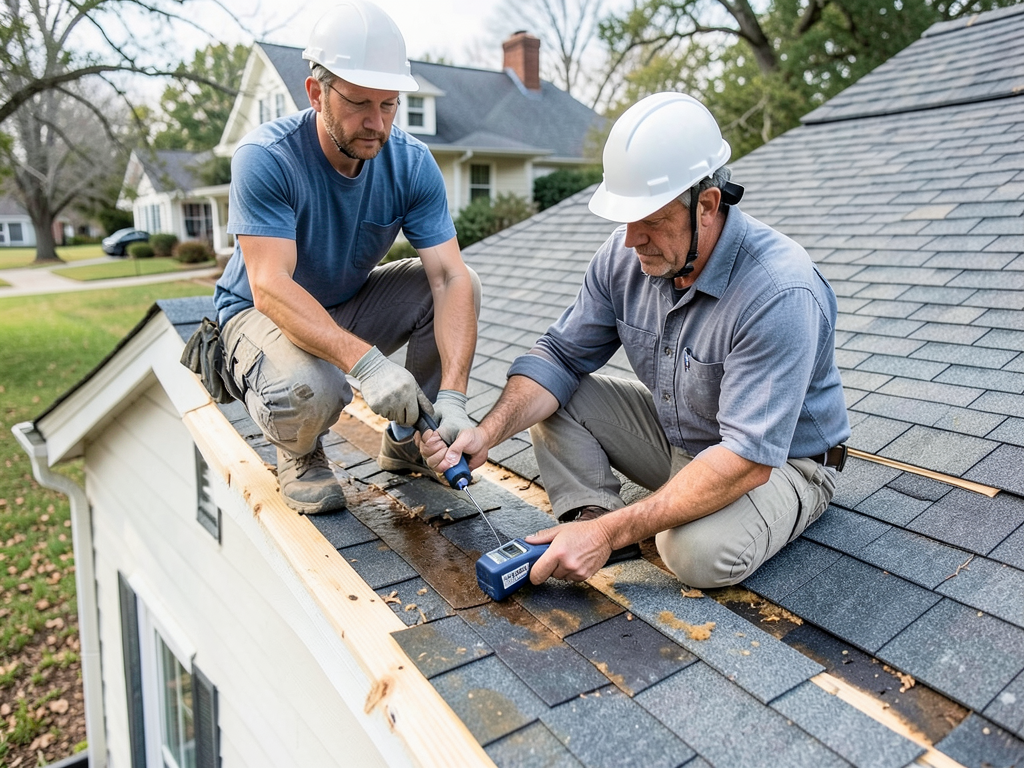
Professional roofers use several diagnostic methods to identify overlay problems. The moisture meter test is the most revealing. We scan the roof deck at multiple depths to detect trapped moisture between layers. Readings above 15 percent moisture content indicate serious problems requiring immediate attention.
The visual inspection reveals surface warning signs. Look for buckling shingles where the new layer doesn’t lie flat against the old one. This happens when the original roof has dips or waves from previous damage. Buckling creates entry points for water and wind.
Granule loss accelerates on overlay roofs. The additional heat trapped between layers causes shingles to deteriorate faster. You’ll notice more granules in your gutters and downspouts. This accelerated aging reduces your roof’s protective capabilities during storms.
The attic inspection often reveals the worst damage. Water stains on rafters, mold growth on insulation, and rusted nails all indicate moisture problems. These issues develop slowly but cause extensive damage before homeowners notice any exterior signs.
Better alternatives that protect your Eatonville home
A full tear-off provides the safest and most cost-effective solution for Eatonville homes. This process removes all existing materials down to the roof deck. Your contractor can then inspect the decking for rot or damage and replace any compromised sections.
Modern underlayment materials provide superior protection compared to what was available when your home was built. Synthetic underlayments resist tearing and provide better waterproofing than traditional felt paper. They also allow the roof deck to breathe reducing moisture buildup. TPO vs EPDM Roofing Guide.
Secondary water barriers add another layer of protection. The Florida Building Code requires these barriers in high-wind zones along eaves and valleys. They prevent water intrusion if shingles are damaged during a storm keeping your home dry even with roof damage.
Energy-efficient shingles reduce cooling costs in Eatonville’s hot climate. Modern reflective shingles can lower attic temperatures by 20 to 30 degrees. This extends the life of your roof materials and reduces your energy bills year-round.
Cost comparison: overlay vs. tear-off in 2026
| Factor | Roofing Overlay | Full Tear-off |
|---|---|---|
| Initial Cost per Square | $250 – $350 | $450 – $650 |
| Permit Costs | $150 – $300 | $200 – $400 |
| Average Project Time | 1-2 days | 3-5 days |
| Expected Lifespan | 10-12 years | 20-25 years |
| Insurance Impact | Possible premium increase | Potential premium decrease |
| Resale Value Impact | Negative | Positive |
The numbers tell the real story. While overlays save 40 percent on initial costs they often cost more over 20 years when you factor in shorter lifespan, increased repair needs, and potential insurance issues.
Making the right choice for your historic Eatonville home
Historic preservation guidelines in Eatonville’s older neighborhoods often favor traditional materials and methods. A full tear-off allows you to maintain historical accuracy while upgrading to modern performance standards. This combination preserves your home’s character while protecting it from Florida’s harsh climate.
Energy efficiency improvements become possible with a tear-off. You can add proper ventilation, upgrade insulation, and install reflective materials that weren’t available when your home was built. These improvements pay for themselves through lower utility bills.
The peace of mind factor matters too. Knowing your roof meets current building codes and can withstand hurricane-force winds provides security that no amount of initial savings can match. Your family’s safety and your home’s structural integrity aren’t areas where cutting corners makes sense.
Professional roofers in Eatonville understand the unique challenges of historic homes. They know which materials work best with older construction methods and how to preserve architectural details while upgrading performance. This expertise ensures your investment protects both your home and its historical value.
Frequently Asked Questions
Can I add a third layer of shingles to my Eatonville home?
No. The Florida Building Code prohibits more than two layers of roofing materials on any structure. Adding a third layer creates excessive weight and violates building codes. You must remove all existing layers before installing new roofing materials.
How do I know if my roof needs a full tear-off or can handle an overlay?
A professional inspection determines this. We check the roof deck condition, measure moisture content, evaluate structural integrity, and verify compliance with the 25 percent rule. Homes built before 1970 almost always require tear-offs due to weight limitations and potential deck damage.
Will my insurance cover damage from an overlay roof?
Coverage depends on your policy and whether proper permits were obtained. Some insurers deny claims for overlay roofs or charge higher premiums. Always check with your insurance provider before choosing an overlay to understand the potential impact on your coverage.
How long does a full roof tear-off take in Eatonville?
Most residential tear-offs in Eatonville take 3 to 5 days depending on roof size and complexity. This includes removal of old materials, deck inspection and repairs, installation of new underlayment, and shingling. Weather delays can extend this timeline.
What permits are required for roofing work in Orange County?
Roofing permits are required for both overlays and tear-offs in Orange County. The permit process ensures work meets Florida Building Code requirements and includes required inspections. Permit costs typically range from $150 to $400 depending on project scope.
Protect your Eatonville home the right way
Roofing overlays might seem like a bargain but they often create expensive problems that surface during the next big storm. The combination of Eatonville’s historic home construction, Florida’s building codes, and our hurricane-prone climate makes full tear-offs the safer choice for most homeowners.
Don’t wait until water stains appear on your ceiling or missing shingles scatter across your yard. A professional inspection reveals what’s really happening under your roof’s surface. We use moisture meters, structural assessments, and code compliance checks to give you the complete picture. For more information, visit FEMA roofing guidelines.
Your historic Eatonville home deserves protection that lasts. Call (689) 268-2855 today to schedule your free roof inspection. We’ll evaluate your current roof’s condition, explain your options in plain language, and provide a detailed quote with no pressure or hidden fees. Pick up the phone and call (689) 268-2855 before the next storm hits Eatonville. Your home’s safety and your family’s peace of mind are worth the investment.
{
“@context”: “https://schema.org”,
“@type”: “BlogPosting”,
“headline”: “The hidden risks of roofing overlays for older homes in Eatonville”,
“description”: “Discover why roofing overlays can trap moisture and cause structural damage in Eatonville’s historic homes. Learn about Florida code requirements and safer alternatives.”,
“wordCount”: 1797,
“datePublished”: “2026-03-22T10:03:00.000Z”,
“dateModified”: “2026-03-22T10:03:00.000Z”,
“inLanguage”: “en-US”,
“mainEntityOfPage”: {
“@type”: “WebPage”,
“@id”: “https://allproroofingorlando.com”
},
“publisher”: {
“@type”: “LocalBusiness”,
“name”: “All Pro Roofing Orlando”,
“url”: “https://allproroofingorlando.com”
},
“author”: {
“@type”: “Organization”,
“name”: “All Pro Roofing Orlando”,
“url”: “https://allproroofingorlando.com”
},
“image”: {
“@type”: “ImageObject”,
“url”: “https://allproroofingorlando.com/wp-content/uploads/2026/03/the-hidden-risks-of-roofing-overlays-for-older-hom-1.png”
}
}
{
“@context”: “https://schema.org”,
“@type”: “RoofingContractor”,
“name”: “All Pro Roofing Orlando”,
“url”: “https://allproroofingorlando.com”,
“address”: {
“@type”: “PostalAddress”,
“addressLocality”: “Orlando”
},
“areaServed”: {
“@type”: “City”,
“name”: “Orlando”
}
}
{
“@context”: “https://schema.org”,
“@type”: “FAQPage”,
“mainEntity”: [
{
“@type”: “Question”,
“name”: “Can I add a third layer of shingles to my Eatonville home?”,
“acceptedAnswer”: {
“@type”: “Answer”,
“text”: “No. The Florida Building Code prohibits more than two layers of roofing materials on any structure. Adding a third layer creates excessive weight and violates building codes. You must remove all existing layers before installing new roofing materials.”
}
},
{
“@type”: “Question”,
“name”: “How do I know if my roof needs a full tear-off or can handle an overlay?”,
“acceptedAnswer”: {
“@type”: “Answer”,
“text”: “A professional inspection determines this. We check the roof deck condition, measure moisture content, evaluate structural integrity, and verify compliance with the 25 percent rule. Homes built before 1970 almost always require tear-offs due to weight limitations and potential deck damage.”
}
},
{
“@type”: “Question”,
“name”: “Will my insurance cover damage from an overlay roof?”,
“acceptedAnswer”: {
“@type”: “Answer”,
“text”: “Coverage depends on your policy and whether proper permits were obtained. Some insurers deny claims for overlay roofs or charge higher premiums. Always check with your insurance provider before choosing an overlay to understand the potential impact on your coverage.”
}
},
{
“@type”: “Question”,
“name”: “How long does a full roof tear-off take in Eatonville?”,
“acceptedAnswer”: {
“@type”: “Answer”,
“text”: “Most residential tear-offs in Eatonville take 3 to 5 days depending on roof size and complexity. This includes removal of old materials, deck inspection and repairs, installation of new underlayment, and shingling. Weather delays can extend this timeline.”
}
},
{
“@type”: “Question”,
“name”: “What permits are required for roofing work in Orange County?”,
“acceptedAnswer”: {
“@type”: “Answer”,
“text”: “Roofing permits are required for both overlays and tear-offs in Orange County. The permit process ensures work meets Florida Building Code requirements and includes required inspections. Permit costs typically range from $150 to $400 depending on project scope.”
}
}
]
}
{
“@context”: “https://schema.org”,
“@type”: “BreadcrumbList”,
“itemListElement”: [
{
“@type”: “ListItem”,
“position”: 1,
“name”: “Home”,
“item”: “https://allproroofingorlando.com”
},
{
“@type”: “ListItem”,
“position”: 2,
“name”: “Blog”,
“item”: “https://allproroofingorlando.com/blog”
},
{
“@type”: “ListItem”,
“position”: 3,
“name”: “The hidden risks of roofing overlays for older homes in Eatonville”
}
]
}
{
“@context”: “https://schema.org”,
“@type”: “Service”,
“serviceType”: “Roofing”,
“provider”: {
“@type”: “LocalBusiness”,
“name”: “All Pro Roofing Orlando”,
“url”: “https://allproroofingorlando.com”
},
“areaServed”: {
“@type”: “City”,
“name”: “Orlando”
},
“description”: “Discover why roofing overlays can trap moisture and cause structural damage in Eatonville’s historic homes. Learn about Florida code requirements and safer alternatives.”
}