
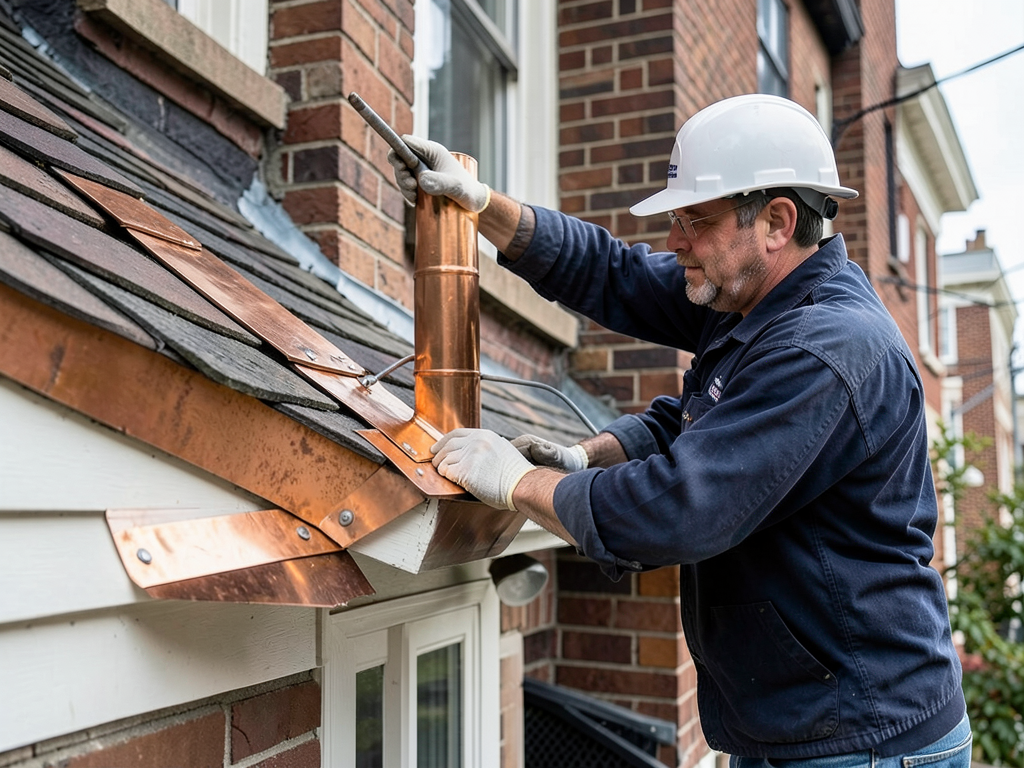
Why your SoDo chimney is leaking and how to fix the flashing properly
Water dripping inside your fireplace or ceiling stains near your chimney are clear warning signs that your chimney flashing needs attention. In SoDo’s historic neighborhoods where many homes date back to the 1920s and 1930s, chimney leaks are especially common due to aging materials and Orlando’s intense weather patterns. The flashing that seals the joint between your chimney and roof often fails from repeated thermal expansion, heavy rainfall, and hurricane-force winds. Choosing Between Shingle and Tile Roofs for Your Central Florida Home.
Chimney flashing consists of multiple metal layers designed to create a watertight seal around the chimney base. When these layers deteriorate or separate, water finds its way through the roof deck and into your home. This guide explains how Orlando’s climate specifically affects chimney flashing, what signs indicate a leak, and how professional repair restores your roof’s integrity. EPA mold information.
Common signs your SoDo chimney flashing is failing
Water damage around chimneys often starts subtly before becoming obvious. Early detection prevents costly interior repairs to ceilings, walls, and fireplace structures.
Interior warning signs include water stains on ceilings or walls near the chimney, damp or crumbling plaster around the fireplace, and visible water dripping into the firebox during rainstorms. You might also notice musty odors from mold growth in the attic or ceiling insulation that feels damp to the touch.
Exterior indicators include missing or loose flashing pieces, visible gaps where flashing meets the chimney, rust spots on metal flashing, and cracked or missing sealant. During heavy rain, you may see water pooling around the chimney base or running down the exterior walls.
Attic inspection findings often reveal the true extent of damage. Look for dark water stains on roof decking, damp or compressed insulation near the chimney, and daylight visible through gaps in the flashing. These signs indicate water has been penetrating the roof structure for some time.
How Orlando’s climate damages chimney flashing
Central Florida’s weather creates unique challenges for chimney flashing that northern climates don’t face. Understanding these factors explains why SoDo homes require specific flashing solutions. Florida Building Code.
High humidity and thermal expansion cause metal flashing to expand and contract more dramatically than in drier climates. Orlando’s afternoon thunderstorms followed by intense sun create temperature swings that stress flashing joints. Over years, this movement breaks sealant bonds and creates gaps where water enters.
Hurricane season impacts include wind-driven rain that forces water under improperly sealed flashing. Orlando’s proximity to the coast means homes face Category 1 hurricane winds that can lift or bend flashing. The Florida Building Code requires specific wind-uplift ratings for roofing materials in Orange County, with enhanced requirements for SoDo’s older homes.
UV radiation degradation breaks down rubberized sealants and causes metal flashing to become brittle. Orlando receives over 300 days of sunshine annually, and UV exposure accelerates the aging of flashing materials. Copper flashing lasts longer than galvanized steel but costs significantly more.
Heavy rainfall patterns in Orlando mean your flashing must handle intense water volume. The region receives about 50 inches of rain annually, with most falling during summer thunderstorms. This concentrated rainfall tests flashing’s ability to channel water away from the chimney base.
The chimney flashing repair process step by step
Professional chimney flashing repair follows a systematic approach that addresses both immediate leaks and long-term durability. Here’s what the process entails when handled by experienced Orlando roofers.
- Initial inspection and assessment
Technicians examine the flashing condition, identify leak sources, and check for related roof damage. They use moisture meters to detect hidden water intrusion and inspect attic areas for structural damage.
- Removal of damaged materials
Old flashing, deteriorated sealant, and damaged shingles around the chimney are carefully removed. This step ensures a clean surface for new flashing installation and reveals any underlying roof deck damage.
- Installation of new flashing components
Step flashing is installed along the chimney sides, counter flashing is embedded into the chimney mortar joints, and a cricket may be added for larger chimneys. All pieces overlap to create a water-shedding system.
- Sealing and waterproofing
High-grade polyurethane sealant is applied at all joints, and the area is tested with water to ensure proper drainage. The final step includes installing new shingles or tiles around the repaired area.
Materials that withstand Orlando’s weather
Choosing the right flashing material affects both the repair cost and longevity. Each material performs differently in Central Florida’s climate.
| Material | Cost Range | Orlando Lifespan | Best For |
|---|---|---|---|
| Galvanized Steel | $15-25 per linear foot | 10-15 years | Budget repairs |
| Aluminum | $20-30 per linear foot | 15-20 years | Standard installations |
| Copper | $35-50 per linear foot | 30-50 years | Premium installations |
Copper flashing develops a protective patina that resists corrosion and lasts decades in Florida’s climate. While expensive upfront, copper often proves most cost-effective for historic SoDo homes where preserving architectural integrity matters.
Aluminum flashing offers good value and resists corrosion well. It’s lightweight and easier to form around complex chimney shapes. However, it can dent from hail or falling branches during storms.
Galvanized steel provides the most economical option but requires more frequent replacement in Orlando’s humid environment. The zinc coating eventually wears away, allowing rust to form.
Building code requirements for chimney flashing in Orlando
Orange County and the City of Orlando enforce specific building code requirements for chimney flashing installations. Understanding these requirements ensures your repair meets local standards.
The Florida Building Code requires flashing to extend at least 4 inches up the chimney face and overlap roof materials by a minimum of 4 inches. Counter flashing must be embedded at least 1.5 inches into mortar joints or wood substrate. These dimensions create the necessary overlap to prevent water infiltration.
Wind-uplift requirements in Orlando’s high-velocity hurricane zone mandate that flashing be secured with corrosion-resistant fasteners spaced no more than 6 inches apart along exposed edges. This prevents flashing from lifting during tropical storm conditions.
Secondary water barrier requirements apply to new construction but influence repair standards. While existing homes aren’t required to add ice-and-water shield under flashing, quality repairs often include this extra protection layer, especially in SoDo’s older homes where original flashing may lack modern waterproofing.
Permits are typically required for chimney flashing replacement in Orlando. The City of Orlando Building Division reviews plans to ensure compliance with local wind load requirements and flashing installation standards specific to the area’s weather patterns.
Preventing future chimney leaks
Regular maintenance extends flashing life and prevents costly water damage. Simple inspections and minor repairs catch problems before they become emergencies. Reliable Roof Inspection Services for Home Buyers in Winter Garden.
Annual inspections should check flashing for signs of separation, sealant deterioration, or rust formation. Look for gaps where flashing meets the chimney or roof surface. Early detection allows for sealant replacement before water intrusion occurs.
Chimney cap maintenance prevents water from entering the flue and reduces the amount of moisture that reaches the flashing area. Ensure caps are securely fastened and free of debris that could cause water backup.
Roof cleaning removes debris that traps moisture against flashing. Leaves, pine needles, and other organic material create ideal conditions for flashing deterioration when they remain in contact with metal surfaces.
Professional inspections after major storms help identify damage that might not be visible from ground level. Orlando’s frequent thunderstorms and occasional hurricanes can bend or lift flashing without obvious signs of failure.
Cost factors for chimney flashing repair in SoDo
Several variables affect chimney flashing repair costs in Orlando’s SoDo district. Understanding these factors helps you budget appropriately and avoid surprises.
Chimney size and complexity directly impact labor time. A standard 24-inch square chimney requires less flashing and installation time than a large, multi-flue chimney with decorative brickwork. Complex shapes or angles increase material waste and labor hours.
Roof accessibility affects equipment needs and safety requirements. SoDo’s historic homes often have steep roof pitches or limited access that requires additional safety equipment and labor time.
Existing damage extent determines whether simple flashing replacement suffices or if underlying roof deck repair becomes necessary. Water damage often extends beyond visible areas, requiring additional materials and labor.
Material selection creates the largest cost variance. Copper flashing can cost three times more than galvanized steel but lasts three to four times longer in Orlando’s climate. The premium material often proves more economical over the home’s lifetime.
Most SoDo chimney flashing repairs range from $800 to $2,500, with the average falling around $1,400 for standard-sized chimneys using quality aluminum flashing.
Why choose a roofing specialist over a chimney sweep
Many homeowners wonder whether to call a chimney sweep or roofer for flashing repairs. While chimney sweeps handle the masonry aspects, roofing specialists bring specific expertise in waterproofing and weatherproofing that’s crucial for Orlando’s climate. Is Solar Roofing Actually Worth the Investment for Orlando Residents?.
Roofing contractors understand how flashing integrates with the entire roofing system. They know proper underlayment installation, ventilation requirements, and how different roofing materials interact with flashing. This comprehensive knowledge prevents creating new leak points while fixing existing ones.
Code compliance expertise matters for insurance and resale. Roofing specialists stay current on Florida Building Code requirements for high-wind zones and know when permits are required. They can also provide documentation needed for insurance claims related to storm damage.
Material warranties from roofing manufacturers often require installation by certified contractors. Using a roofer ensures your flashing repair doesn’t void existing roof warranties and may qualify for extended coverage on the repair work itself.
Emergency response capability matters when leaks occur during storms. Roofing companies typically offer 24/7 emergency services with tarps and temporary repairs to prevent further damage while permanent repairs are scheduled.
Frequently Asked Questions
How long does chimney flashing repair take?
Most chimney flashing repairs in Orlando take 4-8 hours for a standard-sized chimney. Complex repairs or those requiring roof deck replacement may take 1-2 days. Weather conditions can affect timing, as repairs shouldn’t be performed during rain.
Can I repair chimney flashing myself?
While DIY sealant application is possible for minor gaps, proper flashing repair requires specialized tools, knowledge of building codes, and experience working at heights. Improper repairs often create new leak points and may void roof warranties. Orlando’s weather demands professional-grade materials and installation techniques. Best Roofing Materials for Older Bungalows in Thornton Park.
How often should chimney flashing be replaced?
Quality flashing typically lasts 15-25 years in Orlando’s climate, depending on material. Annual inspections help identify deterioration before leaks occur. Homes in SoDo’s historic district may need more frequent attention due to original flashing reaching the end of its service life.
Does homeowners insurance cover chimney flashing repair?
Standard policies cover sudden damage from covered perils like storms or falling trees. However, gradual deterioration from age or poor maintenance typically isn’t covered. Some policies offer endorsements for roof components that include flashing coverage.
What’s the difference between step flashing and counter flashing?
Step flashing consists of L-shaped pieces installed along the roof slope, while counter flashing is embedded into the chimney mortar and folded down over the step flashing. This two-layer system creates redundant protection against water infiltration.
Protect your SoDo home from chimney leaks
Chimney flashing failure in Orlando’s climate isn’t a matter of if, but when. The combination of high humidity, intense UV exposure, and hurricane-force winds creates conditions that eventually compromise even quality installations. SoDo’s historic homes face additional challenges from aging materials and construction methods that predate modern waterproofing standards.
Early detection through regular inspections and prompt professional repair prevents minor flashing issues from becoming major water damage problems. The cost of proactive maintenance pales compared to repairing ceiling damage, mold remediation, and structural repairs that result from neglected leaks.
Don’t wait for the next Orlando thunderstorm to reveal your chimney’s vulnerabilities. A professional inspection can identify potential problems before they cause interior damage. Our team understands the specific challenges SoDo chimneys face and uses materials and techniques proven to withstand Central Florida’s demanding climate.
Call (689) 268-2855 today to schedule your chimney flashing inspection. Our Orlando-based team provides honest assessments and lasting repairs that protect your home from water damage. Whether you need emergency leak repair or preventive maintenance, we’re ready to help keep your SoDo home dry and secure through every season. Emergency Tarping Service.
{
“@context”: “https://schema.org”,
“@type”: “BlogPosting”,
“headline”: “Why your SoDo chimney is leaking and how to fix the flashing properly”,
“description”: “Discover why SoDo chimneys leak and how Orlando’s humidity and storms damage flashing. Learn to spot signs, understand repairs, and protect your home from water damage.”,
“wordCount”: 2047,
“datePublished”: “2026-03-12T13:13:00.000Z”,
“dateModified”: “2026-03-12T13:13:00.000Z”,
“inLanguage”: “en-US”,
“mainEntityOfPage”: {
“@type”: “WebPage”,
“@id”: “https://allproroofingorlando.com”
},
“publisher”: {
“@type”: “LocalBusiness”,
“name”: “All Pro Roofing Orlando”,
“url”: “https://allproroofingorlando.com”
},
“author”: {
“@type”: “Organization”,
“name”: “All Pro Roofing Orlando”,
“url”: “https://allproroofingorlando.com”
},
“image”: {
“@type”: “ImageObject”,
“url”: “https://allproroofingorlando.com/wp-content/uploads/2026/03/why-your-sodo-chimney-is-leaking-and-how-to-fix-th-1.png”
}
}
{
“@context”: “https://schema.org”,
“@type”: “RoofingContractor”,
“name”: “All Pro Roofing Orlando”,
“url”: “https://allproroofingorlando.com”,
“address”: {
“@type”: “PostalAddress”,
“addressLocality”: “Orlando”
},
“areaServed”: {
“@type”: “City”,
“name”: “Orlando”
}
}
{
“@context”: “https://schema.org”,
“@type”: “FAQPage”,
“mainEntity”: [
{
“@type”: “Question”,
“name”: “How long does chimney flashing repair take?”,
“acceptedAnswer”: {
“@type”: “Answer”,
“text”: “Most chimney flashing repairs in Orlando take 4-8 hours for a standard-sized chimney. Complex repairs or those requiring roof deck replacement may take 1-2 days. Weather conditions can affect timing, as repairs shouldn’t be performed during rain.”
}
},
{
“@type”: “Question”,
“name”: “Can I repair chimney flashing myself?”,
“acceptedAnswer”: {
“@type”: “Answer”,
“text”: “While DIY sealant application is possible for minor gaps, proper flashing repair requires specialized tools, knowledge of building codes, and experience working at heights. Improper repairs often create new leak points and may void roof warranties. Orlando’s weather demands professional-grade materials and installation techniques. Best Roofing Materials for Older Bungalows in Thornton Park.”
}
},
{
“@type”: “Question”,
“name”: “How often should chimney flashing be replaced?”,
“acceptedAnswer”: {
“@type”: “Answer”,
“text”: “Quality flashing typically lasts 15-25 years in Orlando’s climate, depending on material. Annual inspections help identify deterioration before leaks occur. Homes in SoDo’s historic district may need more frequent attention due to original flashing reaching the end of its service life.”
}
},
{
“@type”: “Question”,
“name”: “Does homeowners insurance cover chimney flashing repair?”,
“acceptedAnswer”: {
“@type”: “Answer”,
“text”: “Standard policies cover sudden damage from covered perils like storms or falling trees. However, gradual deterioration from age or poor maintenance typically isn’t covered. Some policies offer endorsements for roof components that include flashing coverage.”
}
},
{
“@type”: “Question”,
“name”: “What’s the difference between step flashing and counter flashing?”,
“acceptedAnswer”: {
“@type”: “Answer”,
“text”: “Step flashing consists of L-shaped pieces installed along the roof slope, while counter flashing is embedded into the chimney mortar and folded down over the step flashing. This two-layer system creates redundant protection against water infiltration.”
}
}
]
}
{
“@context”: “https://schema.org”,
“@type”: “HowTo”,
“name”: “How to repair chimney flashing properly”,
“step”: [
{
“@type”: “HowToStep”,
“position”: 1,
“name”: “Initial inspection and assessment”,
“text”: “Technicians examine the flashing condition, identify leak sources, and check for related roof damage. They use moisture meters to detect hidden water intrusion and inspect attic areas for structural damage.”
},
{
“@type”: “HowToStep”,
“position”: 2,
“name”: “Removal of damaged materials”,
“text”: “Old flashing, deteriorated sealant, and damaged shingles around the chimney are carefully removed. This step ensures a clean surface for new flashing installation and reveals any underlying roof deck damage.”
},
{
“@type”: “HowToStep”,
“position”: 3,
“name”: “Installation of new flashing components”,
“text”: “Step flashing is installed along the chimney sides, counter flashing is embedded into the chimney mortar joints, and a cricket may be added for larger chimneys. All pieces overlap to create a water-shedding system.”
},
{
“@type”: “HowToStep”,
“position”: 4,
“name”: “Sealing and waterproofing”,
“text”: “High-grade polyurethane sealant is applied at all joints, and the area is tested with water to ensure proper drainage. The final step includes installing new shingles or tiles around the repaired area.”
}
],
“image”: “https://allproroofingorlando.com/wp-content/uploads/2026/03/why-your-sodo-chimney-is-leaking-and-how-to-fix-th-1.png”
}
{
“@context”: “https://schema.org”,
“@type”: “BreadcrumbList”,
“itemListElement”: [
{
“@type”: “ListItem”,
“position”: 1,
“name”: “Home”,
“item”: “https://allproroofingorlando.com”
},
{
“@type”: “ListItem”,
“position”: 2,
“name”: “Blog”,
“item”: “https://allproroofingorlando.com/blog”
},
{
“@type”: “ListItem”,
“position”: 3,
“name”: “Why your SoDo chimney is leaking and how to fix the flashing properly”
}
]
}
{
“@context”: “https://schema.org”,
“@type”: “Service”,
“serviceType”: “Roofing”,
“provider”: {
“@type”: “LocalBusiness”,
“name”: “All Pro Roofing Orlando”,
“url”: “https://allproroofingorlando.com”
},
“areaServed”: {
“@type”: “City”,
“name”: “Orlando”
},
“description”: “Discover why SoDo chimneys leak and how Orlando’s humidity and storms damage flashing. Learn to spot signs, understand repairs, and protect your home from water damage.”
}