
The best time of year to replace your roof in Orlando before hurricane season hits
The ideal window for replacing your Orlando roof falls between late winter and early spring typically January through April. This period offers the perfect balance of dry weather for installation, cooler temperatures for proper shingle adhesion, and contractor availability before the summer rush begins. Homeowners who miss this window often face longer wait times, higher costs, and the risk of having exposed roofing during Orlando’s notorious afternoon thunderstorms. Choosing Between Shingle and Tile Roofs for Your Central Florida Home.
Central Florida’s unique climate creates specific challenges that Northern homeowners never face. The combination of high humidity, intense UV exposure, and hurricane-force winds means timing your roof replacement correctly can mean the difference between a roof that lasts 15 years versus one that fails in just 10. Florida Building Code.
Seasonal Breakdown: Pros and Cons
Each season in Orlando presents different advantages and disadvantages for roof replacement projects. Understanding these patterns helps you make an informed decision about when to schedule your installation.
Winter: The Quality Window
January through February offers the most reliable weather for roof installation in Central Florida. Temperatures typically range from 50 to 72 degrees Fahrenheit creating ideal conditions for asphalt shingle thermal sealing. The humidity drops slightly making working conditions more comfortable for installation crews and reducing the risk of moisture trapped under new materials. Reliable Roof Inspection Services for Home Buyers in Winter Garden.
Contractors report that winter installations often produce the highest quality results because shingles have time to properly seal before facing summer heat. The cooler temperatures also mean materials are less likely to warp or buckle during installation. However, this is also when snowbirds return to Florida creating increased demand for all home improvement services. Best Roofing Materials for Older Bungalows in Thornton Park.
Spring: The Busy Season
March through May represents the peak of roofing season in Orlando. Contractors are busiest during these months leading to wait times of 2 to 4 weeks for installation. The weather remains favorable with average temperatures climbing from the mid-70s to low 80s and rainfall still relatively moderate compared to summer. Is Solar Roofing Actually Worth the Investment for Orlando Residents?.
The main advantage of spring scheduling is that your new roof will be fully installed and sealed before hurricane season begins June 1. Many homeowners choose this timing specifically to ensure protection before the most dangerous weather arrives. The downside is premium pricing as demand drives up costs by 10 to 15 percent compared to winter rates.
Summer: The Rain Challenge
June through August brings Orlando’s daily afternoon thunderstorm pattern. These predictable 2 PM rain showers can derail roofing projects causing significant delays. High temperatures often exceed 90 degrees making working conditions dangerous for crews and potentially affecting material performance.
Humidity levels during summer months regularly exceed 85 percent which can impact how quickly adhesives cure and how well underlayment seals. Contractors must work early morning hours to avoid the worst heat and have contingency plans for sudden storms. Projects that might take 3 days in winter often stretch to 5 or 6 days during summer months.
Fall: The Hurricane Rush
September through November coincides with peak hurricane season. This creates a paradox where demand for roofing services spikes due to storm damage while contractor availability plummets. Wait times can extend to 6 to 8 weeks as crews work overtime to handle emergency repairs. Emergency Tarping Service.
The insurance factor adds another layer of complexity. Many homeowners discover they need new roofs only after their insurance companies require wind mitigation inspections or threaten non-renewal. This last-minute rush creates the worst conditions for getting a quality installation at a reasonable price.
The Hurricane Season Factor
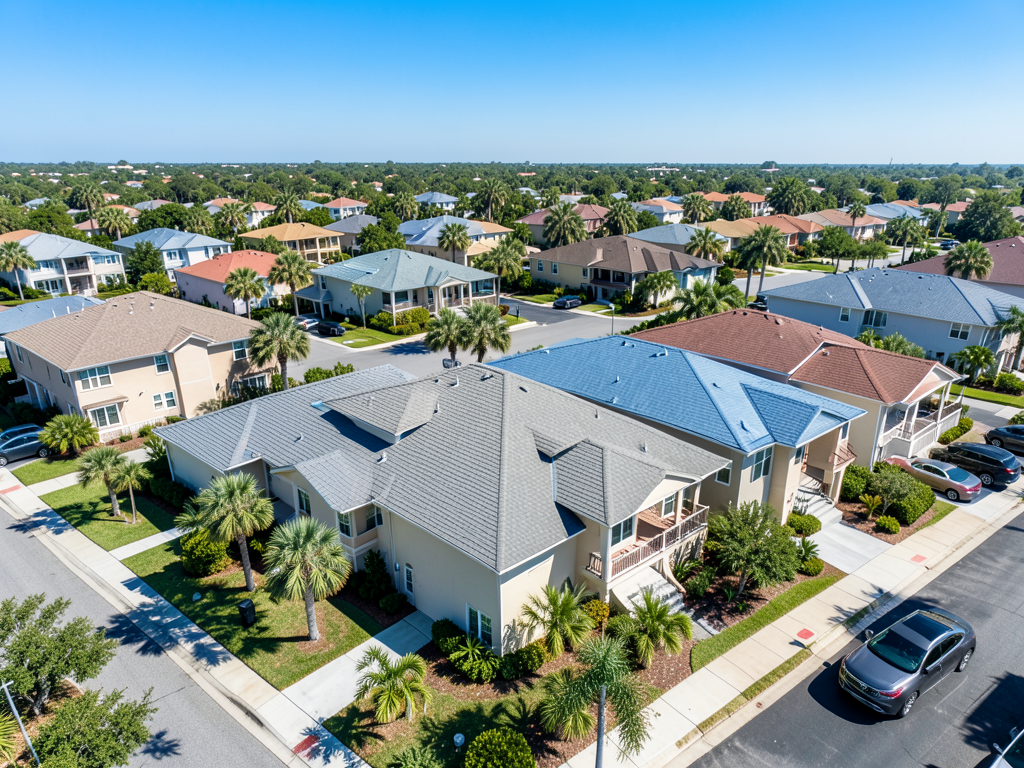
Orlando’s hurricane season officially runs from June 1 through November 30. This six-month period creates the most critical timing consideration for roof replacement. A roof under construction during a major storm represents significant liability with exposed decking vulnerable to water intrusion.
Contractors must account for hurricane preparation in their scheduling. This includes having tarps ready, establishing emergency protocols, and potentially delaying projects when storms threaten. The 2024 hurricane season saw multiple projects delayed by 2 to 3 weeks due to storm threats creating a domino effect throughout the industry.
Beyond the immediate storm threat, hurricane season affects material availability and pricing. Supply chain disruptions during active storm periods can delay material deliveries by weeks. Manufacturers often implement price increases in early summer anticipating higher demand and potential supply constraints.
Cost vs. Convenience: When is it cheapest?
Roofing costs in Orlando follow predictable seasonal patterns. Winter installations typically cost 10 to 15 percent less than spring installations. This pricing difference reflects contractor availability and reduced demand rather than material cost changes.
Material costs show less seasonal variation but manufacturers often implement annual price increases in January or February. Homeowners who schedule replacements before these increases can save 3 to 5 percent on material costs alone. However, waiting for discounts can backfire if it means missing the ideal weather window.
Contractor availability directly impacts both cost and quality. During peak season March through May wait times extend to 2 to 4 weeks. Winter wait times typically range from 1 to 2 weeks. The difference in wait times often correlates with differences in attention to detail as crews manage multiple concurrent projects.
Florida-Specific Material Considerations
Orlando’s climate demands specific material choices and installation timing. Asphalt shingles require temperatures between 40 and 85 degrees for proper thermal sealing. Below 40 degrees the adhesive strips won’t activate properly. Above 85 degrees shingles become too pliable making accurate installation difficult.
Metal roofing installation timing matters less for temperature but more for humidity control. High humidity can affect how well sealants cure and how flashing adheres to surfaces. Tile roofing presents different challenges as the weight requires specific substrate preparation that humidity can affect.
The Florida Building Code Section 1609 addresses wind load requirements for roofing systems. Orlando falls in the 140 to 150 mph wind zone requiring specific fastening patterns and material specifications. These code requirements don’t change by season but installation quality certainly does.
Signs You Can’t Wait for the ‘Perfect’ Season
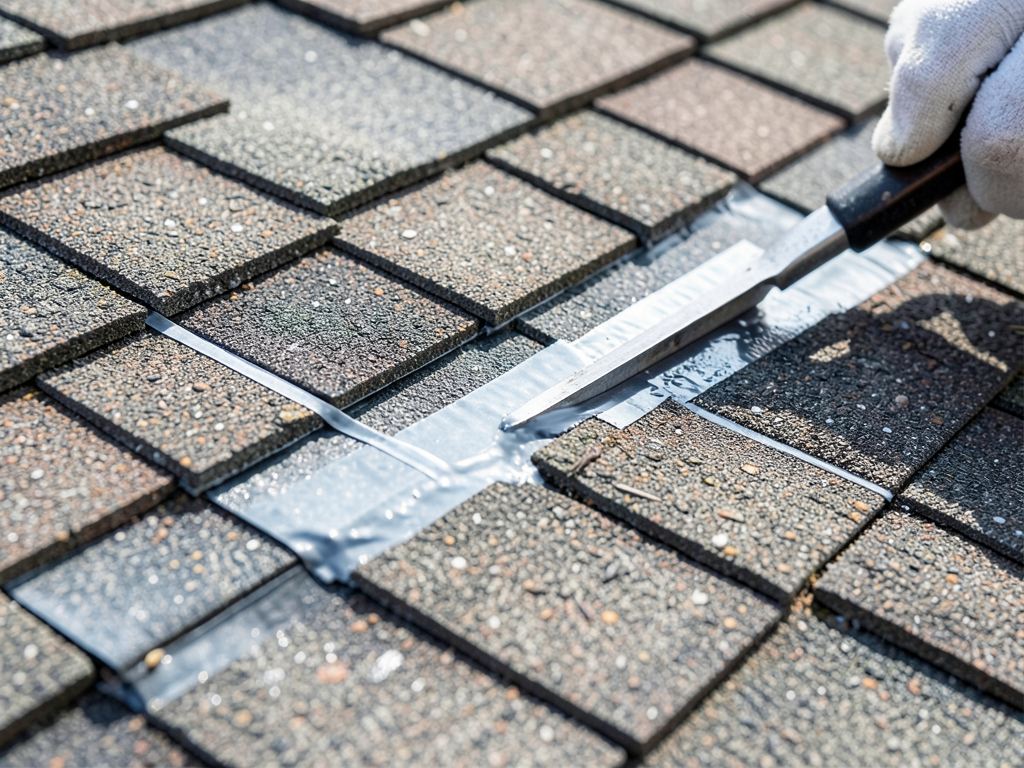
Some roof conditions make waiting impossible regardless of season. Active leaks represent the most urgent situation. Water intrusion damages insulation, creates mold growth, and compromises structural elements. The cost of waiting often exceeds the premium for emergency service.
Missing shingles after a storm create immediate vulnerabilities. Even a small area of exposed decking can lead to extensive water damage during Orlando’s frequent afternoon thunderstorms. Granule loss indicating advanced shingle deterioration suggests the roof won’t survive another hurricane season.
Interior water stains on ceilings or walls indicate active leaks that require immediate attention. By the time stains appear significant damage has already occurred inside walls and ceilings. Insurance companies often require documentation of damage mitigation efforts which means prompt action becomes necessary.
The Snowbird Effect on Contractor Availability
Orlando’s large population of seasonal residents creates unique scheduling challenges. Snowbirds typically arrive in October and depart by May creating artificial demand spikes that don’t align with actual weather patterns. This migration affects both pricing and availability in ways Northern contractors never experience.
Many snowbirds schedule roof replacements during their winter stays creating January through March demand that exceeds what weather conditions would suggest. Contractors must balance this artificial demand with the needs of year-round residents. The result is premium pricing during months when installation conditions are actually optimal.
Understanding this pattern can help homeowners negotiate better terms. Contractors often prefer year-round clients who provide steady work rather than seasonal clients who create boom-bust cycles. Building relationships with local contractors can lead to priority scheduling and better pricing regardless of season.
Orange County Permitting Timeline Considerations
Orange County requires building permits for all roof replacements. The permitting process typically takes 3 to 5 business days for standard residential projects but can extend to 2 weeks during peak season. This timeline must factor into your overall project planning.
Commercial projects face longer permitting timelines often requiring 3 to 4 weeks for approval. The county’s online permitting system experiences slowdowns during peak season creating additional delays. Contractors familiar with local requirements can navigate this process more efficiently but cannot eliminate the inherent timeline constraints.
Inspections represent another timing consideration. Orange County requires final inspections for all roof replacements. Scheduling these inspections during summer thunderstorm season can create additional delays as inspectors prioritize emergency damage assessments over routine inspections.
Making Your Decision: A Practical Timeline
The decision-making process should begin at least 3 months before your desired installation date. This timeline allows for contractor selection, permitting, material ordering, and scheduling coordination. For spring installations this means starting the process in January even though winter offers better pricing.
Consider this practical timeline: Month 1 research contractors and get initial estimates. Month 2 select contractor and begin permitting process. Month 3 complete material selection and finalize scheduling. This approach ensures you capture optimal weather conditions without paying peak season premiums.
Emergency situations require compressed timelines but shouldn’t eliminate proper planning. Even urgent replacements benefit from contractor vetting and material selection consideration. The difference between a rushed emergency replacement and a planned installation often shows in the quality of workmanship and material choices.
Frequently Asked Questions
What is the absolute best month for roof replacement in Orlando?
February typically offers the best combination of weather conditions, contractor availability, and pre-season pricing. Temperatures remain cool enough for proper shingle adhesion while humidity levels stay manageable.
How long does a typical roof replacement take in Orlando?
Standard asphalt shingle replacement takes 2 to 3 days under ideal conditions. Summer projects often extend to 4 to 5 days due to afternoon rain delays and heat-related work restrictions.
Will replacing my roof during off-season affect my warranty?
No. Most manufacturers warranty coverage depends on proper installation technique rather than seasonal timing. However, improper installation during extreme conditions could void warranties.
How much can I save by scheduling in winter versus spring?
Homeowners typically save 10 to 15 percent on labor costs by scheduling between January and March. Material costs show less seasonal variation but pre-price-increase timing can save an additional 3 to 5 percent.
What happens if a hurricane threatens during my roof replacement?
Professional contractors have emergency protocols including rapid tarping and securing of exposed areas. Most include storm preparation in their contracts but verify this protection before signing agreements.
Should I replace my roof before selling my Orlando home?
New roofs typically return 100 to 150 percent of their cost in increased home value and marketability. However, the timing should align with your overall selling strategy and market conditions.
Call (689) 268-2855 today to schedule your inspection and get a personalized timeline for your roof replacement project. Our team understands Orlando’s unique climate challenges and can help you choose the optimal timing for your specific situation.
Don’t wait until the last minute and risk having your project delayed by afternoon thunderstorms or hurricane threats. Pick up the phone and call (689) 268-2855 before the next storm hits. We’ll help you navigate the timing considerations and ensure your new roof is installed under the best possible conditions. For more information, visit National Roofing Contractors Association.
{
“@context”: “https://schema.org”,
“@type”: “BlogPosting”,
“headline”: “The best time of year to replace your roof in Orlando before hurricane season hits”,
“description”: “Find the ideal time to replace your Orlando roof before hurricane season. Learn about weather patterns, material curing, and contractor availability.”,
“wordCount”: 1882,
“datePublished”: “2026-03-11T14:27:00.000Z”,
“dateModified”: “2026-03-11T14:27:00.000Z”,
“inLanguage”: “en-US”,
“mainEntityOfPage”: {
“@type”: “WebPage”,
“@id”: “https://allproroofingorlando.com”
},
“publisher”: {
“@type”: “LocalBusiness”,
“name”: “All Pro Roofing Orlando”,
“url”: “https://allproroofingorlando.com”
},
“author”: {
“@type”: “Organization”,
“name”: “All Pro Roofing Orlando”,
“url”: “https://allproroofingorlando.com”
},
“image”: {
“@type”: “ImageObject”,
“url”: “https://allproroofingorlando.com/wp-content/uploads/2026/03/the-best-time-of-year-to-replace-your-roof-in-orla-1.png”
}
}
{
“@context”: “https://schema.org”,
“@type”: “RoofingContractor”,
“name”: “All Pro Roofing Orlando”,
“url”: “https://allproroofingorlando.com”,
“address”: {
“@type”: “PostalAddress”,
“addressLocality”: “Orlando”
},
“areaServed”: {
“@type”: “City”,
“name”: “Orlando”
}
}
{
“@context”: “https://schema.org”,
“@type”: “FAQPage”,
“mainEntity”: [
{
“@type”: “Question”,
“name”: “Cost vs. Convenience: When is it cheapest?”,
“acceptedAnswer”: {
“@type”: “Answer”,
“text”: “Roofing costs in Orlando follow predictable seasonal patterns. Winter installations typically cost 10 to 15 percent less than spring installations. This pricing difference reflects contractor availability and reduced demand rather than material cost changes.”
}
},
{
“@type”: “Question”,
“name”: “What is the absolute best month for roof replacement in Orlando?”,
“acceptedAnswer”: {
“@type”: “Answer”,
“text”: “February typically offers the best combination of weather conditions, contractor availability, and pre-season pricing. Temperatures remain cool enough for proper shingle adhesion while humidity levels stay manageable.”
}
},
{
“@type”: “Question”,
“name”: “How long does a typical roof replacement take in Orlando?”,
“acceptedAnswer”: {
“@type”: “Answer”,
“text”: “Standard asphalt shingle replacement takes 2 to 3 days under ideal conditions. Summer projects often extend to 4 to 5 days due to afternoon rain delays and heat-related work restrictions.”
}
},
{
“@type”: “Question”,
“name”: “Will replacing my roof during off-season affect my warranty?”,
“acceptedAnswer”: {
“@type”: “Answer”,
“text”: “No. Most manufacturers warranty coverage depends on proper installation technique rather than seasonal timing. However, improper installation during extreme conditions could void warranties.”
}
},
{
“@type”: “Question”,
“name”: “How much can I save by scheduling in winter versus spring?”,
“acceptedAnswer”: {
“@type”: “Answer”,
“text”: “Homeowners typically save 10 to 15 percent on labor costs by scheduling between January and March. Material costs show less seasonal variation but pre-price-increase timing can save an additional 3 to 5 percent.”
}
},
{
“@type”: “Question”,
“name”: “What happens if a hurricane threatens during my roof replacement?”,
“acceptedAnswer”: {
“@type”: “Answer”,
“text”: “Professional contractors have emergency protocols including rapid tarping and securing of exposed areas. Most include storm preparation in their contracts but verify this protection before signing agreements.”
}
},
{
“@type”: “Question”,
“name”: “Should I replace my roof before selling my Orlando home?”,
“acceptedAnswer”: {
“@type”: “Answer”,
“text”: “New roofs typically return 100 to 150 percent of their cost in increased home value and marketability. However, the timing should align with your overall selling strategy and market conditions.”
}
}
]
}
{
“@context”: “https://schema.org”,
“@type”: “BreadcrumbList”,
“itemListElement”: [
{
“@type”: “ListItem”,
“position”: 1,
“name”: “Home”,
“item”: “https://allproroofingorlando.com”
},
{
“@type”: “ListItem”,
“position”: 2,
“name”: “Blog”,
“item”: “https://allproroofingorlando.com/blog”
},
{
“@type”: “ListItem”,
“position”: 3,
“name”: “The best time of year to replace your roof in Orlando before hurricane season hits”
}
]
}
{
“@context”: “https://schema.org”,
“@type”: “Service”,
“serviceType”: “Roofing”,
“provider”: {
“@type”: “LocalBusiness”,
“name”: “All Pro Roofing Orlando”,
“url”: “https://allproroofingorlando.com”
},
“areaServed”: {
“@type”: “City”,
“name”: “Orlando”
},
“description”: “Find the ideal time to replace your Orlando roof before hurricane season. Learn about weather patterns, material curing, and contractor availability.”
}