
How to stop attic mold from destroying your roof in the humid Orlando summers
Orlando’s subtropical climate creates the perfect storm for attic mold growth. With average humidity levels consistently above 70% and summer temperatures soaring past 90°F, moisture becomes trapped in attic spaces, feeding mold that can destroy your roof from the inside out. The problem isn’t just cosmetic—mold breaks down wood decking, weakens structural integrity, and can lead to thousands in repairs if left unchecked.
The connection between your roof and attic mold is direct and often overlooked. Poor ventilation allows warm, moist air to condense on cooler surfaces, creating the damp environment mold needs to thrive. In Orlando’s climate, this cycle accelerates dramatically, with mold spores colonizing wood decking within 24-48 hours of moisture exposure. Understanding this relationship is the first step to protecting your home. Choosing Between Shingle and Tile Roofs for Your Central Florida Home.
Why Orlando’s Climate Creates the Perfect Mold Storm
Central Florida’s weather patterns set the stage for attic mold problems that homeowners in other regions rarely face. The combination of high humidity, frequent afternoon thunderstorms, and minimal nighttime cooling creates conditions where moisture lingers in attic spaces for extended periods. Florida Building Code requirements.
Orlando experiences an average relative humidity of 74% throughout the year, with summer months often exceeding 80%. This moisture-laden air enters attics through various pathways—improper sealing around light fixtures, bathroom vents that terminate in the attic instead of outside, or simple air leakage through construction gaps. Once inside, the moisture has nowhere to go without proper ventilation.
The thermal dynamics in Orlando attics compound the problem. During summer days, attic temperatures can reach 150°F or higher. At night, these surfaces radiate heat, creating temperature differentials that cause condensation on rafters, sheathing, and insulation. This daily cycle of heating and cooling creates a perfect environment for mold growth.
Florida Building Code Section 502.1.3 requires specific ventilation ratios for attic spaces—typically 1 square foot of net free ventilation area per 150 square feet of attic floor space. However, many Orlando homes, especially those built before 2010, fall short of these requirements. The result is stagnant air that traps moisture and accelerates mold colonization.
5 Warning Signs Your Roof is Feeding Attic Mold
Identifying mold problems early can save you from extensive roof damage. Here are the five most reliable indicators that your attic ventilation system is failing and mold is taking hold: Reliable Roof Inspection Services for Home Buyers in Winter Garden.
- Musty odors in upper rooms – Mold produces volatile organic compounds that create a distinctive earthy smell. If you notice this odor becoming stronger during humid weather, mold is likely active in your attic space.
- Dark staining on roof decking – Black or dark green discoloration on the underside of your roof deck indicates active mold growth. These stains often appear in clusters near roof valleys or areas with poor air circulation.
- Rusted roofing nails – When you see rust streaks running down from nail heads, moisture is condensing on metal surfaces. This condensation creates the damp conditions mold needs to grow.
- Peeling paint on gable ends – Excessive moisture in the attic can cause paint to bubble and peel on interior walls, particularly on upper floors or in rooms adjacent to the attic.
- Ice dam-like formations in winter – While rare in Orlando, frost or ice buildup on the underside of roof decking during cold snaps indicates severe moisture problems that will worsen when temperatures rise.
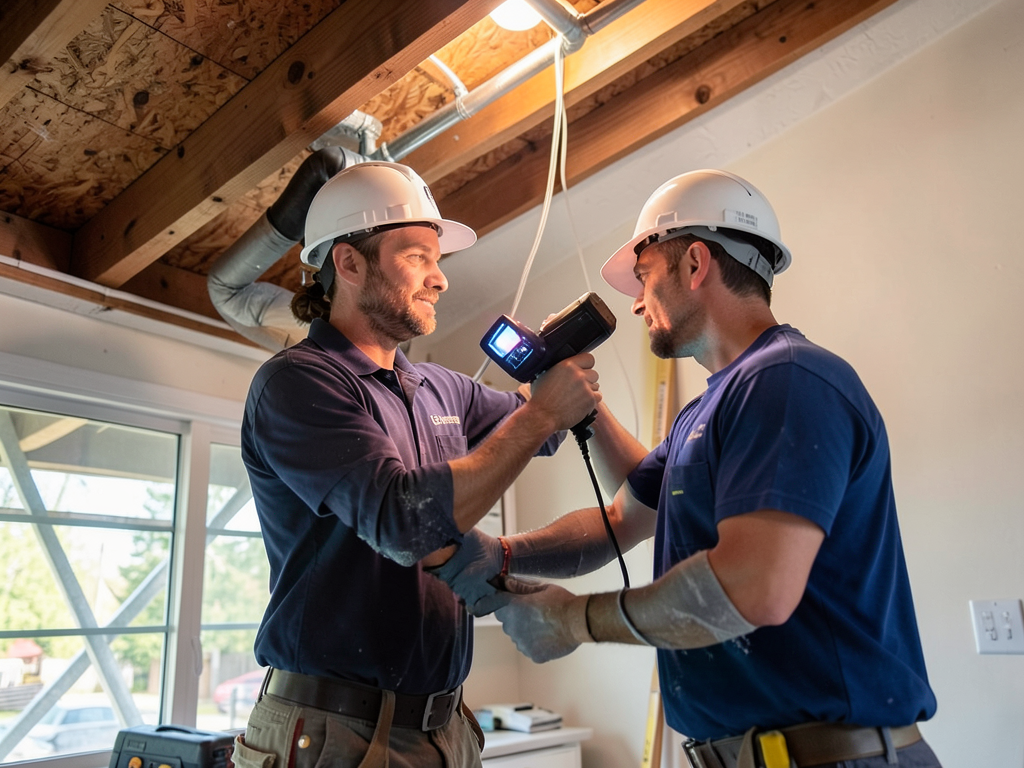
The diagnostic process for identifying these issues requires more than a visual inspection. Professional roofers use moisture meters to detect elevated readings in wood that appears dry to the touch. They also employ thermal imaging cameras to identify temperature variations that indicate moisture accumulation behind surfaces.
The Ventilation System: Your First Line of Defense
Proper attic ventilation works on a simple principle: replace warm, moist air with cooler, drier air from outside. In Orlando’s climate, this process needs to happen continuously to prevent moisture buildup that leads to mold growth.
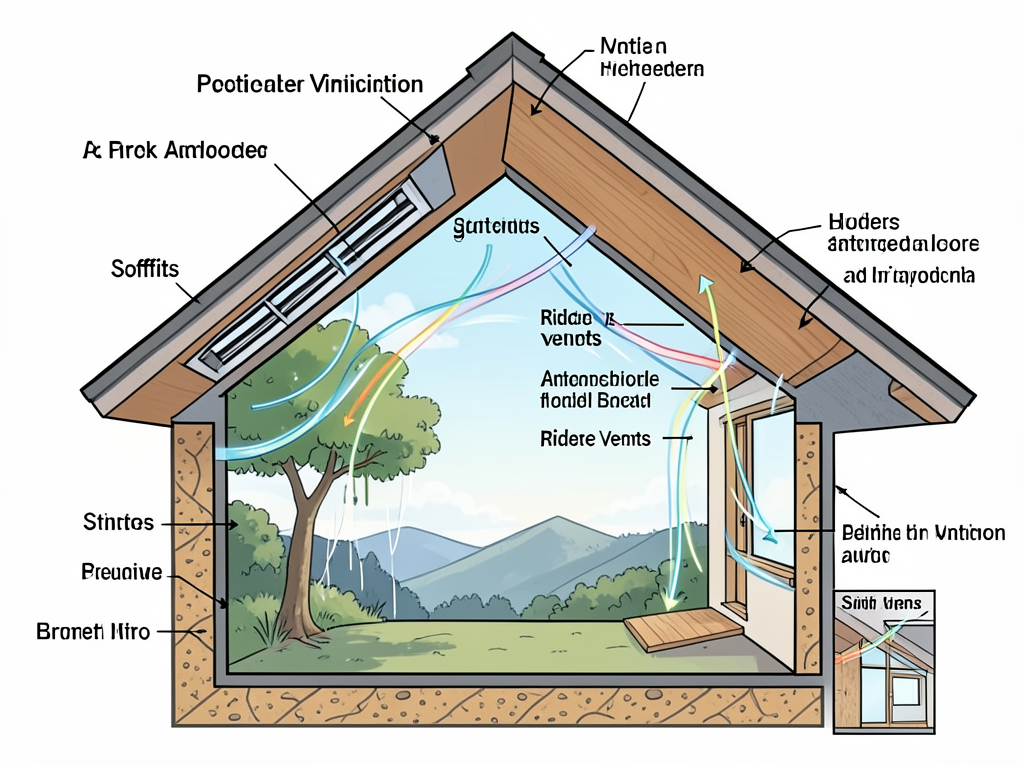
Effective ventilation systems use a combination of intake and exhaust vents. Soffit vents draw cool air into the attic at the lowest point, while ridge vents or powered fans expel hot air at the highest point. This creates continuous airflow that carries moisture out before it can condense on surfaces.
The math behind proper ventilation is straightforward but critical. For every 300 square feet of attic floor space, you need at least 1 square foot of net free ventilation area. Half of this should come from intake vents (soffits) and half from exhaust vents (ridge or gable). In Orlando’s humid climate, many experts recommend increasing these ratios by 25-30% to account for the additional moisture load.
Solar-powered attic fans have become increasingly popular in Orlando for their energy efficiency and ability to move large volumes of air. These units can exchange the entire attic air volume every 3-5 minutes during peak sunlight hours, significantly reducing moisture buildup. However, they must be properly sized and installed to avoid creating negative pressure that can pull conditioned air from living spaces below. Is Solar Roofing Actually Worth the Investment for Orlando Residents?.
Blocked or insufficient soffit vents are among the most common ventilation failures in Orlando homes. Insulation often falls into soffit areas over time, or homeowners install new insulation without proper baffles to maintain airflow channels. Without these channels, cool air cannot enter the attic, and the entire ventilation system fails.
Structural Damage: When Mold Attacks Your Roof Deck
Mold doesn’t just discolor surfaces—it actively breaks down the wood fibers in your roof decking. In Orlando’s accelerated climate, this degradation happens much faster than in cooler regions. The most destructive mold species, Stachybotrys chartarum (commonly called black mold), can penetrate wood surfaces and begin breaking down cellulose within days of establishing itself.
The damage pattern typically starts at the surface and works inward. Initial colonization appears as surface staining, but as the mold matures, it sends hyphae (root-like structures) into the wood. These structures break down lignin, the compound that gives wood its structural integrity. Once this process begins, the wood becomes spongy and loses its ability to support roof loads.
OSB (oriented strand board) decking, common in homes built after the 1980s, is particularly vulnerable to mold damage. The wood chips and resin binders in OSB provide excellent food sources for mold, and the material’s layered structure allows moisture to spread laterally across the deck. In severe cases, entire sections of OSB can lose 50% or more of their structural strength within months of mold colonization.
The cost differential between early intervention and full replacement is substantial. Minor mold remediation with improved ventilation might cost $1,500-$3,000. However, if the decking becomes structurally compromised, you’re looking at $8,000-$15,000 for partial deck replacement plus new underlayment and shingles. In cases of extensive damage, total roof replacement costs can exceed $20,000 for an average Orlando home.
Insurance coverage for mold damage varies significantly. Most Orlando homeowners’ policies cover mold resulting from sudden roof leaks but exclude damage from long-term moisture problems or poor maintenance. This distinction makes regular inspections critical—insurance companies often deny claims for mold that could have been prevented through proper maintenance.
Professional Inspection vs. DIY Assessment
While homeowners can spot obvious signs of attic mold, professional inspections reveal issues that remain hidden to untrained eyes. The difference in thoroughness and accuracy can mean catching problems early versus facing major repairs later.
Professional roofers use specialized tools that go beyond visual inspection. Moisture meters can detect elevated readings in wood that feels dry to the touch. Thermal imaging cameras identify temperature variations that indicate moisture accumulation behind surfaces. Borescopes allow inspection of tight spaces without removing drywall or insulation.
During a professional inspection, technicians measure several critical factors:
- Relative humidity levels in the attic (should be below 60% in Orlando)
- Temperature differentials between attic air and roof surfaces
- Moisture content in wood decking (should be below 18%)
- Airflow rates through ventilation systems
- Integrity of vapor barriers and insulation
The inspection process also includes evaluating the entire roofing system. Technicians check for missing or damaged shingles, compromised flashing around chimneys and vents, and proper installation of underlayment. These exterior issues often contribute to attic moisture problems even when ventilation appears adequate. Best Roofing Materials for Older Bungalows in Thornton Park.
DIY inspections have value for early detection but limitations in accuracy. Homeowners can safely check accessible areas of the attic for visible mold, water stains, or rust on metal components. However, without proper safety equipment and diagnostic tools, they may miss early-stage problems or misidentify the source of moisture intrusion.
The cost of professional inspection varies by home size but typically ranges from $200-$400 in the Orlando area. Given that early detection can prevent $10,000+ in repairs, this investment often pays for itself many times over.
Prevention Strategies: Stopping Mold Before It Starts
Preventing attic mold requires a systematic approach that addresses all potential moisture sources. The most effective prevention combines proper ventilation with moisture control at every entry point.
Start with the bathroom exhaust fans. Many Orlando homes have fans that vent directly into the attic rather than through the roof. This practice dumps warm, moist air into the attic space every time someone showers. Rerouting these vents to terminate outside through dedicated roof jacks eliminates this constant moisture source.
Kitchen range hoods present a similar problem. Recirculating hoods or those venting into the attic contribute to moisture buildup. Installing proper ducting to vent outside removes another significant moisture source from your attic environment.
Attic insulation plays a crucial role in mold prevention. Proper insulation maintains temperature differentials that prevent condensation on cool surfaces. In Orlando, the recommended R-value for attic insulation is R-30 to R-60, depending on your specific location within Central Florida. However, insulation must be installed with proper ventilation channels to be effective.
Vapor barriers deserve careful consideration. While they prevent moisture from migrating into the attic from living spaces below, improper installation can trap moisture against roof decking. In Orlando’s climate, many building professionals recommend breathable barriers that allow some moisture transmission while still reducing overall humidity levels.
Regular maintenance prevents small issues from becoming major problems. Schedule annual roof inspections to check for damaged shingles, compromised flashing, or blocked ventilation. Clean soffit vents annually to ensure they remain unobstructed. Check bathroom and kitchen vents quarterly to confirm they’re functioning properly and not leaking moisture into the attic.
Consider upgrading to smart ventilation systems that monitor attic conditions and adjust fan speeds automatically. These systems use humidity and temperature sensors to maintain optimal conditions, running harder during peak moisture periods and slowing during dry conditions. While the initial investment is higher, they provide superior moisture control compared to passive systems.
Cost Comparison: Prevention vs. Remediation
Understanding the financial implications of different approaches helps homeowners make informed decisions about mold prevention and treatment.
| Service Type | Average Cost (Orlando) | Lifespan Impact | Prevention Value |
|---|---|---|---|
| Annual Professional Inspection | $250-400 | N/A | High – Early detection |
| Ventilation Upgrade (Soffit + Ridge) | $1,800-3,500 | 25+ years | Very High – Prevents moisture |
| Solar Attic Fan Installation | $800-1,500 | 10-15 years | High – Active moisture removal |
| Minor Mold Remediation | $1,500-3,000 | N/A | Medium – Addresses existing issues |
| Partial Deck Replacement | $8,000-15,000 | 20-30 years | Low – Reactive solution |
| Full Roof Replacement | $12,000-25,000 | 20-25 years | Very Low – Last resort |
The data shows that prevention consistently costs less than remediation. For example, spending $2,500 on improved ventilation might extend your roof’s life by 10 years, while waiting until mold damage requires deck replacement could cost $12,000 for the same repair plus additional work.
Energy efficiency improvements often accompany ventilation upgrades. Better airflow reduces attic temperatures by 20-30°F during summer months, decreasing cooling costs by 10-15%. These savings can offset the cost of ventilation improvements within 3-5 years while providing the added benefit of mold prevention.
Insurance considerations also factor into the cost equation. Many insurers offer premium discounts for homes with documented proper ventilation and recent inspections. These discounts, typically 5-10% annually, can provide additional financial justification for preventive measures.
After the Storm: Hurricane Season Mold Prevention
Orlando’s hurricane season, running from June through November, creates unique challenges for attic mold prevention. Heavy rainfall and wind-driven moisture can overwhelm even well-designed ventilation systems, making post-storm inspections critical.
After a major storm, check your attic for signs of water intrusion even if you don’t see obvious roof damage. Wind-driven rain can penetrate through small gaps around vents, chimneys, or damaged shingles. This moisture, combined with the already high humidity, creates ideal conditions for rapid mold growth.
Look for these specific indicators after storms:
- Water stains on rafters or decking that weren’t present before
- Wet insulation in corners or near roof penetrations
- Condensation on metal surfaces that persists for more than 24 hours
- Musty odors that develop within days of the storm
Emergency tarping services can prevent further water intrusion while permanent repairs are arranged. However, don’t assume the tarp eliminates mold risk. The moisture already present in the attic will continue to support mold growth until it’s properly dried and treated. Emergency Tarping Service.
Post-storm drying is critical. Use fans and dehumidifiers to remove moisture from affected areas within 48 hours of water exposure. This timeframe is crucial—mold can begin establishing itself within 24-48 hours of moisture exposure, and once established, it becomes much harder to eliminate.
Document all storm damage with photos before beginning any cleanup or repairs. This documentation supports insurance claims and helps professionals assess the full extent of damage. Include wide-angle shots of the entire attic as well as close-ups of specific problem areas.
Consider scheduling a professional inspection within two weeks of any major storm event. This timing allows for initial drying while still catching problems before they become severe. Many Orlando roofing companies offer discounted post-storm inspections for existing customers.
Building Code Compliance and Mold Prevention
Orlando and Orange County building codes include specific requirements for attic ventilation and moisture control that directly impact mold prevention. Understanding these requirements helps homeowners ensure their roofing systems meet minimum standards for moisture management.
Florida Building Code Section 1203.2 mandates minimum ventilation area of 1/150 of the vented space. However, Section 1203.2.1 provides an exception allowing 1/300 ratio when certain conditions are met, including the use of vapor retarders and balanced ventilation systems. In Orlando’s humid climate, the more stringent 1/150 ratio is often recommended despite the code exception.
The code also specifies requirements for vent placement. Intake vents must be located in the bottom 3 feet of the roof assembly, while exhaust vents must be within 3 feet of the ridge. This configuration ensures proper airflow from bottom to top, preventing dead zones where moisture can accumulate.
Fire safety considerations affect ventilation choices in Orlando. Section 1203.5 prohibits the use of certain plastic ridge vents in high-fire-risk areas, requiring metal or other approved materials instead. This requirement can impact ventilation effectiveness and must be considered when planning upgrades.
Building permits are required for most ventilation modifications in Orlando. The permitting process includes plan review to ensure compliance with current codes and inspection to verify proper installation. While this adds time and cost to ventilation projects, it provides assurance that work meets safety and performance standards.
Energy efficiency standards in Florida also influence ventilation requirements. The Florida Energy Code mandates specific insulation levels and requires that ventilation improvements be considered as part of overall energy performance. This holistic approach often leads to better moisture control as a side benefit of energy upgrades.
Frequently Asked Questions
How quickly can mold grow in an Orlando attic?
Mold can begin colonizing wood surfaces within 24-48 hours of moisture exposure in Orlando’s humid climate. The warm temperatures and high humidity create ideal growth conditions that accelerate the process compared to cooler, drier regions.
Can I install attic ventilation myself or should I hire a professional?
While basic ventilation improvements like adding roof vents can be DIY projects, professional installation ensures proper sizing, placement, and code compliance. Professionals also have diagnostic tools to identify hidden moisture problems that DIY approaches miss.
Will improving attic ventilation lower my energy bills?
Yes, proper ventilation can reduce cooling costs by 10-15% in Orlando by lowering attic temperatures by 20-30°F during summer months. This energy savings often helps offset the cost of ventilation improvements within 3-5 years.
How often should I have my attic inspected for mold?
Annual inspections are recommended for most Orlando homes, with additional checks after major storms or if you notice warning signs like musty odors or ceiling stains. Homes with known ventilation issues may benefit from twice-yearly inspections.
Does homeowners insurance cover mold damage in Orlando?
Coverage varies by policy, but most Orlando homeowners’ insurance covers mold resulting from sudden roof leaks while excluding damage from long-term moisture problems or poor maintenance. Documented preventive maintenance improves claim success rates.
What’s the difference between mold remediation and mold prevention?
Remediation removes existing mold growth and may involve replacing damaged materials. Prevention focuses on eliminating the moisture conditions that allow mold to grow in the first place, typically through improved ventilation and moisture control.
Attic mold represents a serious threat to your Orlando home’s structural integrity and your family’s health. The combination of high humidity, frequent storms, and temperature extremes creates conditions where mold can establish itself quickly and cause extensive damage before homeowners notice problems.
The good news is that most mold problems are preventable with proper ventilation, regular maintenance, and prompt attention to warning signs. Understanding the connection between your roof system and attic moisture allows you to take proactive steps that protect your investment and prevent costly repairs.
Don’t wait until you smell musty odors or see dark stains on your ceiling. Take action now to ensure your attic ventilation system is functioning properly. A small investment in prevention can save you thousands in repairs and extend the life of your roof by many years.
Call (689) 268-2855 today to schedule your professional attic inspection. Our experienced technicians will evaluate your ventilation system, identify potential moisture problems, and recommend solutions tailored to Orlando’s unique climate challenges. Don’t let another humid summer destroy your roof from the inside out.
Pick up the phone and call (689) 268-2855 before the next storm hits. Early detection and prevention are your best defenses against attic mold damage in Orlando’s challenging climate. For more information, visit CDC mold information.
{
“@context”: “https://schema.org”,
“@type”: “BlogPosting”,
“headline”: “How to stop attic mold from destroying your roof in the humid Orlando summers”,
“description”: “Learn how Orlando’s extreme humidity creates attic mold that destroys roofs. Discover ventilation fixes, warning signs, and professional solutions to protect your home.”,
“wordCount”: 3068,
“datePublished”: “2026-04-03T14:45:00.000Z”,
“dateModified”: “2026-04-03T14:45:00.000Z”,
“inLanguage”: “en-US”,
“mainEntityOfPage”: {
“@type”: “WebPage”,
“@id”: “https://allproroofingorlando.com”
},
“publisher”: {
“@type”: “LocalBusiness”,
“name”: “All Pro Roofing Orlando”,
“url”: “https://allproroofingorlando.com”
},
“author”: {
“@type”: “Organization”,
“name”: “All Pro Roofing Orlando”,
“url”: “https://allproroofingorlando.com”
},
“image”: {
“@type”: “ImageObject”,
“url”: “https://allproroofingorlando.com/wp-content/uploads/2026/03/how-to-stop-attic-mold-from-destroying-your-roof-i-1.png”
}
}
{
“@context”: “https://schema.org”,
“@type”: “RoofingContractor”,
“name”: “All Pro Roofing Orlando”,
“url”: “https://allproroofingorlando.com”,
“address”: {
“@type”: “PostalAddress”,
“addressLocality”: “Orlando”
},
“areaServed”: {
“@type”: “City”,
“name”: “Orlando”
}
}
{
“@context”: “https://schema.org”,
“@type”: “FAQPage”,
“mainEntity”: [
{
“@type”: “Question”,
“name”: “How quickly can mold grow in an Orlando attic?”,
“acceptedAnswer”: {
“@type”: “Answer”,
“text”: “Mold can begin colonizing wood surfaces within 24-48 hours of moisture exposure in Orlando’s humid climate. The warm temperatures and high humidity create ideal growth conditions that accelerate the process compared to cooler, drier regions.”
}
},
{
“@type”: “Question”,
“name”: “Can I install attic ventilation myself or should I hire a professional?”,
“acceptedAnswer”: {
“@type”: “Answer”,
“text”: “While basic ventilation improvements like adding roof vents can be DIY projects, professional installation ensures proper sizing, placement, and code compliance. Professionals also have diagnostic tools to identify hidden moisture problems that DIY approaches miss.”
}
},
{
“@type”: “Question”,
“name”: “Will improving attic ventilation lower my energy bills?”,
“acceptedAnswer”: {
“@type”: “Answer”,
“text”: “Yes, proper ventilation can reduce cooling costs by 10-15% in Orlando by lowering attic temperatures by 20-30°F during summer months. This energy savings often helps offset the cost of ventilation improvements within 3-5 years.”
}
},
{
“@type”: “Question”,
“name”: “How often should I have my attic inspected for mold?”,
“acceptedAnswer”: {
“@type”: “Answer”,
“text”: “Annual inspections are recommended for most Orlando homes, with additional checks after major storms or if you notice warning signs like musty odors or ceiling stains. Homes with known ventilation issues may benefit from twice-yearly inspections.”
}
},
{
“@type”: “Question”,
“name”: “Does homeowners insurance cover mold damage in Orlando?”,
“acceptedAnswer”: {
“@type”: “Answer”,
“text”: “Coverage varies by policy, but most Orlando homeowners’ insurance covers mold resulting from sudden roof leaks while excluding damage from long-term moisture problems or poor maintenance. Documented preventive maintenance improves claim success rates.”
}
},
{
“@type”: “Question”,
“name”: “What’s the difference between mold remediation and mold prevention?”,
“acceptedAnswer”: {
“@type”: “Answer”,
“text”: “Remediation removes existing mold growth and may involve replacing damaged materials. Prevention focuses on eliminating the moisture conditions that allow mold to grow in the first place, typically through improved ventilation and moisture control.”
}
}
]
}
{
“@context”: “https://schema.org”,
“@type”: “BreadcrumbList”,
“itemListElement”: [
{
“@type”: “ListItem”,
“position”: 1,
“name”: “Home”,
“item”: “https://allproroofingorlando.com”
},
{
“@type”: “ListItem”,
“position”: 2,
“name”: “Blog”,
“item”: “https://allproroofingorlando.com/blog”
},
{
“@type”: “ListItem”,
“position”: 3,
“name”: “How to stop attic mold from destroying your roof in the humid Orlando summers”
}
]
}
{
“@context”: “https://schema.org”,
“@type”: “Service”,
“serviceType”: “Roofing”,
“provider”: {
“@type”: “LocalBusiness”,
“name”: “All Pro Roofing Orlando”,
“url”: “https://allproroofingorlando.com”
},
“areaServed”: {
“@type”: “City”,
“name”: “Orlando”
},
“description”: “Learn how Orlando’s extreme humidity creates attic mold that destroys roofs. Discover ventilation fixes, warning signs, and professional solutions to protect your home.”
}