
Do gutter guards actually work for the heavy oak trees in Apopka?
If you live in Apopka surrounded by towering oaks you have probably wondered if gutter guards are worth the investment. The short answer is yes but only the right type. Standard guards clog quickly with oak leaves and spring catkins but specialized micro-mesh systems designed for Central Florida’s heavy rainfall and oak debris can reduce cleaning from several times a year to once annually. The key is choosing guards with aperture sizes under 50 microns that can handle both the waxy leaves and the fine pollen tassels that fall each spring. Florida Building Code.
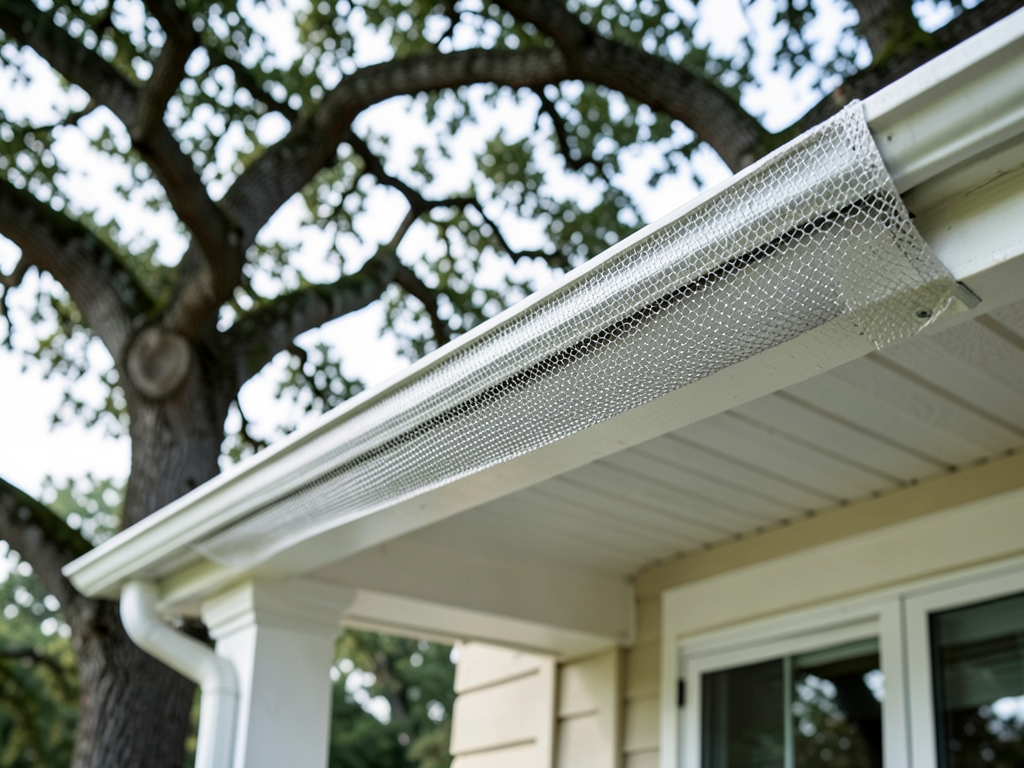
Why Apopka’s oak trees create unique gutter challenges
Apopka’s signature Live Oaks and Laurel Oaks shed differently than trees in other regions. Live Oaks drop leaves year-round not just in fall creating a constant debris stream. The real nightmare comes in spring when these trees release catkins – those long stringy pollen tassels that turn into a thick sticky sludge when mixed with rainwater. This combination clogs standard mesh guards within weeks.
The problem compounds during Florida’s summer thunderstorms. When rainfall exceeds 2 inches per hour water can actually skip over improperly designed guards causing overflow that damages fascia boards and creates foundation issues. Apopka’s clay-heavy soil already struggles with drainage so gutter overflow can lead to serious structural problems.
According to Orange County building codes gutter systems in high-debris areas must maintain 100% flow capacity even when partially clogged. Most retail guards fail this standard within the first heavy storm season. Orange County building codes.
The science behind effective oak debris management
Oak leaves contain high levels of tannins – organic compounds that create acidic sludge when decomposed in standing water. This acidic mixture corrodes aluminum guards and creates perfect conditions for algae growth. Professional-grade guards use surgical-grade stainless steel mesh with copper-infused coatings that resist this chemical breakdown.
The aperture size matters tremendously. Guards with openings larger than 100 microns allow oak pollen and silt to pass through creating sediment layers that eventually block downspouts. The most effective systems use multi-layer filtration – a coarse outer layer to handle large debris and a fine inner layer that blocks particles down to 25 microns.
Water adhesion technology also plays a crucial role. High-quality guards use surface tension principles to draw water into the gutter even during heavy downpours preventing the bypass that causes overflow during Florida’s intense summer storms.
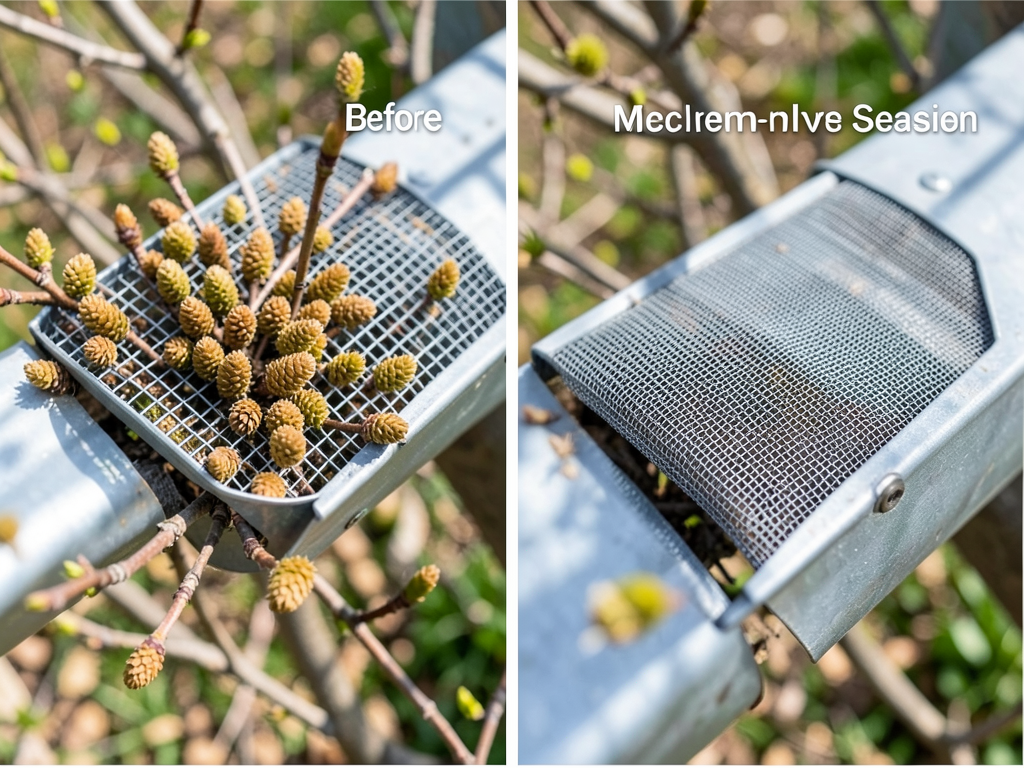
Comparing gutter guard types for Apopka’s oak trees
| Guard Type | Oak Debris Performance | Rainfall Capacity | Maintenance Frequency | Best For |
|---|---|---|---|---|
| Standard Mesh | Poor – clogs in 30 days | 2.5 GPM | Monthly | Light debris areas |
| Micro-Mesh | Excellent – handles catkins | 8+ GPM | Annually | Heavy oak coverage |
| Surface Tension | Good – misses small debris | 5 GPM | Quarterly | Minimal leaf drop |
| Foam Inserts | Poor – absorbs debris | 1.5 GPM | Monthly | Temporary solution |
Micro-mesh guards outperform other types specifically because they address both the size and volume challenges unique to Apopka’s oak trees. The fine mesh prevents even the smallest catkin fragments from entering while maintaining high water flow rates during storms.
Surface tension guards seem appealing but have a critical weakness in Florida’s climate. When oak leaves get wet they become heavy and can bridge across the guard’s surface creating dams that cause overflow. During Apopka’s typical summer pattern of afternoon thunderstorms this overflow happens repeatedly.
Installation factors that determine success
Professional installation makes the difference between a system that works and one that fails. The pitch of your roof affects how debris slides off guards – too steep and debris accumulates at the bottom edge too shallow and debris sits on top. Most Apopka homes with 4:12 to 6:12 roof pitches need guards installed at specific angles to encourage debris shedding.
The attachment method matters for hurricane resistance. Florida Building Code requires guards in wind zones to withstand uplift forces of 140+ mph. This means using bracket systems rather than adhesive strips especially on older homes in Apopka’s historic districts where fascia boards may be compromised.
Proper alignment with downspouts prevents dead zones where debris accumulates. Guards should extend slightly beyond the drip edge to ensure water flows into the gutter rather than down the fascia. This small detail prevents the wood rot that’s common in older Apopka neighborhoods.
Cost vs. long-term value analysis
Professional micro-mesh guard installation in Apopka ranges from $15 to $25 per linear foot compared to $3 to $8 for retail systems. The price difference reflects material quality and installation expertise. Professional systems use marine-grade aluminum frames and stainless steel mesh that withstand Florida’s UV exposure and salt air.
Consider the hidden costs of cheaper systems. Annual cleaning services run $150 to $300 per visit. If you need three cleanings yearly that’s $450 to $900 annually. A quality guard system pays for itself in 3 to 5 years while eliminating the ladder work and safety risks of DIY cleaning.
Insurance companies in Florida increasingly recognize certified gutter guard installations as risk mitigation potentially lowering premiums. Some policies now require documented maintenance of gutter systems to maintain coverage for water damage claims.
Maintenance requirements and realistic expectations
No gutter guard is completely maintenance-free especially with oak trees. Even the best systems need annual inspection and occasional flushing. The difference is scale – instead of removing buckets of decomposed leaves you’re rinsing away a thin layer of pollen dust. Reliable Roof Inspection Services for Home Buyers in Winter Garden.
Spring requires special attention. After the catkin drop in March and April a thorough cleaning prevents the acidic sludge from forming. This timing coincides with the beginning of Florida’s rainy season making it crucial for system performance.
Check for granule loss from asphalt shingles. As roofs age they shed granules that can accumulate on guard surfaces and reduce water flow. This is particularly important for homes near State Road 436 where road dust combines with organic debris.
Professional assessment: is it worth it for your home?
The answer depends on your specific situation. Homes with multiple large oaks within 30 feet of the roof need guards more than properties with isolated trees. The age of your roof matters too – older roofs shed more granules creating additional debris that mixes with oak leaves.
Consider your physical ability to maintain gutters. If climbing ladders is difficult or impossible the safety benefit alone justifies the investment. For rental properties guards reduce maintenance calls and tenant complaints about water overflow during storms.
The environmental impact matters to many Apopka residents. Guards prevent the need for chemical cleaners that harm local waterways and reduce the amount of organic waste sent to landfills from frequent gutter cleaning.
Making the right choice for your Apopka home
Start with a professional assessment of your roof’s pitch tree proximity and existing gutter condition. Look for contractors who understand Florida’s specific challenges – not just any gutter guard installer but someone familiar with Apopka’s oak species and rainfall patterns.
Ask about warranty specifics. Many manufacturers offer 20+ year warranties but void them if installed by uncertified contractors. Verify that the warranty covers both materials and labor and understand what maintenance is required to keep it valid. Best Roofing Materials for Older Bungalows in Thornton Park.
Request before-and-after photos of similar installations in your area. A reputable contractor should have examples from neighborhoods like Rock Springs Plymouth or Errol Estate where oak tree density creates similar challenges.
Frequently Asked Questions
How long do gutter guards last in Florida’s climate?
Quality micro-mesh guards installed professionally typically last 15 to 25 years in Florida. The limiting factor is usually UV degradation of the frame rather than the mesh itself. Guards with powder-coated aluminum frames outlast those with painted steel.
Can I install gutter guards myself to save money?
DIY installation often leads to problems. Incorrect pitch alignment causes debris accumulation improper fastening fails under hurricane winds and using the wrong type for your specific trees wastes money. Professional installation includes proper assessment and warranty coverage that DIY cannot provide.
Do gutter guards eliminate the need for downspout cleaning?
Guards reduce but don’t eliminate downspout maintenance. Small particles can still enter through seams or overflow points. Annual downspout inspection ensures your entire system functions properly especially important before hurricane season.
What happens if guards get damaged during a storm?
Quality systems are designed to withstand normal storm conditions. If damage occurs most professional installations include storm damage assessment as part of their service. Minor damage rarely affects overall performance but significant issues should be repaired promptly to prevent water intrusion.
Next Steps for Apopka Homeowners
The best time to install gutter guards is late spring after the oak catkin drop but before hurricane season. This timing allows you to start the rainy season with maximum protection and prevents the spring sludge from forming in your gutters.
Schedule a professional assessment to determine which guard type suits your specific tree coverage and roof configuration. A thorough evaluation includes checking fascia condition measuring roof pitch and assessing tree proximity – factors that determine system effectiveness.
Call (689) 268-2855 today to schedule your free assessment. Our Apopka specialists understand the unique challenges oak trees create and can recommend solutions that actually work in our specific climate. Don’t wait until the next heavy rain reveals your system’s weaknesses.
Pick up the phone and call (689) 268-2855 before the next storm hits. We’ll evaluate your current setup explain your options clearly and provide a written quote with no high-pressure sales tactics. Your gutters protect your entire home – make sure they’re ready for whatever Florida weather brings.
For more information about protecting your home from water damage visit our roofing materials guide or learn about energy-efficient options that can reduce your cooling costs while adding protection.
{
“@context”: “https://schema.org”,
“@type”: “BlogPosting”,
“headline”: “Do gutter guards actually work for the heavy oak trees in Apopka?”,
“description”: “Learn which gutter guards handle Apopka’s oak trees best. Discover micro-mesh systems that prevent clogs and reduce maintenance in Central Florida’s climate.”,
“wordCount”: 1626,
“datePublished”: “2026-04-06T11:32:00.000Z”,
“dateModified”: “2026-04-06T11:32:00.000Z”,
“inLanguage”: “en-US”,
“mainEntityOfPage”: {
“@type”: “WebPage”,
“@id”: “https://allproroofingorlando.com”
},
“publisher”: {
“@type”: “LocalBusiness”,
“name”: “All Pro Roofing Orlando”,
“url”: “https://allproroofingorlando.com”
},
“author”: {
“@type”: “Organization”,
“name”: “All Pro Roofing Orlando”,
“url”: “https://allproroofingorlando.com”
},
“image”: {
“@type”: “ImageObject”,
“url”: “https://allproroofingorlando.com/wp-content/uploads/2026/03/do-gutter-guards-actually-work-for-the-heavy-oak-t-1.png”
}
}
{
“@context”: “https://schema.org”,
“@type”: “RoofingContractor”,
“name”: “All Pro Roofing Orlando”,
“url”: “https://allproroofingorlando.com”,
“address”: {
“@type”: “PostalAddress”,
“addressLocality”: “Orlando”
},
“areaServed”: {
“@type”: “City”,
“name”: “Orlando”
}
}
{
“@context”: “https://schema.org”,
“@type”: “FAQPage”,
“mainEntity”: [
{
“@type”: “Question”,
“name”: “Professional assessment: is it worth it for your home?”,
“acceptedAnswer”: {
“@type”: “Answer”,
“text”: “The answer depends on your specific situation. Homes with multiple large oaks within 30 feet of the roof need guards more than properties with isolated trees. The age of your roof matters too – older roofs shed more granules creating additional debris that mixes with oak leaves.”
}
},
{
“@type”: “Question”,
“name”: “How long do gutter guards last in Florida’s climate?”,
“acceptedAnswer”: {
“@type”: “Answer”,
“text”: “Quality micro-mesh guards installed professionally typically last 15 to 25 years in Florida. The limiting factor is usually UV degradation of the frame rather than the mesh itself. Guards with powder-coated aluminum frames outlast those with painted steel.”
}
},
{
“@type”: “Question”,
“name”: “Can I install gutter guards myself to save money?”,
“acceptedAnswer”: {
“@type”: “Answer”,
“text”: “DIY installation often leads to problems. Incorrect pitch alignment causes debris accumulation improper fastening fails under hurricane winds and using the wrong type for your specific trees wastes money. Professional installation includes proper assessment and warranty coverage that DIY cannot provide.”
}
},
{
“@type”: “Question”,
“name”: “Do gutter guards eliminate the need for downspout cleaning?”,
“acceptedAnswer”: {
“@type”: “Answer”,
“text”: “Guards reduce but don’t eliminate downspout maintenance. Small particles can still enter through seams or overflow points. Annual downspout inspection ensures your entire system functions properly especially important before hurricane season.”
}
},
{
“@type”: “Question”,
“name”: “What happens if guards get damaged during a storm?”,
“acceptedAnswer”: {
“@type”: “Answer”,
“text”: “Quality systems are designed to withstand normal storm conditions. If damage occurs most professional installations include storm damage assessment as part of their service. Minor damage rarely affects overall performance but significant issues should be repaired promptly to prevent water intrusion.”
}
}
]
}
{
“@context”: “https://schema.org”,
“@type”: “BreadcrumbList”,
“itemListElement”: [
{
“@type”: “ListItem”,
“position”: 1,
“name”: “Home”,
“item”: “https://allproroofingorlando.com”
},
{
“@type”: “ListItem”,
“position”: 2,
“name”: “Blog”,
“item”: “https://allproroofingorlando.com/blog”
},
{
“@type”: “ListItem”,
“position”: 3,
“name”: “Do gutter guards actually work for the heavy oak trees in Apopka?”
}
]
}
{
“@context”: “https://schema.org”,
“@type”: “Service”,
“serviceType”: “Roofing”,
“provider”: {
“@type”: “LocalBusiness”,
“name”: “All Pro Roofing Orlando”,
“url”: “https://allproroofingorlando.com”
},
“areaServed”: {
“@type”: “City”,
“name”: “Orlando”
},
“description”: “Learn which gutter guards handle Apopka’s oak trees best. Discover micro-mesh systems that prevent clogs and reduce maintenance in Central Florida’s climate.”
}