
How picking the wrong roof color can bake your home in Saint Cloud
The wrong roof color in Saint Cloud can raise your attic temperature by 25-30 degrees and increase your cooling costs by up to 40%. In Central Florida’s relentless summer heat, that dark brown or black shingle you love might be turning your home into an oven. Here’s what every Saint Cloud homeowner needs to know before choosing their next roof color. Cool Roof Rating Council.
The science behind cool roofing in Florida’s heat
Roof color directly affects how much solar energy your home absorbs or reflects. Light-colored roofs reflect more sunlight, while dark roofs absorb heat like a sponge. In Saint Cloud’s climate, where summer temperatures regularly exceed 95°F, this difference translates directly to your electric bill. Is Solar Roofing Actually Worth the Investment for Orlando Residents?.
The Solar Reflectance Index (SRI) measures a roof’s ability to reject solar heat. An SRI rating of 100 represents a perfect white surface, while 0 represents a perfect black surface. Most standard dark shingles score below 20 on the SRI scale, while cool roof products can score above 80.
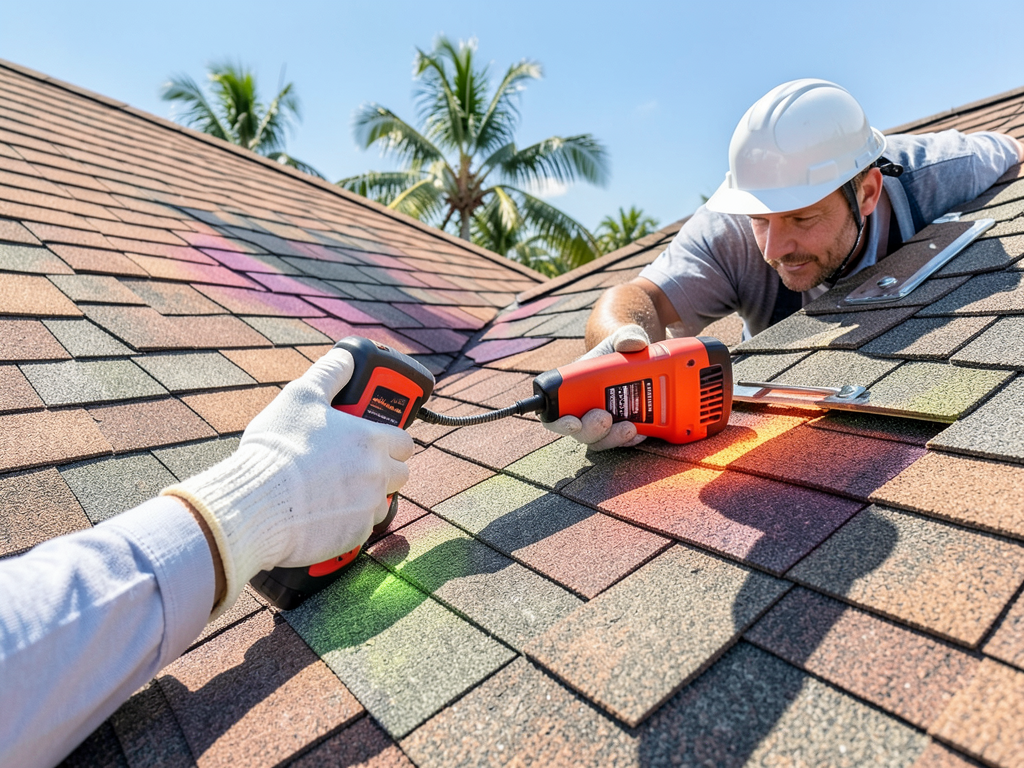
During a recent inspection in the Canoe Creek neighborhood, we used an infrared thermometer to measure surface temperatures. A standard dark brown shingle reached 178°F on a 92°F afternoon, while a light gray cool roof shingle registered just 132°F. That 46-degree difference means your air conditioner works significantly less to maintain comfortable indoor temperatures. Reliable Roof Inspection Services for Home Buyers in Winter Garden.
Top 5 roof colors for energy efficiency in Saint Cloud
Choosing the right color isn’t just about staying cool. It’s about finding the balance between energy efficiency, HOA compliance, and curb appeal. Here are the five most popular options for Saint Cloud homes: Choosing Between Shingle and Tile Roofs for Your Central Florida Home.
Arctic White
This bright white option offers the highest SRI ratings, often exceeding 80. While some homeowners worry about glare, modern cool roof technology includes specialized granules that reduce reflectivity while maintaining heat rejection. Arctic white works particularly well on Mediterranean-style homes common in the Kissimmee area.. Read more about Picking the Right Roof Color to Enhance the Curb Appeal of Your Rose Isle Estate.
Light Gray/Silver
Light gray provides excellent heat reflection with a more traditional appearance than white. These shingles typically score between 50-70 on the SRI scale and resist algae growth better than darker colors. The neutral tone complements most architectural styles in Saint Cloud’s established neighborhoods.. Read more about Choosing Between Composite Shingles and Traditional Wood Shake for Your Williamsburg Home.
Tan/Beige
Beige and tan shades offer a warm, inviting look while still providing good energy performance. Modern tan shingles can achieve SRI ratings of 40-60, making them a popular compromise for homeowners who want efficiency without the stark appearance of white.
Terra Cotta (Tile)
Clay and concrete tiles in terra cotta shades naturally reflect more heat than asphalt shingles. The curved shape also creates air channels that provide additional cooling. Many Saint Cloud homes near Lakefront Park feature these traditional Florida colors.
Mist Green
Light green shades offer a unique alternative that blends with Florida’s natural landscape while providing moderate heat reflection. These colors work well for homes surrounded by mature trees and landscaping.
Material matters: How color performance varies by roofing type
The same color performs differently depending on the roofing material. Understanding these differences helps you make the best choice for your specific home. Best Roofing Materials for Older Bungalows in Thornton Park.
Asphalt shingles rely on granule color for heat reflection. Light-colored shingles with cool roof technology can reflect up to 40% of solar energy. Dark shingles in this material absorb 90% or more of solar heat.
Metal roofing offers unique advantages regardless of color. Even dark metal roofs stay cooler than dark asphalt because metal conducts heat away from the surface more efficiently. A dark bronze metal roof might perform similarly to a light gray asphalt shingle in terms of heat absorption. TPO vs EPDM Roofing Guide.
Tile roofing provides natural cooling through its shape and material properties. Clay and concrete tiles create air pockets that insulate your home. Light-colored tiles can achieve SRI ratings above 70, while maintaining the traditional Florida aesthetic.
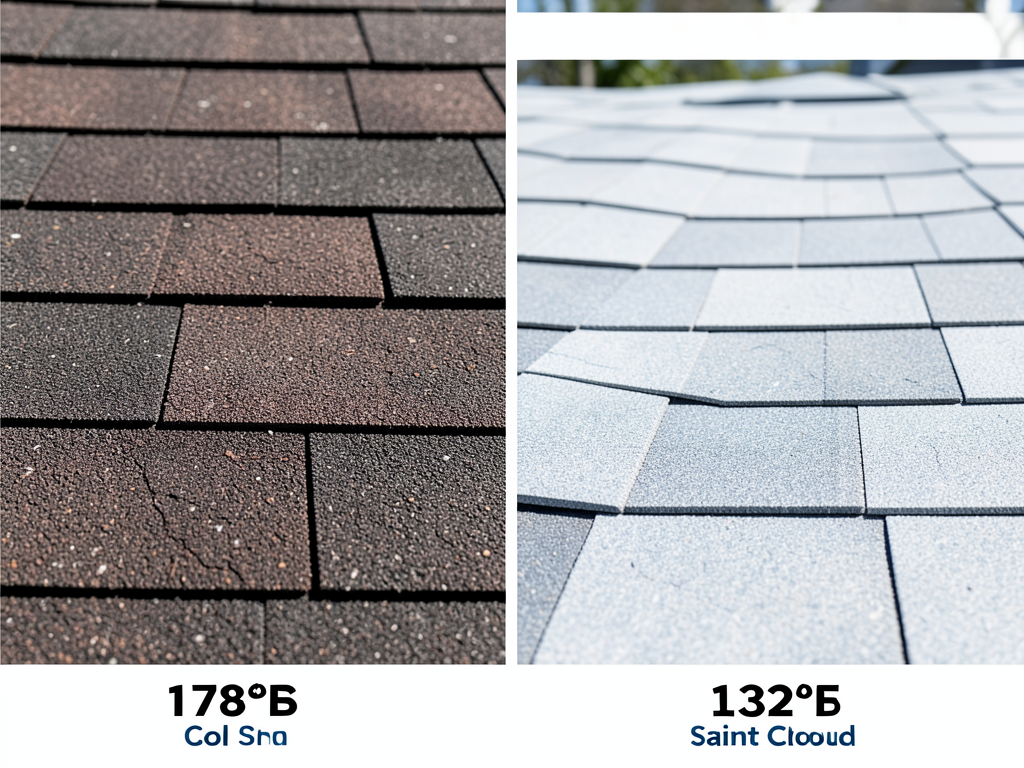
During a recent comparison in the Lakeside Park area, we measured a dark brown asphalt shingle at 178°F, a light gray asphalt shingle at 132°F, and a terra cotta tile roof at 145°F. The tile’s curved shape and natural material properties provided better cooling than expected for its darker color.
The ‘Orlando factor’: Humidity, algae, and cool roof maintenance
Central Florida’s high humidity creates unique challenges for roof color selection. Light-colored roofs are more susceptible to algae growth, specifically Gloeocapsa magma, which causes those black streaks you see on many roofs.
This algae thrives in warm, humid conditions and feeds on the limestone filler in asphalt shingles. Once established, it can reduce a roof’s reflective properties by up to 30%. Many modern shingles now include copper-infused granules that inhibit algae growth.
The Florida Building Code Section 9.4.1 requires roofing materials to meet specific wind resistance standards. In Saint Cloud’s hurricane-prone area, your cool roof must also withstand winds up to 140 mph. This means choosing products with proper Miami-Dade County NOA (Notice of Acceptance) ratings.
UV radiation in Central Florida is intense enough to degrade roofing materials faster than in northern climates. Light-colored roofs may show UV damage more quickly because the degradation process is more visible on lighter surfaces. However, the energy savings typically outweigh the slightly reduced lifespan.
Energy savings and ROI for Saint Cloud homeowners
Switching from a dark to a light roof in Saint Cloud can reduce your cooling costs by 15-40%, depending on your home’s orientation and insulation quality. For a typical 2,000-square-foot home, this translates to $200-600 in annual savings.
The payback period for cool roofing varies by material. Asphalt shingles with cool roof technology cost $1,000-2,000 more than standard shingles but pay for themselves in 3-5 years through energy savings. Premium metal or tile cool roofs cost more upfront but can last 50+ years.
Many utility companies offer rebates for cool roofing installations. Duke Energy and OUC provide incentives that can reduce your installation costs by $500-1,500. These programs often require products certified by the Cool Roof Rating Council (CRRC).
Beyond direct energy savings, cool roofs reduce thermal stress on your HVAC system. Your air conditioner runs less frequently and experiences less wear, potentially extending its lifespan by 2-3 years. In Florida’s climate, where AC units work year-round, this represents significant additional savings.
HOA considerations and neighborhood aesthetics
Before selecting your roof color, check your HOA guidelines. Many Saint Cloud communities have specific requirements about roof colors and materials. Some HOAs require approval before installation, even for the same color replacement.
Popular neighborhoods like Harmony and the Lakefront area often have color palettes that favor earth tones. However, modern cool roof products come in HOA-compliant colors that still provide energy benefits. A light tan cool roof might look identical to a standard tan roof but perform 30% better.
Consider your home’s architectural style when choosing color. Mediterranean homes look best with terra cotta or light clay tones. Contemporary homes can handle brighter whites or grays. Traditional Florida ranch homes often suit tan or light brown shades.
Dark accent colors can provide visual interest without sacrificing overall efficiency. Many homeowners choose light main roof colors with darker accent hips and ridges. This creates depth while maintaining high overall reflectivity.
Making the right choice for your Saint Cloud home
The best roof color for your home depends on several factors: your budget, HOA requirements, home style, and energy efficiency goals. Here’s a quick decision guide:
| Priority | Best Color Options | Estimated SRI | Typical Cost Premium |
|---|---|---|---|
| Maximum Energy Savings | Arctic White, Light Gray | 70-85 | $1,500-2,500 |
| HOA Friendly + Good Efficiency | Light Tan, Beige | 40-60 | $800-1,500 |
| Traditional Look + Moderate Savings | Terra Cotta Tile | 50-70 | $3,000-5,000 |
| Unique Aesthetic + Some Efficiency | Mist Green, Light Blue | 35-50 | $1,000-2,000 |
Remember that proper installation matters as much as color selection. Even the best cool roof product won’t perform well if installed incorrectly. Look for contractors certified by roofing manufacturers and familiar with Florida’s specific building requirements.
Consider your home’s orientation. South-facing roofs receive the most sun exposure and benefit most from light colors. East or west-facing roofs might prioritize aesthetic considerations slightly more, though energy efficiency remains important.
Installation and maintenance considerations
Proper attic ventilation enhances any roof color’s performance. Even a light-colored roof can trap heat if your attic lacks adequate airflow. Ensure your contractor evaluates your current ventilation system and recommends improvements if needed.
Regular maintenance keeps your cool roof performing optimally. Clean your gutters twice yearly to prevent water backup that can reduce reflective properties. Remove debris that might shade portions of your roof and create uneven heating patterns.
Inspect your roof annually for damage. Small issues like missing granules or cracked shingles can reduce energy efficiency over time. Early detection prevents minor problems from becoming major expenses.
Consider the long-term view. While dark roofs might look appealing initially, the energy costs and potential HVAC strain often make light colors the smarter financial choice over your roof’s 20-30 year lifespan.
Frequently Asked Questions
Will a light-colored roof make my home look washed out?
Modern cool roof products come in subtle shades that provide energy benefits without the stark appearance of pure white. Light gray, tan, and beige options look natural while still reflecting significant heat.
How much can I really save on my electric bill?
Homeowners typically see 15-40% reductions in cooling costs after switching to a light-colored roof. For a home with average cooling bills of $200 monthly, that’s $360-960 in annual savings.
Does cool roofing work in winter too?
Yes, but the benefits are less pronounced in Florida’s mild winters. The energy savings during our long cooling season far outweigh any minor heat gain you might experience in winter months.
Are cool roofs more expensive to install?
Standard cool roof asphalt shingles cost $1,000-2,000 more than conventional shingles. Premium options like metal or tile cool roofs cost more upfront but offer superior longevity and energy performance.
Can I just paint my existing dark roof white?
Roof coatings can provide some benefits but don’t offer the same performance as integrated cool roof products. They also require frequent reapplication and may void your shingle warranty.
Ready to choose the right roof color for your Saint Cloud home?
Selecting the perfect roof color involves balancing energy efficiency, HOA requirements, and your home’s architectural style. Don’t let another Florida summer bake your home and drain your wallet.
Our team at All Pro Roofing Orlando has helped hundreds of Saint Cloud homeowners make informed decisions about roof color and material selection. We understand the unique challenges of Central Florida’s climate and can recommend products that provide maximum energy savings while enhancing your home’s appearance.
Call (689) 268-2855 today to schedule your free roof color consultation. We’ll evaluate your current roof, discuss your goals, and provide detailed recommendations for keeping your home cooler and your energy bills lower.
Don’t wait until your next high electric bill arrives. Pick up the phone and call (689) 268-2855 before the next heat wave hits. Your home’s comfort and your wallet will thank you. For more information, visit Department of Energy cool roof information.
{
“@context”: “https://schema.org”,
“@type”: “BlogPosting”,
“headline”: “How picking the wrong roof color can bake your home in Saint Cloud”,
“description”: “Discover how roof color impacts your home’s energy efficiency in Saint Cloud’s intense Florida heat. Learn which colors save on cooling costs and which ones trap heat.”,
“wordCount”: 1871,
“datePublished”: “2026-04-10T15:59:00.000Z”,
“dateModified”: “2026-04-10T15:59:00.000Z”,
“inLanguage”: “en-US”,
“mainEntityOfPage”: {
“@type”: “WebPage”,
“@id”: “https://allproroofingorlando.com”
},
“publisher”: {
“@type”: “LocalBusiness”,
“name”: “All Pro Roofing Orlando”,
“url”: “https://allproroofingorlando.com”
},
“author”: {
“@type”: “Organization”,
“name”: “All Pro Roofing Orlando”,
“url”: “https://allproroofingorlando.com”
},
“image”: {
“@type”: “ImageObject”,
“url”: “https://allproroofingorlando.com/wp-content/uploads/2026/03/how-picking-the-wrong-roof-color-can-bake-your-hom-1.png”
}
}
{
“@context”: “https://schema.org”,
“@type”: “RoofingContractor”,
“name”: “All Pro Roofing Orlando”,
“url”: “https://allproroofingorlando.com”,
“address”: {
“@type”: “PostalAddress”,
“addressLocality”: “Orlando”
},
“areaServed”: {
“@type”: “City”,
“name”: “Orlando”
}
}
{
“@context”: “https://schema.org”,
“@type”: “FAQPage”,
“mainEntity”: [
{
“@type”: “Question”,
“name”: “Will a light-colored roof make my home look washed out?”,
“acceptedAnswer”: {
“@type”: “Answer”,
“text”: “Modern cool roof products come in subtle shades that provide energy benefits without the stark appearance of pure white. Light gray, tan, and beige options look natural while still reflecting significant heat.”
}
},
{
“@type”: “Question”,
“name”: “How much can I really save on my electric bill?”,
“acceptedAnswer”: {
“@type”: “Answer”,
“text”: “Homeowners typically see 15-40% reductions in cooling costs after switching to a light-colored roof. For a home with average cooling bills of $200 monthly, that’s $360-960 in annual savings.”
}
},
{
“@type”: “Question”,
“name”: “Does cool roofing work in winter too?”,
“acceptedAnswer”: {
“@type”: “Answer”,
“text”: “Yes, but the benefits are less pronounced in Florida’s mild winters. The energy savings during our long cooling season far outweigh any minor heat gain you might experience in winter months.”
}
},
{
“@type”: “Question”,
“name”: “Are cool roofs more expensive to install?”,
“acceptedAnswer”: {
“@type”: “Answer”,
“text”: “Standard cool roof asphalt shingles cost $1,000-2,000 more than conventional shingles. Premium options like metal or tile cool roofs cost more upfront but offer superior longevity and energy performance.”
}
},
{
“@type”: “Question”,
“name”: “Ready to choose the right roof color for your Saint Cloud home?”,
“acceptedAnswer”: {
“@type”: “Answer”,
“text”: “Selecting the perfect roof color involves balancing energy efficiency, HOA requirements, and your home’s architectural style. Don’t let another Florida summer bake your home and drain your wallet.”
}
}
]
}
{
“@context”: “https://schema.org”,
“@type”: “BreadcrumbList”,
“itemListElement”: [
{
“@type”: “ListItem”,
“position”: 1,
“name”: “Home”,
“item”: “https://allproroofingorlando.com”
},
{
“@type”: “ListItem”,
“position”: 2,
“name”: “Blog”,
“item”: “https://allproroofingorlando.com/blog”
},
{
“@type”: “ListItem”,
“position”: 3,
“name”: “How picking the wrong roof color can bake your home in Saint Cloud”
}
]
}
{
“@context”: “https://schema.org”,
“@type”: “Service”,
“serviceType”: “Roofing”,
“provider”: {
“@type”: “LocalBusiness”,
“name”: “All Pro Roofing Orlando”,
“url”: “https://allproroofingorlando.com”
},
“areaServed”: {
“@type”: “City”,
“name”: “Orlando”
},
“description”: “Discover how roof color impacts your home’s energy efficiency in Saint Cloud’s intense Florida heat. Learn which colors save on cooling costs and which ones trap heat.”
}