
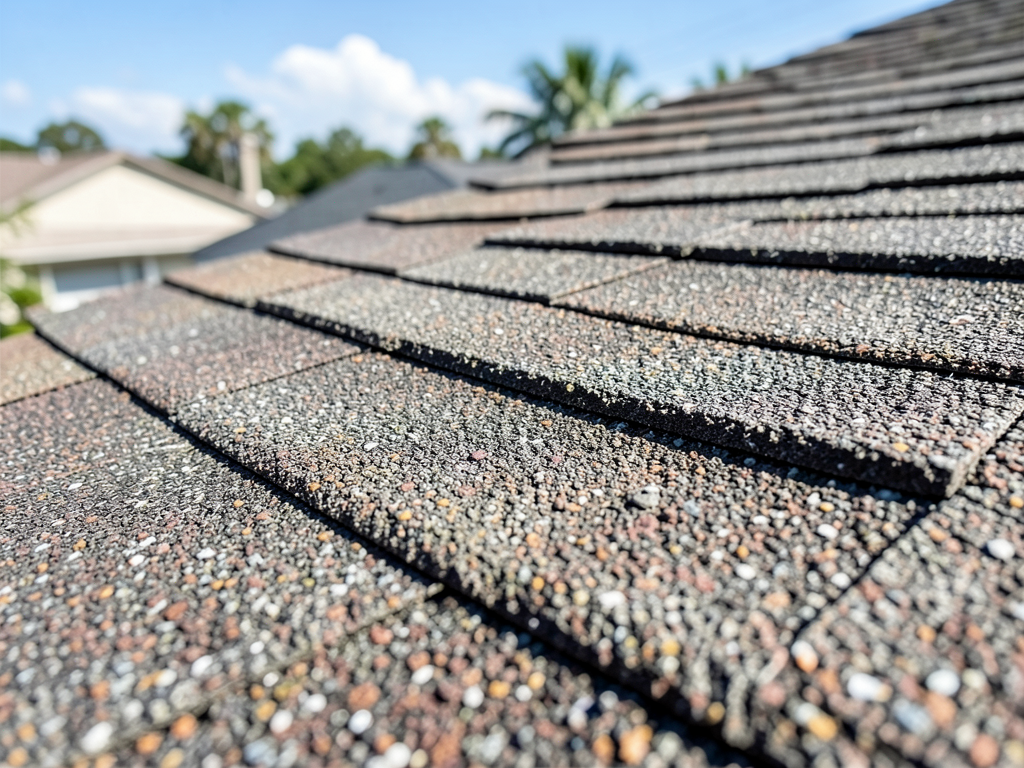
Impact Resistant Shingles: The Smart Choice for Hunters Creek Homeowners
Hunters Creek residents face unique weather challenges from Central Florida’s intense sun, frequent thunderstorms, and occasional hail events. The question isn’t whether your roof will face impact damage—it’s when. Class 4 impact resistant shingles offer proven protection against these threats while potentially lowering your insurance premiums by 10-25% under Florida law. Florida Statute 627.0629 Insurance Discounts.
Standard asphalt shingles crack when struck by hail or falling debris. Class 4 shingles withstand impacts from 2-inch steel balls dropped from 20 feet without damage. This UL 2218 certification means your roof survives Florida’s harshest weather events while maintaining its structural integrity for years longer than conventional options. UL 2218 Standard for Impact Resistance.
The investment pays for itself through multiple channels. Beyond insurance credits under Florida Statute 627.0629, these shingles reduce the likelihood of costly water damage repairs. They also increase your home’s resale value since buyers recognize the long-term protection these premium materials provide. Best Roofing Materials for Older Bungalows in Thornton Park.
Central Florida’s weather patterns make impact resistance particularly valuable. Orange County records show hail events averaging 1.5 to 2 inches in diameter occur several times per year. These storms can destroy standard shingles, leading to leaks, interior damage, and emergency repair costs that exceed the price difference for Class 4 materials. Emergency Tarping Service.
Installation requires specific techniques to maintain the Class 4 rating. Our Orlando crews follow Florida Building Code requirements for high-wind zones, including proper nailing patterns and underlayment installation. This ensures your investment delivers maximum protection during hurricane season.
Call (689) 268-2855 today to schedule your inspection and learn how Class 4 shingles can protect your Hunters Creek home. Reliable Roof Inspection Services for Home Buyers in Winter Garden.
What Makes Class 4 Shingles Different from Standard Options?
Standard asphalt shingles consist of a fiberglass mat coated with asphalt and ceramic granules. When struck by hail or debris, the mat cracks and the asphalt breaks down. Class 4 shingles use SBS (styrene-butadiene-styrene) modified bitumen that remains flexible even after impact.
The UL 2218 test drops steel balls of increasing size onto shingle samples. Class 1 shingles fail at 1.25 inches, Class 2 at 1.5 inches, Class 3 at 1.75 inches, and Class 4 shingles pass the 2-inch test without cracking. This represents the difference between hail the size of a quarter and hail the size of a golf ball. Choosing Between Shingle and Tile Roofs for Your Central Florida Home.
SBS modification creates a rubber-like flexibility in the asphalt. Instead of cracking, the material absorbs impact energy and returns to its original shape. This technology also provides better UV resistance, crucial in Florida’s intense sunlight where standard shingles can lose 30% of their granules within five years.
The manufacturing process embeds polymer modifiers throughout the asphalt mixture rather than applying them as a surface coating. This ensures consistent impact resistance across the entire shingle surface, not just in visible areas.
Installation technique affects performance. Class 4 shingles require six nails per shingle instead of the standard four, with specific placement patterns to prevent wind uplift. The underlayment system also differs, often incorporating synthetic materials that provide better tear resistance than traditional felt paper.
Energy efficiency improves with Class 4 options. Many premium impact resistant shingles carry Energy Star ratings due to their reflective granule technology. This can reduce cooling costs by 10-15% in Florida’s climate, providing additional ROI beyond insurance savings.
Florida Insurance Benefits for Impact Resistant Roofing
Florida Statute 627.0629 mandates insurance companies offer premium discounts for impact resistant roofing. The law requires discounts of at least 10% for Class 4 certified shingles, with some insurers offering up to 25% based on their actuarial data. Is Solar Roofing Actually Worth the Investment for Orlando Residents?.
To qualify, your roof must carry valid UL 2218 Class 4 certification and be installed according to manufacturer specifications. The insurance discount applies to the windstorm portion of your premium, which typically represents 30-40% of your total homeowners insurance cost.
DOCUMENTS REQUIRED FOR INSURANCE CREDIT
- UL 2218 Class 4 certification documentation
- Manufacturer installation specifications
- Permit documentation showing compliance with Florida Building Code
- Final inspection report from local building department
The discount becomes effective after your insurance company receives proper documentation. Most insurers require this documentation at renewal, so timing your installation with your policy renewal can maximize savings.
Beyond the statutory discount, impact resistant shingles reduce your risk of insurance claims. Standard shingles often require replacement after a single significant hail event. Class 4 shingles survive multiple impact events, keeping your claims history clean and potentially avoiding premium increases.
Some Florida insurers participate in the My Safe Florida Home program, which provides additional incentives for impact resistant improvements. While primarily focused on hurricane mitigation, these programs often include roofing upgrades that meet Class 4 standards.
The investment recovery period varies by insurance premium and local weather patterns. In hail-prone areas of Central Florida, the insurance savings alone can offset the additional cost within 5-7 years, with the remaining lifespan providing pure financial benefit.
Impact Resistance vs. Wind Resistance: What Orlando Homes Actually Need
Many homeowners confuse impact resistance with wind resistance, but these are separate performance characteristics. Class 4 rating addresses hail and debris impact, while wind resistance follows different testing standards under ASTM D3161.
Florida’s High-Velocity Hurricane Zone (HVHZ) requirements mandate specific wind ratings based on location. Most of Orange County requires ASTM D3161 Class F (110 mph) or higher, with coastal areas needing Class G (150 mph) ratings.
Standard architectural shingles typically carry Class D (90 mph) wind ratings. Premium impact resistant shingles often achieve Class H (150+ mph) ratings due to their heavier mat construction and modified asphalt formulation.
The combination of impact and wind resistance creates comprehensive storm protection. During a hurricane, your roof faces both high winds and wind-driven debris. Impact resistant shingles survive both threats, while standard shingles might fail at either the wind or impact stage.
Installation quality becomes critical for wind performance. Even Class 4 shingles fail in high winds without proper nailing patterns, starter strips, and ridge cap installation. Florida Building Code Section 1609.1.1 requires specific fastening patterns for high-wind zones.
Secondary water barriers add another protection layer. The code requires these barriers in HVHZ areas, creating a self-adhering underlayment that seals around nails and prevents water infiltration if shingles blow off.
Temperature cycling affects both impact and wind performance. Florida’s intense sun heats shingles to over 150°F, then afternoon thunderstorms cool them rapidly. This thermal shock weakens standard shingles over time, while impact resistant materials handle these cycles better due to their polymer modification.
Algae and mold growth, common in Florida’s humidity, can degrade shingle performance. Many Class 4 shingles include copper or zinc granules that inhibit biological growth, maintaining both appearance and protective properties longer than standard options.
Top Class 4 Shingle Brands We Install in Orlando
GAF ArmorShield II leads the premium segment with its SBS-modified asphalt and Class 4 impact rating. These shingles carry a 50-year limited warranty and feature StainGuard Plus technology to resist algae growth common in Florida’s humid climate.
Owens Corning Duration FLEX combines impact resistance with SureNail technology for superior wind performance. The polymer-modified asphalt provides Class 4 impact rating while the reinforced nailing zone achieves 130+ mph wind ratings in most applications.
CertainTeed NorthGate ClimateFlex targets Florida’s specific challenges with its StreakFighter algae resistance and Class 4 impact rating. The shingles feature a 15-year StreakFighter warranty and 10-year wind coverage up to 110 mph.
COMPARISON OF CLASS 4 SHINGLE BRANDS
| Brand | Warranty | Wind Rating | Algae Resistance | Cost Premium |
|---|---|---|---|---|
| GAF ArmorShield II | 50 years | 130 mph | StainGuard Plus | 25-30% |
| Owens Corning Duration FLEX | 50 years | 130 mph | 10-year warranty | 20-25% |
| CertainTeed NorthGate | 15 years | 110 mph | StreakFighter | 15-20% |
Installation requirements vary by brand. GAF requires Master Elite certification for their premium warranties, while Owens Corning Platinum Preferred contractors receive extended coverage terms. These certifications ensure proper installation techniques specific to each product line.
Color options in Class 4 shingles have expanded significantly. Early impact resistant options were limited to dark colors that hid the modified asphalt’s different appearance. Modern manufacturing produces Class 4 shingles in the same color ranges as standard architectural shingles.
Weight differences affect roof structure requirements. Class 4 shingles typically weigh 350-400 pounds per square versus 240-280 pounds for standard architectural shingles. Most residential structures built after 2002 can support this additional weight without modification.
Energy efficiency varies by brand and color. Lighter colors with reflective granules can reduce cooling costs by 15-20% in Florida’s climate. Some Class 4 shingles carry Energy Star certification, qualifying for additional utility rebates in certain areas.
The ROI of Class 4 Shingles for Central Florida Homeowners
Initial cost premiums for Class 4 shingles range from 15-30% above standard architectural shingles. For a typical 2,000-square-foot home requiring 25 squares of roofing, this translates to $2,500-$5,000 additional upfront investment.
Insurance premium reductions provide immediate returns. A $2,500 annual homeowners premium with 25% windstorm discount saves $625 per year. This alone recovers the premium within 4-8 years, depending on your specific insurance rates.
Storm damage reduction creates substantial savings. Standard shingles require replacement after significant hail events, costing $5,000-$10,000 per occurrence. Class 4 shingles survive these events with minimal damage, potentially saving $10,000-$20,000 over a 20-year roof lifespan.
Energy savings add to the financial benefit. Reflective Class 4 shingles can reduce cooling costs by 10-15% in Florida’s climate. For a home with $200 monthly cooling bills, this saves $240-$360 annually.
ROI CALCULATOR FOR HUNTERS CREEK HOMEOWNERS
| Factor | Standard Shingles | Class 4 Shingles |
|---|---|---|
| Initial Cost | $7,500 | $10,000 |
| Insurance Savings | $0 | $625/year |
| Energy Savings | $0 | $300/year |
| Storm Damage Savings | $0 | $1,000/year |
| Net Annual Benefit | $0 | $1,925 |
| Payback Period | N/A | 3.6 years |
Resale value increases with premium roofing materials. Home appraisers typically add $1,000-$2,000 to property values for impact resistant roofing, recognizing the reduced maintenance costs and insurance benefits.
Maintenance requirements decrease with Class 4 shingles. The polymer modification resists cracking and granule loss, reducing the need for repairs during the roof’s lifespan. This saves $200-$500 annually in minor repair costs.
Environmental benefits provide indirect value. Longer roof lifespan means less landfill waste and reduced manufacturing demand. Some Class 4 shingles contain recycled content, further reducing environmental impact.
Financing options make the investment more accessible. Many roofing contractors offer 12-60 month financing with competitive rates. When factoring in insurance and energy savings, monthly payments often cost less than the combined benefits.
Call (689) 268-2855 today to schedule your inspection and learn how Class 4 shingles can protect your Hunters Creek home.
Installation Process and What to Expect
Professional installation of Class 4 shingles follows a specific process to maintain warranty coverage and ensure optimal performance. The process typically requires 2-3 days for a standard residential roof, weather permitting.
Preparation begins with protecting landscaping and exterior features. Our crews use plywood barriers and drop cloths to prevent damage to plants, air conditioning units, and outdoor furniture during the tear-off process.
Roof deck inspection reveals any underlying damage that needs repair before new shingles install. We check for rot, water damage, and structural issues that could compromise the new roof’s performance.
Underlayment installation follows manufacturer specifications. Class 4 installations often use synthetic underlayment rather than traditional felt paper due to its superior tear resistance and moisture protection properties.
Step-by-Step Installation Process
- Remove existing roofing materials down to deck
- Inspect and repair roof deck as needed
- Install ice and water shield in valleys and perimeter
- Apply synthetic underlayment across entire deck
- Install drip edge and starter strip
- Apply Class 4 shingles per manufacturer specifications
- Install ridge cap and ventilation components
- Clean site and final inspection
Nailing patterns prove critical for wind resistance. Florida Building Code requires six nails per shingle in high-wind zones, with specific placement to prevent uplift. Our crews use pneumatic nail guns calibrated to deliver consistent drive depth.
Flashing details around chimneys, vents, and valleys require special attention. These vulnerable areas need proper sealing to prevent water infiltration, particularly important in Florida’s heavy rain patterns.
Ventilation integration maintains roof system performance. Proper intake and exhaust ventilation prevents heat and moisture buildup that can damage shingles from below, extending their effective lifespan.
Final inspection ensures all components meet manufacturer and code requirements. We verify nailing patterns, flashing details, and overall installation quality before considering the project complete.
Maintenance Tips for Your Class 4 Shingles
Class 4 shingles require less maintenance than standard options, but proper care extends their effective lifespan significantly. Annual inspections identify potential issues before they become costly problems.
Gutter cleaning prevents water backup that can damage shingle edges. In Florida’s heavy rain seasons, clean gutters at least twice yearly, more often if you have overhanging trees.
Moss and algae growth, while inhibited by many Class 4 shingles, can still occur in shaded areas. Gentle cleaning with a 50/50 mixture of water and bleach removes growth without damaging the shingle surface.
Debris removal prevents moisture retention that can degrade shingle performance. After storms, remove leaves, branches, and other debris that accumulates in roof valleys and around vents.
Checking sealant integrity around flashing and penetrations prevents water infiltration. Sealant deteriorates over time, particularly in Florida’s intense UV exposure. Re-sealing every 3-5 years maintains watertight protection.
Attic ventilation inspection prevents heat buildup that can damage shingles from below. Proper ventilation keeps attic temperatures within 10-15 degrees of outdoor temperatures, reducing thermal stress on roofing materials.
Trim overhanging branches prevent physical damage and reduce debris accumulation. Branches rubbing against shingles can wear away protective granules, while falling branches can cause impact damage even to Class 4 materials.
Documenting your roof’s condition with photos helps track changes over time. This documentation proves valuable for insurance claims and helps identify developing problems early.
Professional inspections every 2-3 years identify issues that homeowners might miss. Our experienced technicians check for subtle signs of wear, proper ventilation, and potential water infiltration points.
Common Questions About Impact Resistant Shingles
Homeowners often have questions about the real-world performance and value of Class 4 shingles. Understanding these concerns helps make informed decisions about this important home investment.
Class 4 shingles typically last 25-30 years in Florida’s climate, compared to 15-20 years for standard architectural shingles. The polymer modification resists the UV degradation and thermal cycling that typically limit shingle lifespan.
Color fading occurs more slowly with Class 4 options due to their superior granule adhesion. While all shingles fade over time, Class 4 materials maintain their appearance longer, particularly important for maintaining curb appeal.
Noise reduction provides an unexpected benefit. The heavier mat construction and modified asphalt dampen sound transmission, reducing noise from rain and hail compared to standard shingles.
Fire resistance typically matches or exceeds standard shingles. Most Class 4 options carry Class A fire ratings, the highest available for roofing materials, providing additional protection in wildfire-prone areas.
Environmental impact considerations favor longer-lasting materials. Class 4 shingles reduce landfill waste by lasting 50% longer than standard options, while their energy efficiency reduces cooling-related carbon emissions.
Compatibility with solar installations works well, though mounting hardware must account for the heavier shingle weight. Many homeowners combine Class 4 shingles with solar installations for maximum energy efficiency.
Insurance claim processes simplify with proper documentation. Our crews provide detailed installation documentation that streamlines insurance claims if damage does occur despite the Class 4 rating.
Call (689) 268-2855 today to schedule your inspection and learn how Class 4 shingles can protect your Hunters Creek home.
Frequently Asked Questions
Are Class 4 shingles worth the extra cost in Florida?
Yes. Insurance discounts of 10-25% combined with longer lifespan and reduced storm damage typically recover the premium within 5-7 years, with the remaining lifespan providing pure financial benefit.
How much do Class 4 shingles cost compared to standard shingles?
Class 4 shingles cost 15-30% more than standard architectural shingles. For a typical home, this represents $2,500-$5,000 additional upfront investment, offset by insurance savings and reduced maintenance costs.
Can I get insurance discounts for Class 4 shingles in Hunters Creek?
Yes. Florida law requires insurers to offer discounts of at least 10% for UL 2218 Class 4 certified shingles. Some insurers offer up to 25% based on their actuarial data for windstorm coverage.
How long do Class 4 shingles last in Florida’s climate?
Class 4 shingles typically last 25-30 years in Florida, compared to 15-20 years for standard shingles. The polymer modification resists UV degradation and thermal cycling that typically limit shingle lifespan.
Do Class 4 shingles look different from standard shingles?
Modern Class 4 shingles look identical to premium architectural shingles. Manufacturing advances allow these impact resistant options in the same color ranges and profiles as standard shingles.
What wind ratings do Class 4 shingles achieve?
Many Class 4 shingles achieve ASTM D3161 Class H ratings (150+ mph), significantly exceeding Florida’s typical requirements. This provides comprehensive protection against both impact and wind damage.
How do I know if my roof needs Class 4 shingles?
Homes in hail-prone areas, those with frequent storm damage, or homeowners seeking maximum insurance savings benefit most from Class 4 shingles. An inspection can identify your specific risk factors.
Can Class 4 shingles be installed over existing shingles?
Most building codes and manufacturer warranties require complete tear-off for Class 4 installations. The additional weight and specific installation requirements make overlay installations impractical for these premium materials.
What maintenance do Class 4 shingles require?
Class 4 shingles require less maintenance than standard options. Annual inspections, gutter cleaning, and debris removal typically suffice, with the polymer modification resisting many common roofing problems.
How do I choose between Class 4 shingle brands?
Consider warranty terms, wind ratings, algae resistance, and installer certification requirements. Our experienced team can recommend the best option based on your specific home, budget, and protection needs.
[IMAGE_PLACEHOVER_1] Technical diagram showing UL 2218 Class 4 impact test setup with steel ball drop specifications and failure criteria for different classes.
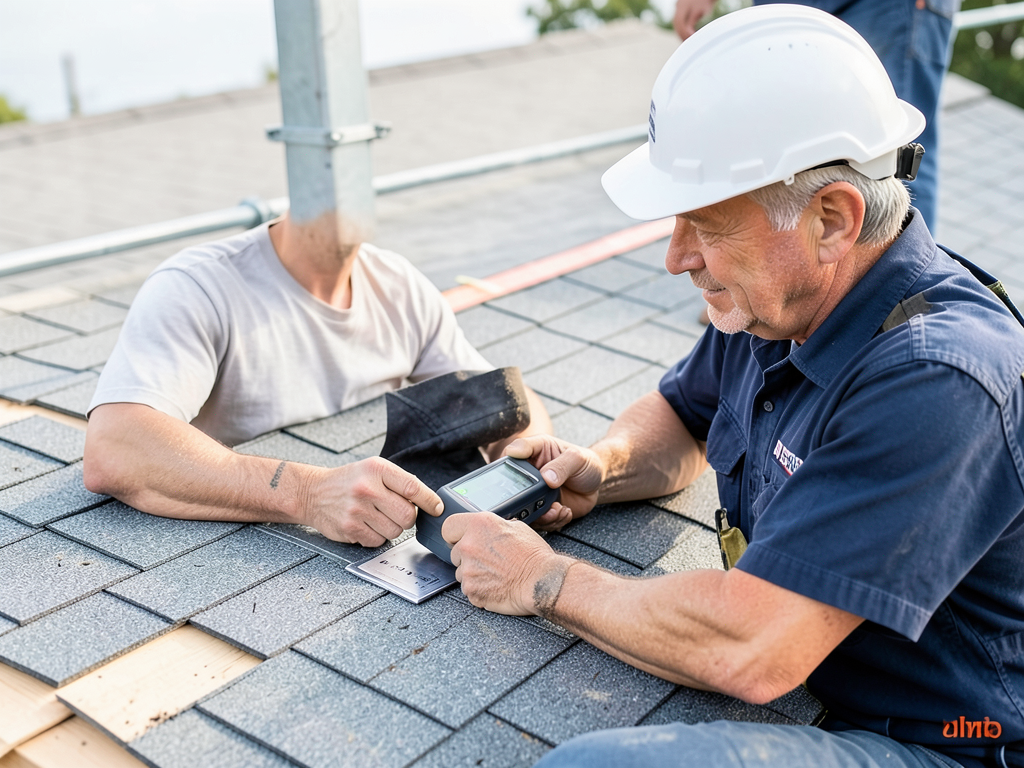
Before and after comparison of hail damage on standard versus Class 4 shingles after identical impact testing conditions.
Installation process photos showing proper nailing patterns, underlayment application, and flashing details for Class 4 shingle systems.
{
“@context”: “https://schema.org”,
“@type”: “BlogPosting”,
“headline”: “Should you upgrade to impact resistant shingles for your Hunters Creek home?”,
“description”: “Discover if Class 4 impact resistant shingles are worth the investment for your Hunters Creek home. Learn about insurance savings, Florida storm protection, and ROI.”,
“wordCount”: 3021,
“datePublished”: “2026-03-13T14:55:00.000Z”,
“dateModified”: “2026-03-13T14:55:00.000Z”,
“inLanguage”: “en-US”,
“mainEntityOfPage”: {
“@type”: “WebPage”,
“@id”: “https://allproroofingorlando.com”
},
“publisher”: {
“@type”: “LocalBusiness”,
“name”: “All Pro Roofing Orlando”,
“url”: “https://allproroofingorlando.com”
},
“author”: {
“@type”: “Organization”,
“name”: “All Pro Roofing Orlando”,
“url”: “https://allproroofingorlando.com”
},
“image”: {
“@type”: “ImageObject”,
“url”: “https://allproroofingorlando.com/wp-content/uploads/2026/03/should-you-upgrade-to-impact-resistant-shingles-fo-1.png”
}
}
{
“@context”: “https://schema.org”,
“@type”: “RoofingContractor”,
“name”: “All Pro Roofing Orlando”,
“url”: “https://allproroofingorlando.com”,
“address”: {
“@type”: “PostalAddress”,
“addressLocality”: “Orlando”
},
“areaServed”: {
“@type”: “City”,
“name”: “Orlando”
}
}
{
“@context”: “https://schema.org”,
“@type”: “FAQPage”,
“mainEntity”: [
{
“@type”: “Question”,
“name”: “What Makes Class 4 Shingles Different from Standard Options?”,
“acceptedAnswer”: {
“@type”: “Answer”,
“text”: “Standard asphalt shingles consist of a fiberglass mat coated with asphalt and ceramic granules. When struck by hail or debris, the mat cracks and the asphalt breaks down. Class 4 shingles use SBS (styrene-butadiene-styrene) modified bitumen that remains flexible even after impact.”
}
},
{
“@type”: “Question”,
“name”: “Are Class 4 shingles worth the extra cost in Florida?”,
“acceptedAnswer”: {
“@type”: “Answer”,
“text”: “Yes. Insurance discounts of 10-25% combined with longer lifespan and reduced storm damage typically recover the premium within 5-7 years, with the remaining lifespan providing pure financial benefit.”
}
},
{
“@type”: “Question”,
“name”: “How much do Class 4 shingles cost compared to standard shingles?”,
“acceptedAnswer”: {
“@type”: “Answer”,
“text”: “Class 4 shingles cost 15-30% more than standard architectural shingles. For a typical home, this represents $2,500-$5,000 additional upfront investment, offset by insurance savings and reduced maintenance costs.”
}
},
{
“@type”: “Question”,
“name”: “Can I get insurance discounts for Class 4 shingles in Hunters Creek?”,
“acceptedAnswer”: {
“@type”: “Answer”,
“text”: “Yes. Florida law requires insurers to offer discounts of at least 10% for UL 2218 Class 4 certified shingles. Some insurers offer up to 25% based on their actuarial data for windstorm coverage.”
}
},
{
“@type”: “Question”,
“name”: “How long do Class 4 shingles last in Florida’s climate?”,
“acceptedAnswer”: {
“@type”: “Answer”,
“text”: “Class 4 shingles typically last 25-30 years in Florida, compared to 15-20 years for standard shingles. The polymer modification resists UV degradation and thermal cycling that typically limit shingle lifespan.”
}
},
{
“@type”: “Question”,
“name”: “Do Class 4 shingles look different from standard shingles?”,
“acceptedAnswer”: {
“@type”: “Answer”,
“text”: “Modern Class 4 shingles look identical to premium architectural shingles. Manufacturing advances allow these impact resistant options in the same color ranges and profiles as standard shingles.”
}
},
{
“@type”: “Question”,
“name”: “What wind ratings do Class 4 shingles achieve?”,
“acceptedAnswer”: {
“@type”: “Answer”,
“text”: “Many Class 4 shingles achieve ASTM D3161 Class H ratings (150+ mph), significantly exceeding Florida’s typical requirements. This provides comprehensive protection against both impact and wind damage.”
}
},
{
“@type”: “Question”,
“name”: “How do I know if my roof needs Class 4 shingles?”,
“acceptedAnswer”: {
“@type”: “Answer”,
“text”: “Homes in hail-prone areas, those with frequent storm damage, or homeowners seeking maximum insurance savings benefit most from Class 4 shingles. An inspection can identify your specific risk factors.”
}
},
{
“@type”: “Question”,
“name”: “Can Class 4 shingles be installed over existing shingles?”,
“acceptedAnswer”: {
“@type”: “Answer”,
“text”: “Most building codes and manufacturer warranties require complete tear-off for Class 4 installations. The additional weight and specific installation requirements make overlay installations impractical for these premium materials.”
}
},
{
“@type”: “Question”,
“name”: “What maintenance do Class 4 shingles require?”,
“acceptedAnswer”: {
“@type”: “Answer”,
“text”: “Class 4 shingles require less maintenance than standard options. Annual inspections, gutter cleaning, and debris removal typically suffice, with the polymer modification resisting many common roofing problems.”
}
},
{
“@type”: “Question”,
“name”: “How do I choose between Class 4 shingle brands?”,
“acceptedAnswer”: {
“@type”: “Answer”,
“text”: “Consider warranty terms, wind ratings, algae resistance, and installer certification requirements. Our experienced team can recommend the best option based on your specific home, budget, and protection needs.”
}
}
]
}
{
“@context”: “https://schema.org”,
“@type”: “BreadcrumbList”,
“itemListElement”: [
{
“@type”: “ListItem”,
“position”: 1,
“name”: “Home”,
“item”: “https://allproroofingorlando.com”
},
{
“@type”: “ListItem”,
“position”: 2,
“name”: “Blog”,
“item”: “https://allproroofingorlando.com/blog”
},
{
“@type”: “ListItem”,
“position”: 3,
“name”: “Should you upgrade to impact resistant shingles for your Hunters Creek home?”
}
]
}
{
“@context”: “https://schema.org”,
“@type”: “Service”,
“serviceType”: “Roofing”,
“provider”: {
“@type”: “LocalBusiness”,
“name”: “All Pro Roofing Orlando”,
“url”: “https://allproroofingorlando.com”
},
“areaServed”: {
“@type”: “City”,
“name”: “Orlando”
},
“description”: “Discover if Class 4 impact resistant shingles are worth the investment for your Hunters Creek home. Learn about insurance savings, Florida storm protection, and ROI.”
}