
How cool roof technology keeps Milk District bungalows comfortable all summer long
Orlando’s Milk District bungalows face brutal summer heat that drives cooling costs through the roof. Cool roof technology reflects solar energy and emits absorbed heat, keeping attic temperatures up to 50 degrees cooler than standard roofing. This translates to 20-30% lower air conditioning costs during Orlando’s 6-month cooling season. Cool Roof Rating Council.
The technology works through high Solar Reflectance Index (SRI) ratings and thermal emittance. Materials with SRI above 78 meet Energy Star standards for steep-slope roofs. In Orlando’s humid subtropical climate, these reflective surfaces resist algae growth that plagues darker roofs in shaded areas near Lake Highland. Is Solar Roofing Actually Worth the Investment for Orlando Residents?.
Local building codes require specific underlayment in the Milk District due to older construction methods. Florida Building Code Section 7.3.3 mandates Class A fire-rated materials for structures within 5 miles of wildland-urban interface zones. Many Milk District homes fall within this zone due to proximity to natural areas along the Econlockhatchee River corridor. Best Roofing Materials for Older Bungalows in Thornton Park.
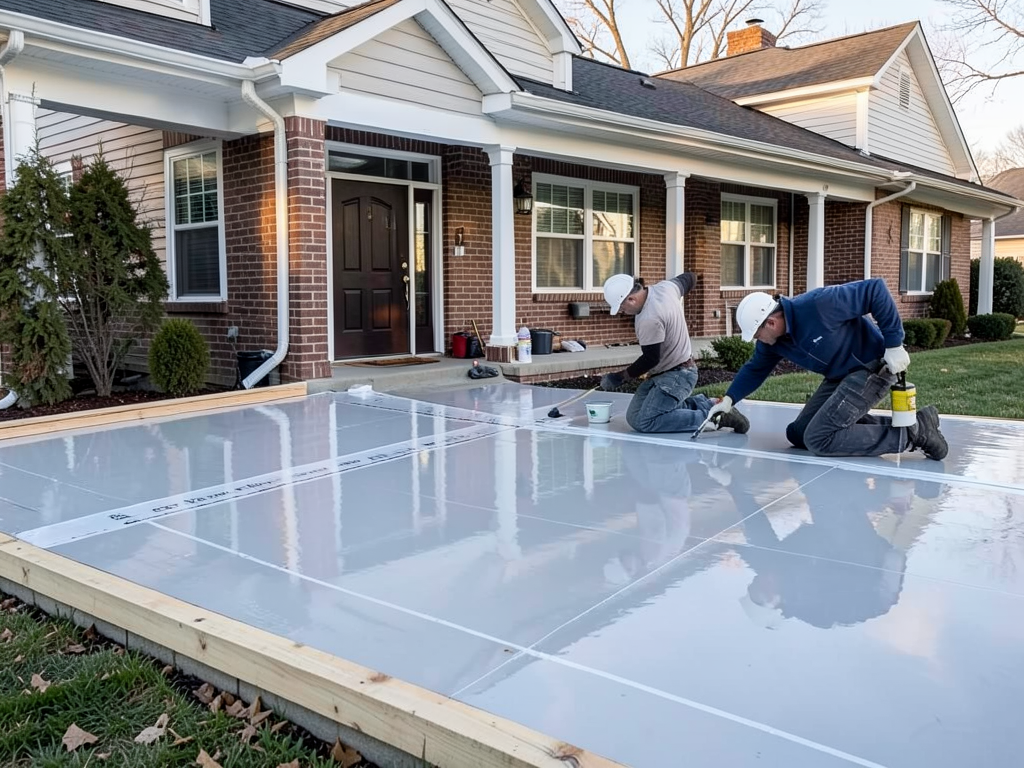
Understanding Solar Reflectance Index and material performance
SRI measures a roof’s ability to reject solar heat. The scale runs from 0 (standard black) to 100 (standard white). Cool roofing materials achieve SRI ratings of 78-110 through specialized pigments and reflective coatings. These materials maintain their reflective properties even as Orlando’s intense UV radiation breaks down conventional roofing granules. TPO vs EPDM Roofing Guide.
Thermal emittance indicates how efficiently a material releases absorbed heat. Cool roofs achieve emittance ratings of 0.80-0.95, meaning they radiate 80-95% of absorbed solar energy back to the atmosphere. This dual-action cooling effect proves critical during Orlando’s afternoon thunderstorms when rapid temperature drops create condensation issues on standard roofs.
The Cool Roof Rating Council (CRRC) tests materials for long-term performance in high-humidity environments. Orlando’s climate accelerates weathering compared to drier regions. CRRC-certified products maintain 90% of their initial reflectivity after three years of Florida exposure, while non-certified materials often drop below 70%.
Material options for Milk District bungalows
Metal roofing with cool pigments offers the highest reflectivity for Milk District homes. Standing seam metal panels achieve SRI ratings of 85-95 while providing wind resistance up to 180 mph. The material’s thermal expansion properties accommodate Orlando’s daily temperature swings from 72°F morning lows to 95°F afternoon highs. Roofing Goldenrod.
Tile roofing with cool glaze technology suits the bungalow aesthetic while meeting modern efficiency standards. Clay and concrete tiles with specialized reflective coatings achieve SRI ratings of 35-45. The material’s thermal mass provides natural insulation, keeping attic spaces cooler during Orlando’s peak afternoon heat.
Asphalt shingles with cool granules offer budget-friendly cool roof options. These shingles use specialized ceramic particles that reflect infrared radiation while maintaining traditional appearance. Modern cool shingles achieve SRI ratings of 20-35, providing 10-15% energy savings compared to standard dark shingles.
- Roof Deck Inspection
Technicians check for moisture damage and structural integrity before installation. Orlando’s high humidity often reveals hidden water intrusion in older bungalow roof decks.
- Underlayment Selection
Class A fire-rated synthetic underlayment resists Orlando’s afternoon thunderstorms and provides secondary water barrier protection.
- Material Installation
Proper fastening patterns account for thermal expansion in Orlando’s climate. Cool materials require specific overlap distances to prevent wind uplift.
- Ventilation Integration
Enhanced ridge vents and soffit ventilation maximize the cooling effect by allowing hot air to escape the attic space.
- Final Inspection
Technicians verify SRI ratings and check for proper sealant application around chimneys and vents common in Milk District bungalows.
Energy savings and local incentives
Orlando Utilities Commission offers rebates up to $300 for cool roof installations meeting Energy Star standards. The program requires minimum SRI ratings of 78 for steep-slope residential roofs. FPL provides similar incentives through their Home Energy Efficiency program for qualifying cool roof materials.
Energy modeling shows Milk District homeowners save $200-400 annually on cooling costs with cool roof technology. The savings increase for homes with minimal tree coverage, as exposed roofs absorb more solar radiation. Orlando’s 236 sunny days per year maximize the return on cool roof investment.
Insurance companies offer premium discounts for cool roofs due to their superior wind resistance and reduced heat-related damage. Many Milk District bungalows qualify for 5-10% insurance savings when upgrading to cool roofing systems rated for Orlando’s wind zone.
Climate considerations for Orlando installations
Orlando’s high humidity creates unique challenges for cool roof installations. Morning dew accumulation can affect adhesion of cool roof coatings. Professional installers schedule applications during midday when surfaces reach optimal temperature for proper bonding.
Afternoon thunderstorms require rapid installation techniques. Cool roof systems need complete coverage within single workdays to prevent water infiltration. Orlando’s 45% chance of afternoon precipitation during summer months demands experienced crews who understand local weather patterns.
Algae and mold growth affects roof appearance in Orlando’s humid climate. Cool roof materials include copper or zinc granules that inhibit biological growth. These additives maintain the roof’s reflective properties while preventing the black streaks common on standard asphalt shingles in shaded areas.
Maintenance and longevity factors
Orlando’s UV index averages 7-9 during summer months, accelerating material degradation. Cool roof surfaces resist UV damage through specialized polymer binders that maintain flexibility as temperatures fluctuate. This flexibility prevents cracking that allows water infiltration during Orlando’s rainy season.
Annual inspections identify potential issues before they become costly repairs. Cool roofs require different inspection protocols than standard roofing. Technicians check for coating delamination, fastener corrosion, and sealant degradation specific to reflective materials. Reliable Roof Inspection Services for Home Buyers in Winter Garden.
Orlando’s hurricane season demands specific wind resistance features. Cool roof systems achieve Miami-Dade approval through enhanced fastening patterns and reinforced perimeter details. These features provide 140+ mph wind resistance while maintaining the cooling benefits.
Frequently Asked Questions
Do cool roofs work in Orlando’s humid climate?
Yes, cool roofs perform exceptionally well in Orlando’s humidity. The reflective surfaces reduce heat gain while specialized coatings resist algae growth common in humid environments. Energy savings often exceed 25% during peak cooling months.
What’s the cost difference between cool and standard roofing?
Cool roofing materials cost 10-15% more than standard options initially. However, Orlando’s high cooling costs and available utility rebates typically provide payback within 3-5 years through energy savings and insurance discounts.
Are cool roofs approved for historic Milk District homes?
Many cool roof materials meet historic district guidelines when properly selected. Metal and tile options often receive approval due to their traditional appearance. Always check with the Orlando Historic Preservation Board before installation.
How long do cool roofs last in Orlando’s climate?
Quality cool roof installations last 20-30 years in Orlando’s climate. The UV-resistant coatings and flexible materials withstand the area’s temperature extremes and high humidity better than standard roofing options.
Call (689) 268-2855 today to schedule your inspection and learn how cool roof technology can transform your Milk District bungalow’s comfort and efficiency. Don’t wait until summer heat drives your energy bills through the roof. For more information, visit Department of Energy cool roof information.
{
“@context”: “https://schema.org”,
“@type”: “BlogPosting”,
“headline”: “How cool roof technology keeps Milk District bungalows comfortable all summer long”,
“description”: “Discover how cool roof technology reduces heat gain in Orlando’s Milk District bungalows, lowers energy bills, and withstands Florida’s intense sun. Learn about material options and local rebates.”,
“wordCount”: 1172,
“datePublished”: “2026-03-14T10:19:00.000Z”,
“dateModified”: “2026-03-14T10:19:00.000Z”,
“inLanguage”: “en-US”,
“mainEntityOfPage”: {
“@type”: “WebPage”,
“@id”: “https://allproroofingorlando.com”
},
“publisher”: {
“@type”: “LocalBusiness”,
“name”: “All Pro Roofing Orlando”,
“url”: “https://allproroofingorlando.com”
},
“author”: {
“@type”: “Organization”,
“name”: “All Pro Roofing Orlando”,
“url”: “https://allproroofingorlando.com”
},
“image”: {
“@type”: “ImageObject”,
“url”: “https://allproroofingorlando.com/wp-content/uploads/2026/03/how-cool-roof-technology-keeps-milk-district-bunga-1.png”
}
}
{
“@context”: “https://schema.org”,
“@type”: “RoofingContractor”,
“name”: “All Pro Roofing Orlando”,
“url”: “https://allproroofingorlando.com”,
“address”: {
“@type”: “PostalAddress”,
“addressLocality”: “Orlando”
},
“areaServed”: {
“@type”: “City”,
“name”: “Orlando”
}
}
{
“@context”: “https://schema.org”,
“@type”: “FAQPage”,
“mainEntity”: [
{
“@type”: “Question”,
“name”: “Do cool roofs work in Orlando’s humid climate?”,
“acceptedAnswer”: {
“@type”: “Answer”,
“text”: “Yes, cool roofs perform exceptionally well in Orlando’s humidity. The reflective surfaces reduce heat gain while specialized coatings resist algae growth common in humid environments. Energy savings often exceed 25% during peak cooling months.”
}
},
{
“@type”: “Question”,
“name”: “What’s the cost difference between cool and standard roofing?”,
“acceptedAnswer”: {
“@type”: “Answer”,
“text”: “Cool roofing materials cost 10-15% more than standard options initially. However, Orlando’s high cooling costs and available utility rebates typically provide payback within 3-5 years through energy savings and insurance discounts.”
}
},
{
“@type”: “Question”,
“name”: “Are cool roofs approved for historic Milk District homes?”,
“acceptedAnswer”: {
“@type”: “Answer”,
“text”: “Many cool roof materials meet historic district guidelines when properly selected. Metal and tile options often receive approval due to their traditional appearance. Always check with the Orlando Historic Preservation Board before installation.”
}
},
{
“@type”: “Question”,
“name”: “How long do cool roofs last in Orlando’s climate?”,
“acceptedAnswer”: {
“@type”: “Answer”,
“text”: “Quality cool roof installations last 20-30 years in Orlando’s climate. The UV-resistant coatings and flexible materials withstand the area’s temperature extremes and high humidity better than standard roofing options.”
}
}
]
}
{
“@context”: “https://schema.org”,
“@type”: “HowTo”,
“name”: “Cool Roof Installation Process”,
“step”: [
{
“@type”: “HowToStep”,
“position”: 1,
“name”: “Roof Deck Inspection”,
“text”: “Technicians check for moisture damage and structural integrity before installation. Orlando’s high humidity often reveals hidden water intrusion in older bungalow roof decks.”
},
{
“@type”: “HowToStep”,
“position”: 2,
“name”: “Underlayment Selection”,
“text”: “Class A fire-rated synthetic underlayment resists Orlando’s afternoon thunderstorms and provides secondary water barrier protection.”
},
{
“@type”: “HowToStep”,
“position”: 3,
“name”: “Material Installation”,
“text”: “Proper fastening patterns account for thermal expansion in Orlando’s climate. Cool materials require specific overlap distances to prevent wind uplift.”
},
{
“@type”: “HowToStep”,
“position”: 4,
“name”: “Ventilation Integration”,
“text”: “Enhanced ridge vents and soffit ventilation maximize the cooling effect by allowing hot air to escape the attic space.”
},
{
“@type”: “HowToStep”,
“position”: 5,
“name”: “Final Inspection”,
“text”: “Technicians verify SRI ratings and check for proper sealant application around chimneys and vents common in Milk District bungalows.”
}
],
“image”: “https://allproroofingorlando.com/wp-content/uploads/2026/03/how-cool-roof-technology-keeps-milk-district-bunga-1.png”
}
{
“@context”: “https://schema.org”,
“@type”: “BreadcrumbList”,
“itemListElement”: [
{
“@type”: “ListItem”,
“position”: 1,
“name”: “Home”,
“item”: “https://allproroofingorlando.com”
},
{
“@type”: “ListItem”,
“position”: 2,
“name”: “Blog”,
“item”: “https://allproroofingorlando.com/blog”
},
{
“@type”: “ListItem”,
“position”: 3,
“name”: “How cool roof technology keeps Milk District bungalows comfortable all summer long”
}
]
}
{
“@context”: “https://schema.org”,
“@type”: “Service”,
“serviceType”: “Roofing”,
“provider”: {
“@type”: “LocalBusiness”,
“name”: “All Pro Roofing Orlando”,
“url”: “https://allproroofingorlando.com”
},
“areaServed”: {
“@type”: “City”,
“name”: “Orlando”
},
“description”: “Discover how cool roof technology reduces heat gain in Orlando’s Milk District bungalows, lowers energy bills, and withstands Florida’s intense sun. Learn about material options and local rebates.”
}