
How secondary water resistance can lower your Ocoee home insurance premiums
Secondary water resistance (SWR) is a peel-and-stick underlayment that can cut your Ocoee home insurance premiums by up to 35% through wind mitigation credits. This polymer-modified bitumen barrier installs directly over your roof deck joints, creating a waterproof shield that prevents leaks even if shingles blow off during a hurricane. For Ocoee homeowners facing Florida’s rising insurance rates, SWR represents one of the highest-ROI roofing upgrades available, with most installations paying for themselves within 2-4 years through premium reductions. Florida Department of Financial Services Wind Mitigation.
What is secondary water resistance and how does it work?
Secondary water resistance is a self-adhering, polymer-modified bitumen underlayment that bonds directly to your roof deck. Unlike standard felt paper that sits loosely under shingles, SWR creates a continuous waterproof membrane across your entire roof surface. The material comes in rolls that peel away from a backing paper, then press onto clean plywood or OSB decking.
The key difference is adhesion. Standard underlayment relies on gravity and shingle overlap for protection. SWR chemically bonds to the deck surface, sealing around nails and creating a monolithic barrier. If hurricane-force winds rip off your shingles, the SWR layer remains intact, preventing water intrusion into your attic and living spaces.
Most Ocoee homes built before 2002 lack this protection. The Florida Building Code now requires SWR in high-velocity hurricane zones, but older homes in neighborhoods like Forest Oaks and Lake Olympia can add it during reroofing to qualify for insurance credits. Florida Building Code High Velocity Hurricane Zone.
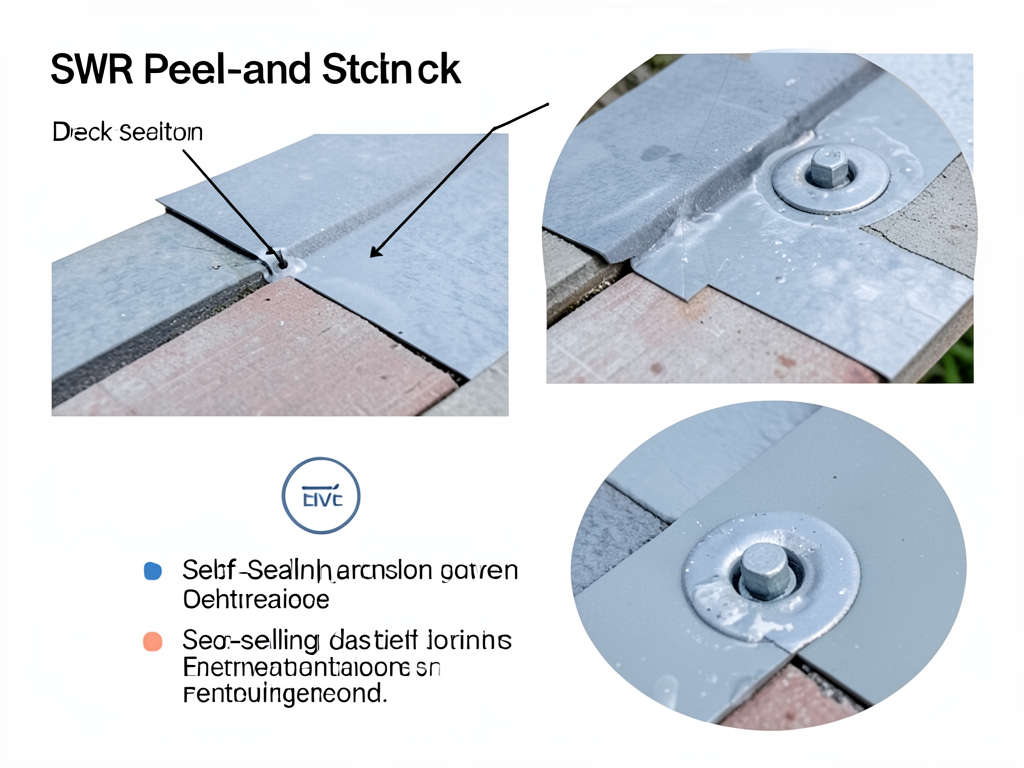
Technical diagram showing SWR peel-and-stick application over roof deck joints with magnified view of self-sealing around fastener penetrations.
How SWR qualifies you for wind mitigation insurance credits
Insurance companies use the OIR-B1-1802 Wind Mitigation Inspection Form to determine premium discounts. Question 5 specifically asks about secondary water resistance. If your roof has SWR installed to Florida Building Code standards, you qualify for the highest premium reduction available for this category. Reliable Roof Inspection Services for Home Buyers in Winter Garden.
The inspection process involves a certified inspector examining your roof deck from the attic. They look for the SWR membrane covering all joints and verifying proper installation. Homes with SWR typically see 10-35% reductions in windstorm insurance premiums, depending on your carrier and location within Orange County.
For a typical Ocoee home with a $3,000 annual windstorm premium, this translates to $300-1,050 in annual savings. The inspector also notes the SWR installation date, which affects how credits apply. Newer installations may qualify for higher discounts as building codes have strengthened over time.
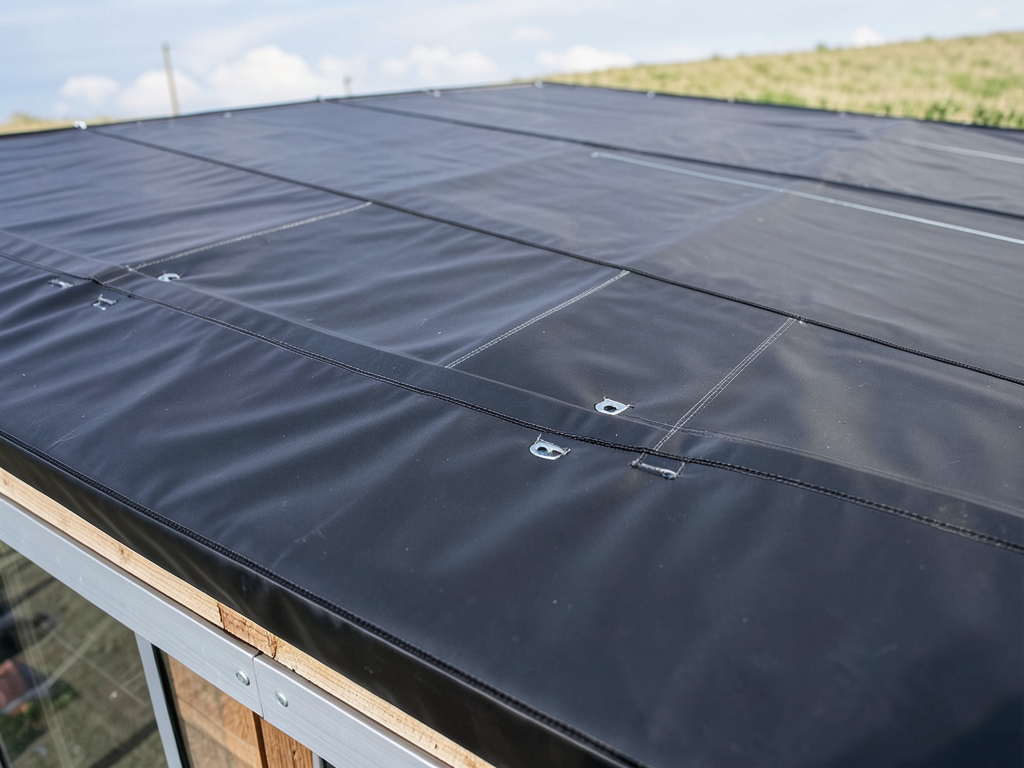
Photo of a completed SWR installation showing the uniform black membrane covering roof deck seams with proper overlap markings visible.. Read more about What those black streaks on your Waterford Lakes roof actually mean (and how to fix them).
Florida Building Code requirements for SWR in Ocoee
The Florida Building Code (FBC) Section 1504.1.6 mandates secondary water resistance in High Velocity Hurricane Zones (HVHZ). Ocoee falls within these requirements due to its location in Orange County’s wind-borne debris region. The code specifies ASTM D1970 compliance for self-adhering polymer-modified bitumen sheets.
Current standards require SWR over the entire roof deck or at minimum over joints in the roof decking. The material must extend at least 4 inches beyond each side of joints in the roof decking. For homes in Forest Cove and other Ocoee subdivisions, this means every seam where plywood sheets meet requires coverage.
The FBC also mandates specific overlap requirements. End laps must be at least 6 inches, while side laps require 2.5 inches minimum. Installers must clean the deck thoroughly before application – any dust or debris compromises the adhesive bond. The code references ESR (Evaluation Service Report) numbers that certify products for Florida’s climate conditions.
Installation methods: peel-and-stick vs. taped seams
Two primary methods exist for achieving secondary water resistance. The most common is peel-and-stick underlayment, which applies a continuous polymer-modified bitumen sheet across the entire deck. This method provides the highest level of protection and is what most insurance companies look for during wind mitigation inspections.
The alternative is closed-cell foam tape applied over deck joints. This method meets minimum code requirements but provides less comprehensive protection. The tape seals only where sheets of decking meet, leaving the field of the deck unprotected. Some Ocoee homeowners choose this option to reduce costs, though it typically qualifies for smaller insurance credits.
Installation timing matters significantly. SWR must install before shingles go on. During a reroof, this means the old roof comes off, SWR applies to the clean deck, then new underlayment and shingles install over it. The process adds one to two days to a typical reroof timeline but creates the waterproof barrier that insurance companies reward.
Before-and-after comparison showing exposed roof deck during SWR installation versus completed roof with shingles installed over SWR membrane.
Cost analysis: SWR installation vs. insurance savings
SWR installation costs vary based on roof size and complexity. For an average Ocoee home with 2,000 square feet of roof area, expect $1,200-2,400 for materials and labor. This breaks down to approximately $0.60-1.20 per square foot of deck coverage. Best Roofing Materials for Older Bungalows in Thornton Park.
Compare this to annual insurance savings. A home with $2,500 in windstorm premiums might save $400-800 per year with SWR. At $600 average annual savings, the investment pays for itself in 2-4 years. After that, savings continue for the life of the roof, typically 15-20 years.
Additional factors affect ROI. Homes in Wind-borne debris regions like Ocoee qualify for higher credits than inland areas. The age of your current roof matters – if replacement is due within 3-5 years anyway, SWR essentially costs nothing extra since you’d pay for new underlayment regardless.
Step-by-step SWR installation process
- Deck Preparation
Remove all existing roofing materials down to the deck. Clean the surface thoroughly with brooms or air compressors to remove dust, debris, and loose fasteners. Any contamination prevents proper adhesion. Is Solar Roofing Actually Worth the Investment for Orlando Residents?.
- Material Layout
Start at the bottom edge, rolling out SWR material with the release film facing up. Position sheets to maintain minimum overlap requirements – 6 inches on ends, 2.5 inches on sides. Mark reference lines to ensure straight application.
- Application
Peel back release film gradually while pressing material to deck. Use a roller or hand pressure to ensure full contact. Pay special attention to edges and overlaps where leaks commonly develop.
- Fastener Sealing
Where nails penetrate for new underlayment installation, the SWR material self-seals around penetrations. No additional sealing required if proper pressure applied during installation.
- Inspection
Verify all overlaps meet code requirements. Check for bubbles or areas where material didn’t fully adhere. Any defects compromise the waterproof barrier and may affect insurance credit eligibility.
Maintenance and longevity considerations
SWR typically lasts the lifetime of your roof system, 20-30 years in Florida’s climate. The polymer-modified bitumen resists UV degradation better than standard underlayment. However, extreme heat can cause minor expansion and contraction, potentially creating small gaps over decades.
During roof replacement, SWR must come up with the old shingles. You cannot install new SWR over existing material. This means the protection resets with each reroof, maintaining its effectiveness for the new roof’s lifespan.
Some Ocoee homeowners worry about SWR hiding deck damage. While the membrane does cover the deck surface, any rot or structural issues become apparent during installation when fasteners don’t hold properly or the material bubbles up from uneven surfaces.
Common questions about SWR and insurance
Many homeowners ask if they need a new roof to get SWR benefits. The answer is yes – SWR installs during reroofing when the deck is exposed. However, if your roof is over 15 years old, replacement is likely due anyway, making this the ideal time to add SWR. TPO vs EPDM Roofing Guide.
Another frequent question involves DIY installation. Insurance companies require professional installation meeting Florida Building Code standards. DIY work typically doesn’t qualify for credits because inspectors cannot verify proper installation methods and material specifications.
Homeowners also wonder about compatibility with different roofing materials. SWR works with asphalt shingles, tile, metal, and flat roof systems. The underlayment goes under whatever final roofing material you choose. Roofing Goldenrod.
Why Ocoee homes specifically benefit from SWR
Ocoee’s location in western Orange County places it in Wind-borne debris regions where hurricane winds frequently exceed 110 mph. The area’s mix of mid-century ranches and newer developments means many homes predate current building code requirements for secondary water barriers.
Local soil conditions also factor in. Ocoee’s sandy soil drains well but can shift during heavy rains, potentially stressing roof structures. SWR provides an additional layer of protection against the water intrusion that often follows structural movement.
The area’s rapid growth means many homes are undergoing first-time reroofing since building codes strengthened. This creates an ideal window for adding SWR and capturing insurance credits that weren’t available when the original roofs installed.
Getting started with SWR for your Ocoee home
The first step is scheduling a roof inspection to determine if your home qualifies for SWR installation. Most Ocoee homes built before 2002 need complete replacement to add this protection, while newer homes might only need underlayment replacement.
Next, contact your insurance provider to understand potential premium reductions. Some companies require specific documentation or have minimum credit thresholds. Knowing these details helps you calculate the true ROI of SWR installation.
Finally, work with a licensed Florida roofing contractor experienced in SWR installation and wind mitigation inspections. Proper installation ensures you receive maximum insurance credits and the full waterproofing benefits SWR provides.
Call (689) 268-2855 today to schedule your free SWR consultation and learn exactly how much you could save on insurance premiums. Our team serves all of Ocoee including Forest Oaks, Lake Olympia, and surrounding neighborhoods.
Frequently Asked Questions
Does secondary water resistance really save that much on insurance?
Yes, SWR typically provides 10-35% reductions in windstorm insurance premiums. For an average Ocoee home paying $2,500 annually for wind coverage, this means $250-875 in yearly savings. The exact amount depends on your insurance carrier and home location within Orange County.
Can I add SWR to my existing roof?
No, SWR must install during reroofing when the deck is exposed. The membrane bonds directly to plywood or OSB decking. Adding it over existing shingles or underlayment won’t provide the waterproof barrier or qualify for insurance credits.
How long does SWR installation take?
SWR installation adds one to two days to a typical reroof project. The process includes deck preparation, material application, and inspection. For an average home, expect 16-32 hours of additional labor beyond standard reroofing time.
Will SWR prevent all roof leaks?
SWR significantly reduces leak risk by creating a waterproof barrier under your shingles. However, it doesn’t prevent all potential water intrusion. Proper flashing, ventilation, and overall roof maintenance remain important for complete protection.
What if I sell my house? Does SWR transfer to new owners?
Yes, SWR remains with the property and continues providing insurance benefits to new owners. The wind mitigation inspection report showing SWR installation stays valid as long as the roof remains in place, typically transferring automatically with property sale.
You may also find this helpful. Brightening up your Casselberry home with solar tubes instead of traditional skylights.
{
“@context”: “https://schema.org”,
“@type”: “BlogPosting”,
“headline”: “How secondary water resistance can lower your Ocoee home insurance premiums”,
“description”: “Learn how secondary water resistance (SWR) can reduce your Ocoee home insurance costs by up to 35% through wind mitigation credits. Find out installation costs, Florida Building Code requirements, and ROI.”,
“wordCount”: 1854,
“datePublished”: “2026-03-09T16:38:00.000Z”,
“dateModified”: “2026-03-09T16:38:00.000Z”,
“inLanguage”: “en-US”,
“mainEntityOfPage”: {
“@type”: “WebPage”,
“@id”: “https://allproroofingorlando.com”
},
“publisher”: {
“@type”: “LocalBusiness”,
“name”: “All Pro Roofing Orlando”,
“url”: “https://allproroofingorlando.com”
},
“author”: {
“@type”: “Organization”,
“name”: “All Pro Roofing Orlando”,
“url”: “https://allproroofingorlando.com”
},
“image”: {
“@type”: “ImageObject”,
“url”: “https://allproroofingorlando.com/wp-content/uploads/2026/03/how-secondary-water-resistance-can-lower-your-ocoe-1.png”
}
}
{
“@context”: “https://schema.org”,
“@type”: “RoofingContractor”,
“name”: “All Pro Roofing Orlando”,
“url”: “https://allproroofingorlando.com”,
“address”: {
“@type”: “PostalAddress”,
“addressLocality”: “Orlando”
},
“areaServed”: {
“@type”: “City”,
“name”: “Orlando”
}
}
{
“@context”: “https://schema.org”,
“@type”: “FAQPage”,
“mainEntity”: [
{
“@type”: “Question”,
“name”: “What is secondary water resistance and how does it work?”,
“acceptedAnswer”: {
“@type”: “Answer”,
“text”: “Secondary water resistance is a self-adhering, polymer-modified bitumen underlayment that bonds directly to your roof deck. Unlike standard felt paper that sits loosely under shingles, SWR creates a continuous waterproof membrane across your entire roof surface. The material comes in rolls that peel away from a backing paper, then press onto clean plywood or OSB decking.”
}
},
{
“@type”: “Question”,
“name”: “Does secondary water resistance really save that much on insurance?”,
“acceptedAnswer”: {
“@type”: “Answer”,
“text”: “Yes, SWR typically provides 10-35% reductions in windstorm insurance premiums. For an average Ocoee home paying $2,500 annually for wind coverage, this means $250-875 in yearly savings. The exact amount depends on your insurance carrier and home location within Orange County.”
}
},
{
“@type”: “Question”,
“name”: “Can I add SWR to my existing roof?”,
“acceptedAnswer”: {
“@type”: “Answer”,
“text”: “No, SWR must install during reroofing when the deck is exposed. The membrane bonds directly to plywood or OSB decking. Adding it over existing shingles or underlayment won’t provide the waterproof barrier or qualify for insurance credits.”
}
},
{
“@type”: “Question”,
“name”: “How long does SWR installation take?”,
“acceptedAnswer”: {
“@type”: “Answer”,
“text”: “SWR installation adds one to two days to a typical reroof project. The process includes deck preparation, material application, and inspection. For an average home, expect 16-32 hours of additional labor beyond standard reroofing time.”
}
},
{
“@type”: “Question”,
“name”: “Will SWR prevent all roof leaks?”,
“acceptedAnswer”: {
“@type”: “Answer”,
“text”: “SWR significantly reduces leak risk by creating a waterproof barrier under your shingles. However, it doesn’t prevent all potential water intrusion. Proper flashing, ventilation, and overall roof maintenance remain important for complete protection.”
}
},
{
“@type”: “Question”,
“name”: “What if I sell my house? Does SWR transfer to new owners?”,
“acceptedAnswer”: {
“@type”: “Answer”,
“text”: “Yes, SWR remains with the property and continues providing insurance benefits to new owners. The wind mitigation inspection report showing SWR installation stays valid as long as the roof remains in place, typically transferring automatically with property sale.”
}
}
]
}
{
“@context”: “https://schema.org”,
“@type”: “HowTo”,
“name”: “SWR Installation Process”,
“step”: [
{
“@type”: “HowToStep”,
“position”: 1,
“name”: “Deck Preparation”,
“text”: “Remove all existing roofing materials down to the deck. Clean the surface thoroughly with brooms or air compressors to remove dust, debris, and loose fasteners. Any contamination prevents proper adhesion. Is Solar Roofing Actually Worth the Investment for Orlando Residents?.”
},
{
“@type”: “HowToStep”,
“position”: 2,
“name”: “Material Layout”,
“text”: “Start at the bottom edge, rolling out SWR material with the release film facing up. Position sheets to maintain minimum overlap requirements – 6 inches on ends, 2.5 inches on sides. Mark reference lines to ensure straight application.”
},
{
“@type”: “HowToStep”,
“position”: 3,
“name”: “Application”,
“text”: “Peel back release film gradually while pressing material to deck. Use a roller or hand pressure to ensure full contact. Pay special attention to edges and overlaps where leaks commonly develop.”
},
{
“@type”: “HowToStep”,
“position”: 4,
“name”: “Fastener Sealing”,
“text”: “Where nails penetrate for new underlayment installation, the SWR material self-seals around penetrations. No additional sealing required if proper pressure applied during installation.”
},
{
“@type”: “HowToStep”,
“position”: 5,
“name”: “Inspection”,
“text”: “Verify all overlaps meet code requirements. Check for bubbles or areas where material didn’t fully adhere. Any defects compromise the waterproof barrier and may affect insurance credit eligibility.”
}
],
“image”: “https://allproroofingorlando.com/wp-content/uploads/2026/03/how-secondary-water-resistance-can-lower-your-ocoe-1.png”
}
{
“@context”: “https://schema.org”,
“@type”: “BreadcrumbList”,
“itemListElement”: [
{
“@type”: “ListItem”,
“position”: 1,
“name”: “Home”,
“item”: “https://allproroofingorlando.com”
},
{
“@type”: “ListItem”,
“position”: 2,
“name”: “Blog”,
“item”: “https://allproroofingorlando.com/blog”
},
{
“@type”: “ListItem”,
“position”: 3,
“name”: “How secondary water resistance can lower your Ocoee home insurance premiums”
}
]
}
{
“@context”: “https://schema.org”,
“@type”: “Service”,
“serviceType”: “Roofing”,
“provider”: {
“@type”: “LocalBusiness”,
“name”: “All Pro Roofing Orlando”,
“url”: “https://allproroofingorlando.com”
},
“areaServed”: {
“@type”: “City”,
“name”: “Orlando”
},
“description”: “Learn how secondary water resistance (SWR) can reduce your Ocoee home insurance costs by up to 35% through wind mitigation credits. Find out installation costs, Florida Building Code requirements, and ROI.”
}