
Choosing Between Shingle and Tile Roofs for Your Central Florida Home
Central Florida homeowners face a critical decision when replacing their roof: asphalt shingles or concrete/clay tiles. This choice affects your home’s protection during hurricane season, your monthly energy bills, and even your homeowners insurance premiums. The humid subtropical climate of Orlando, with its intense UV exposure and hurricane-force winds, creates unique challenges that make this decision more complex than in other regions. Florida Building Code Information.
Let’s examine how each material performs in our specific environment, what the real costs look like over time, and how to make the right choice for your home’s structure and your budget.
Understanding Orlando’s Climate Impact on Roofing Materials
Orlando experiences conditions that accelerate roof deterioration. Summer temperatures regularly exceed 90°F with humidity levels above 70%. Afternoon thunderstorms bring torrential rain and wind gusts up to 60 mph. Hurricane season runs from June through November, with storms capable of producing sustained winds over 130 mph.. Read more about Local Orlando Roofers Who Can Fix Your Leak the First Time.
The combination of UV radiation, thermal cycling, and moisture creates specific failure patterns. Asphalt shingles lose granules when UV rays break down the asphalt binder. Clay tiles expand and contract with temperature changes, potentially causing hairline cracks. Both materials face algae growth from the constant humidity, with black streaks forming on north-facing surfaces.. Read more about Best Roofing Materials for Older Bungalows in Thornton Park.
Florida Building Code requires specific wind ratings based on your home’s location within wind zones. Most of Orlando falls in the High-Velocity Hurricane Zone, requiring materials tested to TAS 100(A) standards. This testing simulates wind uplift pressures that a roof must withstand during a Category 3 hurricane or stronger.
Asphalt Shingles: Performance and Cost in Central Florida
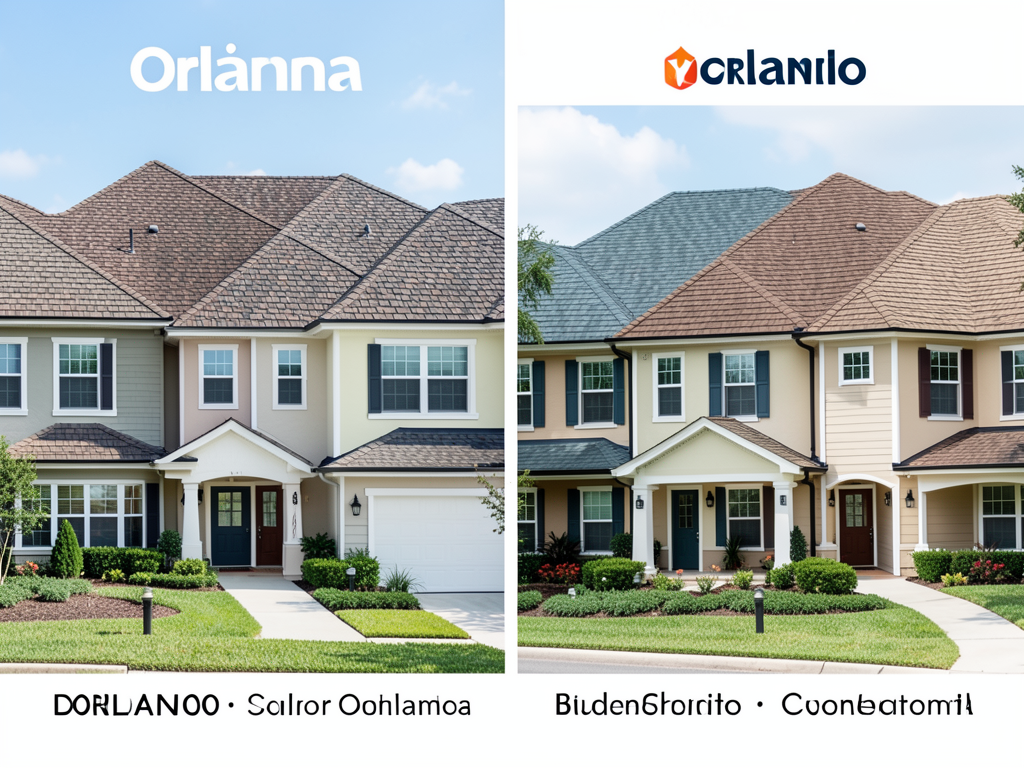
Modern architectural shingles dominate the Orlando market due to their affordability and adequate performance. High-quality architectural shingles carry Class H wind ratings (up to 150 mph) when properly installed with six nails per shingle and enhanced underlayment.. Read more about How proper attic ventilation saves your Celebration roof from the extreme Florida heat.
Cost ranges from $5-8 per square foot installed in Orlando, including removal of the existing roof. This translates to $7,500-12,000 for a typical 1,500 square foot roof. Labor accounts for approximately 60% of the total cost due to the time-intensive installation process.
Lifespan expectations in Orlando average 15-20 years, though UV exposure and algae growth can reduce this to 12-15 years without proper maintenance. Many manufacturers now include algae-resistant granules containing copper or zinc to combat the black streaking common in our humid climate.
Installation requires 1-3 days for most homes. The process involves removing old materials, inspecting the deck, installing underlayment, and laying new shingles. Most asphalt shingle installations don’t require structural reinforcement, making them suitable for homes built before 1990.
Insurance companies in Florida offer wind mitigation credits for Class H shingles installed after 2020. These credits can reduce annual premiums by $200-400, though they don’t match the savings available for tile roofs with enhanced underlayment systems.
Tile Roofing: Concrete vs Clay Options for Orlando Homes
Tile roofs excel in Florida’s climate due to their thermal mass and wind resistance. Concrete tiles weigh 900-1,200 pounds per square (100 sq ft) while clay tiles weigh 600-800 pounds. This weight provides natural wind resistance, with most tiles rated for 150+ mph winds without additional fastening.
Concrete tiles cost $12-18 per square foot installed, while clay tiles range from $15-25 per square foot. The higher cost reflects both material expenses and the specialized labor required. Installation takes 2-4 weeks, including roof preparation and careful placement of each tile.
Lifespan expectations exceed 50 years for both materials. Concrete tiles resist UV degradation better than asphalt but may fade over decades. Clay tiles maintain their color permanently but can crack from impact or thermal stress. Neither material supports algae growth, eliminating the black streaking common on shingles.
Energy efficiency provides significant operational savings. Tile roofs create an air gap between the tile and roof deck, reducing heat transfer into the attic. This can lower cooling costs by 15-20% during Orlando’s long summer season. Many tile products carry Energy Star ratings when installed with proper ventilation. Energy Efficiency in Roofing Materials.
Structural requirements present the main limitation. Homes built before 1980 often need truss reinforcement to support tile weight. This reinforcement adds $3,000-8,000 to the project cost. A structural engineer must evaluate the existing framing before installation can proceed.
Direct Comparison: Durability, Maintenance, and Insurance Impact
| Feature | Asphalt Shingles | Tile Roofing |
|---|---|---|
| Initial Cost | $5-8/sq ft | $12-25/sq ft |
| Lifespan | 15-20 years | 50+ years |
| Wind Rating | Class H (150 mph) | 150+ mph (no fastening) |
| Weight | 200-300 lbs/sq | 600-1,200 lbs/sq |
| Energy Efficiency | Standard | 15-20% cooling savings |
| Insurance Credits | $200-400/year | $400-800/year |
| Maintenance | Granule loss, algae | Crack repair, cleaning |
Insurance premium differences reflect the materials’ performance during storms. Tile roofs receive higher wind mitigation credits because they maintain their seal under extreme wind loads. The credits can offset 15-20% of the annual premium, providing ongoing savings that compound over decades.
Maintenance requirements differ significantly. Shingle roofs need replacement when granules wear off or shingles curl. Tile roofs rarely need full replacement but require individual tile replacement when cracked and periodic cleaning to maintain appearance. Neither material performs well with ponding water, making proper drainage essential.
Cost Analysis: Upfront Investment vs Long-Term ROI
A 30-year cost comparison reveals the true economics of each option. For a 2,000 square foot roof:
Shingle Scenario:
– Initial cost: $12,000-16,000
– Replacements needed: 2 (years 15 and 30)
– Total replacement cost: $24,000-32,000
– Insurance credits: $6,000-12,000
– Net 30-year cost: $18,000-20,000
Tile Scenario:
– Initial cost: $24,000-40,000 (includes structural work)
– Replacements needed: 0
– Insurance credits: $12,000-24,000
– Net 30-year cost: $12,000-28,000
The crossover point where tile becomes more economical typically occurs between years 12-18, depending on energy savings and insurance credits. Homes planned to be occupied longer than 15 years often benefit financially from tile installation.
Energy savings provide additional return on investment. A tile roof reducing cooling costs by 15% on a $200 monthly electric bill saves $30 per month or $360 per year. Over 30 years, this equals $10,800 in present-value savings, pushing the total ROI further in tile’s favor.
HOA and Aesthetic Considerations in Orlando Neighborhoods
Many Orlando suburbs enforce strict HOA guidelines affecting roof selection. Mediterranean-style communities like those in Dr. Phillips and Windermere typically require tile to maintain architectural consistency. Newer developments in Lake Nona often specify approved shingle colors and styles.
Historic districts present additional constraints. The Audubon Park Garden District and portions of College Park require materials that match existing structures. Tile often meets these requirements while modern architectural shingles may need approval from the historic preservation board.
Color choices impact both aesthetics and energy efficiency. Light-colored tiles reflect more solar radiation, reducing heat gain. Dark shingles absorb heat but may be required to match neighborhood character. Some HOAs mandate specific color palettes that limit energy-efficient options.. Read more about Is Solar Roofing Actually Worth the Investment for Orlando Residents?.
Property values respond differently to each material. Tile roofs typically increase resale value by 3-5% in luxury markets but may not justify their cost in entry-level neighborhoods. Shingle roofs maintain neutral value impact but avoid the potential negative perception of mismatched materials in established areas.
Installation Timeline and Weather Considerations
Orlando’s rainy season affects installation scheduling. Asphalt shingle projects can proceed in light rain, but tile installation requires dry conditions for mortar work. Most contractors avoid scheduling major work from June through September unless guaranteed dry periods exist.
Permit processing through Orange County Building Services takes 2-4 weeks for standard replacements. Tile installations requiring structural engineering review extend this timeline to 4-6 weeks. Expedited permits cost an additional $500-1,000 but reduce processing time by half.. Read more about Reliable Roof Inspection Services for Home Buyers in Winter Garden.
Material availability fluctuates with national supply chains. Premium architectural shingles typically ship within 2 weeks. Tile orders from manufacturers like Eagle Roofing or Boral require 6-8 weeks lead time due to production schedules and shipping from regional distribution centers.. Read more about Roofing Services for Metrowest Apartment Complexes and Multi-Family Buildings.
Installation timing affects both cost and protection. Replacing a roof before hurricane season provides peace of mind during peak storm months. However, winter installations (November through February) often cost 10-15% less due to reduced demand and milder working conditions.
Making Your Decision: Factors Beyond Cost
Structural assessment determines material feasibility. A simple visual inspection won’t reveal whether your trusses can support tile weight. A structural engineer must calculate load capacity based on rafter size, spacing, and existing conditions. This evaluation costs $300-600 but prevents costly mid-project discoveries.
Future plans influence the economics. If you plan to sell within 5-7 years, shingles often provide better return on investment due to lower upfront costs. Long-term homeowners benefit more from tile’s durability and energy efficiency.
Climate adaptation matters for both materials. Shingles with high solar reflectance index (SRI) ratings reduce heat gain. Tile roofs benefit from proper underlayment and ventilation systems that prevent moisture accumulation under the tiles.
Local expertise affects installation quality. Orlando contractors understand our specific wind loads, drainage patterns, and building code requirements. Ask potential contractors about their experience with your chosen material in Central Florida specifically.
Environmental considerations increasingly influence decisions. Tile roofs use natural materials and last longer, reducing landfill impact. Many asphalt shingles now incorporate recycled content and are recyclable at end of life. Both options offer environmental benefits over less durable alternatives.
Frequently Asked Questions
How long does a roof replacement take in Orlando?
Asphalt shingle replacement takes 1-3 days under normal conditions. Tile installation requires 2-4 weeks including structural preparation if needed. Weather delays during hurricane season can extend both timelines by 1-2 weeks.
Will my homeowners insurance cover the full replacement cost?
Standard policies cover replacement if damage results from covered perils like wind or hail. However, age-related wear typically isn’t covered. Most policies depreciate roof value based on age, paying actual cash value rather than full replacement cost for roofs over 10 years old.
Do I need permits for roof replacement in Orange County?
Yes, Orange County requires building permits for all roof replacements. The process includes plan review, inspections during installation, and final approval. Permit fees range from $250-750 depending on project scope and whether structural modifications are needed.
Can I install new shingles over existing ones?
Florida Building Code generally prohibits more than one layer of roofing material. The extra weight and potential for moisture entrapment between layers create safety hazards. Most Orlando jurisdictions require complete removal of existing roofing before installing new materials.. Read more about New Construction Roofing and Warranty Services in Horizon West.
How do I know if my home can support a tile roof?
A structural engineer must evaluate your roof framing. They’ll examine rafter size, spacing, and span to calculate load capacity. Homes built before 1980 almost always need reinforcement. The evaluation costs $300-600 but prevents expensive surprises during installation.
What wind mitigation credits are available in Orlando?
Orlando homes can receive credits for Class H shingles, secondary water barriers, and enhanced underlayment. Tile roofs qualify for additional credits due to their inherent wind resistance. Credits typically reduce annual premiums by $200-800 depending on the specific improvements installed.
- Assess Your Structure
Have a structural engineer evaluate your roof framing if considering tile. This $300-600 assessment prevents costly mid-project discoveries about weight limitations.
- Calculate Long-Term Costs
Compare 30-year total costs including replacements, insurance credits, and energy savings. Use $5-8/sq ft for shingles and $12-25/sq ft for tile as baseline figures.
- Check HOA Requirements
Review your HOA covenants for material restrictions. Mediterranean-style communities often mandate tile, while newer developments may specify approved shingle colors and styles.
- Consider Timeline
Schedule replacements during off-season (November-February) for potential 10-15% savings. Avoid hurricane season unless you need immediate protection before storm season.
- Verify Contractor Experience
Choose contractors with specific experience in Central Florida’s climate and building codes. Ask for local references and verify their licensing through the Florida Department of Business and Professional Regulation.
Choosing between shingle and tile roofing requires balancing upfront costs against long-term performance in Orlando’s unique climate. Asphalt shingles offer affordability and adequate protection for most homes, while tile provides superior durability and energy efficiency for long-term ownership.
The right choice depends on your home’s structure, your budget, and your plans for the property. A structural evaluation provides the foundation for this decision, revealing whether your home can support the weight of tile or if shingles represent your only viable option.
Don’t wait until storm damage forces an emergency replacement. Call (689) 268-2855 today to schedule your inspection and get expert guidance on the best roofing solution for your Central Florida home.
You may also find this helpful. Fixing Leaky Skylights or Installing New Ones for Dr. Phillips Residents.
You may also find this helpful. Matching Seamless Gutters with Your Next Orlando Roof Replacement.
{
“@context”: “https://schema.org”,
“@type”: “BlogPosting”,
“headline”: “Choosing Between Shingle and Tile Roofs for Your Central Florida Home”,
“description”: “Compare shingle vs tile roofs for Orlando homes. Learn about hurricane wind resistance, insurance premiums, and long-term costs in Central Florida’s unique climate.”,
“wordCount”: 2040,
“datePublished”: “2026-02-25T09:10:00.000Z”,
“dateModified”: “2026-02-25T09:10:00.000Z”,
“inLanguage”: “en-US”,
“mainEntityOfPage”: {
“@type”: “WebPage”,
“@id”: “https://allproroofingorlando.com”
},
“publisher”: {
“@type”: “LocalBusiness”,
“name”: “All Pro Roofing Orlando”,
“url”: “https://allproroofingorlando.com”
},
“author”: {
“@type”: “Organization”,
“name”: “All Pro Roofing Orlando”,
“url”: “https://allproroofingorlando.com”
},
“image”: {
“@type”: “ImageObject”,
“url”: “https://allproroofingorlando.com/wp-content/uploads/2026/03/choosing-between-shingle-and-tile-roofs-for-your-c-1.png”
}
}
{
“@context”: “https://schema.org”,
“@type”: “RoofingContractor”,
“name”: “All Pro Roofing Orlando”,
“url”: “https://allproroofingorlando.com”,
“address”: {
“@type”: “PostalAddress”,
“addressLocality”: “Orlando”
},
“areaServed”: {
“@type”: “City”,
“name”: “Orlando”
}
}
{
“@context”: “https://schema.org”,
“@type”: “FAQPage”,
“mainEntity”: [
{
“@type”: “Question”,
“name”: “How long does a roof replacement take in Orlando?”,
“acceptedAnswer”: {
“@type”: “Answer”,
“text”: “Asphalt shingle replacement takes 1-3 days under normal conditions. Tile installation requires 2-4 weeks including structural preparation if needed. Weather delays during hurricane season can extend both timelines by 1-2 weeks.”
}
},
{
“@type”: “Question”,
“name”: “Will my homeowners insurance cover the full replacement cost?”,
“acceptedAnswer”: {
“@type”: “Answer”,
“text”: “Standard policies cover replacement if damage results from covered perils like wind or hail. However, age-related wear typically isn’t covered. Most policies depreciate roof value based on age, paying actual cash value rather than full replacement cost for roofs over 10 years old.”
}
},
{
“@type”: “Question”,
“name”: “Do I need permits for roof replacement in Orange County?”,
“acceptedAnswer”: {
“@type”: “Answer”,
“text”: “Yes, Orange County requires building permits for all roof replacements. The process includes plan review, inspections during installation, and final approval. Permit fees range from $250-750 depending on project scope and whether structural modifications are needed.”
}
},
{
“@type”: “Question”,
“name”: “Can I install new shingles over existing ones?”,
“acceptedAnswer”: {
“@type”: “Answer”,
“text”: “Florida Building Code generally prohibits more than one layer of roofing material. The extra weight and potential for moisture entrapment between layers create safety hazards. Most Orlando jurisdictions require complete removal of existing roofing before installing new materials.”
}
},
{
“@type”: “Question”,
“name”: “How do I know if my home can support a tile roof?”,
“acceptedAnswer”: {
“@type”: “Answer”,
“text”: “A structural engineer must evaluate your roof framing. They’ll examine rafter size, spacing, and span to calculate load capacity. Homes built before 1980 almost always need reinforcement. The evaluation costs $300-600 but prevents expensive surprises during installation.”
}
},
{
“@type”: “Question”,
“name”: “What wind mitigation credits are available in Orlando?”,
“acceptedAnswer”: {
“@type”: “Answer”,
“text”: “Orlando homes can receive credits for Class H shingles, secondary water barriers, and enhanced underlayment. Tile roofs qualify for additional credits due to their inherent wind resistance. Credits typically reduce annual premiums by $200-800 depending on the specific improvements installed.”
}
}
]
}
{
“@context”: “https://schema.org”,
“@type”: “HowTo”,
“name”: “How to Choose Your Roof Material”,
“step”: [
{
“@type”: “HowToStep”,
“position”: 1,
“name”: “Assess Your Structure”,
“text”: “Have a structural engineer evaluate your roof framing if considering tile. This $300-600 assessment prevents costly mid-project discoveries about weight limitations.”
},
{
“@type”: “HowToStep”,
“position”: 2,
“name”: “Calculate Long-Term Costs”,
“text”: “Compare 30-year total costs including replacements, insurance credits, and energy savings. Use $5-8/sq ft for shingles and $12-25/sq ft for tile as baseline figures.”
},
{
“@type”: “HowToStep”,
“position”: 3,
“name”: “Check HOA Requirements”,
“text”: “Review your HOA covenants for material restrictions. Mediterranean-style communities often mandate tile, while newer developments may specify approved shingle colors and styles.”
},
{
“@type”: “HowToStep”,
“position”: 4,
“name”: “Consider Timeline”,
“text”: “Schedule replacements during off-season (November-February) for potential 10-15% savings. Avoid hurricane season unless you need immediate protection before storm season.”
},
{
“@type”: “HowToStep”,
“position”: 5,
“name”: “Verify Contractor Experience”,
“text”: “Choose contractors with specific experience in Central Florida’s climate and building codes. Ask for local references and verify their licensing through the Florida Department of Business and Professional Regulation.”
}
],
“image”: “https://allproroofingorlando.com/wp-content/uploads/2026/03/choosing-between-shingle-and-tile-roofs-for-your-c-1.png”
}
{
“@context”: “https://schema.org”,
“@type”: “BreadcrumbList”,
“itemListElement”: [
{
“@type”: “ListItem”,
“position”: 1,
“name”: “Home”,
“item”: “https://allproroofingorlando.com”
},
{
“@type”: “ListItem”,
“position”: 2,
“name”: “Blog”,
“item”: “https://allproroofingorlando.com/blog”
},
{
“@type”: “ListItem”,
“position”: 3,
“name”: “Choosing Between Shingle and Tile Roofs for Your Central Florida Home”
}
]
}
{
“@context”: “https://schema.org”,
“@type”: “Service”,
“serviceType”: “Roofing”,
“provider”: {
“@type”: “LocalBusiness”,
“name”: “All Pro Roofing Orlando”,
“url”: “https://allproroofingorlando.com”
},
“areaServed”: {
“@type”: “City”,
“name”: “Orlando”
},
“description”: “Compare shingle vs tile roofs for Orlando homes. Learn about hurricane wind resistance, insurance premiums, and long-term costs in Central Florida’s unique climate.”
}