
Why your AC works harder when your Orlando attic isn’t breathing properly
Your Orlando attic can reach 150°F on a summer afternoon, creating an invisible oven effect that bakes your living space from above. This superheated air forces your air conditioner to run longer cycles, increasing energy bills and shortening equipment life. Proper attic ventilation can reduce attic temperatures by 30-50 degrees, typically cutting AC workload by 10-15%.. Read more about Comparing solar attic fans and static vents for the best airflow in Clermont.
The science of heat transfer in your Orlando attic
Orlando’s intense sun creates three heat transfer problems in attics. Radiant heat from the roof deck conducts through wood and insulation. Hot air rises through convection, creating pressure that pushes heat downward. Thermal bypass allows heat to penetrate through gaps around light fixtures and ductwork.
According to the Florida Building Code (FBC), attics in Climate Zone 1 require specific ventilation ratios to prevent moisture accumulation and excessive heat buildup. The code mandates one square foot of net free ventilation area for every 150 square feet of attic floor space. Florida Building Code requirements.
3 ways poor ventilation kills your AC performance
- Increased cycle frequency
Your AC must run longer to overcome the heat gain from a poorly ventilated attic, leading to more frequent on/off cycles that wear out compressors faster.
- Shortened compressor lifespan
Continuous operation in high-temperature conditions reduces compressor life from 15-20 years to as little as 8-10 years.
- Ductwork heat gain
Supply ducts running through hot attics absorb heat, delivering warmer air to your living space and forcing the system to work harder.
Comparing attic ventilation systems for Orlando’s climate
| Ventilation Type | Cost Range | Best For | Orlando Suitability |
|---|---|---|---|
| Ridge Vents | $300-$800 | Continuous exhaust | Excellent – works with soffit intake |
| Solar Powered Fans | $400-$1,200 | Active ventilation | Good – needs backup for cloudy days |
| Static Vents | $150-$400 | Budget option | Fair – limited airflow in still air |
| Soffit Intake Vents | $200-$600 | Air intake | Essential – required with exhaust vents |
The humidity factor: why Orlando attics need more than just cooling
Orlando’s average summer humidity exceeds 70%, creating moisture problems that ventilation must address. When warm attic air meets cooler surfaces, condensation forms. This moisture feeds mold growth and can rot roof decking within 3-5 years.
The dew point in Orlando typically stays above 70°F from June through September. Without proper ventilation, this moisture becomes trapped, creating conditions where mold can grow at temperatures as low as 68°F.
Professional attic ventilation audit: what we check
- Temperature mapping
We use infrared thermometers to measure attic temperature variations, identifying hot spots that indicate poor airflow.. Read more about Why you see wet spots on your ceiling that aren’t actually roof leaks.
- Moisture detection
Moisture meters check roof decking for hidden water damage that ventilation problems can cause.
- Ventilation calculation
We measure existing vent area and calculate if it meets FBC requirements for your attic size.
- Insulation assessment
Proper R-30 to R-38 insulation works with ventilation to maintain temperature separation.

Common ventilation problems in Orlando homes
Many Orlando homes built before 2010 have inadequate ventilation. Spanish-style homes with clay tiles often lack proper soffit intake. Mid-century ranches frequently have blocked soffit vents from overgrown insulation. Modern homes with complex rooflines may have ventilation gaps that trap hot air.. Read more about Comparing ridge vents and solar attic fans for better airflow in your Celebration home.
Thermal imaging reveals that 60% of Orlando attics have at least one ventilation deficiency that impacts AC efficiency. The most common issue is blocked soffit vents, which prevents fresh air intake and creates negative pressure that pulls conditioned air from living spaces.
Energy savings from proper attic ventilation
Improving attic ventilation typically reduces cooling costs by $15-$30 per month during peak summer. Over a 5-year period, this equals $900-$1,800 in energy savings. The investment often pays for itself within 3-4 years through reduced energy bills and extended AC lifespan.
Duke Energy and OUC both offer rebates for energy-efficient home improvements, including ventilation upgrades that meet specific efficiency criteria. These programs can offset 20-30% of installation costs.
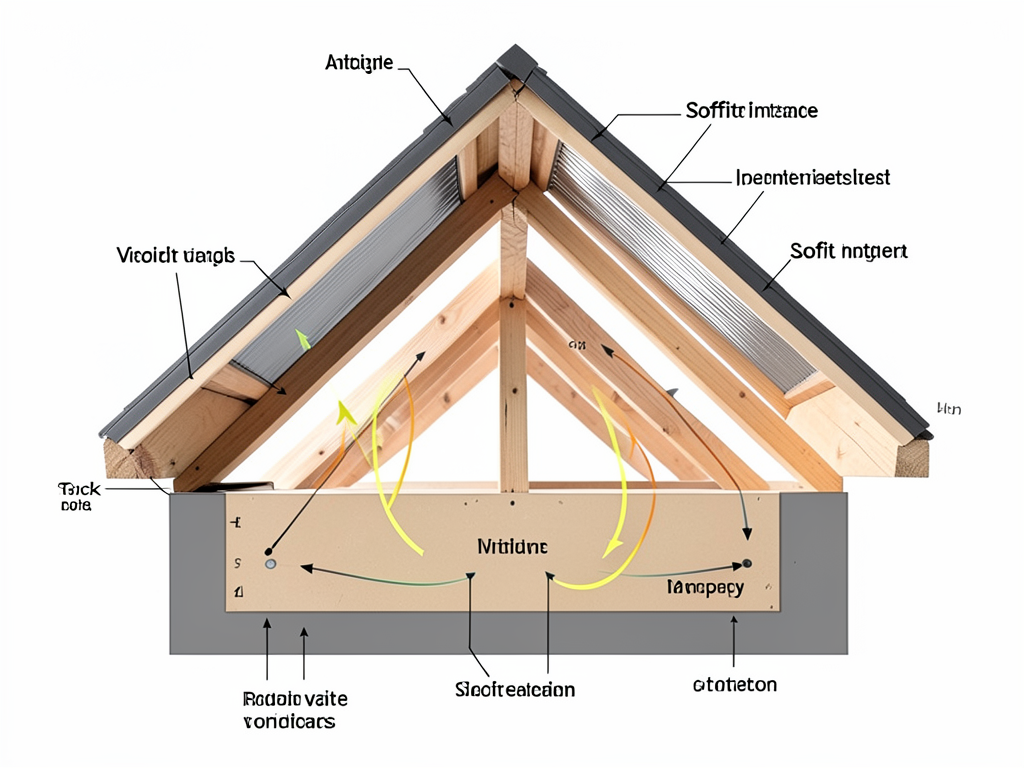
Is your attic ventilation working? Here’s how to tell
- Your attic feels significantly cooler than outside on sunny days
- Moisture or mold is not visible on roof decking
- Ice dams don’t form on north-facing sections in winter
- Your AC cycles on and off at reasonable intervals
If you answer no to any of these, your ventilation likely needs improvement. Call (689) 268-2855 today to schedule your inspection. Reliable Roof Inspection Services for Home Buyers in Winter Garden.
Frequently Asked Questions
How much does attic ventilation improvement cost?
Most ventilation improvements range from $500 to $2,500 depending on your attic size and existing conditions. Simple fixes like clearing blocked soffit vents cost less than $500, while comprehensive systems with ridge vents and solar fans run $1,500-$2,500. Is Solar Roofing Actually Worth the Investment for Orlando Residents?.
Can I install ventilation myself?
Basic maintenance like clearing debris from existing vents is safe for homeowners. However, cutting new vents into your roof or modifying soffit areas requires professional expertise to prevent leaks and ensure code compliance.
How long does installation take?
Most ventilation improvements can be completed in one day. Simple repairs take 2-4 hours, while complete system installations require 6-8 hours including cleanup.
Will ventilation help in winter?
Yes. Proper ventilation prevents ice dam formation on north-facing roofs and reduces moisture buildup that can cause rot. The same system that keeps your attic cool in summer prevents condensation problems in winter.
Take control of your energy bills today
Your air conditioner works hard enough without fighting against a superheated attic. Proper ventilation isn’t just about comfort—it’s about protecting your investment in both your roof and your HVAC system. The intense Orlando sun will keep beating down on your home, but with the right ventilation strategy, you can keep that heat where it belongs: outside.. Read more about Protecting your Ocoee flat roof from foot traffic damage during AC repairs.
Don’t wait until your AC fails on the hottest day of the year. Call (689) 268-2855 today to schedule your professional attic heat and ventilation audit. Our Orlando-based team understands the unique challenges of Central Florida’s climate and can recommend solutions that actually work in our specific conditions.. Read more about How to tell if the plywood under your shingles is rotting in the Orlando humidity.
Pick up the phone and call (689) 268-2855 before the next heat wave hits. Your AC—and your wallet—will thank you. For more information, visit Department of Energy attic ventilation guide.
{
“@context”: “https://schema.org”,
“@type”: “BlogPosting”,
“headline”: “Why your AC works harder when your Orlando attic isn’t breathing properly”,
“description”: “Orlando’s attic heat can reach 150°F, forcing your AC to work overtime. Learn how proper ventilation reduces energy bills and extends system life.”,
“wordCount”: 1014,
“datePublished”: “2026-05-21T13:52:00.000Z”,
“dateModified”: “2026-05-21T13:52:00.000Z”,
“inLanguage”: “en-US”,
“mainEntityOfPage”: {
“@type”: “WebPage”,
“@id”: “https://allproroofingorlando.com”
},
“publisher”: {
“@type”: “LocalBusiness”,
“name”: “All Pro Roofing Orlando”,
“url”: “https://allproroofingorlando.com”
},
“author”: {
“@type”: “Organization”,
“name”: “All Pro Roofing Orlando”,
“url”: “https://allproroofingorlando.com”
},
“image”: {
“@type”: “ImageObject”,
“url”: “https://allproroofingorlando.com/wp-content/uploads/2026/03/why-your-ac-works-harder-when-your-orlando-attic-i-1.png”
}
}
{
“@context”: “https://schema.org”,
“@type”: “RoofingContractor”,
“name”: “All Pro Roofing Orlando”,
“url”: “https://allproroofingorlando.com”,
“address”: {
“@type”: “PostalAddress”,
“addressLocality”: “Orlando”
},
“areaServed”: {
“@type”: “City”,
“name”: “Orlando”
}
}
{
“@context”: “https://schema.org”,
“@type”: “FAQPage”,
“mainEntity”: [
{
“@type”: “Question”,
“name”: “How much does attic ventilation improvement cost?”,
“acceptedAnswer”: {
“@type”: “Answer”,
“text”: “Most ventilation improvements range from $500 to $2,500 depending on your attic size and existing conditions. Simple fixes like clearing blocked soffit vents cost less than $500, while comprehensive systems with ridge vents and solar fans run $1,500-$2,500. Is Solar Roofing Actually Worth the Investment for Orlando Residents?.”
}
},
{
“@type”: “Question”,
“name”: “Can I install ventilation myself?”,
“acceptedAnswer”: {
“@type”: “Answer”,
“text”: “Basic maintenance like clearing debris from existing vents is safe for homeowners. However, cutting new vents into your roof or modifying soffit areas requires professional expertise to prevent leaks and ensure code compliance.”
}
},
{
“@type”: “Question”,
“name”: “How long does installation take?”,
“acceptedAnswer”: {
“@type”: “Answer”,
“text”: “Most ventilation improvements can be completed in one day. Simple repairs take 2-4 hours, while complete system installations require 6-8 hours including cleanup.”
}
},
{
“@type”: “Question”,
“name”: “Will ventilation help in winter?”,
“acceptedAnswer”: {
“@type”: “Answer”,
“text”: “Yes. Proper ventilation prevents ice dam formation on north-facing roofs and reduces moisture buildup that can cause rot. The same system that keeps your attic cool in summer prevents condensation problems in winter.”
}
}
]
}
{
“@context”: “https://schema.org”,
“@type”: “HowTo”,
“name”: “How poor ventilation affects AC”,
“step”: [
{
“@type”: “HowToStep”,
“position”: 1,
“name”: “Increased cycle frequency”,
“text”: “Your AC must run longer to overcome the heat gain from a poorly ventilated attic, leading to more frequent on/off cycles that wear out compressors faster.”
},
{
“@type”: “HowToStep”,
“position”: 2,
“name”: “Shortened compressor lifespan”,
“text”: “Continuous operation in high-temperature conditions reduces compressor life from 15-20 years to as little as 8-10 years.”
},
{
“@type”: “HowToStep”,
“position”: 3,
“name”: “Ductwork heat gain”,
“text”: “Supply ducts running through hot attics absorb heat, delivering warmer air to your living space and forcing the system to work harder.”
}
],
“image”: “https://allproroofingorlando.com/wp-content/uploads/2026/03/why-your-ac-works-harder-when-your-orlando-attic-i-1.png”
}
{
“@context”: “https://schema.org”,
“@type”: “BreadcrumbList”,
“itemListElement”: [
{
“@type”: “ListItem”,
“position”: 1,
“name”: “Home”,
“item”: “https://allproroofingorlando.com”
},
{
“@type”: “ListItem”,
“position”: 2,
“name”: “Blog”,
“item”: “https://allproroofingorlando.com/blog”
},
{
“@type”: “ListItem”,
“position”: 3,
“name”: “Why your AC works harder when your Orlando attic isn’t breathing properly”
}
]
}
{
“@context”: “https://schema.org”,
“@type”: “Service”,
“serviceType”: “Roofing”,
“provider”: {
“@type”: “LocalBusiness”,
“name”: “All Pro Roofing Orlando”,
“url”: “https://allproroofingorlando.com”
},
“areaServed”: {
“@type”: “City”,
“name”: “Orlando”
},
“description”: “Orlando’s attic heat can reach 150°F, forcing your AC to work overtime. Learn how proper ventilation reduces energy bills and extends system life.”
}