
Why you see wet spots on your ceiling that aren’t actually roof leaks
Finding a brown or yellow spot on your ceiling can send any Orlando homeowner into a panic. Your first thought is usually a roof leak, but in Central Florida’s unique climate, the culprit is often something else entirely. High humidity, attic condensation, and HVAC issues create perfect conditions for ceiling stains that have nothing to do with your roof’s integrity. Florida Building Code requirements.
Before you call a roofer and schedule an expensive inspection, understanding the common causes of non-roof ceiling spots can save you time and money. Many Orlando homes experience these issues due to our specific weather patterns, building practices, and the way we cool our homes during long, hot summers. Reliable Roof Inspection Services for Home Buyers in Winter Garden.
Common causes of ceiling spots that aren’t roof leaks
Orlando’s climate creates several unique conditions that can cause ceiling stains without any roof penetration. The combination of high humidity, frequent temperature changes, and specific HVAC setups means many homeowners deal with these issues regularly.
The most frequent non-roof causes include HVAC condensate line problems, attic condensation from poor ventilation, plumbing leaks from upper floors, and even pest-related moisture. Each of these creates distinct patterns and characteristics that can help you identify the source before calling for professional help.
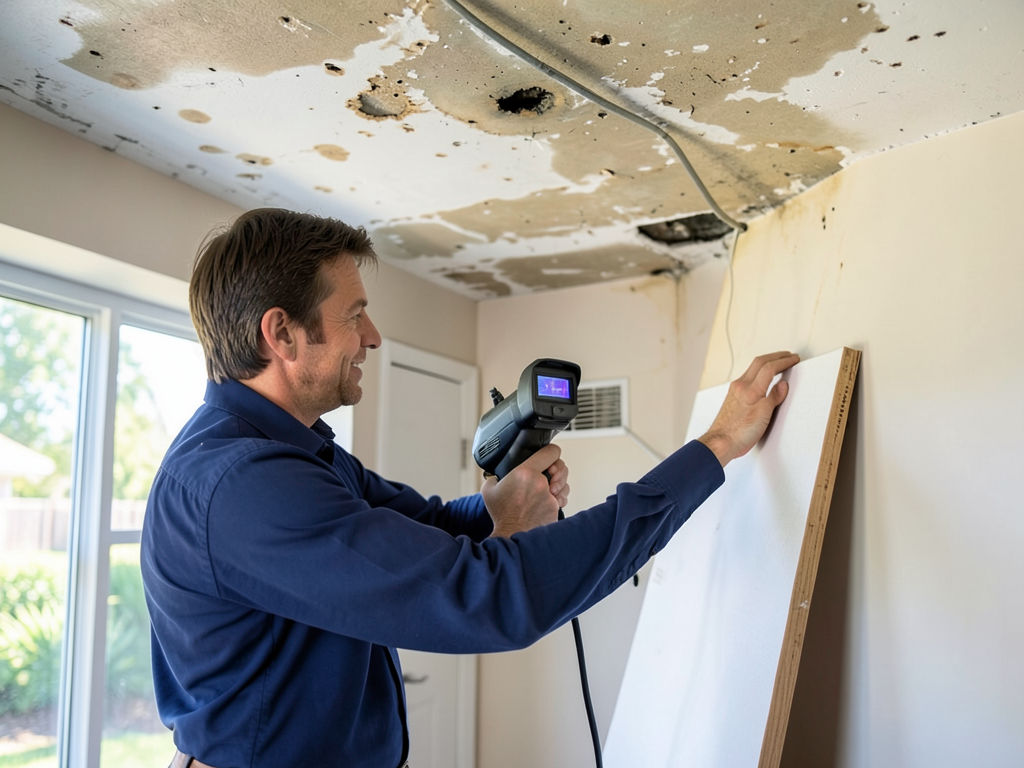
Image Description: Close-up photo showing different ceiling stain patterns – brown water stain from HVAC leak, yellow mold growth from attic condensation, and rust-colored stain from nail sweating in high humidity.
HVAC condensate drain line clogs and overflows
In Orlando’s hot, humid climate, your air conditioning system works overtime, producing significant condensation that needs proper drainage. When the primary condensate drain line clogs with algae, mold, or debris, water backs up into the system and can overflow into your home.
Most AC units have a secondary drain pan with a safety switch, but if that pan also fills up or the switch fails, water can spill onto your ceiling. This typically creates a large, spreading stain that appears suddenly during peak cooling hours when your system is working hardest.
The Florida Building Code (FBC) requires secondary drain pans for all HVAC installations in attics, but many older Orlando homes may not meet current standards. If you notice a ceiling spot near your interior walls or in a central location, your AC system is often the prime suspect.
Attic condensation and poor ventilation issues
Orlando’s extreme temperature swings between scorching afternoons and cooler nights create perfect conditions for attic condensation. When warm, moist air from your living space rises into a poorly ventilated attic, it meets cooler surfaces and releases moisture as condensation. Choosing Between Shingle and Tile Roofs for Your Central Florida Home.
This condensation can collect on the underside of your roof deck, drip onto insulation, and eventually seep through drywall, creating ceiling spots that look remarkably like roof leaks. The key difference is that these spots often appear during temperature changes rather than after rainfall.. Read more about How to tell if the plywood under your shingles is rotting in the Orlando humidity.
Proper attic ventilation requires balanced intake and exhaust vents. The FBC mandates specific ventilation ratios based on attic square footage, but many Orlando homes built before 2010 may not meet these requirements. Adding soffit vents, ridge vents, or powered attic fans can resolve condensation issues permanently.
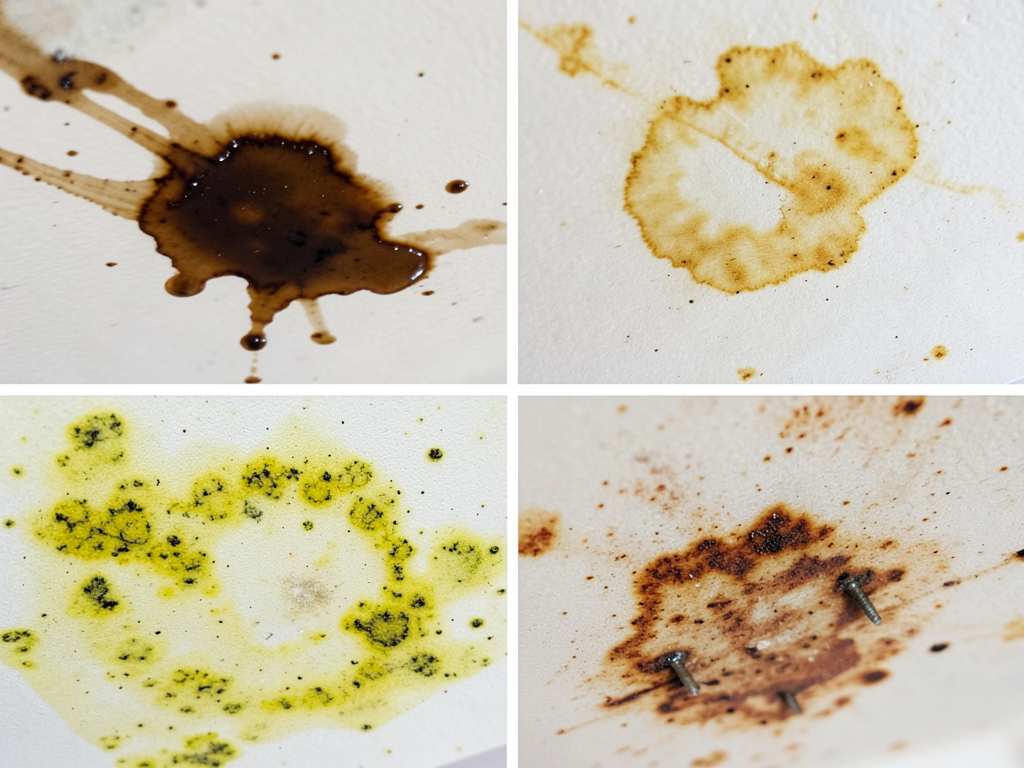
Image Description: Technician using thermal imaging camera to scan ceiling for moisture patterns, showing temperature variations that indicate active water sources versus old stains.
Plumbing leaks from upper floors
Not all ceiling spots come from above your roof. If you have a second story or plumbing running through your attic, a leak from a bathroom, kitchen, or water heater can create ceiling stains that mimic roof damage.
Common plumbing culprits include leaking toilet wax rings, cracked drain pipes, failing water supply lines, and aging water heaters in attic spaces. These leaks often produce consistent moisture rather than the sporadic patterns you’d see from wind-driven rain through a roof.
The diagnostic test involves checking if the spot grows when plumbing fixtures are used. Turn on sinks, flush toilets, and run showers on upper floors while monitoring the ceiling spot. If it expands during plumbing use, you’re likely dealing with a pipe leak rather than a roof issue.
Visual diagnostic guide: Identifying the source of your ceiling spot
| Stain Color/Pattern | Likely Cause | Key Characteristics |
|---|---|---|
| Brown/yellow rings | Water damage | Dark center, lighter edges, may grow after rain |
| Dark green/black spots | Mold growth | Velvety texture, may smell musty, grows in humid areas |
| Rust-colored streaks | Nail sweating | Follows nail patterns, worse during temperature swings |
| Yellowish discoloration | Plumbing leak | Consistent moisture, may have water droplets |
Step-by-step guide to diagnosing your ceiling spot
- Check the timing
Does the spot appear after rain (roof leak) or during AC use (HVAC issue)?
- Touch and smell test
Feel the spot – is it wet and cold (active leak) or dry and warm (old stain)? Smell for musty odors (mold) or chemical smells (AC refrigerant).
- Visual inspection
Look for patterns – do stains follow nail lines (condensation) or spread randomly (water intrusion)?
- Plumbing test
Run water on upper floors while monitoring the spot for expansion.
- Attic check
If safe, inspect attic for visible moisture, wet insulation, or AC drain issues.
When to call a professional vs. DIY investigation
Many ceiling spots can be diagnosed with careful observation, but some situations require professional expertise. If you notice active water dripping, large spreading stains, or signs of structural damage, it’s time to call in experts.
Professional roofers and HVAC technicians use thermal imaging cameras to detect moisture patterns behind walls and ceilings without destructive testing. This technology can identify the exact source and extent of water intrusion, saving you from unnecessary repairs. EPA moisture control guidelines.
The EPA recommends addressing water damage within 24-48 hours to prevent mold growth. If your spot shows signs of active moisture or you notice musty odors, professional remediation may be necessary regardless of the source.
Image Description: Before and after comparison showing ceiling repair process – water-damaged drywall removed, new insulation installed, and fresh paint matching existing ceiling texture.
Preventing future ceiling spots in Orlando homes
Prevention starts with understanding your home’s specific vulnerabilities. Orlando’s high humidity (often above 70% RH) means moisture management is crucial for every home system.
Schedule annual HVAC maintenance to clean condensate lines and check drain pans. Install smart water sensors near AC units and water heaters to detect leaks early. Ensure your attic meets current FBC ventilation requirements – most homes need 1 square foot of net free ventilation area per 150 square feet of attic space.
Consider upgrading to high-efficiency HVAC systems with better moisture control. Modern units include features like variable-speed blowers that reduce humidity more effectively than older single-stage systems.
Cost considerations and insurance implications
The cost to address ceiling spots varies dramatically based on the source. Simple HVAC drain cleaning might cost $100-200, while plumbing repairs can range from $300-1,500. Roof repairs, if actually needed, typically start around $500 for minor fixes.
Insurance coverage depends on the cause. Sudden, accidental damage from burst pipes is usually covered, but gradual leaks from poor maintenance often aren’t. Document everything with photos and keep repair receipts for insurance claims.
Many Orlando homeowners find that addressing the root cause (like upgrading attic ventilation) prevents recurring issues and actually saves money compared to repeated spot repairs.
Frequently Asked Questions
How can I tell if my ceiling spot is from a roof leak or something else?
Check when the spot appears – after rain indicates roof issues, while spots during AC use suggest HVAC problems. Touch the area; if it’s cold and wet during system operation, it’s likely condensation or drain overflow rather than roof penetration.
Is mold growth common with ceiling water spots in Orlando?
Yes, Orlando’s high humidity creates ideal conditions for mold within 24-48 hours of water exposure. Dark green or black spots with a musty smell indicate mold growth that requires professional remediation to prevent health issues.
Should I turn off my AC if I suspect a condensate leak?
Yes, turning off your AC system immediately can prevent further water damage. Most condensate overflows occur when the system is running, so shutting it down stops additional water production while you investigate or call for service.
How much does it cost to fix a ceiling spot caused by HVAC issues?
Simple drain line cleaning costs $100-200, while more complex repairs like replacing drain pans or safety switches range from $300-600. If water damage requires drywall repair, total costs can reach $800-1,500 depending on the extent of damage.
Take action before small spots become big problems
Ceiling spots might seem like minor cosmetic issues, but they often indicate underlying moisture problems that can lead to mold growth, structural damage, and decreased indoor air quality. The sooner you identify the source, the easier and less expensive the solution becomes.
Don’t let uncertainty about your ceiling spots cause unnecessary stress or lead to costly mistakes. Whether it’s HVAC maintenance, plumbing repairs, or ventilation upgrades, addressing the real cause provides peace of mind and protects your home’s value.
You may also find this helpful. Why the chimney on your Metrowest stucco home is the most likely spot for a leak.
Call (689) 268-2855 today to schedule your inspection. Our Orlando-based technicians use thermal imaging and moisture detection equipment to quickly identify the source of your ceiling spots and recommend the most cost-effective solution. Don’t wait until small stains become major water damage – pick up the phone and call (689) 268-2855 before the next storm hits or your AC system creates more problems.
{
“@context”: “https://schema.org”,
“@type”: “BlogPosting”,
“headline”: “Why you see wet spots on your ceiling that aren’t actually roof leaks”,
“description”: “Orlando homeowners often panic over ceiling stains, but high humidity and HVAC issues are common culprits. Learn how to diagnose the real cause before calling a roofer.”,
“wordCount”: 1578,
“datePublished”: “2026-05-27T13:35:00.000Z”,
“dateModified”: “2026-05-27T13:35:00.000Z”,
“inLanguage”: “en-US”,
“mainEntityOfPage”: {
“@type”: “WebPage”,
“@id”: “https://allproroofingorlando.com”
},
“publisher”: {
“@type”: “LocalBusiness”,
“name”: “All Pro Roofing Orlando”,
“url”: “https://allproroofingorlando.com”
},
“author”: {
“@type”: “Organization”,
“name”: “All Pro Roofing Orlando”,
“url”: “https://allproroofingorlando.com”
},
“image”: {
“@type”: “ImageObject”,
“url”: “https://allproroofingorlando.com/wp-content/uploads/2026/03/why-you-see-wet-spots-on-your-ceiling-that-aren-t-1.png”
}
}
{
“@context”: “https://schema.org”,
“@type”: “RoofingContractor”,
“name”: “All Pro Roofing Orlando”,
“url”: “https://allproroofingorlando.com”,
“address”: {
“@type”: “PostalAddress”,
“addressLocality”: “Orlando”
},
“areaServed”: {
“@type”: “City”,
“name”: “Orlando”
}
}
{
“@context”: “https://schema.org”,
“@type”: “FAQPage”,
“mainEntity”: [
{
“@type”: “Question”,
“name”: “How can I tell if my ceiling spot is from a roof leak or something else?”,
“acceptedAnswer”: {
“@type”: “Answer”,
“text”: “Check when the spot appears – after rain indicates roof issues, while spots during AC use suggest HVAC problems. Touch the area; if it’s cold and wet during system operation, it’s likely condensation or drain overflow rather than roof penetration.”
}
},
{
“@type”: “Question”,
“name”: “Is mold growth common with ceiling water spots in Orlando?”,
“acceptedAnswer”: {
“@type”: “Answer”,
“text”: “Yes, Orlando’s high humidity creates ideal conditions for mold within 24-48 hours of water exposure. Dark green or black spots with a musty smell indicate mold growth that requires professional remediation to prevent health issues.”
}
},
{
“@type”: “Question”,
“name”: “Should I turn off my AC if I suspect a condensate leak?”,
“acceptedAnswer”: {
“@type”: “Answer”,
“text”: “Yes, turning off your AC system immediately can prevent further water damage. Most condensate overflows occur when the system is running, so shutting it down stops additional water production while you investigate or call for service.”
}
},
{
“@type”: “Question”,
“name”: “How much does it cost to fix a ceiling spot caused by HVAC issues?”,
“acceptedAnswer”: {
“@type”: “Answer”,
“text”: “Simple drain line cleaning costs $100-200, while more complex repairs like replacing drain pans or safety switches range from $300-600. If water damage requires drywall repair, total costs can reach $800-1,500 depending on the extent of damage.”
}
}
]
}
{
“@context”: “https://schema.org”,
“@type”: “HowTo”,
“name”: “How to Diagnose Ceiling Water Spots”,
“step”: [
{
“@type”: “HowToStep”,
“position”: 1,
“name”: “Check the timing”,
“text”: “Does the spot appear after rain (roof leak) or during AC use (HVAC issue)?”
},
{
“@type”: “HowToStep”,
“position”: 2,
“name”: “Touch and smell test”,
“text”: “Feel the spot – is it wet and cold (active leak) or dry and warm (old stain)? Smell for musty odors (mold) or chemical smells (AC refrigerant).”
},
{
“@type”: “HowToStep”,
“position”: 3,
“name”: “Visual inspection”,
“text”: “Look for patterns – do stains follow nail lines (condensation) or spread randomly (water intrusion)?”
},
{
“@type”: “HowToStep”,
“position”: 4,
“name”: “Plumbing test”,
“text”: “Run water on upper floors while monitoring the spot for expansion.”
},
{
“@type”: “HowToStep”,
“position”: 5,
“name”: “Attic check”,
“text”: “If safe, inspect attic for visible moisture, wet insulation, or AC drain issues.”
}
],
“image”: “https://allproroofingorlando.com/wp-content/uploads/2026/03/why-you-see-wet-spots-on-your-ceiling-that-aren-t-1.png”
}
{
“@context”: “https://schema.org”,
“@type”: “BreadcrumbList”,
“itemListElement”: [
{
“@type”: “ListItem”,
“position”: 1,
“name”: “Home”,
“item”: “https://allproroofingorlando.com”
},
{
“@type”: “ListItem”,
“position”: 2,
“name”: “Blog”,
“item”: “https://allproroofingorlando.com/blog”
},
{
“@type”: “ListItem”,
“position”: 3,
“name”: “Why you see wet spots on your ceiling that aren’t actually roof leaks”
}
]
}
{
“@context”: “https://schema.org”,
“@type”: “Service”,
“serviceType”: “Roofing”,
“provider”: {
“@type”: “LocalBusiness”,
“name”: “All Pro Roofing Orlando”,
“url”: “https://allproroofingorlando.com”
},
“areaServed”: {
“@type”: “City”,
“name”: “Orlando”
},
“description”: “Orlando homeowners often panic over ceiling stains, but high humidity and HVAC issues are common culprits. Learn how to diagnose the real cause before calling a roofer.”
}